Twitter and Facebook engineers create ‘Don’t Be Evil’ tool to alter Google’s controversial social results

Search Engine Land pointed us to a new browser bookmarklet dubbed “Don’t Be Evil” created by Twitter, MySpace, and Facebook engineers to alter the controversial social search results displayed by Google since its most recent “Search plus Your World” update.

Earlier this month Google began rolling out the new “Search plus Your World” update to Google.com search results. The update consists of Personal results, Profiles in Search, and People and Pages, all of which provide prominent quick links to Google+ content relevant to your search query. It sparked controversy as the update arguably favors Google’s own Google+ social network over relevant social content from competitive services.

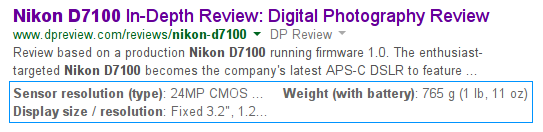
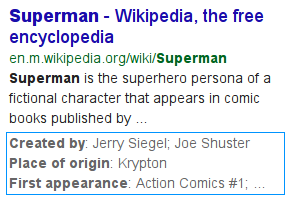
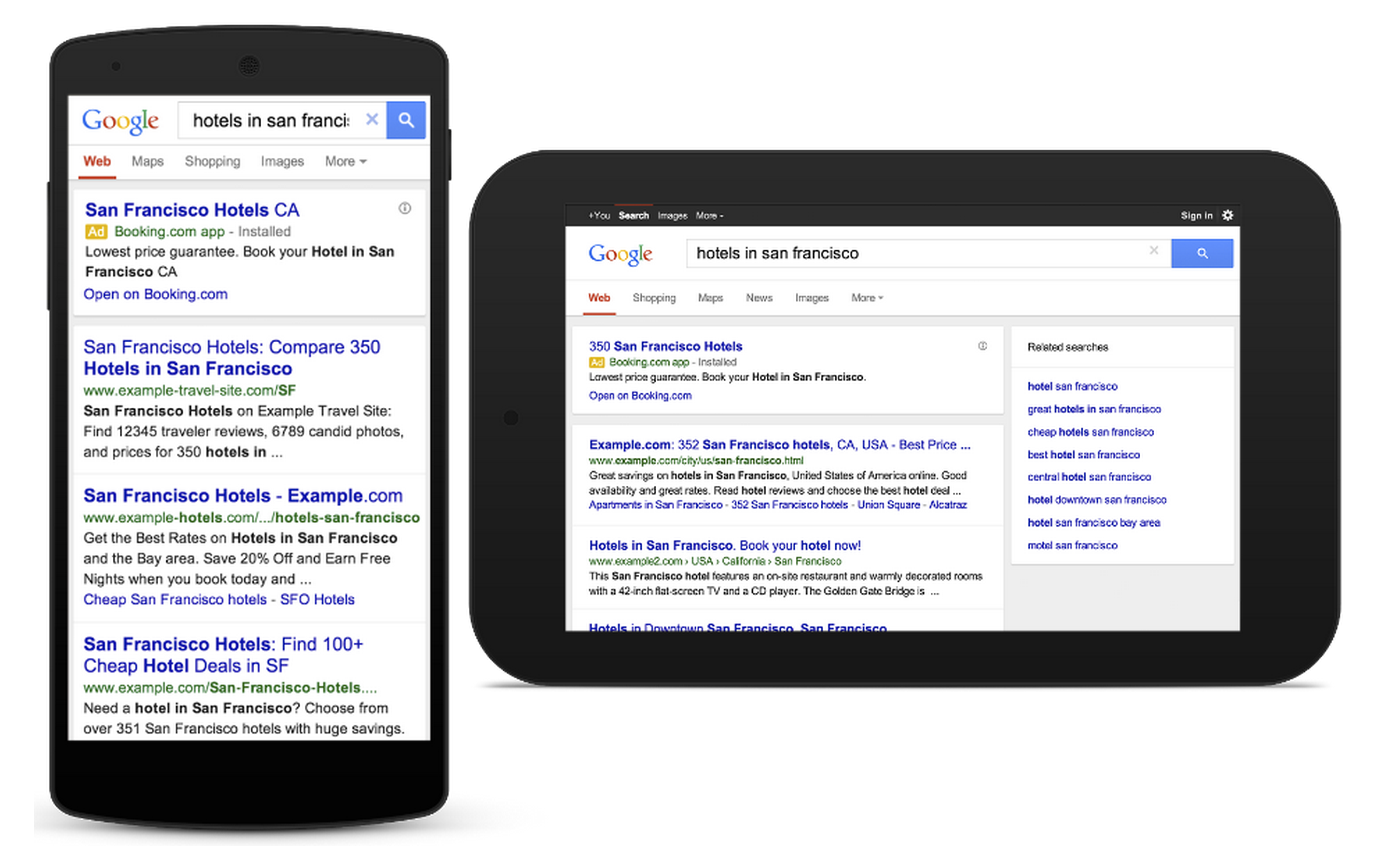
The tool is being open-sourced and available free. After performing a search, you simply click the “Don’t Be Evil” bookmarklet in your browser of choice (no IE support), and the social “Search plus Your World” results will be altered to also include content from Twitter, Facebook, MySpace, Tumblr, Github, Foursquare, LinkedIn, and a hand full of others. The image above shows Google’s Search plus Your World results on the left with the altered results after clicking the “Don’t Be Evil” on the right.

You might be thinking that the tool is instead favoring websites like Facebook or Twitter, much the same way Google is accused of favoring Google+. However, the creators explained that the tool actually utilizes Google’s own search results to determine the most relevant social content to display. Search Engine Land explained exactly how it works:

Read more

Google+ lets users ‘join discussion’ from social network’s search results

While conducting a search on Google+, a user can only comment on an existing post or share a found item, however, the Google+ team announced a new feature today that lets users start a conversation directly from search results.

Until now, options for interacting with a certain phrase or interest was limited to commenting and posting. The newly announced component suddenly turns a search into a conversation and relieves the pressure from users needing original content to partake in discussions…

Read more

Google slows web crawlers to help blackout websites during protest effort

Google and many other websites went black today to oppose the Stop Online Piracy Act (SOPA) in the House and the Protect IP Act (PIPA) in the Senate, but now the globally popular search engine has taken the protest one step further.

Pierre Far, a Webmaster trends analyst at Google, announced on Google+ today that the Mountain View, Calif.-based company slowed its web crawlers to continue support against U.S. anti-piracy bills.

More information is available below.

Read more

Google tests new QR-code secure login, experiment quickly taken offline

Google is experimenting again —but this time, with a QR-code login.

Apparently, a few Web surfers discovered a new QR-code account that served as an authentication tool to help Google users login securely while at a public computer. Keylogger programs are an eminent threat and may snatch and store passwords when people use public desktops to manually access Gmail and other Google services; therefore, a QR-code login could be a safer alternative.

With the new login that was found yesterday, users could use Android-powered smartphones to scan a QR code on a desktop that will automatically take them to a mobile login website. According to Google Software Engineer Walter Chang, users can sign into a Google service on their own device, and the action will directly forward them to Gmail or iGoogle on the public computer. Obviously, fake QR-codes imitating as an authentic Google login could pose a security risk, as well.

The feature made the rounds on the Internet yesterday, and Google Security Team Software Engineer Dirk Balfanz took to his Google+ account to announce the QR-code login as an experimental project.

“Looks like people have found the page for an experiment we’ve been running for phone-based authentication,” said Balfanz.

More information is available below.

Read more

Google protests against US anti-piracy bills and issues campaign promoting online privacy

Google Inc., announced it will insert a link and censor its logo on the search engine’s home page tomorrow to emphasize its opposition to U.S. anti-piracy bills in conjunction to rolling out a new campaign that promotes online privacy awareness.

Business Week reported the globally popular search engine is among many Internet companies that criticize the measures, claiming the bills could encourage online censorship and stunt the growth of the American technology industry.

The movie and music industries have experienced huge sale declines in recent years and subsequently support the Stop Online Piracy Act (SOPA) in the House and the Protect IP Act (PIPA) in the Senate.

According to the Recording Industry Association of America, music sales in the U.S. have dropped 47 percent, from $14.6 billion to $7.7 billion, since peer-to-peer file sharing emerged in 1999. Moreover, the Motion Picture Association of America released an info graphic (PDF) last year that claimed 29 million American adults by 2010 had downloaded illegal copies of film or television shows.

However, both bills —if passed— would be a means to prevent the sale of illegal content or counterfeit goods by websites operating outside United States borders…

Read more

Google is No. 4 top global brand, pummels Apple value by over $20B

Interbrand assesses brand value across the world, and the consultancy recently released its “2011 Ranking of the Top 100 Brands” with Google sitting tight at the No. 4 spot.

“With a 27 percent increase in brand value in the past year, Google’s position as one of the world’s preeminent brands is growing and nothing seems capable of stopping it,” announced the annual report.

There are three main aspects to the methodology of assessing a brand, according to Interbrand, and those include financial performance, role of brand, and brand strength. Internal factors vary between authenticity and consistency to responsiveness and commitment of the brand regarding strength…

Read more