YouTube
YouTube is Google's massive video streaming platform, accepting videos from creators large and small

YouTube is a major video platform owned by Google — and it has grown to be one of the most famous social media destinations on the web.
YouTube is Google's massive video streaming platform, accepting videos from creators large and small
YouTube is a major video platform owned by Google — and it has grown to be one of the most famous social media destinations on the web.

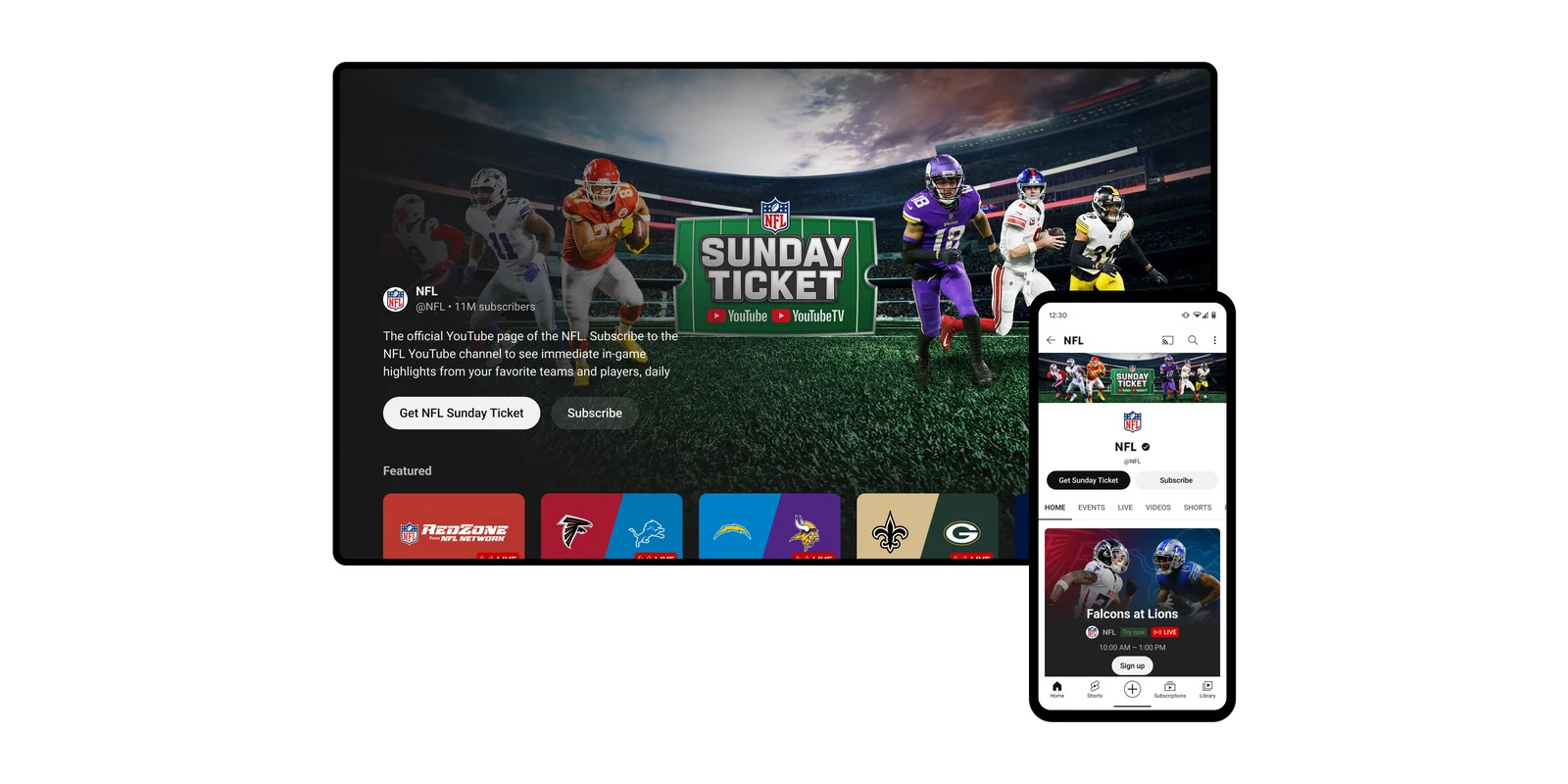
We’re about to kick off the second full year of NFL Sunday Ticket on YouTube and YouTube TV, and the prices have been official detailed with no price hike this year, but some new discounts available.
Expand Expanding Close

The Nintendo Switch 2 has arrived, but it’s missing some apps, including a YouTube app. That will be fixed “soon” though, Google says.
Expand Expanding Close

YouTube looks to be facing an outage, as down reports spike and the website looks to be operational for some users.
Expand Expanding Close
YouTube is in a war against ad blockers, with its latest move seemingly closing a loophole in Firefox, and people just keep complaining about it.
Expand Expanding Close
YouTube Premium was never supposed to be the tier that rids the site of ads. Instead, it’s an option offered by Google to users who want a trimmed experience for less money than a full Premium experience costs. In a change to some regions, Google reiterates that YouTube Premium Lite is going to start seeing ads in new spots.
Expand Expanding Close

Google is looking into a new bug in the YouTube app that hides a critical element of the app’s UI. The bug hides YouTube’s navigation bar, leaving users with no way to access certain pages.
Expand Expanding Close
Google has announced that Lens is coming to YouTube Shorts, starting with a beta that’s going live now.
Expand Expanding Close
YouTube teased a “little refresh” of the mobile app’s miniplayer earlier this week, and this update is now rolling out on Android and iOS. This follows the “feedback” people sent in after the October launch.
Expand Expanding Close
After launching in the US and select other regions earlier this year, YouTube Premium Lite is now expanding to a few more countries – here’s the full list.
Expand Expanding Close
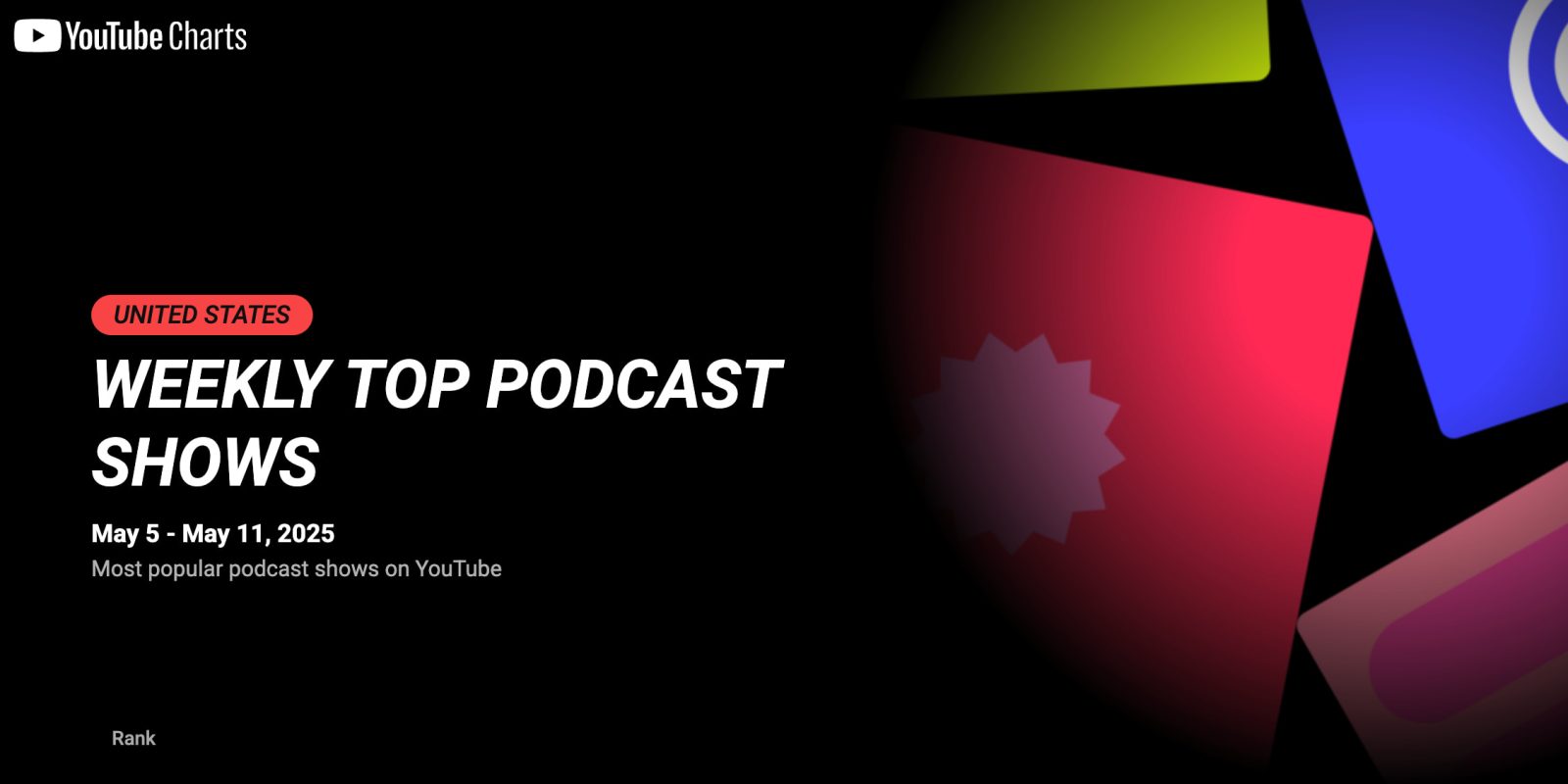
With 1 billion monthly podcast users, YouTube now offers a Weekly Top Podcast Shows chart in the US.
Expand Expanding Close

During its “Brandcast” this week, YouTube revealed a new strategy to insert ads into videos which will leverage AI to put those ads into the most important parts of a video.
Expand Expanding Close
The NFL has announced that YouTube and YouTube TV will be the exclusive broadcasters for its Week 1 game held in Brazil, meaning the game will only be watchable through Google’s products for the first time, and, it’s free.
Expand Expanding Close

After being announced recently, the YouTube app for TVs is widely rolling out a few changes including a dedicated Shorts feed that lives at the top of the subscriptions page.
Expand Expanding Close
YouTube is focusing on its TV experience more than ever, with a redesign on the horizon and a handful of new features that are starting to roll out. Here are a few new additions to look for.
Expand Expanding Close
If you’re having trouble uploading new content to YouTube, you’re not alone, as Google has just confirmed an ongoing problem with uploads for both videos and Shorts.
Expand Expanding Close
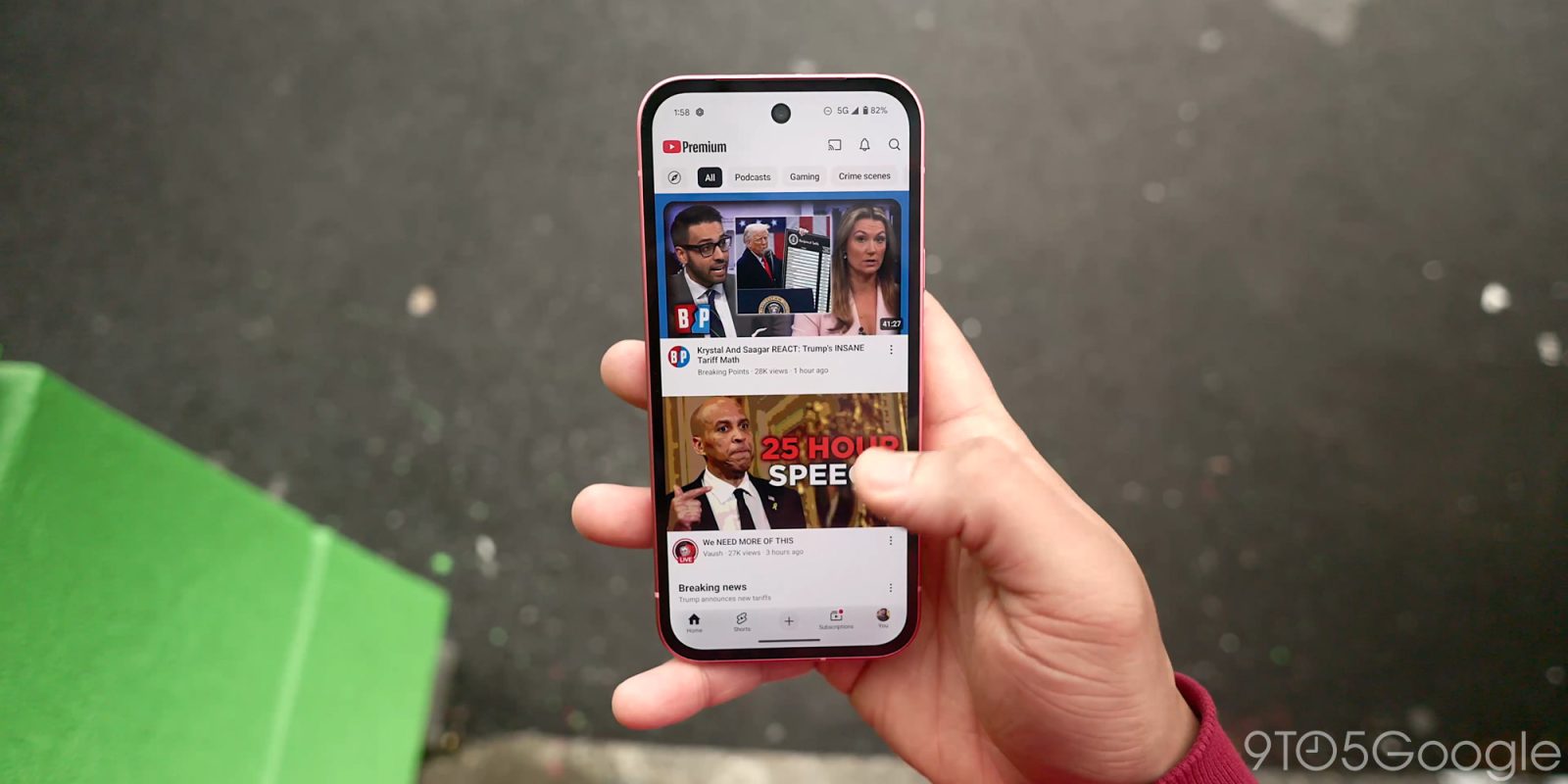
YouTube Premium has been expanding in a couple of ways over the last years, including adding tiers for families and students. A new YouTube Premium tier has appeared in select regions for groups of just two people, coming in at a lower cost than the full-fledged five-person offering.
Expand Expanding Close
Google is running a new test on YouTube that will see the thumbnails for videos containing “mature content” blurred out.
Expand Expanding Close

YouTube is celebrating its 20th birthday with a number of stats, while previewing new features that are coming this year.
Expand Expanding Close
Some users have reported a new YouTube homepage bug that allows the recommendation page to appear with few or no videos. YouTube is aware of the new bug and seems to be working on a fix.
Expand Expanding Close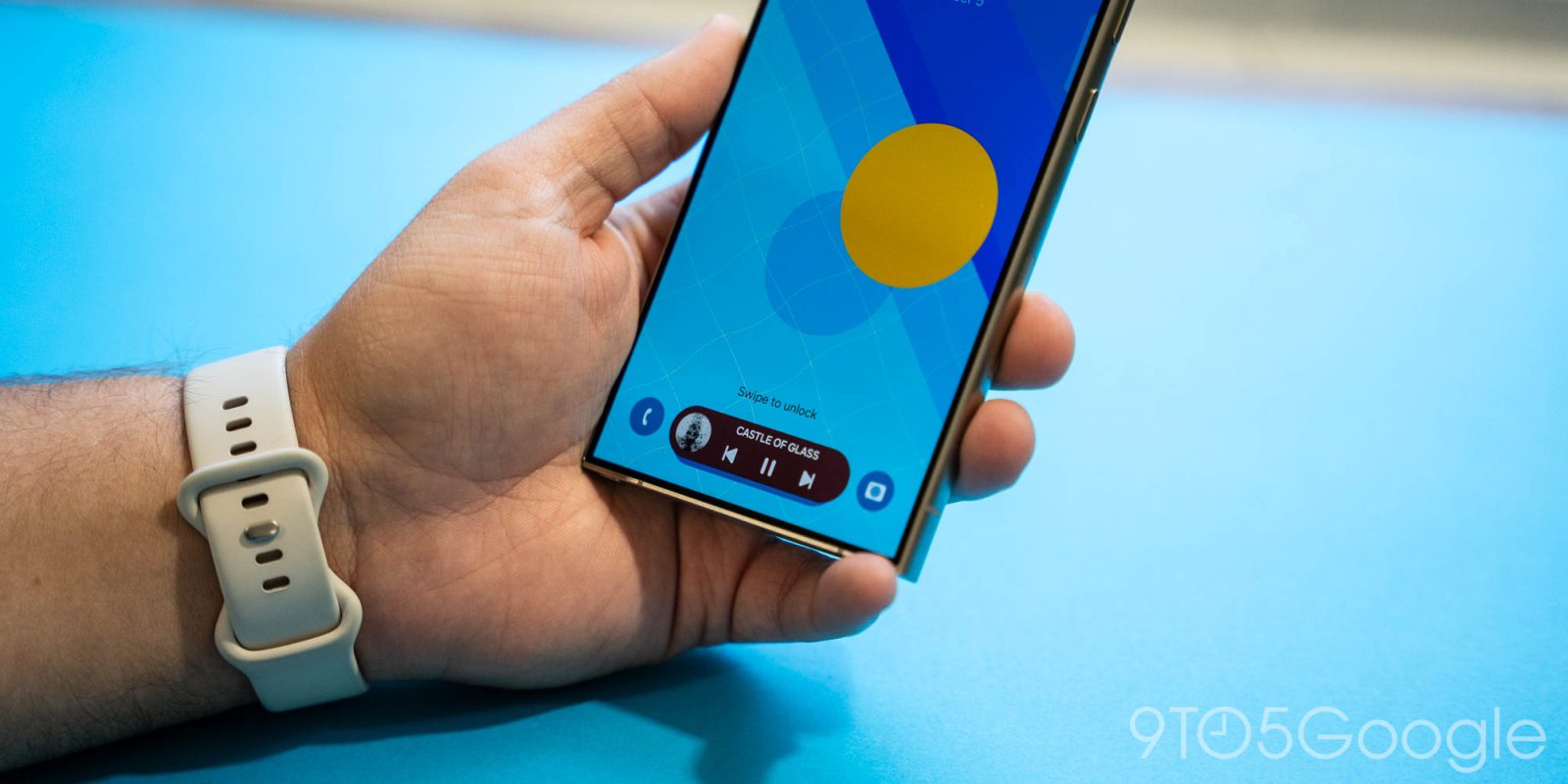
Samsung just started rolling out its big One UI 7 update earlier this week, and with it comes an unexpected addition in the form of cross-device YouTube controls that appear through Live Notifications and the Now Bar.
Expand Expanding Close
YouTube is continuing to remove grandfathered pricing for its Premium subscription service.
Expand Expanding Close
Fake movie trailers are everywhere on YouTube, but now action is finally being taken against some of them after it was publicly revealed that movie studios were cashing in on those videos.
Expand Expanding Close
Last week, YouTube acknowledged a widespread issue with low quality video playback on iOS devices, but now says that the problem is fixed.
Expand Expanding Close
Google has confirmed it is investigating an issue causing low quality in playback of videos and Shorts through the YouTube app on iOS.
Expand Expanding Close