
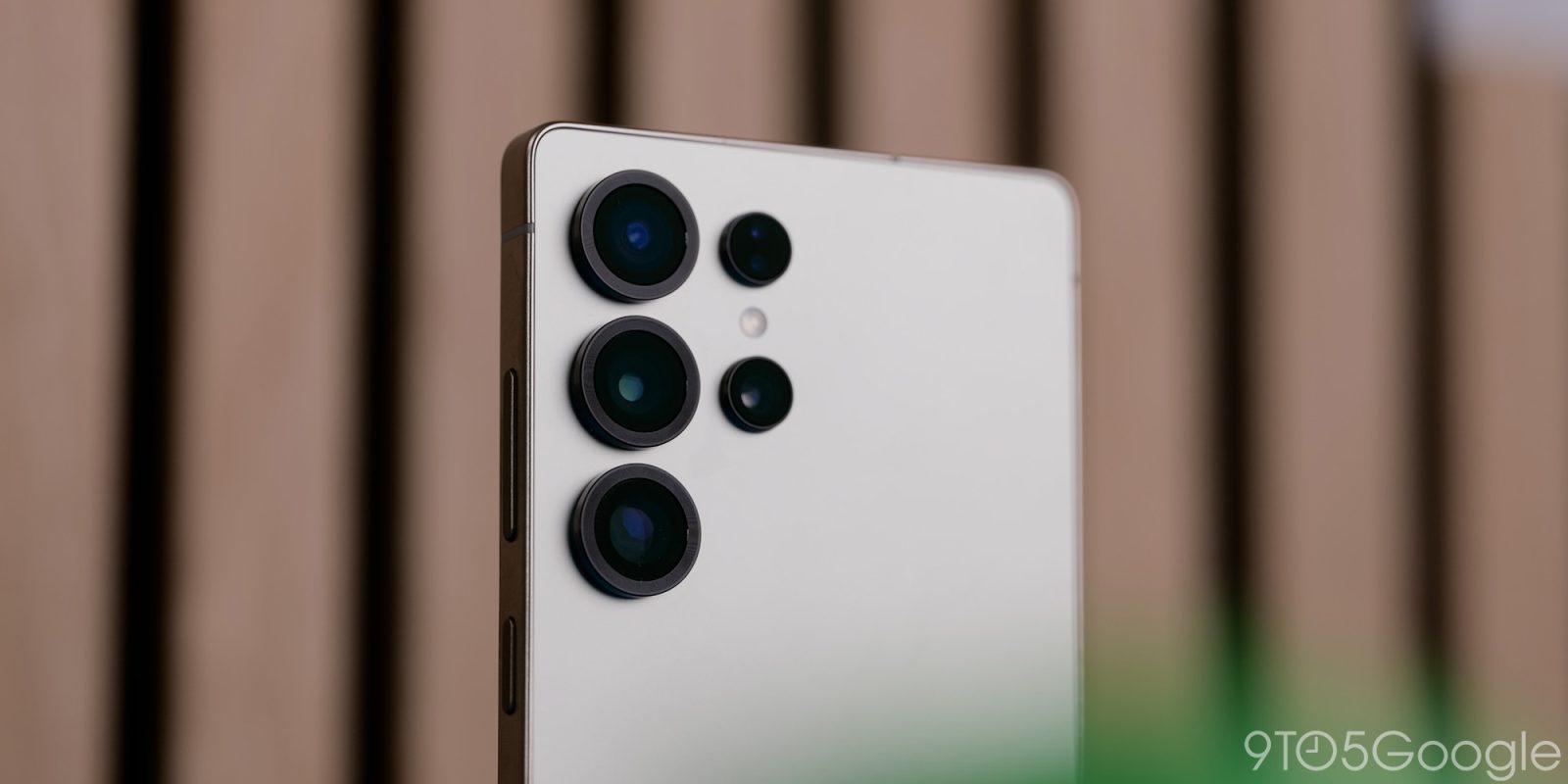
Surfacing reports suggest that Samsung held out as long as it could in previous years, but current RAM and chip increases are creating a situation in which Samsung can’t hold out any longer and must increase the launch price of the Galaxy S26. It’s raise prices or nothing.
There’s a lot of conjecture surrounding large corporations and what they can do to absorb costs. The current chip market is strained to its breaking point as AI companies demand more power. That vacuum has led RAM manufacturers like Samsung to repurpose precious RAM real estate to handle high-bandwidth memory (HBM) production.
According to a recent report, insiders said Samsung’s Galaxy S26 price hike is a result of delaying incremental increases for several years (via Chosun). In 2025, the Galaxy S25 pricing structure was reportedly altered at the very last minute. Samsung’s head of mobile, Roh Tae-moon, decided to keep the Galaxy S25 series prices consistent with the previous model, though the phones were initially expected to cost more.
At the time, the increase was seen as an inevitable bump due to global rising costs that seem so mild now, but this past year has shed light on the AI market’s hunger for processing power beyond any company’s ability to accommodate. While previous price increases may not have been directly related, the Galaxy S26’s increase is pushed over the edge by memory costs.
The report also notes that even though Samsung produces its own Exynos processors, it “is not in a position to purchase Exynos at a cheaper price than its competitors.” That had been rumored for some time, but it was never so blatantly put. This might be due to Samsung absorbing some costs to keep clients on board, and that may apply to both commercial and consumer.
The Exynos lineup is expected to be used in the European variant of the Galaxy S26 line. The US series will likely carry Qualcomm’s Snapdragon 8 Elite Gen 5. Even though these units are not technically affected by that very specific issue, Samsung is unlikely to localize price increases when an entire industry is feeling pressure. The larger RAM and storage shortages are going to dictate the cost more heavily.
The Galaxy S25 was an example of Samsung absorbing costs to keep customers. It did well enough, as the Galaxy S25 series saw a massive increase in sales. This year, however, the margins seem too thin, and the company is reportedly concerned about losing more market share to Apple, which may choose to freeze pricing for another year.
Another interesting takeaway is that Samsung may keep the free storage upgrade benefit in place this year. It was expected that the company would drop the program that allowed pre-order customers to get a higher storage tier for a lower price, as storage is directly affected by increases in memory components. It’s still an unknown, though it would be significant for retaining consumers amidst the cost increase.
Exact price increases are still unknown. Reports vary on whether the Galaxy S26 and S26+ will increase in price, while the Ultra will retain its price point.
In reality, we won’t know until Samsung launches the devices on February 25.


FTC: We use income earning auto affiliate links. More.





Comments