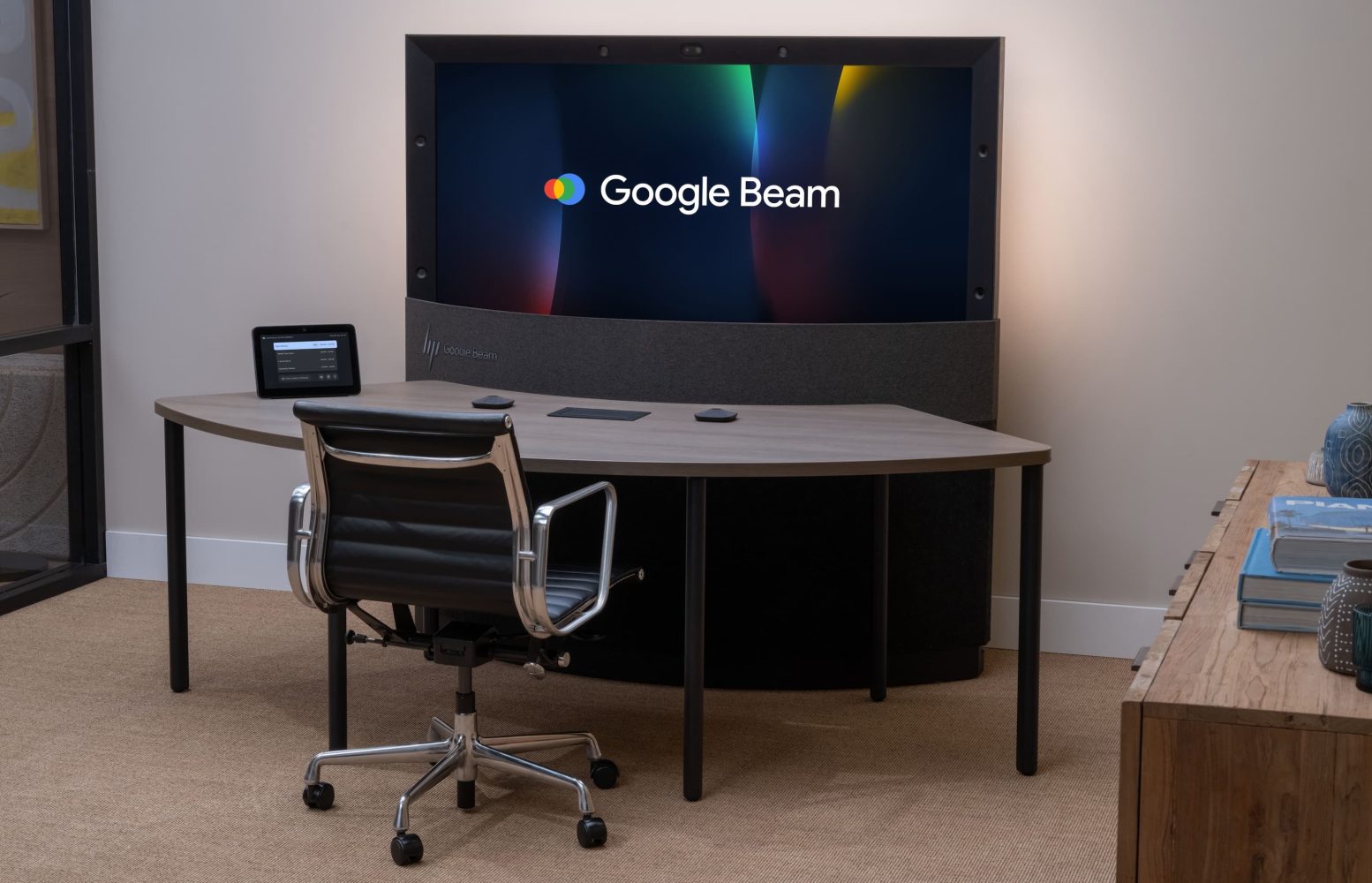
Google today announced the latest expansion of its 3D meeting booths, including a partnership that brings Google Beam to co-working spaces in the US.
Expand Expanding CloseGoogle Beam 3D meeting booths coming to co-working spaces


Send tips/talk to abner@9to5mac.com or @technacity (open DMs).
Abner Li has worked at 9to5Google since 2015 and in late 2020 took on the role of editor-in-chief. He is keenly focused on tracking what happens at Google, and is often the first to spot new features in Google’s ever-growing family of applications that are updated on a daily basis, including Search, Assistant, Maps, Workspace, Android, Chrome/OS, Wear OS, and YouTube Music.
To him, what Google does greatly impacts the technology space and modern life. Inside the company, he is particularly interested in the key products mentioned above, as well as services like Google Podcasts and Google Lens. Each are massive platforms that can be unwieldy to grasp, with Abner keenly bent on understanding their philosophy and future direction. He is most excited about Google’s plans for augmented reality glasses.
Abner spearheads the APK Insight program at 9to5Google to chronicle all changes in the company’s Android apps, often finding new features before they are officially announced. This includes redesigns and revamps, launches, and new products.
A big area of interest is Google’s hardware division, including Pixel, Fitbit, and Nest. He detailed all of the Pixel 3’s camera features before launch and scooped the 2nd-generation Nest Hub’s Soli-powered Sleep Sensing capability, including how it would integrate with Google Fit.
Recently, Abner detailed the Pixel Watch’s specs in full before launch, including bands and pricing. He also got wind of the Pixel Tablet’s ultimate form factor.
Google today announced the latest expansion of its 3D meeting booths, including a partnership that brings Google Beam to co-working spaces in the US.
Expand Expanding Close
At Made on YouTube 2026 today, YouTube announced a slew of new features. We’ve highlighted the capabilities that will impact the viewer experience over the coming months.
Expand Expanding Close
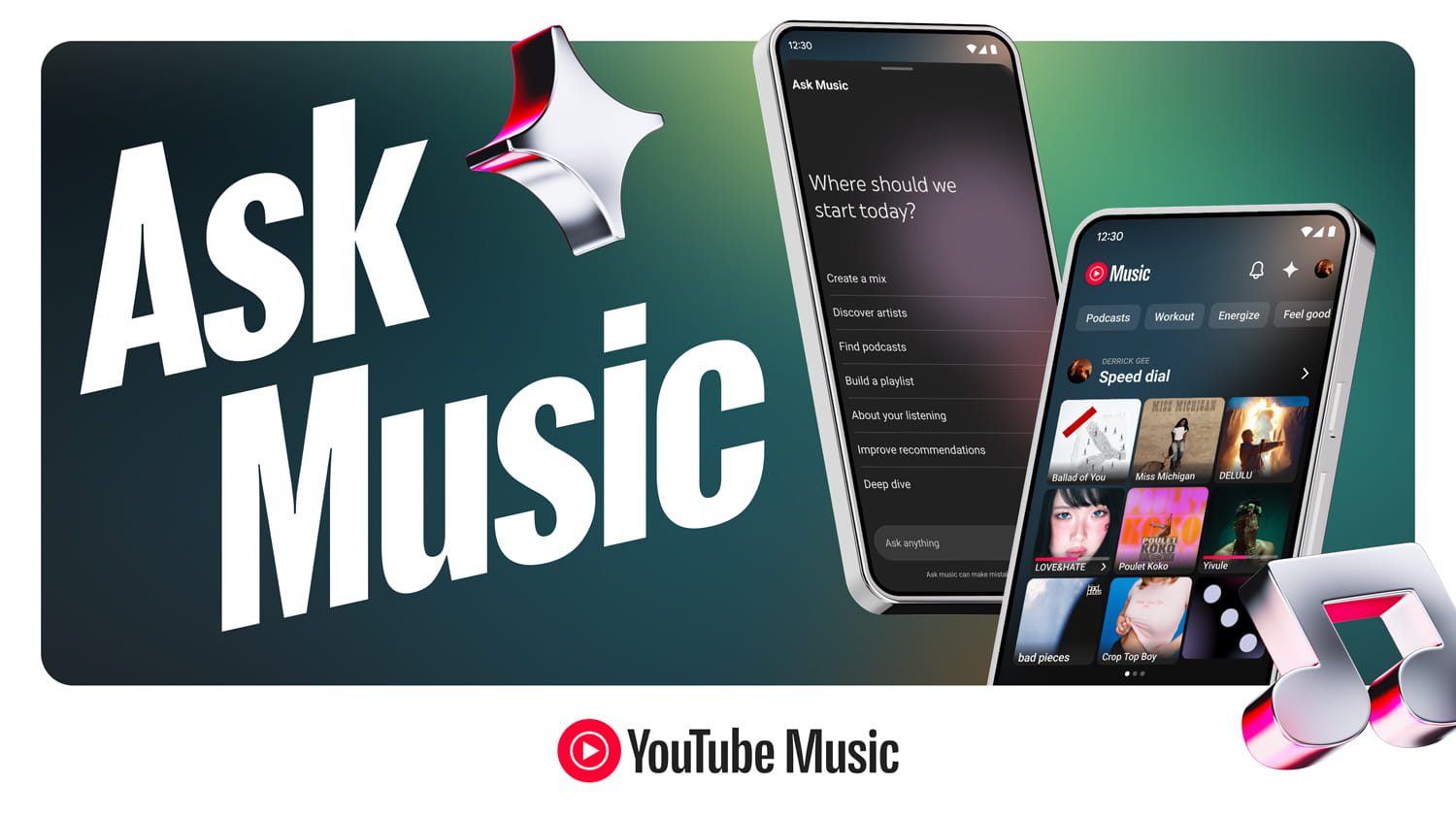
As part of Made on YouTube 2026, a handful of updates to YouTube Music that are coming later this year were previewed.
Expand Expanding Close
Qualcomm today announced the Snapdragon 8 Elite Gen 6 and Snapdragon 8 Elite Extreme Gen 6 to power the next generation of Android smartphones.
Expand Expanding Close

The monthly “Google System Release Notes” primarily detail what’s new in Play services, Play Store, and Play system update across Android phones/tablets, Wear OS, Google/Android TV, Auto, and PC. Some features apply to end users, while others are aimed at developers.
Expand Expanding Close

Following last week’s Feature Drop, Pixel VIPs 2.0 is beginning to roll out, and it brings more changes than just the widget redesign.
Expand Expanding Close
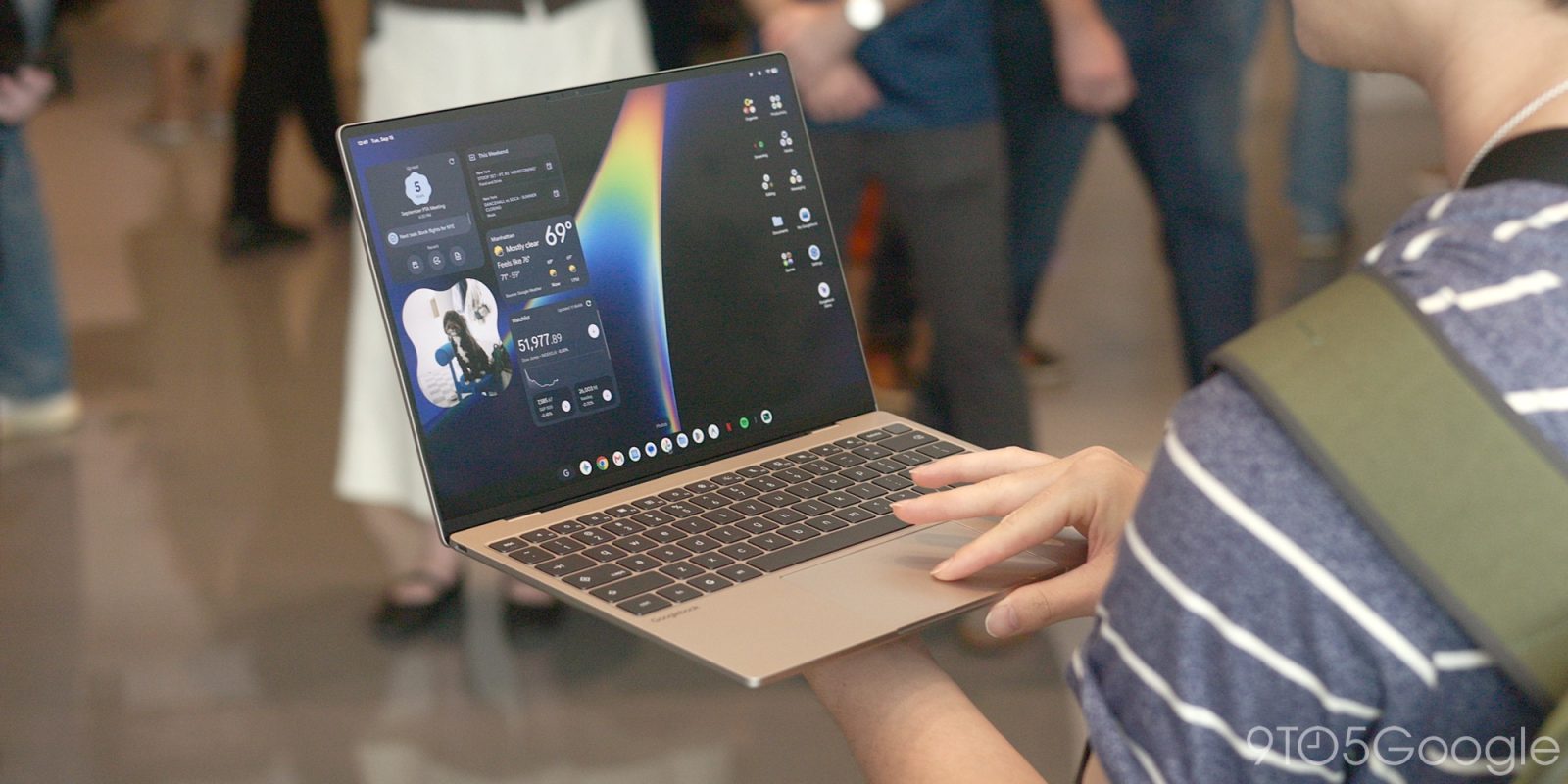
An overwhelming sense of familiarity struck me the first time I used a Googlebook. That was immediately followed by a realization that this is just Android, and I think that feeling of similarity will go a long way in justifying and ultimately selling Googlebooks.
Expand Expanding Close
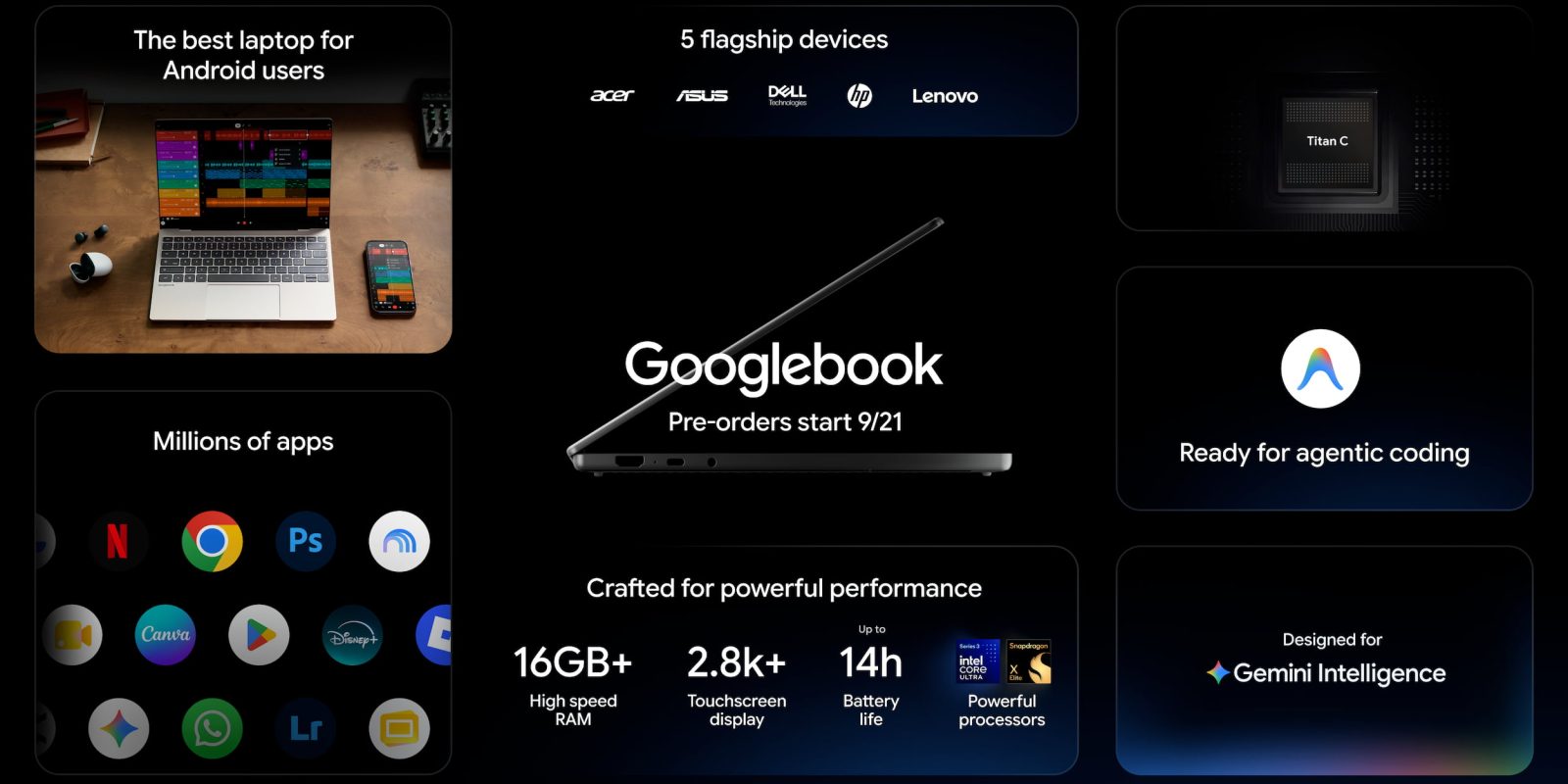
Following the May preview, Google today fully announced Googlebooks ahead of the consumer launch in October.
Expand Expanding Close
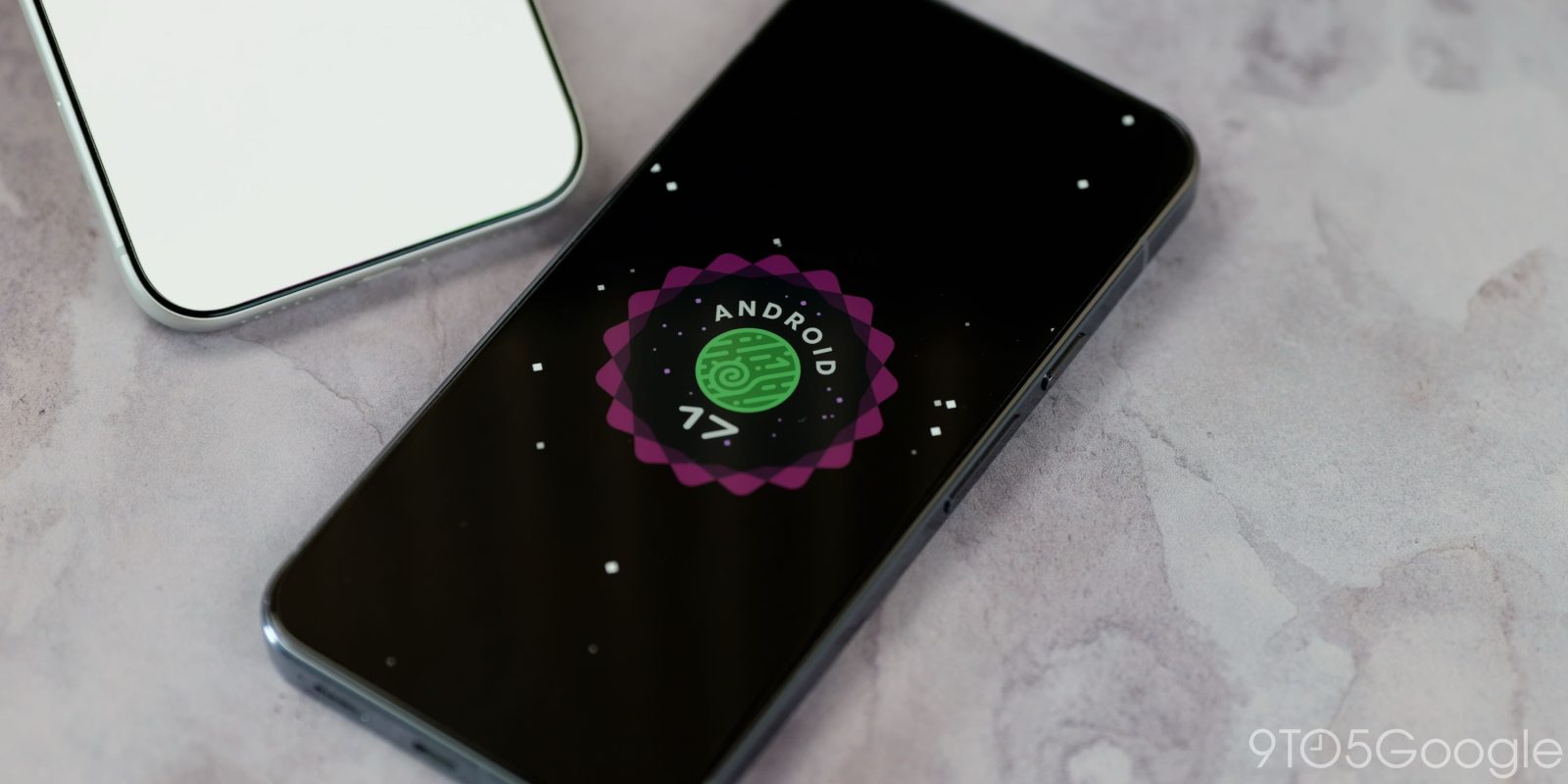
This month’s stable release of Android 17 QPR1 comes with some unexpected status bar icon changes on Pixel.
Expand Expanding Close
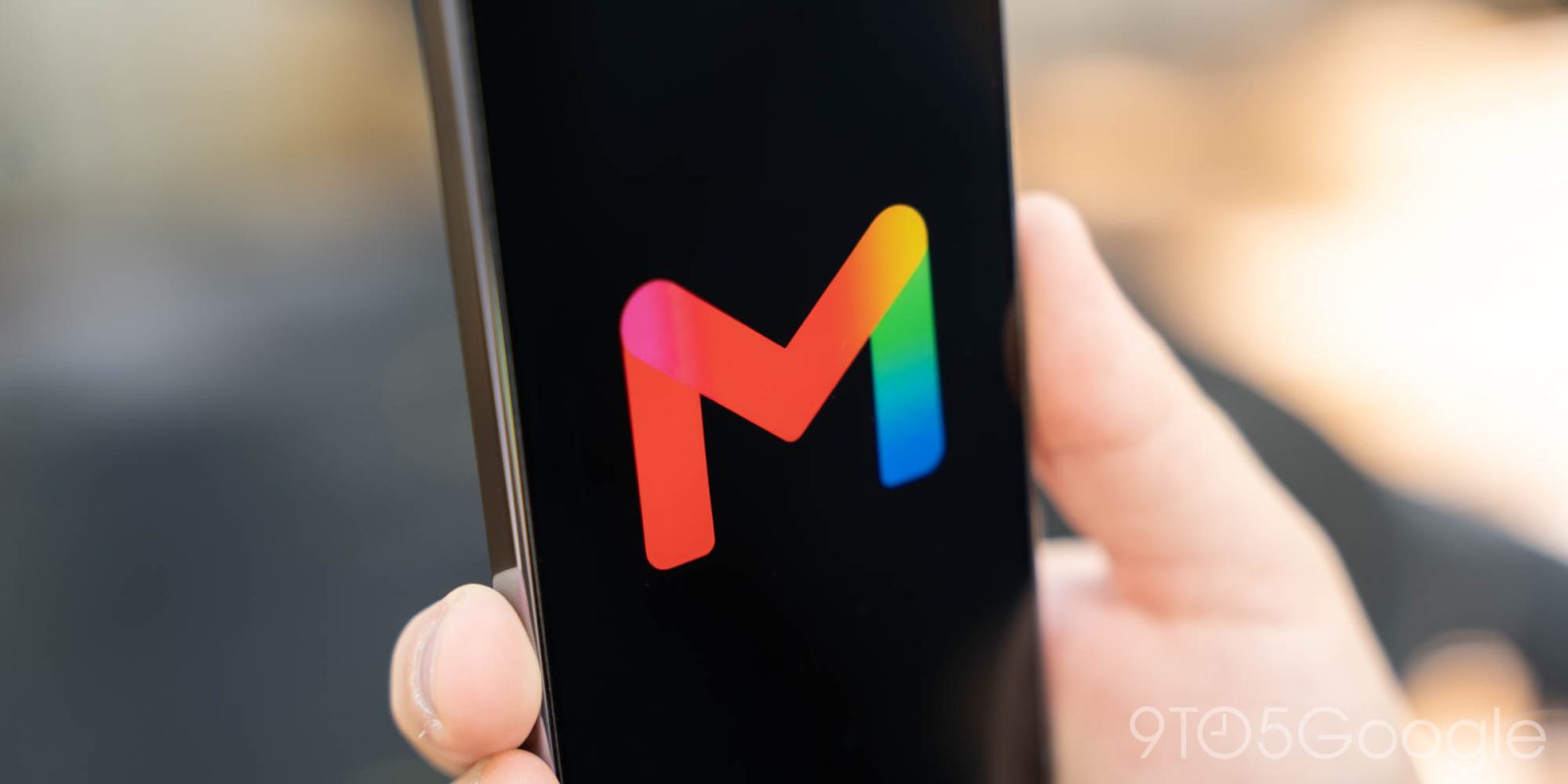
After rolling out Live search and chat earlier this month, Gmail now has a useful “Copy code” button for 2FA on Android and iOS.
Expand Expanding Close
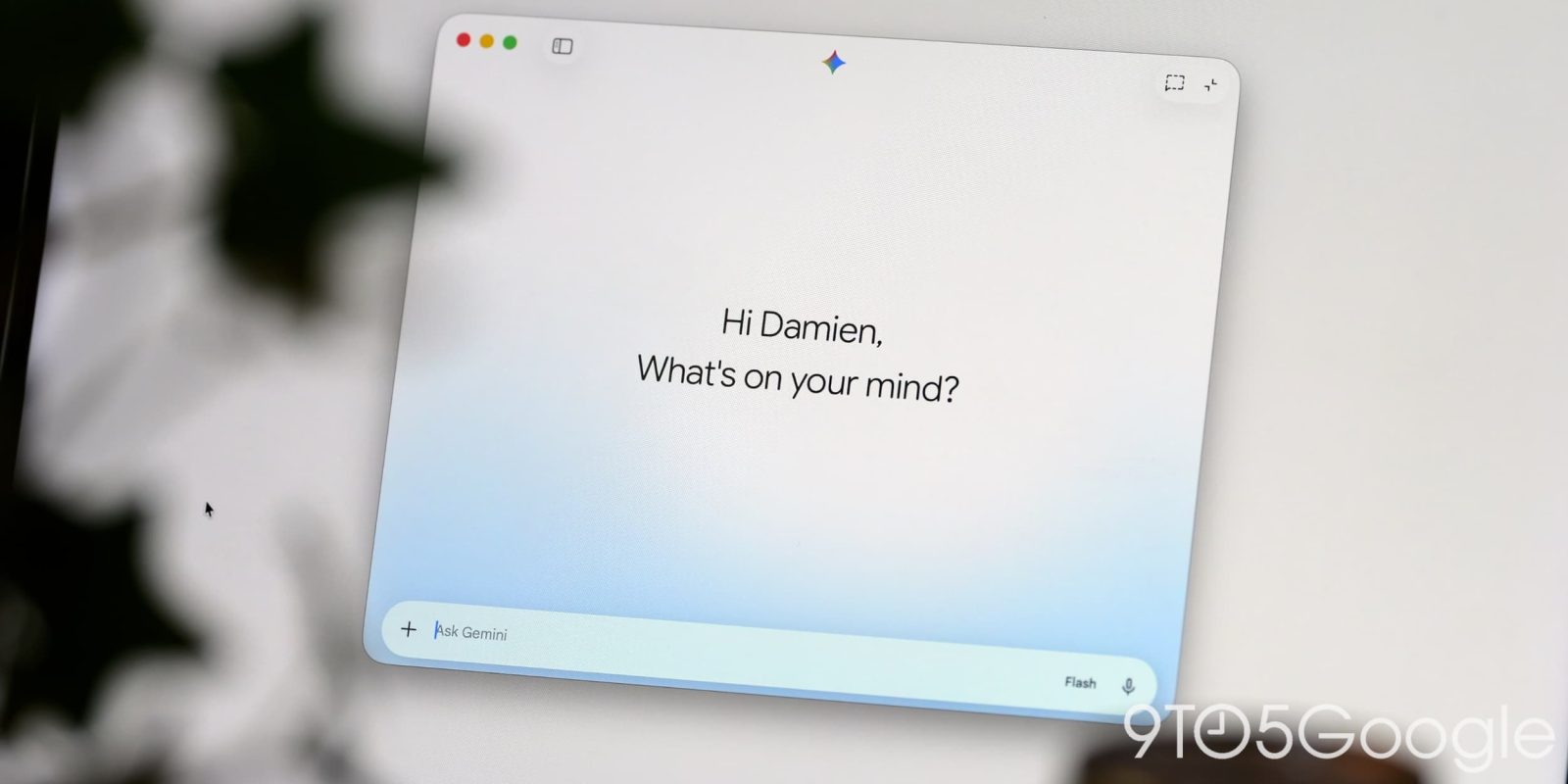
Google’s latest update to the Gemini app for macOS readies local iMessage integration. This follows the app coming to Windows last week.
Expand Expanding Close
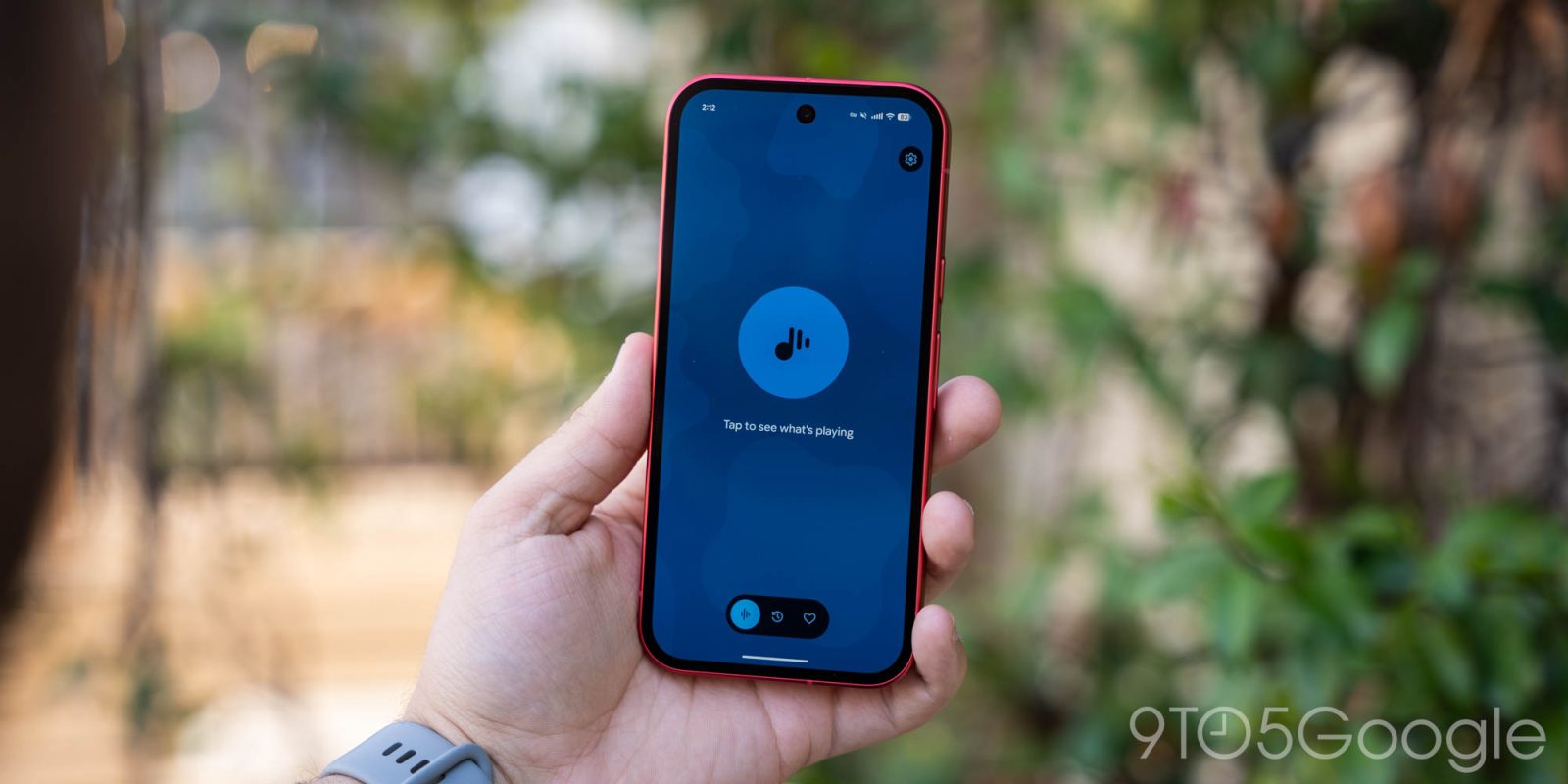
The next wave of Pixel app updates is starting with Google rolling out the latest version of Now Playing with interface tweaks.
Expand Expanding Close
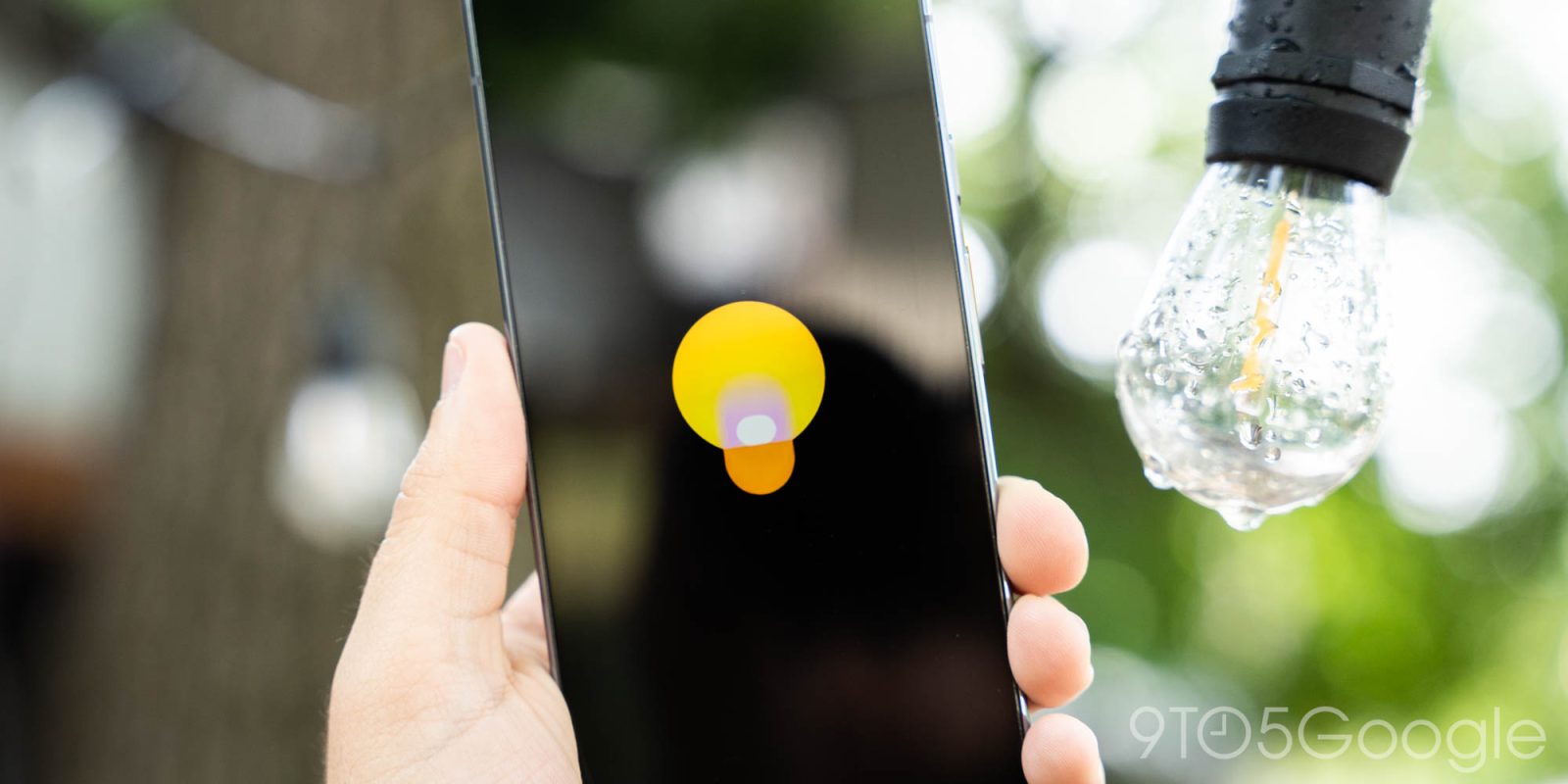
Google Keep for Android has rolled out a small tweak to the “Note collection” widget that shows a feed on your homescreen.
Expand Expanding Close

Google Design published a more detailed explanation of Noto 3D today as it expands beyond Pixel devices.
Expand Expanding Close
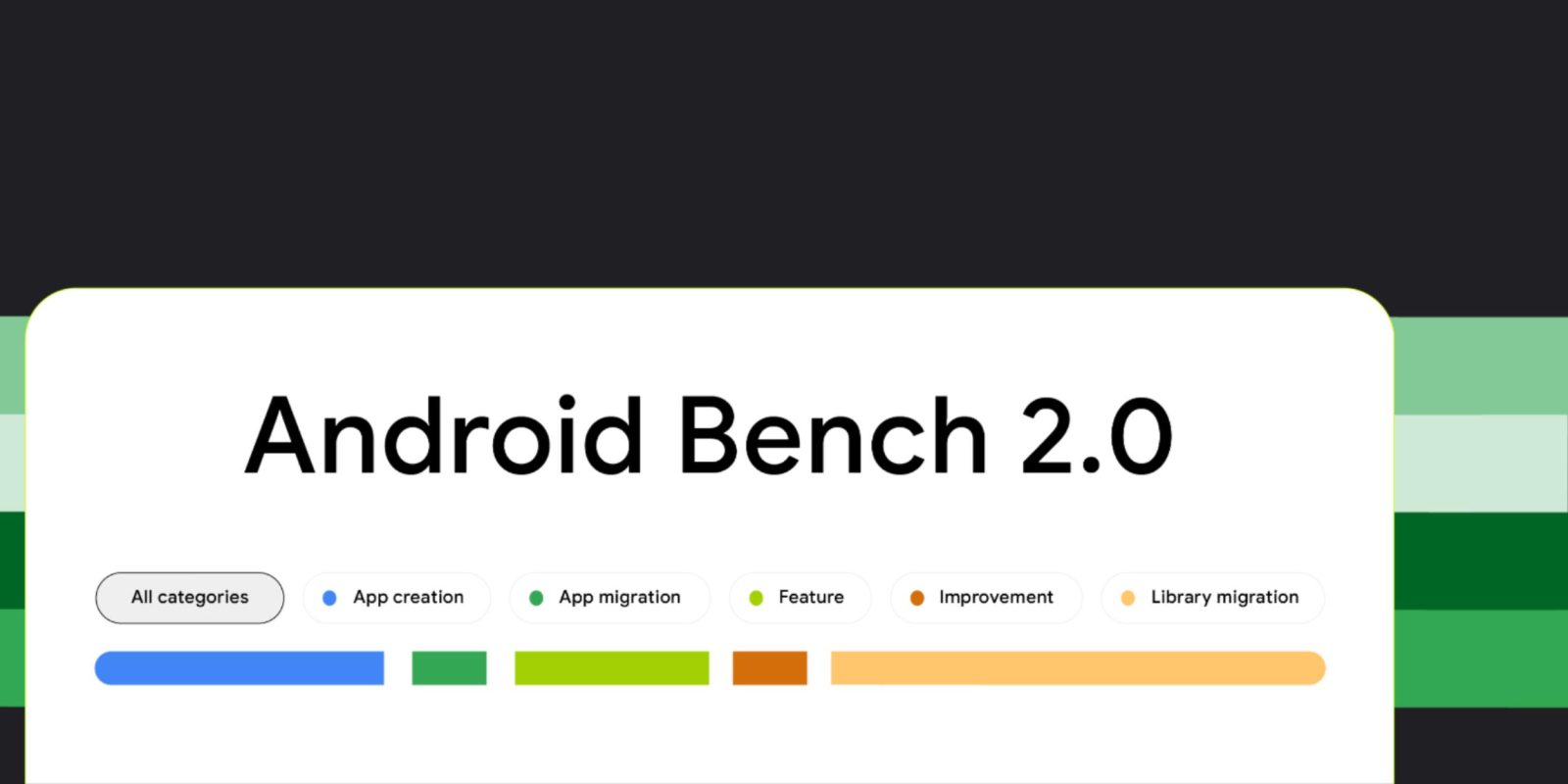
Google’s development of Android Bench continues today with a version 2.0 that reflects how AI can handle more complex development tasks.
Expand Expanding Close
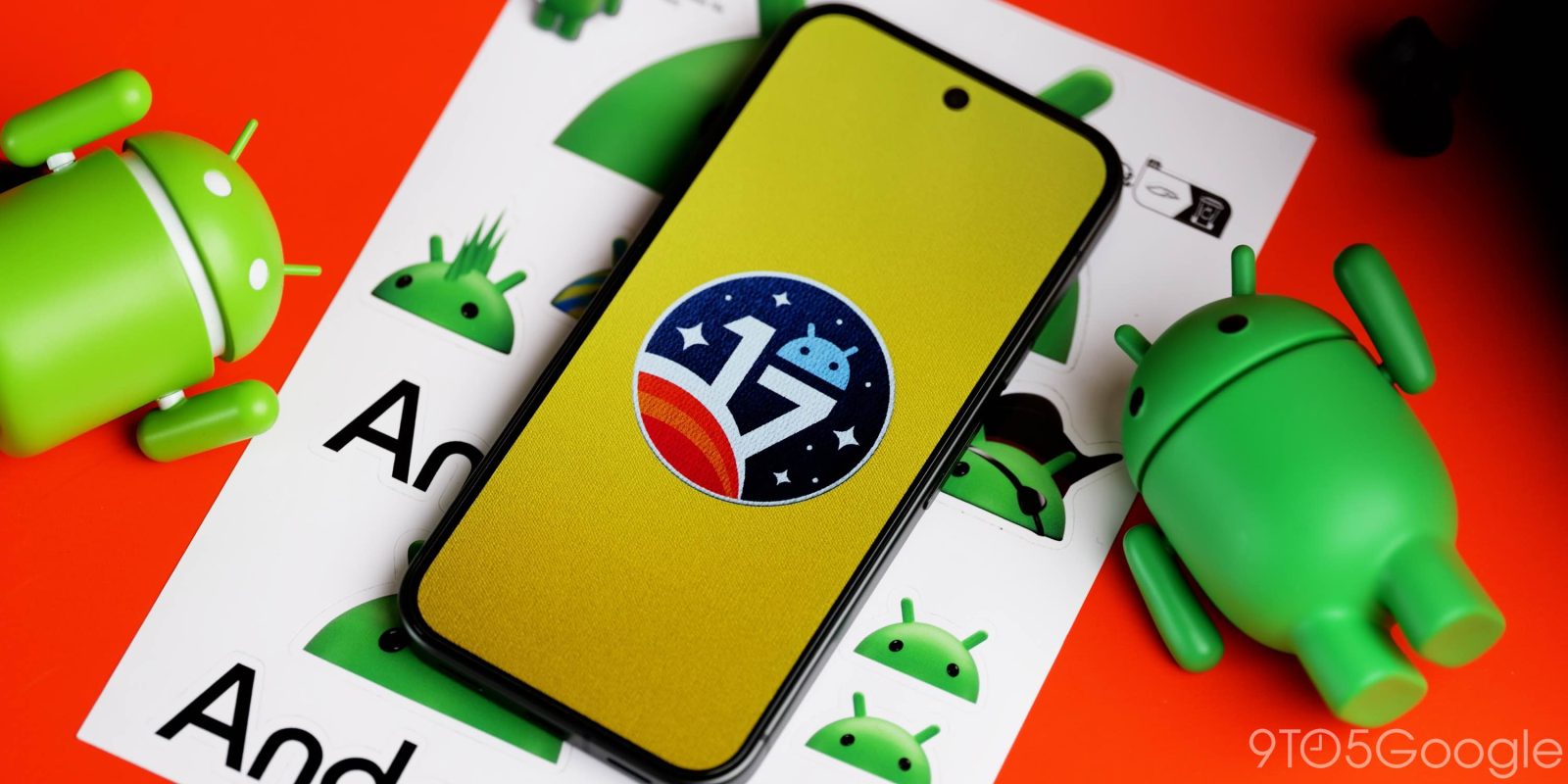
Android 17 QPR2 Beta 5 is rolling out today to continue the development cycle ahead of the stable December launch.
Expand Expanding Close
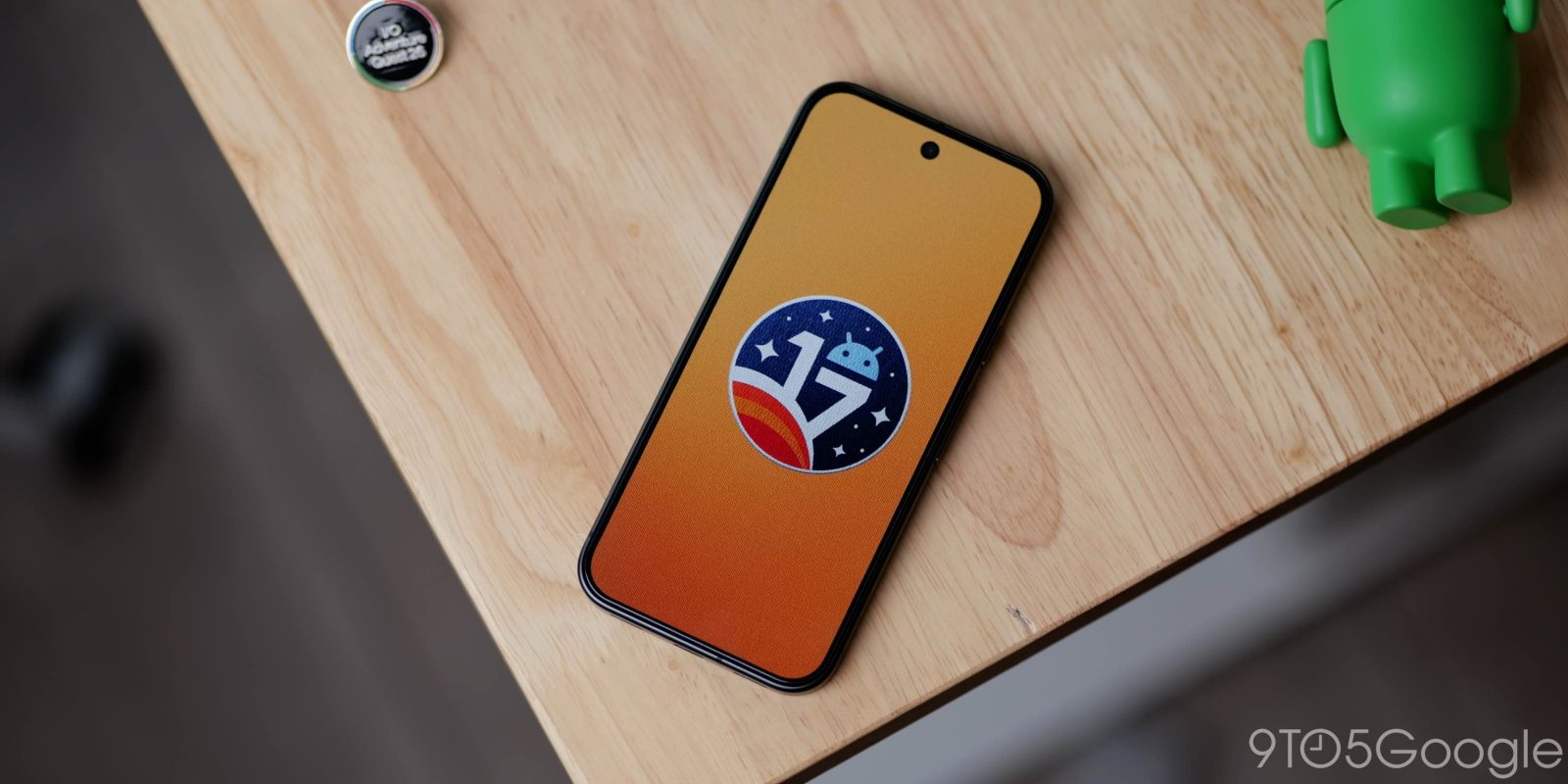
Android 17 QPR2 Beta 5 now available for Pixel devices, with this release nearly three weeks since the last update.
Expand Expanding Close
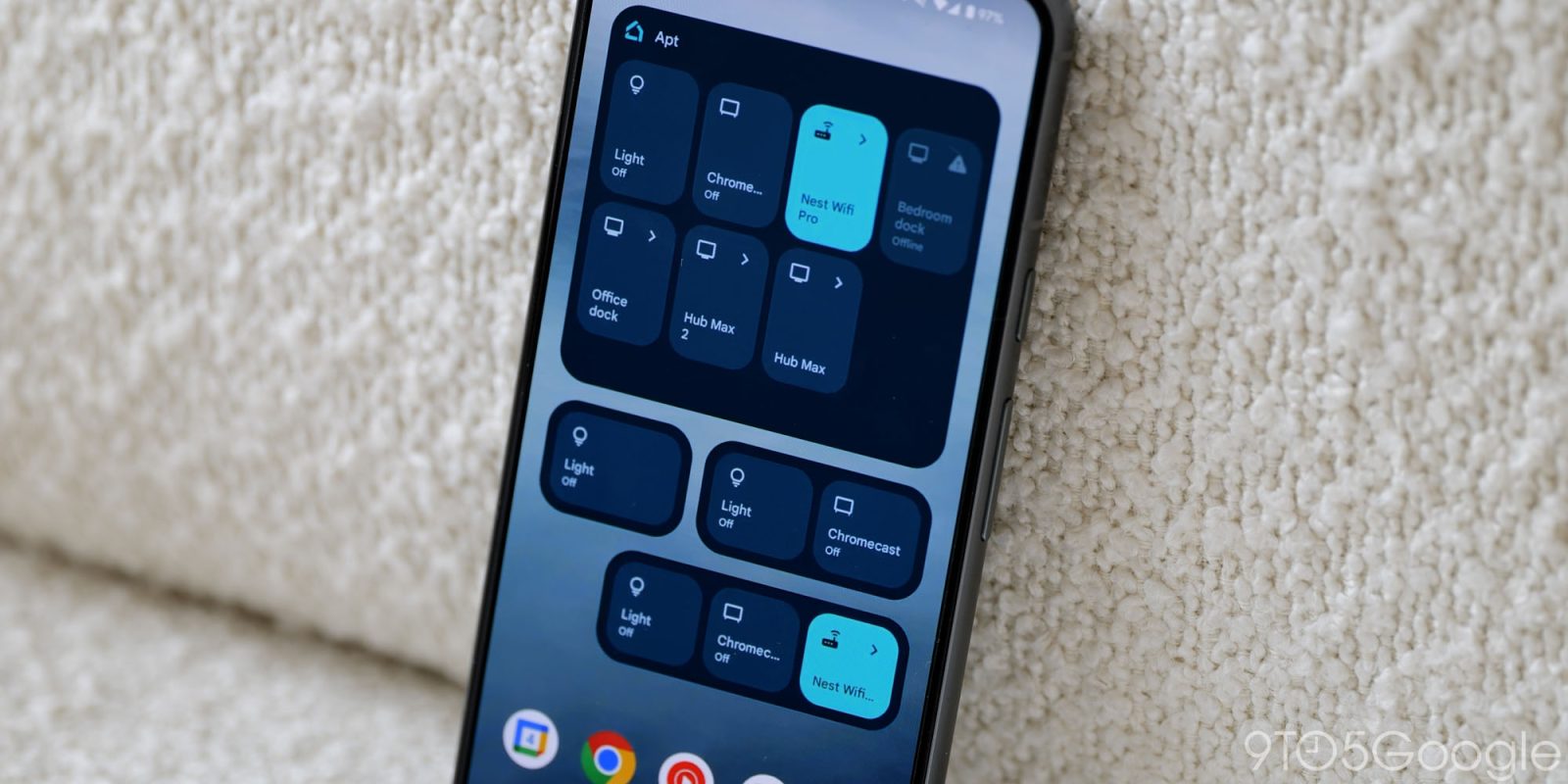
Besides Home MCP, Google today is also rolling out Home app (especially for the homescreen widget) and Gemini for Home voice assistant updates.
Expand Expanding Close
Google today is rolling out Android Canary 2609 with another update to Quick Settings that lets you require an unlock before making changes.
Expand Expanding Close
Google today announced “Home MCP” to let your personal AI agent interact with your smart home devices via the Model Context Protocol.
Expand Expanding Close
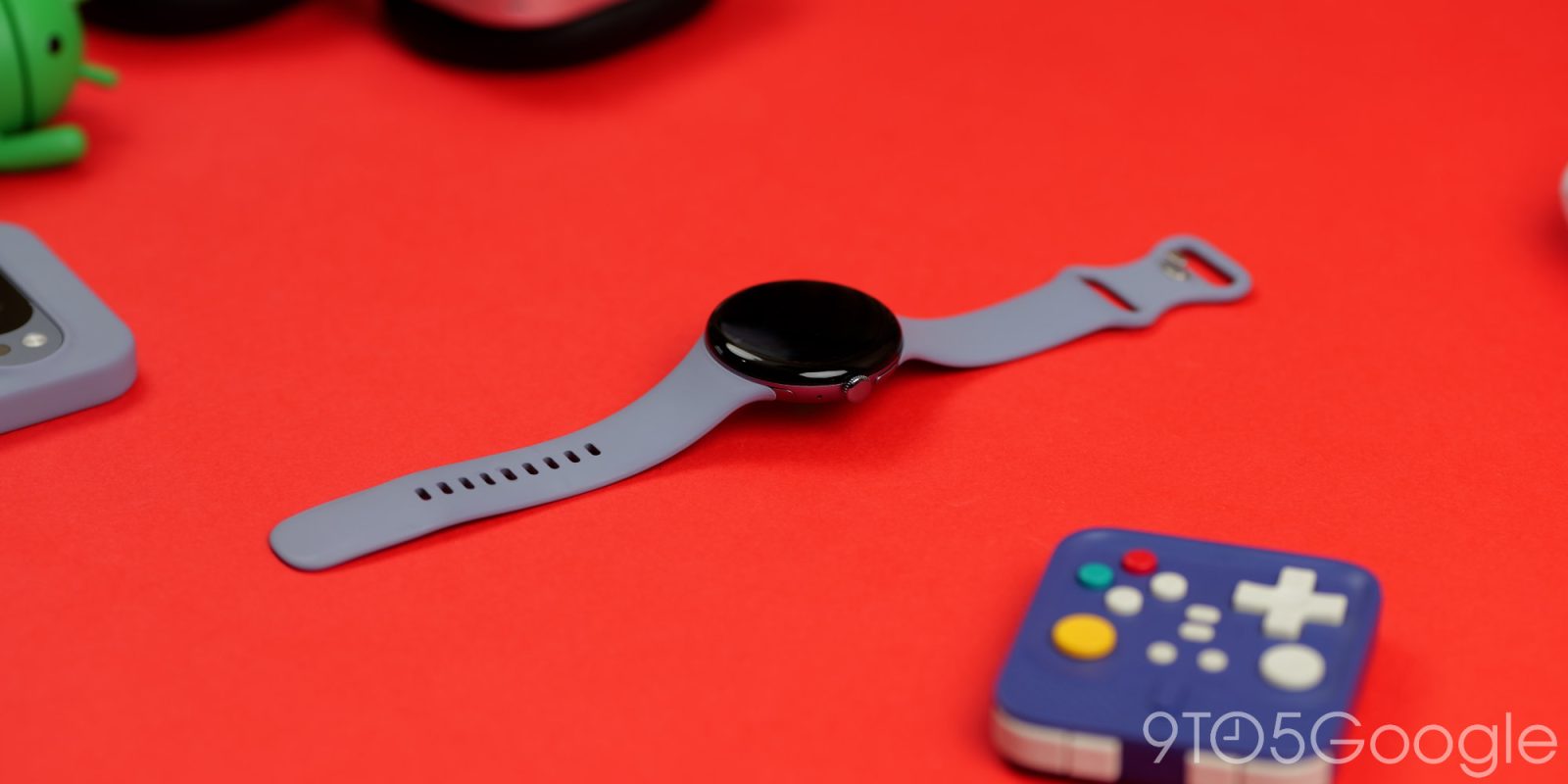
As part of the September 2026 Feature Drop, Google today is rolling out a Wear OS update to the Pixel Watch 2, 3, and 4.
Expand Expanding Close
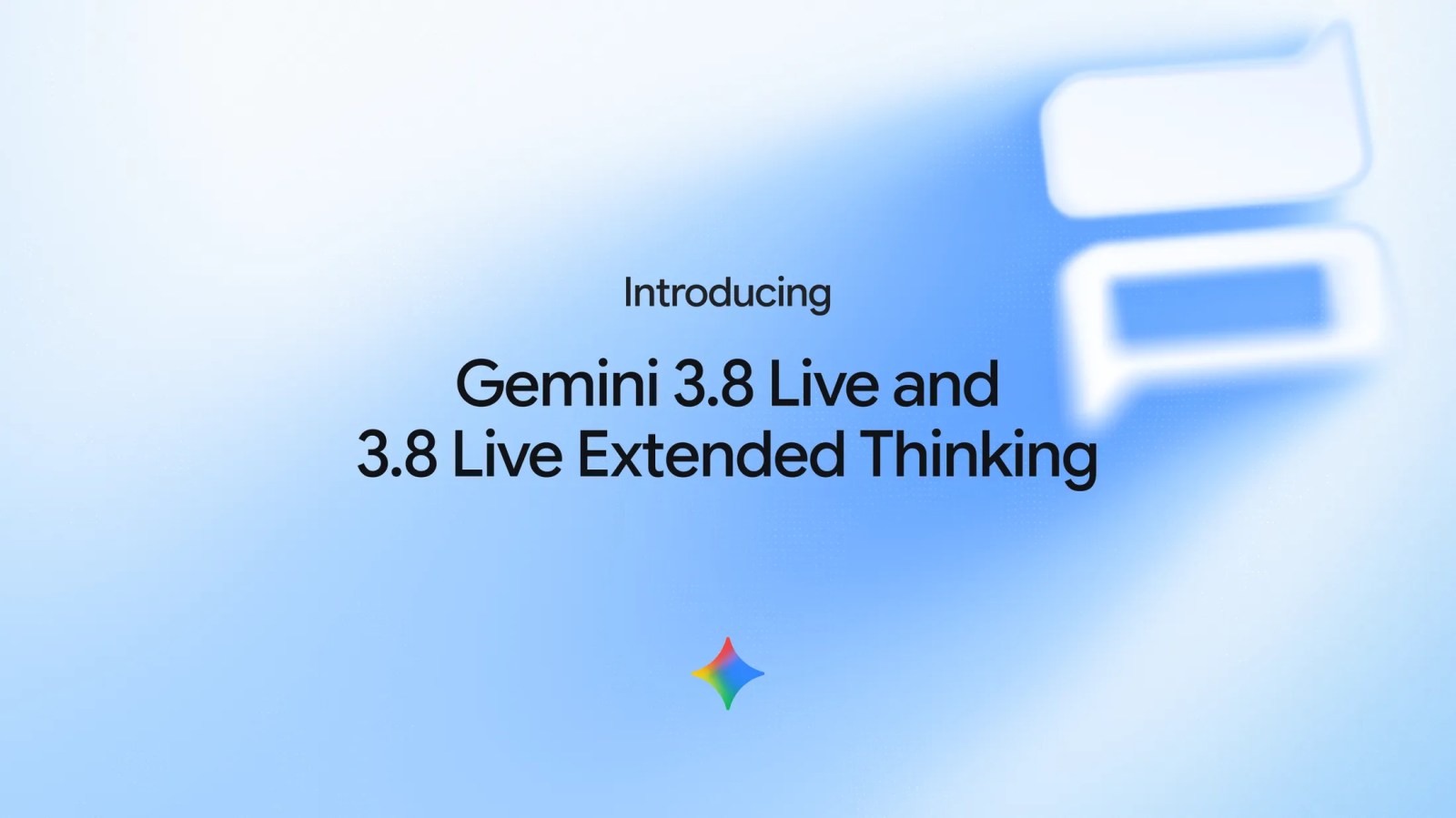
Google today announced Gemini 3.8 Live and Gemini 3.8 Live Extended Thinking as its “most advanced live dialogue models yet.”
Expand Expanding Close
The Android 17 QPR1 update with the September 2026 security patch is rolling out today for the Pixel 6, 6 Pro, 6a, 7, 7 Pro, 7a, Tablet, Fold, 8, 8 Pro, 8a, 9, 9 Pro, 9 Pro XL, 9 Pro Fold, 9a, 10, 10 Pro, 10 Pro XL, 10a, 11, 11 Pro, 11 Pro XL, and 11 Pro Fold.
There are Pixel fixes across Apps, Bluetooth, Camera, Display & Graphics, Framework, System, Telephony, and User Interface.
Expand Expanding Close
Google today is rolling out the September 2026 Pixel Drop. This is a smaller update, with Android 17 QPR1 bringing the bulk of new features and changes. That said, recent weeks have seen updates for Pixel Journal, Now Playing, Recorder, Screenshots, and Weather.
Expand Expanding Close