
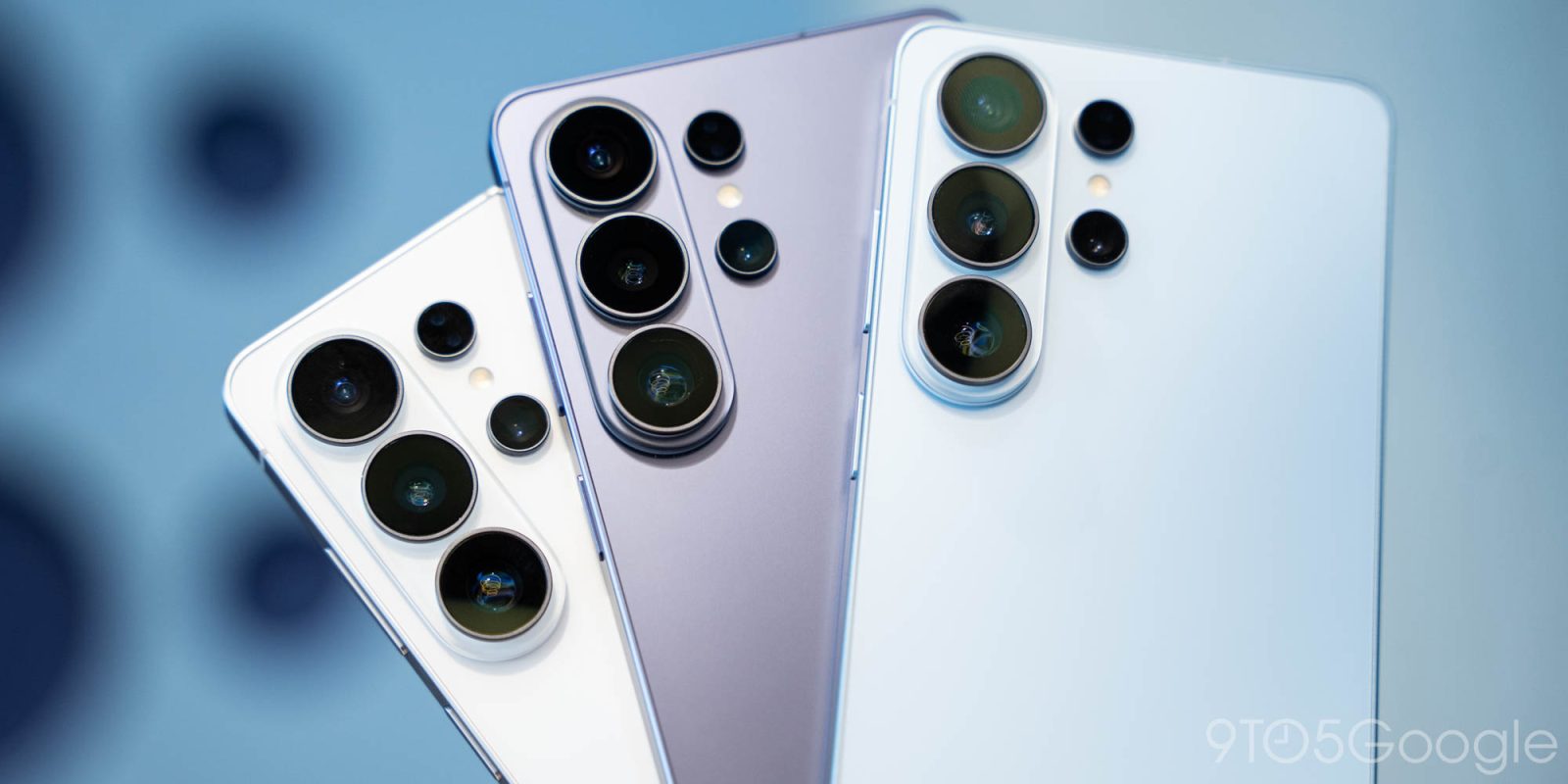
Whether it’s because of increased chip costs, inflation, or a combination of both, Samsung is putting users in a tough spot. The Galaxy S26 series is filled with technically excellent devices, but the only one worth buying might be the one that costs $1,299.
There’s no justification for devices costing as much as they do, but Samsung has done well up until this point, holding out on needless price increases as prices get more volatile. The previous series, the Galaxy S25 lineup, stuck to the same price as the iteration before it, and so on for years.
That consistent pricing followed Samsung’s shift into high-end devices with the Galaxy S21, S21+, and S21 Ultra. Samsung’s most affordable model of the three started at $799, and it’s stuck to the same starting cost for each base model after it.
That is, until the Galaxy S26.
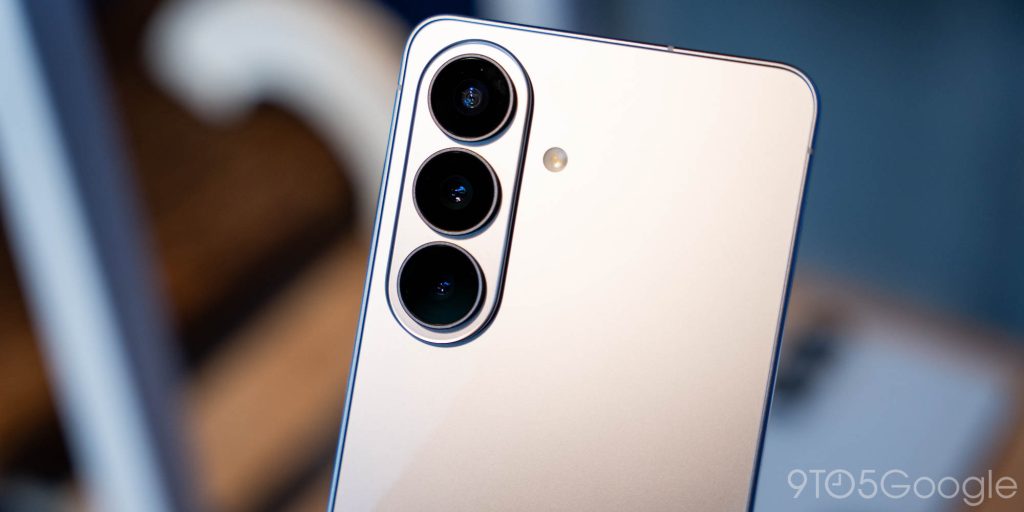
What changed for the Galaxy S26/S26+
As you’re likely aware if you’re buying or upgrading, Samsung’s Galaxy S26 and S26+ increased in price by $100 when you consider the entrance fee. One could argue that it’s simply because the company chose to omit the 128GB model for each, so the “base” variant is now more expensive due to larger components. In reality, the Galaxy S26 256GB model is $40 more than the Galaxy S25 256GB model.
The larger Galaxy S26+, however, is a full $100 more than its equivalent model from last year’s release.
So what do users get for that price increase? Keep in mind, upgrades are part of the game, and Samsung has decided to bump the price after 5 years of upgrades at a steady cost for users.
For one, the Galaxy S26 gets a bigger battery and a slightly larger display. The S26 gets a 4,300mAh battery while its larger sibling gets no increase, sticking to 4,900mAh. That’s still not bad, but not an increase in performance that balances the cost shift. For both, the processor is a key improvement. Qualcomm’s Galaxy-specific Snapdragon 8 Gen 5 Elite is on board with the same 12GB of RAM.
Galaxy S26 Ultra gets the best of both worlds
Not only did those planning to buy the Galaxy S26 Ultra avoid a price bump, but it’s the only one that actually feels like a true upgrade over the previous model. Along with the Snapdragon 8 Gen 5 Elite SoC, the flagship phone gets a new “Privacy Display” that looks ridiculously cool.
I wasn’t one to opt for a narrow-view screen protector, since its content-agnostic approach seems like a downgrade over the phone’s display. But Samsung’s in-display method allows the device to hide specific content from prying eyes, depending on the user’s preference. With that, it’s also completely optional.
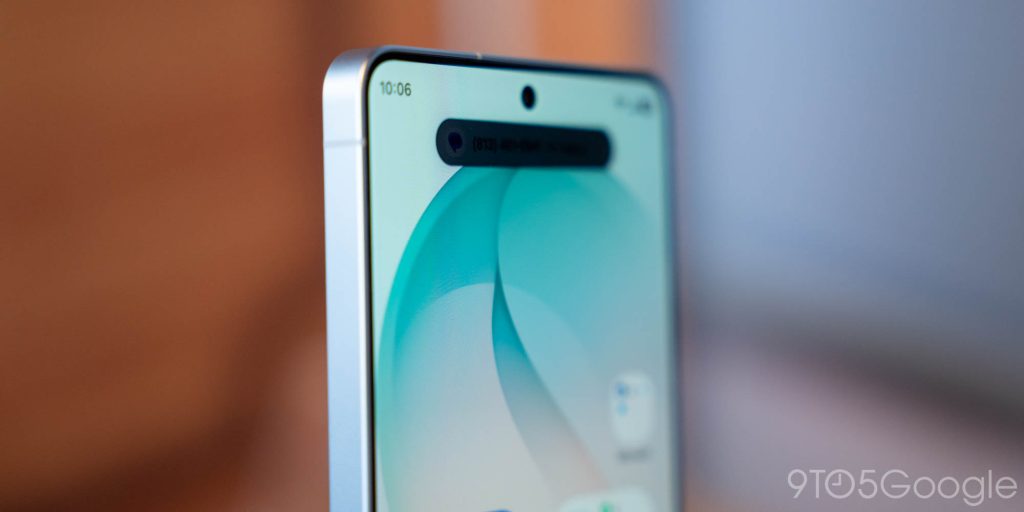
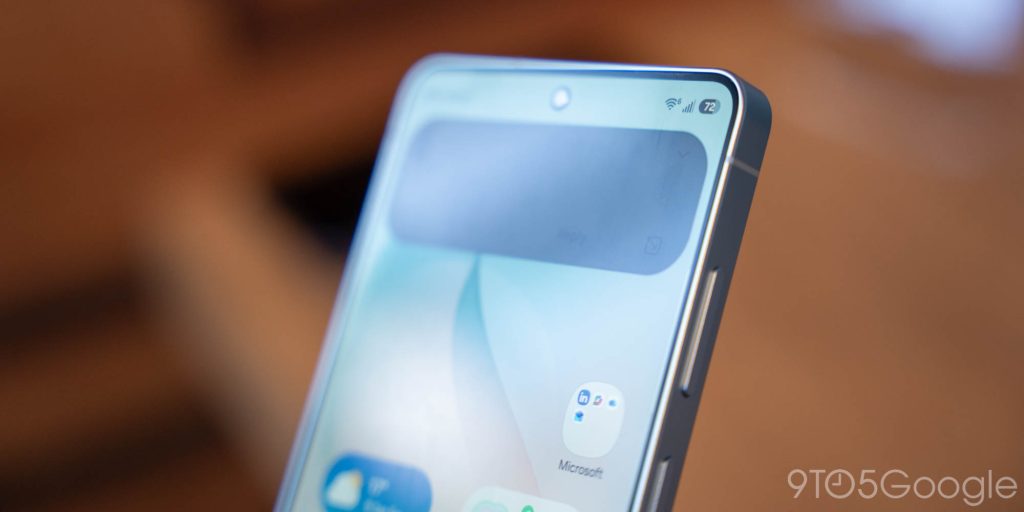
One interesting thing to note is that early hands-on suggests the Galaxy S26 Ultra’s Gorilla Armor 2 is slightly different on this model because of the display’s new behavior. It appears to be less anti-reflective than the Galaxy S25 Ultra, which was praised for exactly that feature. Samsung is still calling it anti-reflective, but time will tell if it lives up to its predecessor.
I suppose it’s a trade-off, though; both would be nice to have.
Samsung also made some changes to how the cameras work. The 200MP main and 50MP 5x telephoto lenses get larger apertures to let in more light in dark scenes. In addition to its faster AI processing, Samsung is betting big on low-light photography. Other than those two changes to aperture, not much else has evolved.
We’re also seeing a series of devices where the only one to get physical size improvements is the larger model. It sticks to a 6.9-inch display with a similar panel. The overall profile has shrunk, with a new thickness of 7.9mm and a rounder silhouette. That brings it closer to the other models in terms of design, though it still stands out in sheer size.
With those apparent changes, the Galaxy S26 Ultra did not change price. It still comes in at $1,299 – certainly not cheap, but approachable considering the upgrade is more historically consistent in value.
Which one should you buy?
It’s both tricky and it isn’t, especially if you’re upgrading. The Galaxy S26 Ultra offers the best suite of features, hardware, and relative price. As for the Galaxy S26, those price increases warrant changes bigger than a slight battery and display bump.
The Galaxy S26+ almost feels out of the question, and not worth buying this year. If you want the larger display, go with the Ultra. Samsung clearly rushed the model, with reports suggesting the Galaxy S26 Edge was originally supposed to be sandwiched between the S26 and S26 Ultra. It wasn’t, and now the S26+ suffers because it didn’t get the attention it needed.
On top of all of that, Samsung is giving the best trade-in values for the Galaxy S26 Ultra. Trading in an S25 Ultra or Fold 7 will get you $900 back, which is similar to what we saw last year. Non-Samsung devices don’t get the same love.
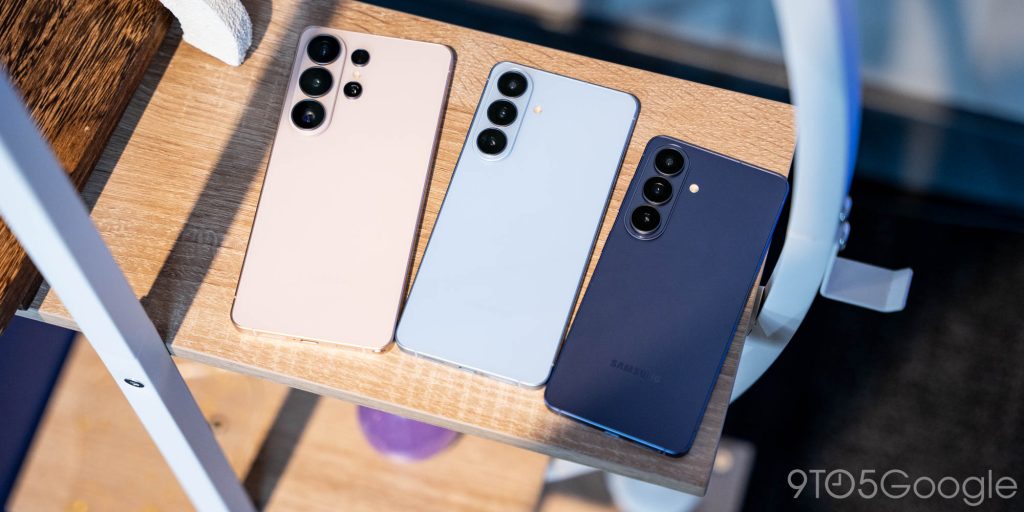
I hope Samsung’s releases don’t look like this next year. The Galaxy S26 and S26+ should make a much better argument for users, but they’re comparatively silent this year. We need options that don’t cost $1,299, and before the RAM crisis broke, the final straw for Samsung, we generally had that.
If you’re upgrading, buying the Galaxy S26 Ultra makes sense. It’s almost identical to last year, with arguably better improvements for the Galaxy tier. If you’re buying outright, it may also be a good option because there’s no telling if the next flagship Ultra model will reel in a price increase with its debut.
As for the Galaxy S26, it’s a good second choice. It’s technically not much more expensive compared to the same storage model across generations. That really makes the S26+ look like a bad option in almost every way.
The Galaxy S26 series is currently available for pre-order. Samsung is offering up to $900 back in trade-in credit with additional discounts across the board.
Pre-order from Samsung:


FTC: We use income earning auto affiliate links. More.




Comments