
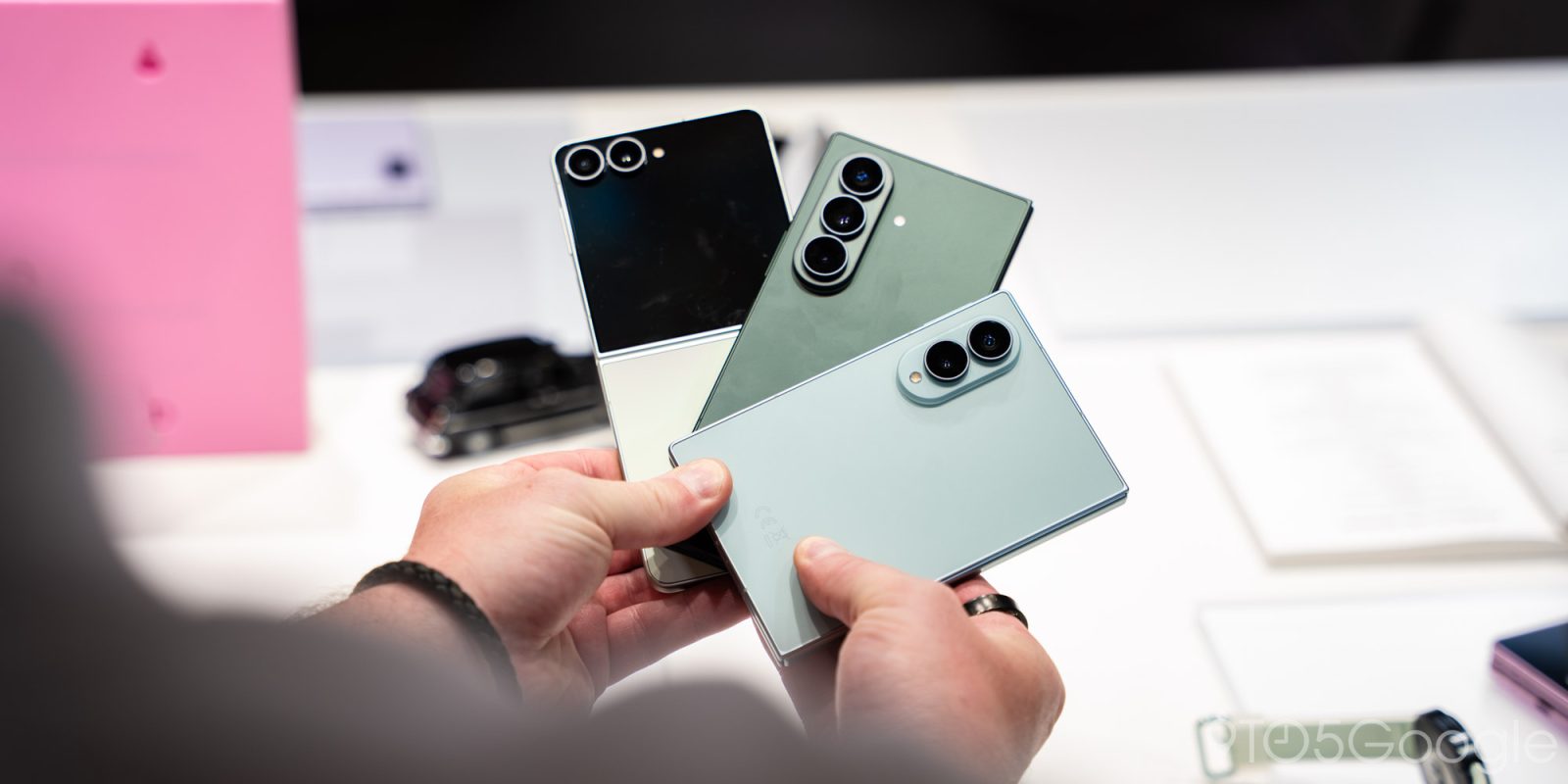
After months of rumors and leaks, Samsung finally unveiled its summer gadget lineup. While it’s tough to beat the overhaul that was last year’s Galaxy Z Fold 7, the company’s returning to the table with two book-style foldables: a familiar-looking Galaxy Z Fold 8 Ultra, and the short-and-stumpy Fold 8. It’s also back with two new smartwatches, plus a revised clamshell, though as you might expect, not everything has been upgraded across the board this year. Here’s what’s actually new across all five devices.
Galaxy Z Fold 8
If you’re after something that feels new and fresh, the Galaxy Z Fold 8 is the one you’re looking for. Despite the familiar name, this is that long-rumored Galaxy Z Fold ‘Wide’ that we’ve suspected Samsung’s been working on for ages now, and it looks pretty promising. While the experience at the core of this device is effectively unchanged — a smaller outer display that opens to a larger interior display — the wider aspect ratio means everything feels fresh here, even compared to last year’s overhauled Galaxy Z Fold 7.
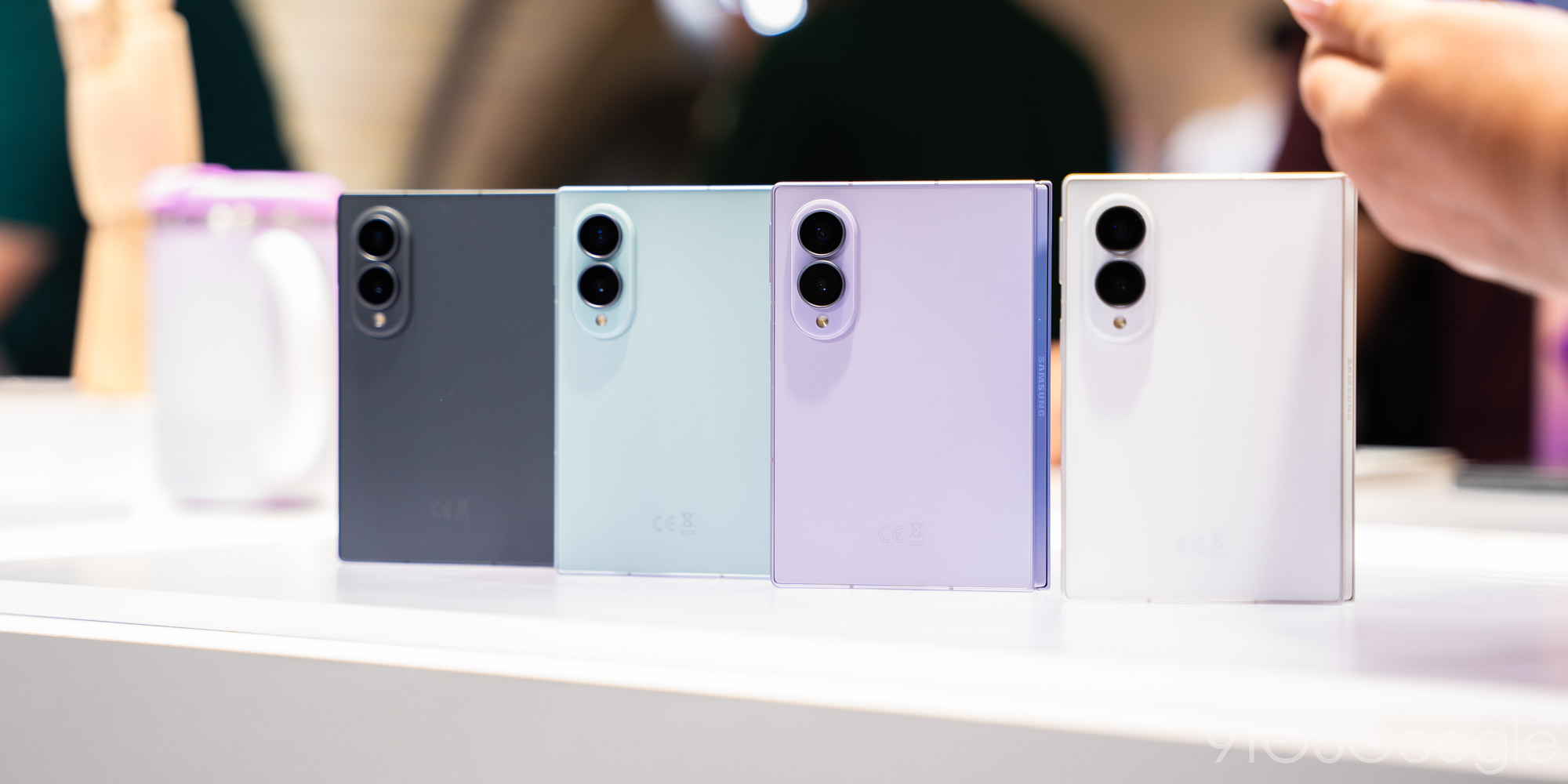
The Fold 8 is pairs a 5.5-inch 16:10 outer display with a 7.6-inch 4:3 interior panel, a big shift away from the taller 21:9 exterior panel on the Fold 7 and its partner 11.1:10 main screen. The result is a complete shift in this new model’s shape and size, measuring in as much shorter, wider, and just a little bit bulkier than the Fold 7. It’s also lighter, weighing in at just 201 grams — not too shabby for a foldable, all things considered.
Samsung is clearly positioning this device to be a little less premium than its other book-style foldable, something you can really tell from the camera lineup. The Galaxy Z Fold 8 includes just two 50MP sensors — main and ultrawide — with no true telephoto lens and support for just 10x digital zoom. At least its 4,800mAh (silicon carbon!) battery is larger than the one last seen in the Fold 7. Samsung’s also used this new model to finally bring some brighter pastel colors to folding phones, though between Graphite, Lavender, Cream, and an online-exclusive Pistachio, I wouldn’t say any of them are particularly groundbreaking.
While there’s technically no predecessor model to this one, the Fold 8 does come in $100 lower than the Fold 7, bringing the price back down to a more familiar $1,900 price tag. If you’re picking between Samsung foldables this year, though, it’s probably going to come down to the size and shape you prefer, and not a matter of $200 either way.
Galaxy Z Fold 8 Ultra
If you still prefer the look of Samsung’s legacy foldables, the company isn’t ready to leave you behind. The Galaxy Z Fold 8 Ultra might sport a new suffix for this series, but that’s one of the few new things you’ll actually find here — and, unfortunately, one of the other new things is the price tag.
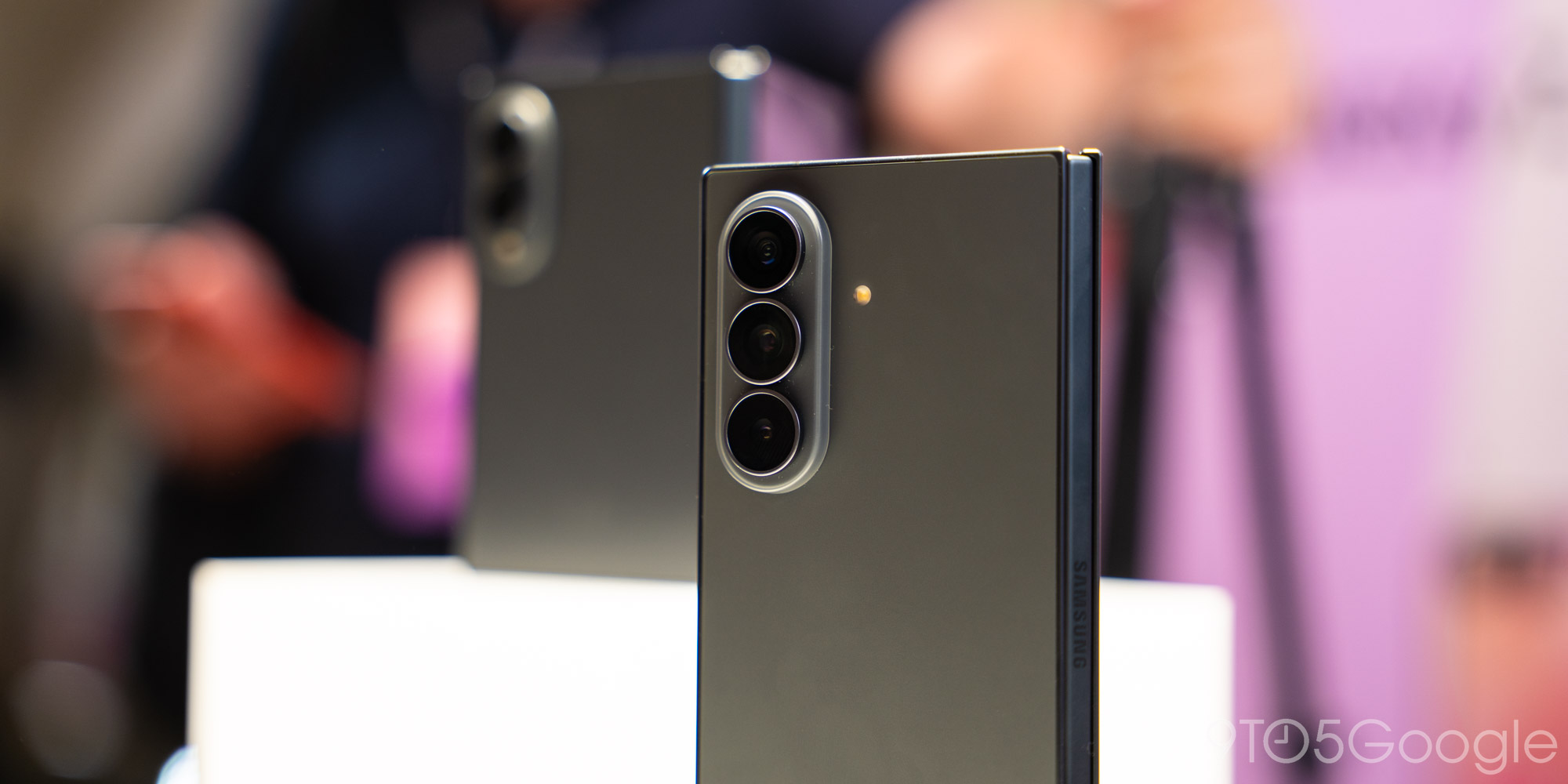
Compared to the Fold 7, the Galaxy Z Fold 8 Ultra’s main display is both sharper and brighter, while the chassis shaves off a fraction of a millimeter when the device is completely unfolded. The main camera sensor is mostly unchanged, but the ultrawide gets a boost up to 50MP from 12MP. Under the hood, battery life and charging both get a substantial boost, with the Fold 8 Ultra now packing a 5,000mAh silicon carbon battery paired with 45W fast charging. It’s great to see that 4,400mAh battery finally hit the bricks — Samsung fans have waited far too long for a bulkier battery in these foldables.
Unfortunately, that’s about it for substantial changes; basically everything else that’s new is either an expected change or a minor one. The Snapdragon 8 Elite Gen 5 is here — replacing its 8 Elite predecessor — alongside a jump up to Bluetooth 6.0. Samsung is rocking Android 17 and One UI 9 out of the box here, and it claims to be relying on a new folding display ‘Flex Titanium’ structure for a slimmer panel with a less visible crease.
And that brings us to the price. Despite relatively few changes and the same 12GB/256GB starting configuration, Samsung is raising prices on the Fold 8 Ultra for — effectively — the second generation in a row. You’ll need to pony up $2,100 to get your hands on the Fold 8 Ultra, but considering just how little is new here, I wouldn’t blame anyone for seeking out a discounted Fold 7 instead.
- Preorder Galaxy Z Fold 8 Ultra at Samsung.com
- Preorder Galaxy Z Fold 8 Ultra with $350 gift card on Amazon
Galaxy Z Flip 8
But hey, at least I had something to say about the Fold 8 Ultra. Unfortunately, I can’t say the same for the Galaxy Z Flip 8. Samsung’s latest — and, if you believe the rumor mill, potentially last — clamshell flip phone does feature a lighter, slimmer chassis than the Flip 7, dropping a little over half a millimeter when folded shut and ditching 8 grams of weight in the process. It’s also more reinforced than ever before, sporting improved Gorilla Glass and that same Flex Titanium structure seen on the Fold 8 Ultra. Oh, and after an Exynos-only generation, the Flip 8 makes the jump back to the Snapdragon 8 Elite Gen 5, for whatever that’s worth.
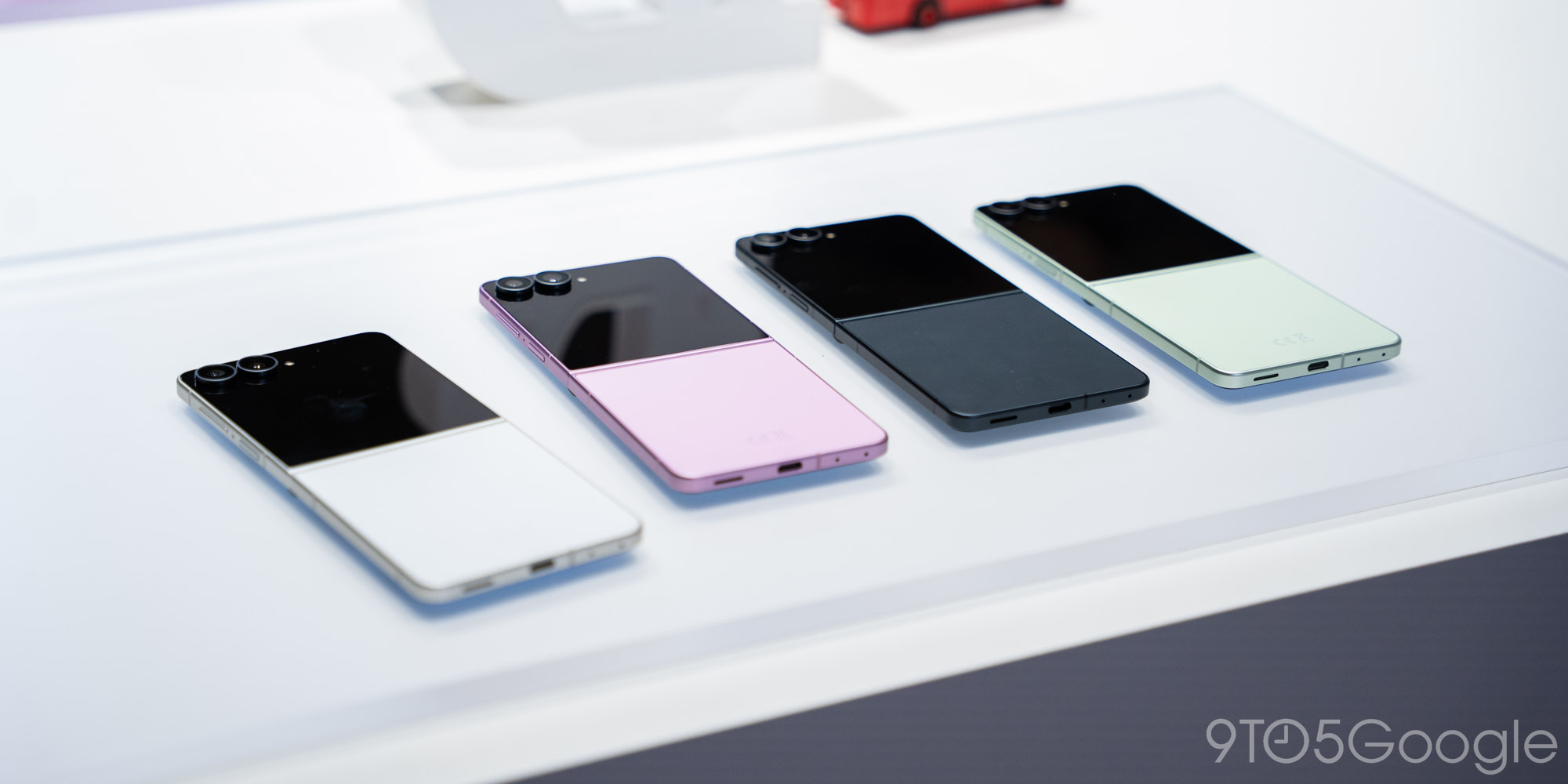
Otherwise, though, this is yet another crack at what’s become one of Samsung’s most uninteresting devices. Without much to show on either the hardware or the software side, it’s tricky to know who’s bound to get excited over this device — and that’s before accounting for the price hike up to $1,200. Let’s hope this isn’t the end of the road for the Flip series, because it feels like Samsung is leaving a lot on the table.
Galaxy Watch 9
Smartwatches tend to keep their core designs for significantly longer than smartphones — just look at the Apple Watch, which isn’t all too different from the original first-gen hardware from over a decade ago. Samsung rolled out a new look for the mainline Galaxy Watch series last year that appeared to be inspired by the Watch Ultra’s squircle shape, and unsurprisingly, that exact same (and ultimately divisive) look is here as well.
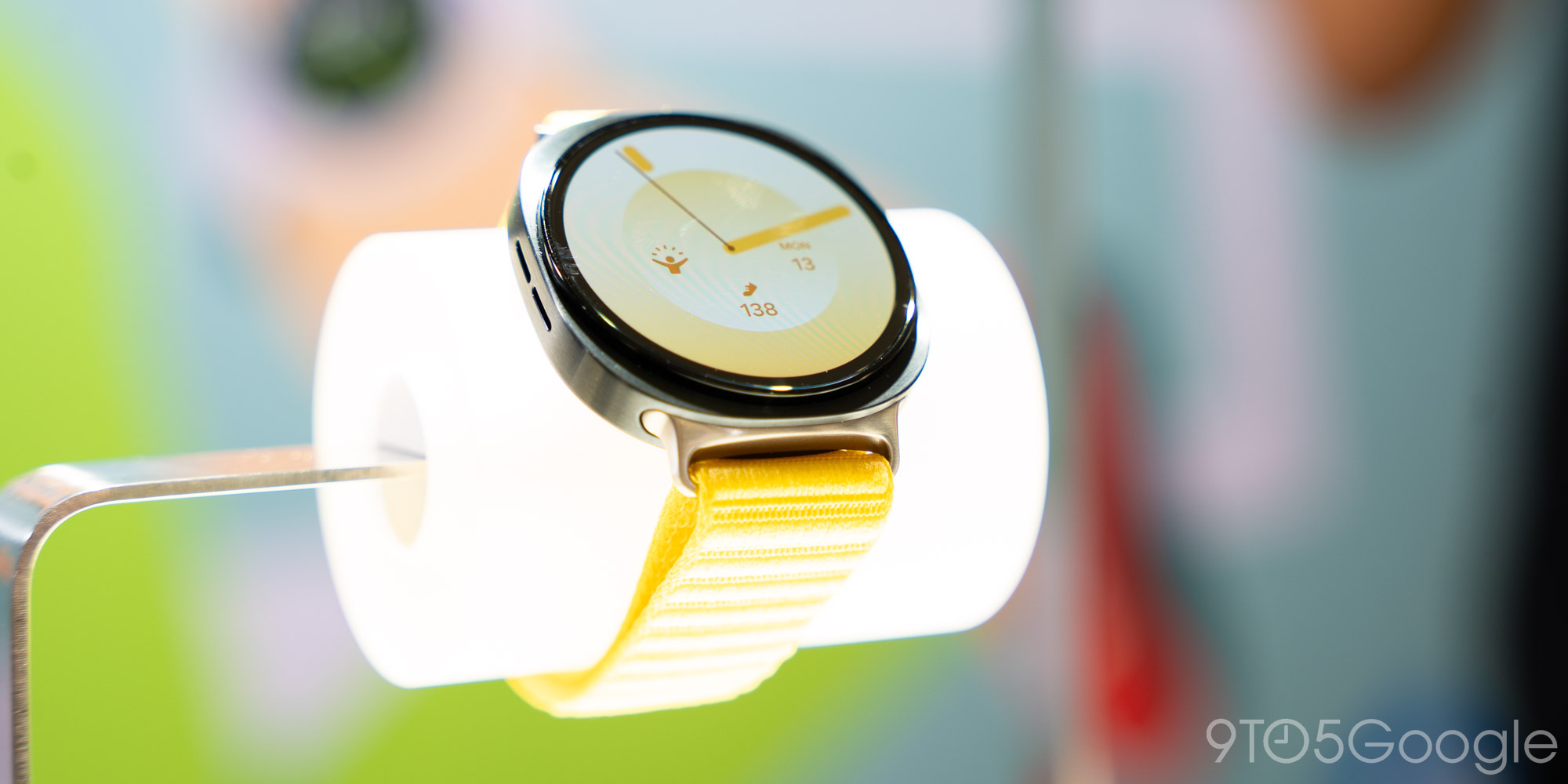
So what’s new for wearable fans this time around? A move to Qualcomm’s Snapdragon Wear Elite is the big one, though just how much a new processor will matter in daily use on a smartwatch remains to be seen. Otherwise, slightly larger batteries — a change that will likely only be felt on the smaller 40mm variant — and a new cream color that also remains exclusive to the 40mm size is about all that’s new for hardware, aside from a new trio of optional bands.
I’ve mostly stuck to hardware-level changes throughout this guide, because I don’t expect Samsung to keep most of the Fold 8 and Flip 8’s changes in One UI 9 exclusive to this launch. But considering wearables focus pretty specifically on health tracking, it’s worth highlighting some of the changes. None of the data gathered by Samsung Health is necessarily new, but your Galaxy Watch should deliver new ways of delivering that data. This includes Vitals, which combines a whole slate of measurements together to create a typical baseline for your body’s biometrics, a Daily Cardio Load (that’s also coming to Watch 7 and newer devices), and Hearing Health for monitoring ambient noise.
Pricing jumps up $30 for the Galaxy Watch 9 across the board, with the 40mm Bluetooth model now priced at $380, while the LTE model goes for $430.
Galaxy Watch Ultra 2
After all but skipping last year with a new colorway, Samsung has finally upgraded its massive-and-rugged Galaxy Watch Ultra 2 for a new generation. It’s sporting a 35% larger battery, but oddly enough, still the same claimed “up to 60 hours” mark with the AOD enabled. Perhaps that’s due to the move to Snapdragon Wear Elite, a jump this model also makes. The display is slightly larger — 1.52-inch compared to 1.5 — as well as brighter, with a peak rating set at 5,000 nits.
Samsung’s also made sure to focus on upping the ante on a couple of different sports — namely, diving and running. For divers, new water-resistance ratings mean your Watch Ultra 2 is ready to descend up to 40 meters, and it even supports auto-tracking for diving once you enter the water. For runners, a new Trail Run mode will track elements like elevation and terrain impact, while all runners can enjoy Nutrition Alerts to help replenish your energy and hydration after a run. That tool builds on the already-existing Sweat Loss utility.
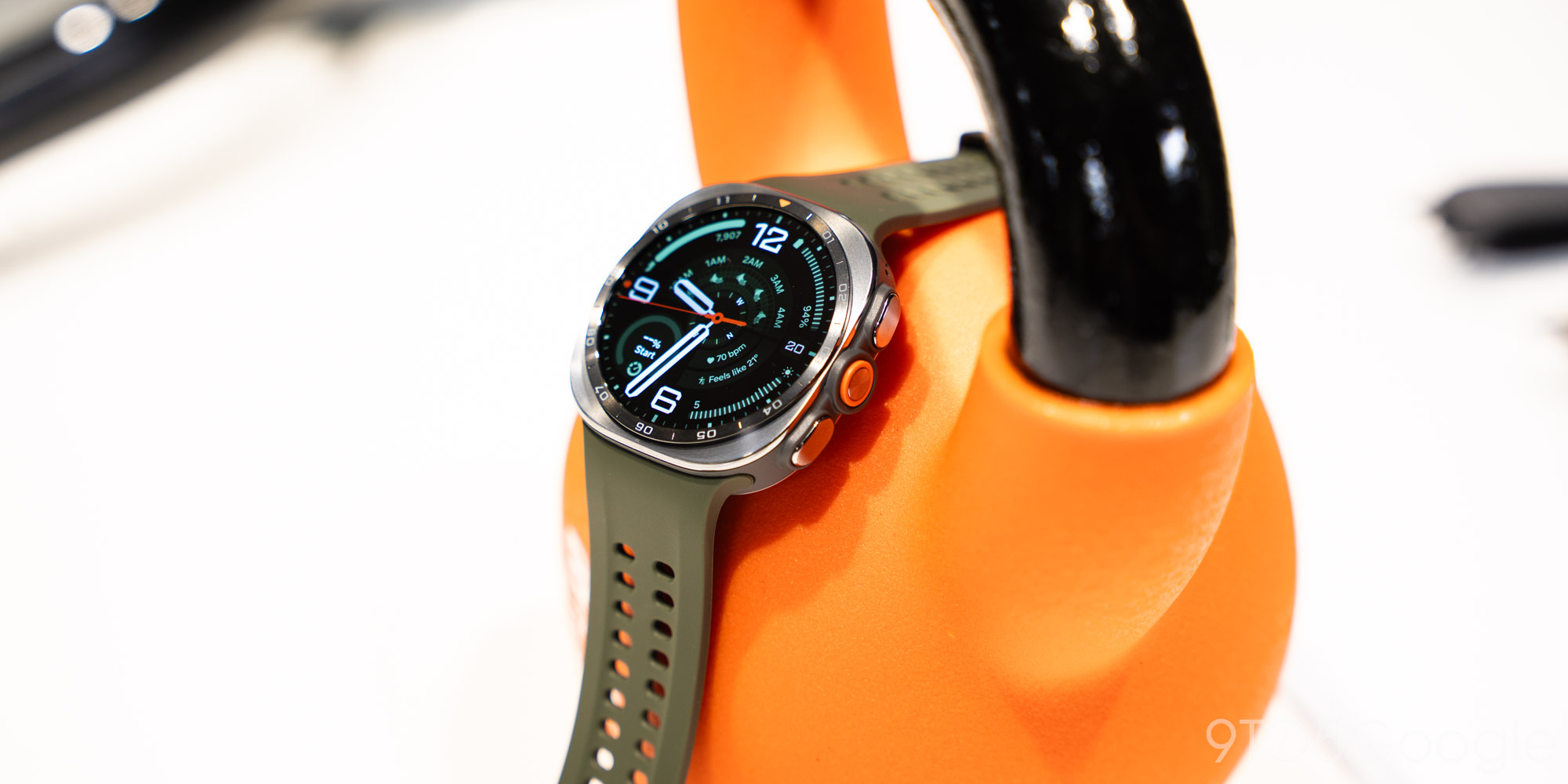
That said, there’s not much else to speak of here outside of the improved band collection and health metrics that are also coming to the Watch 9. That might disappoint some potential buyers, and it’s going to be even more expensive than the first-gen model. At $700, Samsung’s Galaxy Watch Ultra 2 is $50 more than its predecessor, and it comes in even fewer colors. Let’s just hope you like silver or gray.
Preorders for all of Samsung’s new gear are now open ahead of their August 7th launch.


FTC: We use income earning auto affiliate links. More.


Comments