
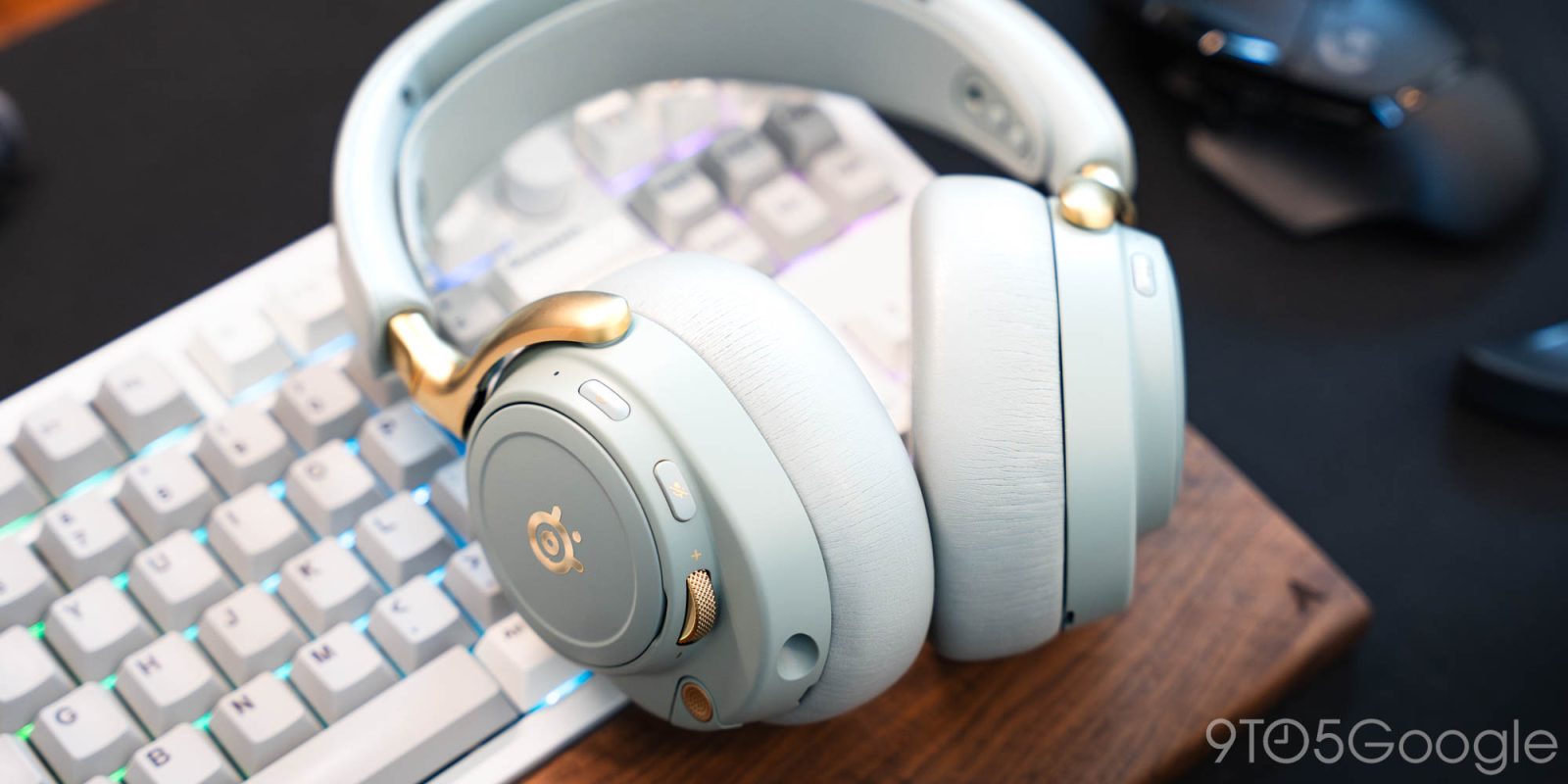
SteelSeries positions the new Arctis Nova Elite headphones as a premium high-res option for gamers, but in reality, it might be a premium option for all users. These headphones have some neat tricks up their sleeve that make them one of the best choices, no matter where you are.
Let’s get it out of the way.
The Arctis Nova Elite headphones, whether you choose the Sage Gold or Black variant, cost $599. That’s correct – $150 more than the Sony WH-1000XM6 headphones and the Bose QuietComfort Ultra.
SteelSeries set itself up to be compared with some of the most expensive headphones on the market, even though I’ve only mentioned options that don’t cater to gaming, per se. If we were to do that, we’d have to look at something like the Astro A50 X, but those are still a solid $200 cheaper than SteelSeries’ Arctis Nova Elites.
So where is that massive price tag coming from? It’s a combination of things. Corners that were intentionally left uncut to bring something genuinely special to the market, albeit pricey.
Built to last
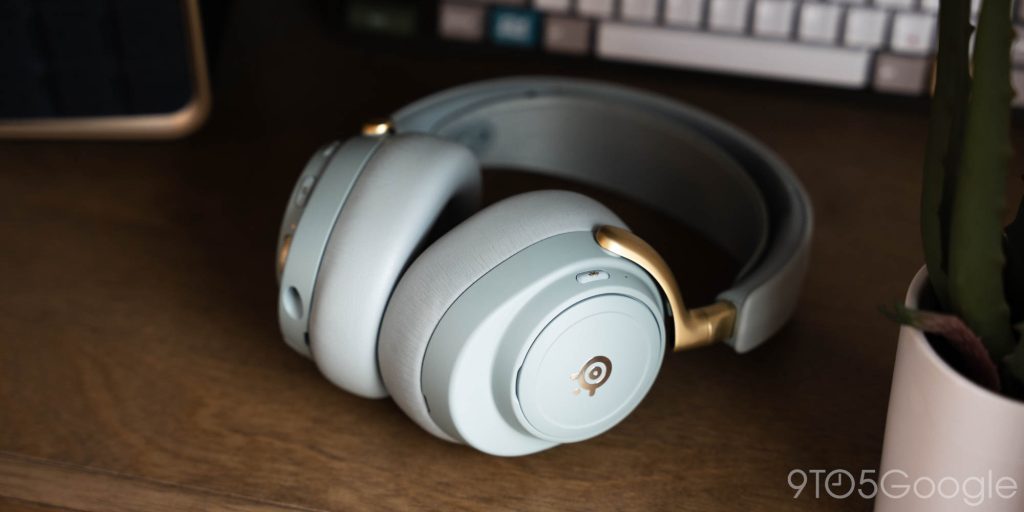
Both colorways look rather good, though I’ve grown fond of the Sage and Gold look my Artcis Nova Elites came in. They’re absolutely solid, unlike the Astro A50X or other gaming headphones I’ve used over the years. They’re built with plenty of heft at 380g, though the soft headband does plenty to keep that weight from feeling like too much. It’s on the heavier side, but my experience with these tells me it never felt cumbersome. In fact, this is one of the most comfortable pairs of gaming headphones I’ve worn.
The band is adjustable, with two official size settings for small and larger heads. If you want, you can loosen it a step further, but that means one less secure lug on the end of the band. In all, they’re plenty comfortable, even if a little tight. It’s mostly helped by the cushion material SteelSeries uses. They’re made from very soft vegan leather, and they’ve held up very well over the couple of months I’ve been torturing them for. If at all they do wear out, they’re replaceable.
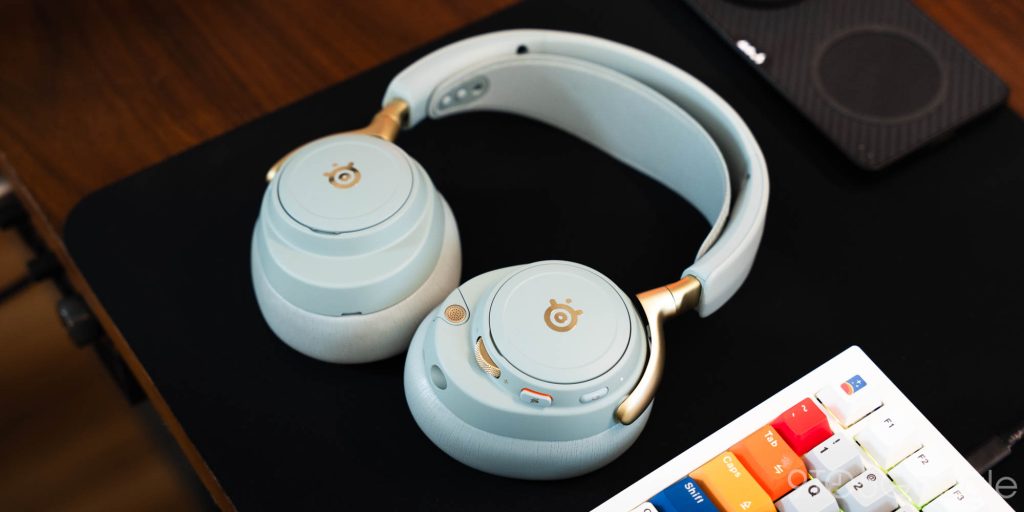
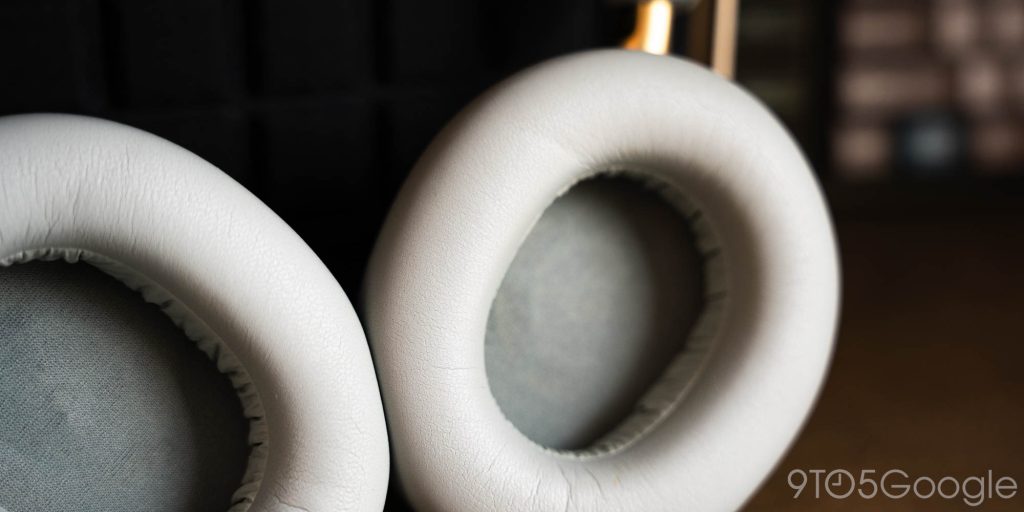
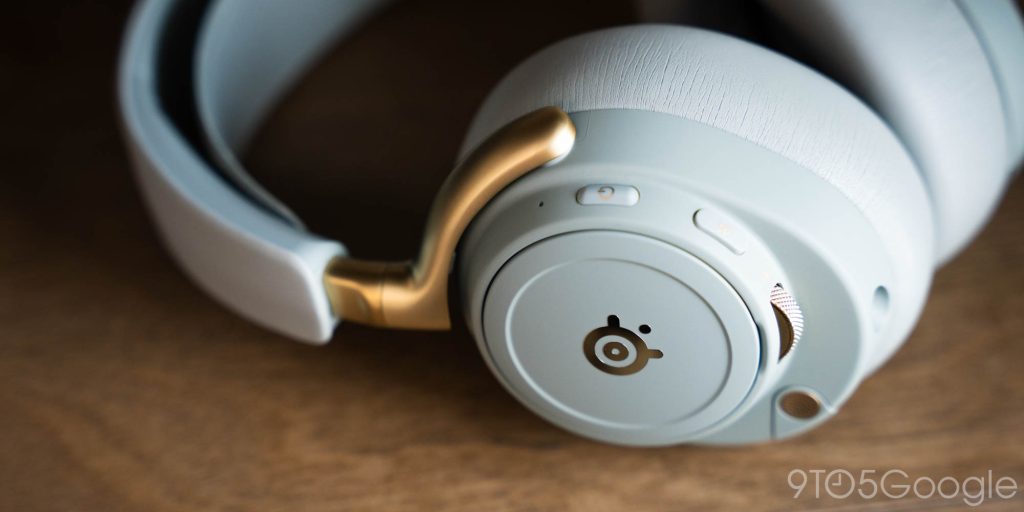
The band is supported by metal arms that shine gold, if you go the colorful route. They adjust with plenty of space, and they hold position well. The earcups can articulate 90 degrees for storage. The overall quality feel can’t be emphasized enough. From the arms that connect the drivers to the band, to the cushions, buttons, and band itself. It feels like a pair of headphones that are going to hold up for quite a while.
That brings us to one of the first “tricks” the Arctis Nova Elites bring to the table. On the outside of each earcup sits a magnetic cover. The right side hides a USB-C port for easy charging. I have never needed to use it. Not once.
That’s because the other earcup houses a replaceable battery, and SteelSeries includes not one but two batteries with each pair of headphones. This is one of the best design choices I think the company could have made, not only for longevity and product repairability, but for everyday use.
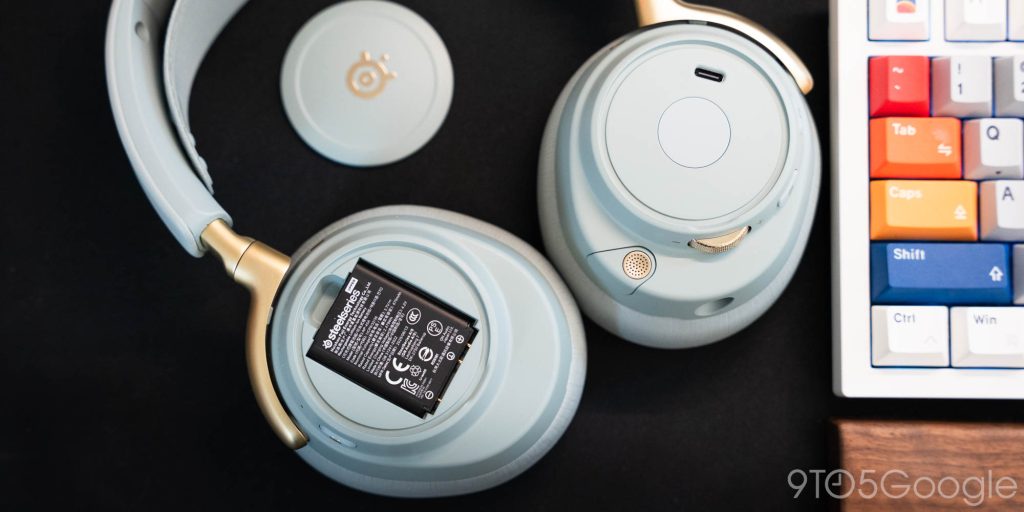
When you’re in the middle of a longer gaming session and see your battery level low on the audio hub, you can pop in the other battery and let the hub charge it before it’s too late. As soon as you’re ready tos switch them out, it takes literal seconds to pop the cover off the left ear and switch batteries. The headphones automatically boot back up and connect without missing a beat.
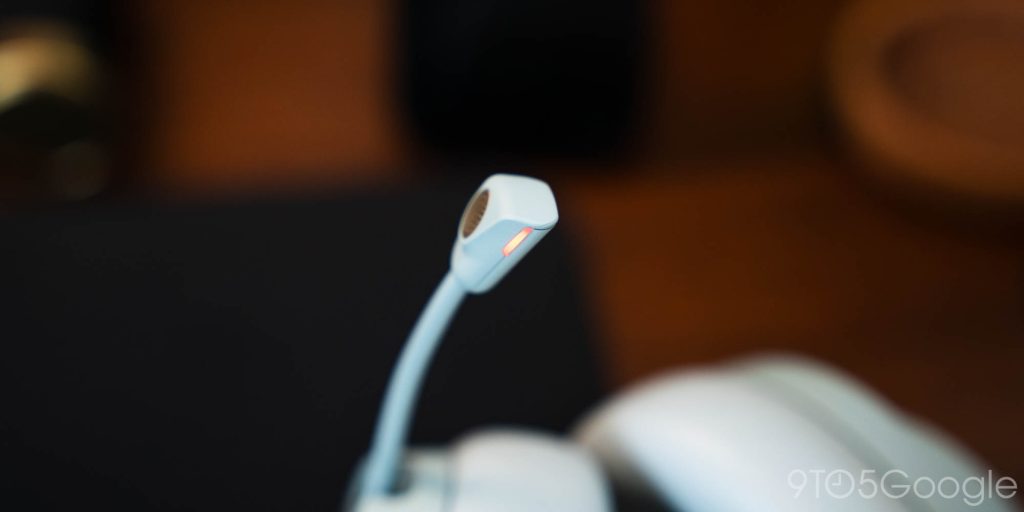
Beyond that, the other cool design choice is in how SteelSeries designed the microphone. It uncoils and operates as a gaming mic when you need it to, but if you choose to use your headphones on commutes or away from your console or PC, the mic will still operate if it’s in its housed position. In that state, it essentially operates like any other non-gaming headphone mic.
There are easy volume controls right under it, and a physical mute/unmute button that can not go unappreciated. Not only do you know when the mic is muted by feeling the two-state button, but the mic also glows red for secondary reassurance.
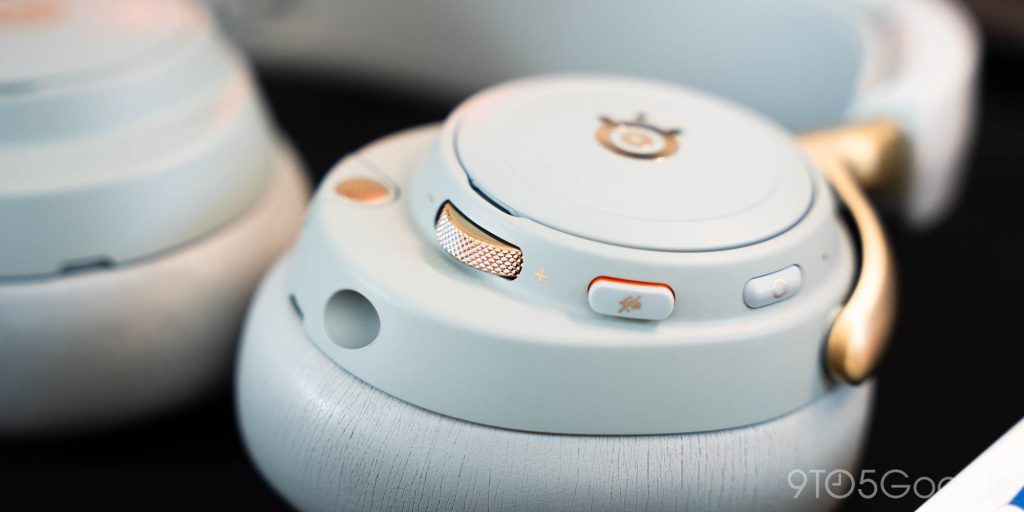
On top of all of that, a 3.5mm jack is included. I’ve had to make use of it during podcasts when my in-ear monitors were bothering me, and they work very well, directly powered.
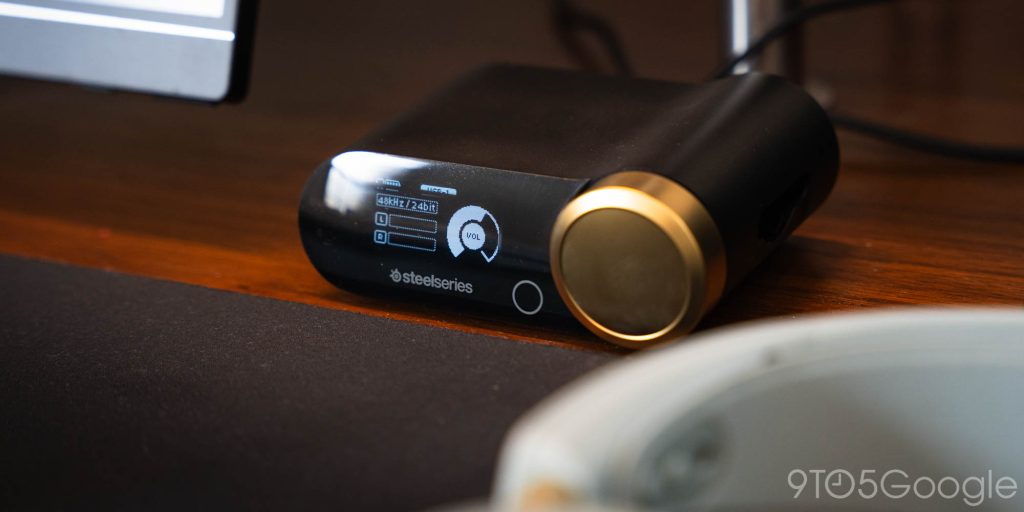
The included hub works well, too. It has three inputs for Xbox, PlayStation, or PC. A massive volume wheel graces the front, and a small display gives important volume and mix info at a glance. It isn’t a big piece of hardware, and it takes up little space. Still, it offers interference-free audio, being so close to where you’re sitting.
Sound quality and performance
Beyond build, headphones get expensive when you pack audiophile-centric qualities into each ear. SteelSeries’ Arctis Nova Elite headphones are rated for wireless high-res using the 2.4GHz gaming dock and over Bluetooth’s LC3 and LC3+ codecs. Audiophiles are naturally skeptical of wireless high-res audio, and I generally am too. To be fair, these transmit up to 96KHz/24-bit audio.
As far as quality goes, these headphones do a very good job of recreating sound. Everything sounds natural in its place, from detailed mids and highs to deep low frequencies that don’t overpower the remaining curve. They can feel a little sterile at times with no tuning using Bluetooth, but the mobile Android and iOS app allows for fine-tuning. Of course, this is all subject to my ears.
That’s what makes them good for any listening, in my opinion. Where most gaming headphones cater to thick mids and lows, these have the flexibility to offer a sound profile for both gaming and casual listening. Will they be the go-to headphone for audiophiles? Probably not, but they become a versatile option beyond one use case.
I used these predominantly on PC and Android. I tried using all of the bell and whistle features, but had some woes using SteelSeries’ GG program. There’s a tool called “Sonar” that lets you tune every program’s volume so that it operates flawlessly on your computer. Pressing in the volume wheel also allows for chat mix control, balancing game audio and voice audio so everything is clear. That’s the ideal situation.
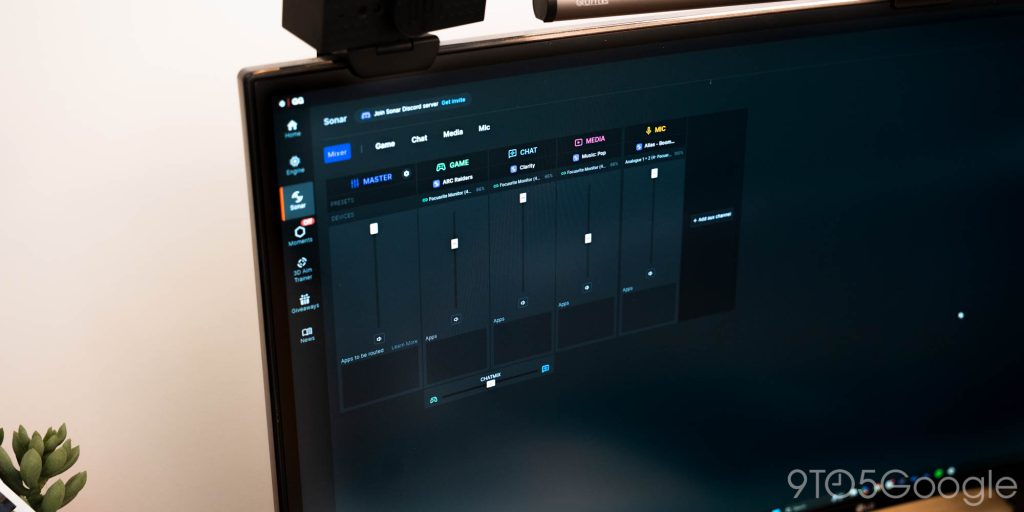
I found it didn’t play too well with certain programs, and it was more of a headache than an aid for managing volume between apps, whether input or output. It also tends to mess with Windows volume control, creating multiple virtual devices that clog up the menu if you use it to manage outputs.
In the end, I chose one neutral sound curve for the headphones and left it at that. Program volume can be managed the old-fashioned way in Windows’ sound output menu, and mic levels can be adjusted on the fly in Discord or whatever app is needed.
The only thing I miss out on is the chat mix feature, but again, that can be solved with a few extra seconds of work. The only blight I can’t seem to adjust is how the Arctis Nova Elite’s hub takes over volume control. You can’t adjust the output from Windows on a PC. Instead, you need to use the volume wheels on the hub or headphones. It’s a strange system.
Overall, they sound great. ANC can be a little heavy for me when it’s active, but the cushions work well enough to organically block out sound. Sound stage is also exceptional, which is big for what these were intended to be used with – gaming. Directional audio is on point, and these make a case for wireless headphones over wired in terms of quality.
The app’s basic features give you everything you need, like a mic and audio settings. Changing the curve does what you need it to, but the important thing is that barely any adjustments are needed. They sound good out of the box, and they offer headroom for high-quality files and audio.
As far as battery life goes, these don’t present a problem for the user because of the extra battery. They aren’t the longest-lasting cells in the world, offering around 20 or so hours. When you factor in a live mic and ANC, it can dip even lower. Still, charging over USB-C with a cable dangling from my head is much less preferred than swapping a battery in a few seconds. Even for travel or work, having that battery on hand can get these up to over 30 hours.
Final thoughts and pricing
No matter how many features the Arctis Nova Elites from SteelSeries come with, the $600 price tag still looms heavily. Do they make compromises in audio or build quality for the price? No, not really. Do they sound worthy of the price tag? Admittedly, yes.
I think the biggest hurdle is believing that headphones marketed for gaming can get as high as $600, when the consoles they’re built to work with hover around the same price. That being said, these work very well as daily headphones and gaming headphones. They might cater to gaming, but the subset of features needed to function as high-end commuter headphones is baked in.
It’s hard to recommend headphones at this price point, but if you’re willing to spend the cash for something that can’t really be faulted for any one thing, they are the option.


FTC: We use income earning auto affiliate links. More.




Comments