
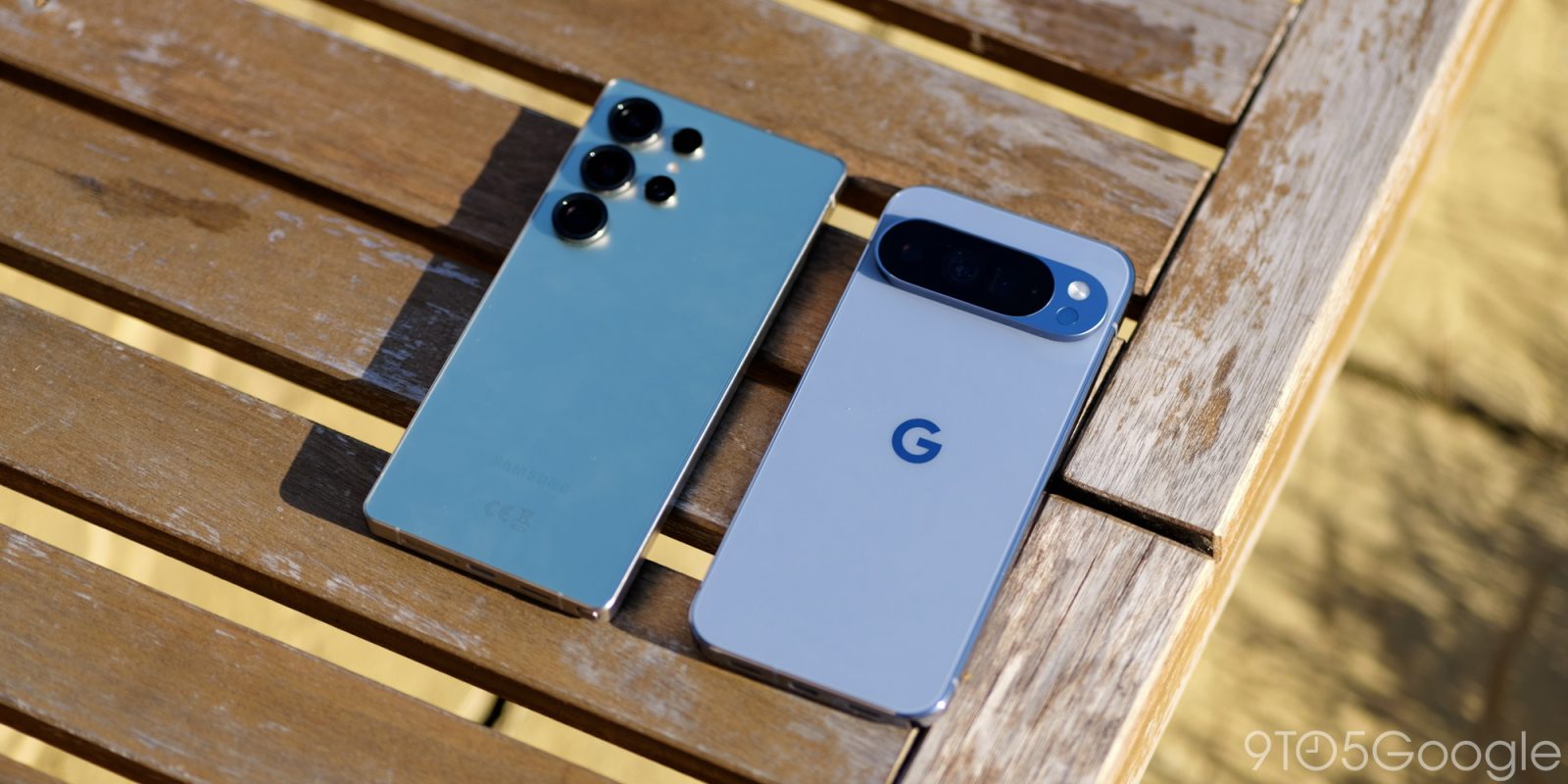
If you’re a regular 9to5Google reader, you probably already know the turbulence happening inside the consumer electronics space. We’re all collectively looking down the barrel of significantly higher prices across the board, primarily — though not exclusively — thanks to increased component demand from AI companies. Put simply, buying a smartphone in 2026 is about to suck, but with a little bit of planning, you aren’t completely out of hope.
It’s not just RAM and storage drive shortages that are resulting in higher prices for the bulk of electronics — that’s just the latest piece of this inflationary puzzle. As AI companies continue to build out their data centers, tariffs continue to present a problem for practically anything not built entirely within the US using US-made parts. Even with a looming Supreme Court decision that could roll back the bulk of last year’s Liberation Day policies, corporations like Amazon are publicly signaling that lingering stock of currently-unaffected products is starting to dwindle, meaning we could see brands like Nothing begin to adjust pricing relatively soon.
As a consumer, you have no actual control over anything I just described, outside of simply opting out of making any kind of purchase. But living without a smartphone in our modern age is, depending on where you live, a pretty impossible challenge. Whether you’re due for a long-awaited upgrade or your current device met an untimely fate from a bad drop, a lot of people are going to need — not want, but need — to buy a new phone this year. While trying to wait out any potential temporary price hikes would be my main piece of advice (and I do hope they’re just temporary), it’s simply not going to be an option for everyone.
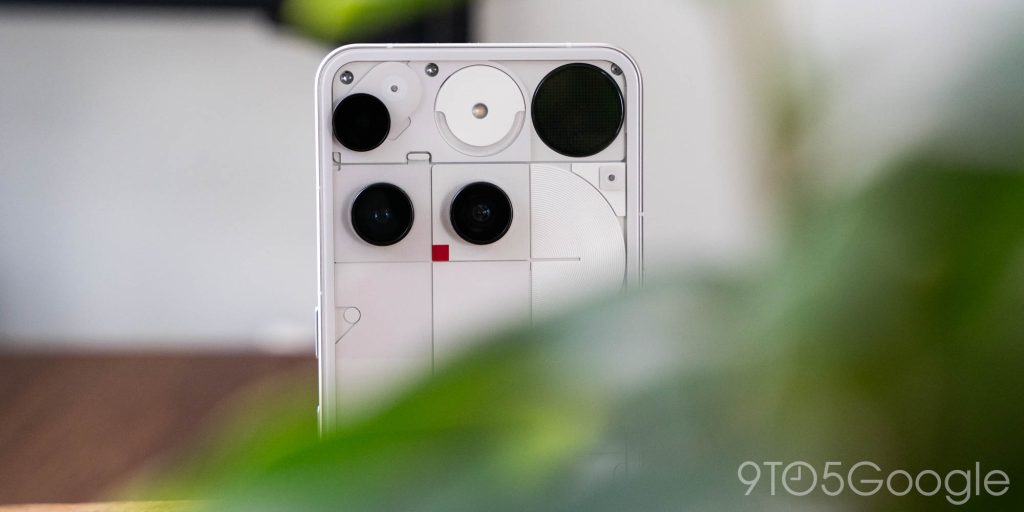
So, if you’re due for a phone upgrade in 2026, where should you start? As we near the end of January, we have yet to see any smartphone prices be impacted by demand from AI companies, and that makes right now might be the absolute best time to jump on an upgrade. You might have to settle for last year’s hardware rather than getting the device you actually want — like, say, grabbing a Galaxy Z Fold 7 rather than this summer’s upcoming Fold 8 — but you eliminate the risk of a big intergenerational price increase.
That’s not going to work for everyone, though. Some people might not have the cash on hand right now to rush out and purchase new hardware, while others might need to wait for their upgrade cycle to activate through their carrier. There’s no perfect solution here, but if you’re looking for advice outside of “panic buy right now” — and, to be clear, no one should panic buy — you do have a handful of options I’d push people to consider.
If, for example, you weren’t planning on buying this year, but you know you’re in the back half of your phone’s lifespan, it’s not an awful time to start squirreling away some savings ahead of 2027. That gives you a long runway towards your next device that could help with sticker shock should we see another round of flagship inflation in the coming months.
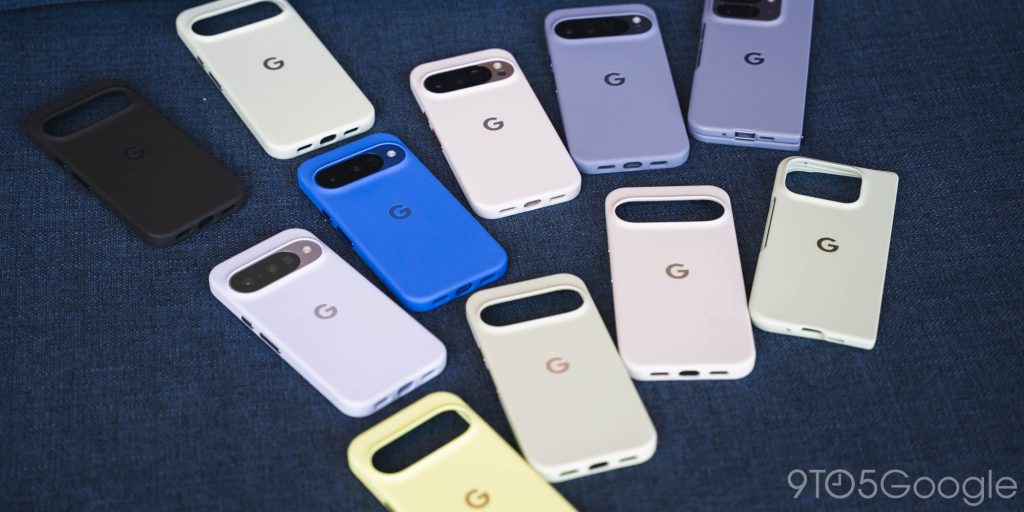
It’s also not a bad idea to make a commitment to stick with the phone you have. Picking up a new case really can make an old device feel fresh again, and sometimes, that’s all you need to stick with an existing product. If you haven’t already, grab a screen protector on Amazon to shield against accidental breakage. Making some hardware fixes is also a great strategy — after all, battery replacement prices are a drop in the bucket compared to a completely new phone.
I’d also push for shoppers to consider not buying a flagship if they don’t feel they need it. Midrange Android phones are really good these days; the Pixel 9a, currently on sale for $400, was one of my favorite launches of 2025, and it’s just as good right now (and since everything we’ve heard about the Pixel 10a feels like a total rerun, the bang-for-your-buck value is that much better). Analysts predict budget-friendly devices are the ones that are bound to get hit with higher price increases — lower ceiling means less wiggle room to absorb raw costs — and picking up one now could easily save you a nice chunk of change.
If you absolutely need a flagship, though, I’d also suggest shopping around the used and refurbished market before those prices inevitably follow suit. Something like Samsung’s Re-Newed program is a no-brainer to save a couple hundred bucks.
Obviously, you can only plan so far ahead. Accidents happen, and even if you’ve never shattered a phone’s screen in your life, one drop can ruin that perfect streak. With 2026 is shaping up to be a bad time to buy anything remotely considered a computer — smartphones included — making preparations sooner rather than later might be the only way to save your wallet some pain down the road.


FTC: We use income earning auto affiliate links. More.


Comments