
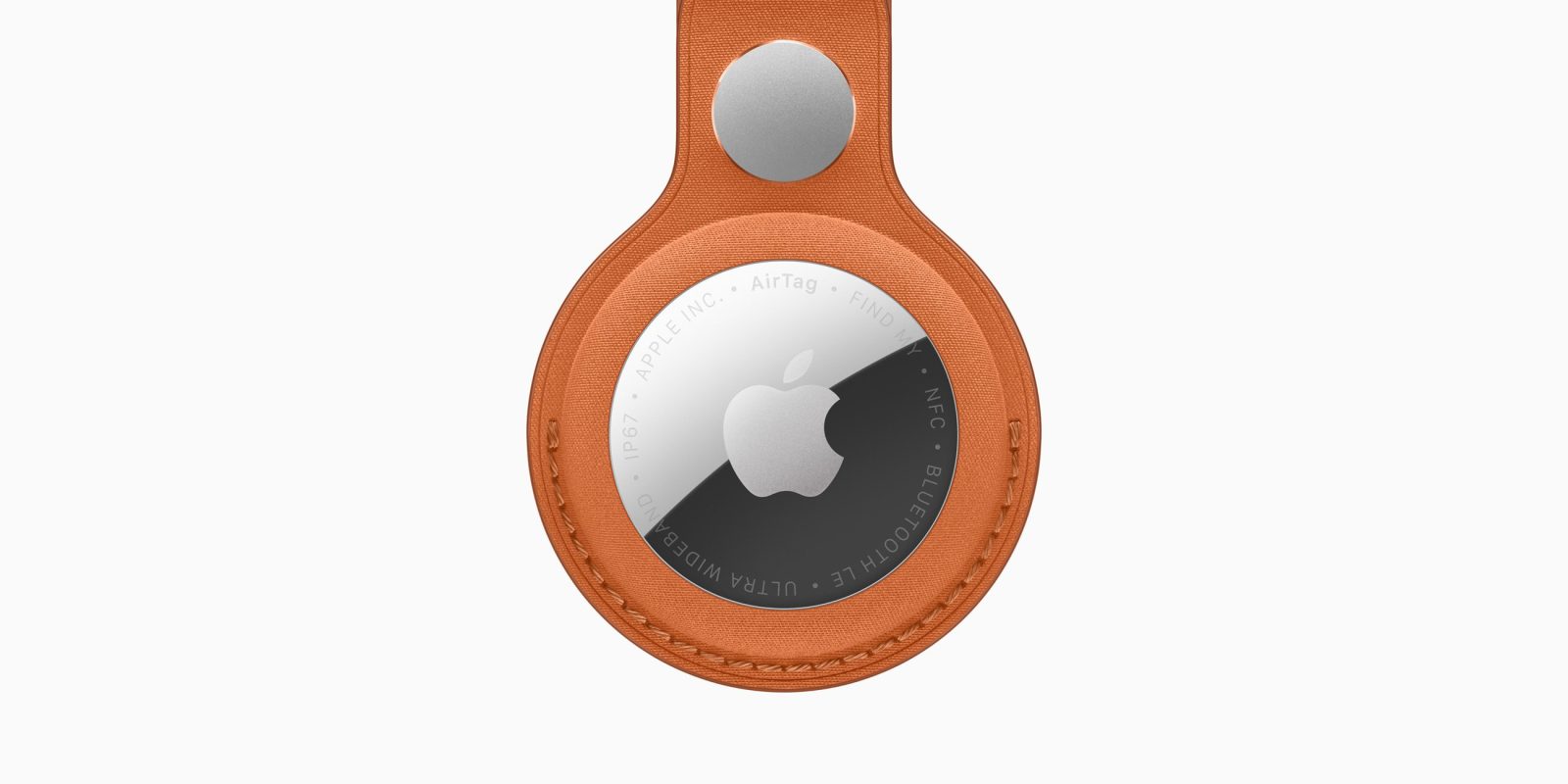
For the first time since the original’s release in 2021, Apple finally has new AirTag hardware, with the “new AirTag,” aka AirTag 2, delivering some hardware improvements that make me a little jealous as an Android user.
Apple’s new AirTag model is visibly identical to the previous one, still rocking a design that requires a second accessory to attach it to anything, and still sitting at the same $29.99 price tag. The biggest update, as Apple explains, is a “second-generation Ultra Wideband chip,” which makes it “easier to locate than ever before,” backed up by expanded Bluetooth range. The new hardware is also “50 percent louder” – likely around 90db – which enables “users to hear their AirTag from up to 2x farther than before,” Apple says. Apple has also updated the experience of tracking its new AirTag via the Find My app, with “Precision Finding” coming to the latest Apple Watch models.
It all sounds well and good for iPhone owners, but as an Android user, this just makes me wonder why Google hasn’t made its own first-party Find Hub tracker yet – a “Pixel Tag,” as we’ll call it for now.
There’s a thriving ecosystem of trackers for Android Find Hub from brands such as Pebblebee, Chipolo, and a ton of other brands, but Apple’s announcement today is just a reminder of what happens when you control both the hardware and the software, and aren’t thinking about other platforms.
Don’t get me wrong, I love that most Android Find Hub trackers are cross-compatible with Apple’s network, because it expands the options we see for Android, but it also means that full-featured trackers for Android are rare. If you’ve noticed, the only Find Hub tracker with UWB like the AirTag is still the Moto Tag, and that’s because Apple is known to not be allowing third-party trackers to use UWB with iPhone, as Tile brought to court (page 6) a few years ago. Since Bluetooth-only is what makes third-party trackers possible with iPhone, it’s understandable that companies making these accessories aren’t putting much of a priority on UWB when it cuts out (or at least doesn’t work for) half of their buyers, if not more.
The bulk of Apple’s announcement today is centered around UWB, and even having used a Moto Tag with UWB through Find Hub, I can say with certainty that the experience Apple has built out simply doesn’t not exist with Google’s offering today. And that makes sense. After all, why would it? 90% of trackers for Find Hub don’t have this hardware, so why would Google invest so heavily just to support one tracker that Motorola seemingly barely wants to sell given how hard it is to buy a Moto Tag.
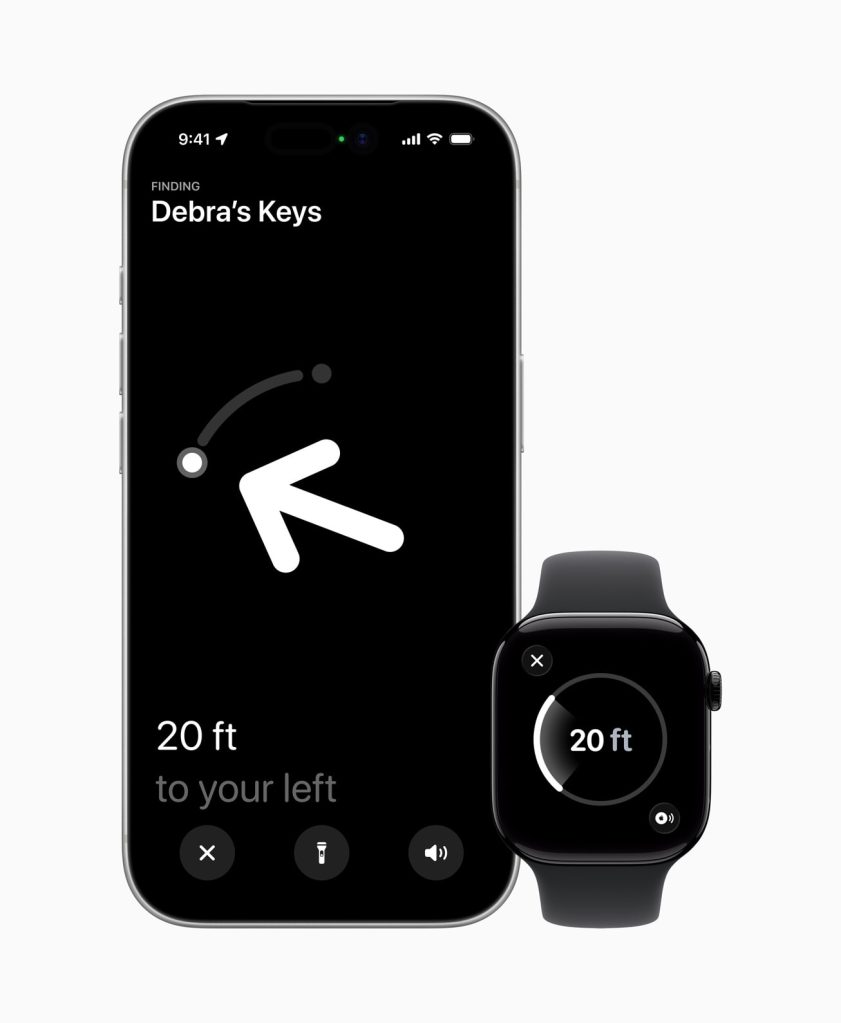
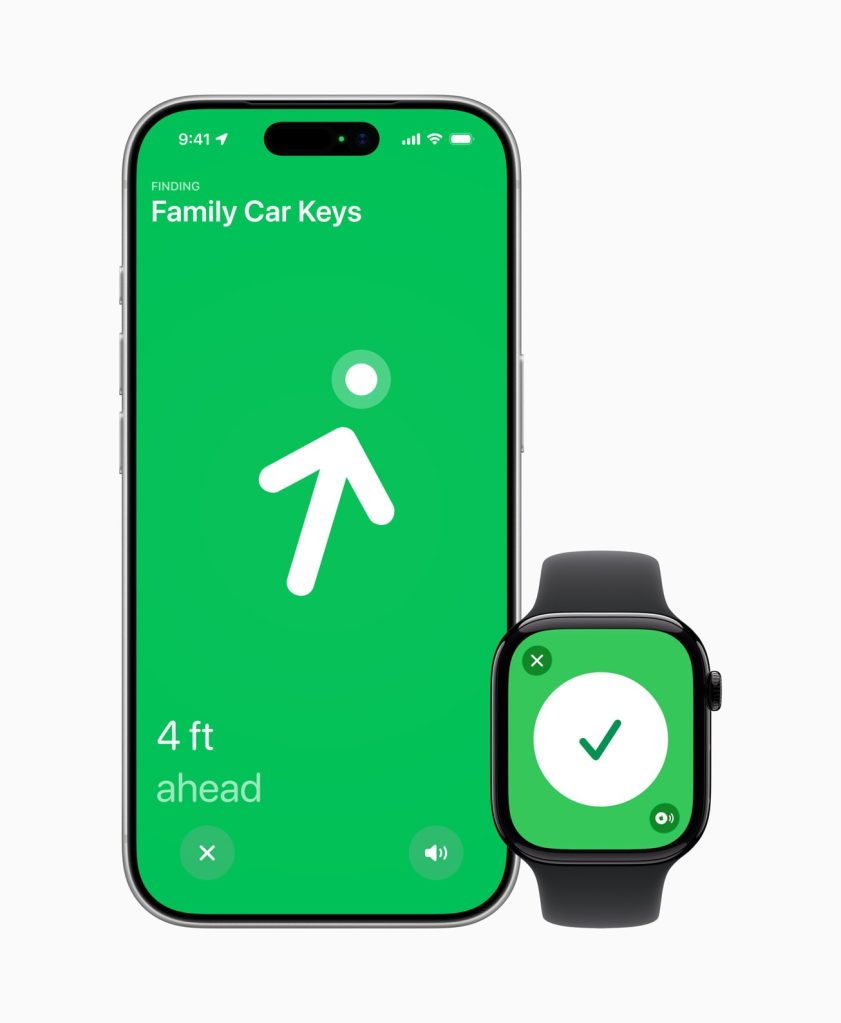
The only thing I see changing this anytime soon is if Google ever gets around to building a “Pixel Tag,” or whatever the company might choose to call a first-party Android Find Hub tracker. There have been rumblings of this in the past, but nothing has ever come of it. And this could have benefits far beyond just UWB. Frankly, I’m not huge on UWB in the first place, because it only has so much utility. Nine times out of ten, I just need the general location of an item anyway, but that’s just me.
The rest of Apple’s announcement dives into features like “Share Item Location” which lets the AirTag work with airlines, something that has real-world benefits. Again, this is the kind of stuff Google would likely be a bit more invested in if it had a first-party product on the line. Google announced airline integration would be coming in early 2026, but we’ve not heard much since the May 2025 announcement.
All of that said, am I still pretty happy with existing Find Hub devices? Yes, actually!
On a hardware level, I think brands such as Pebblebee have already shown they’ll innovate faster than Apple has and, in a world where “Pixel Tag” exists, Google would. Apple touts that AirTag 2 is “50% louder” compared the original, but that still puts it well behind the 130db Pebblebee Clip 5. Meanwhile, Apple is still using coin cell batteries when even long-time holdouts like Chipolo have finally adopted rechargable batteries. Add in the fact that I don’t need to buy additional accessories to attach most Android Find Hub trackers to whatever I want and, really, I’m pretty happy with what these brands are doing. But it doesn’t change the fact that Apple’s influence holds back what these trackers can do on Android, and that Google continues to move at a snail’s pace when it comes to Find Hub network and app improvements. More than anything, Apple’s announcement today really reinforces how far ahead the company is in this regard, because a simple hardware update was all it took to “play catch up,” seeing as all of the software is already still way ahead of what Google is bringing to the table.
What do you think?
More on Android Find Hub:
- Android Find Hub trackers continue to add dual-network support with iPhone
- These new Android Find Hub trackers have paper batteries – yes, paper [Gallery]
- Moto Tag 2 brings improved Android Find Hub tracking and longer battery life
Follow Ben: Twitter/X, Threads, Bluesky, and Instagram


FTC: We use income earning auto affiliate links. More.


Comments