
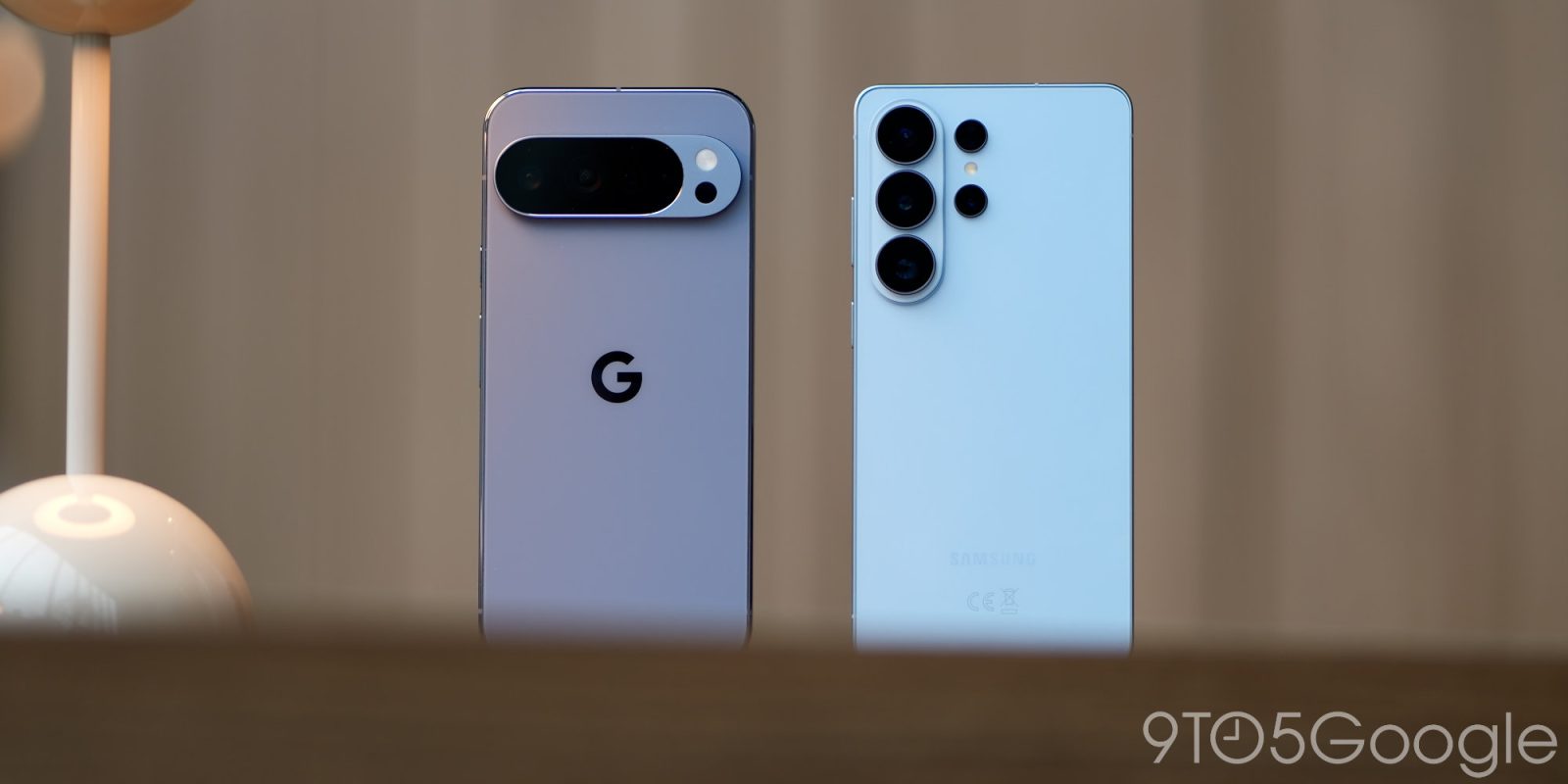
Is the Samsung and, in particular, the Galaxy S26 Ultra still the benchmark for Google’s Pixel 10 Pro XL? You know the deal; it’s time to work it out.
The background here is that this is a phone duo that has revised rather than rewritten their respective packages. Pixel 10 Pro XL is arguably less updated, but this is where we need to determine which is a “better” advert for Android.
Hardware and design
I’m getting my biggest design gripe with the Pixel 10 Pro XL out of the way right away. While it’s a little easier to manage than the behemoth from Samsung, it doesn’t feel quite as good because most cases make it even thicker and bulkier when compared to the svelte 7.9mm Samsung frame. That said, Google has really nailed the core colors this time around, but they remain simple, refined choices compared to the online exclusives Samsung offers, like Silver Shadow and Pink Gold.
The S26 Ultra’s display is not a 10-bit panel — and while I’m not apologizing for Samsung — it is still an exceptional, top-tier panel. In my opinion, it’s the best on a phone to date for sheer usability and consistency. Sure, a higher bitrate would be nice, but it looks so damn good already that I’m – personally – willing to forgive this omission.
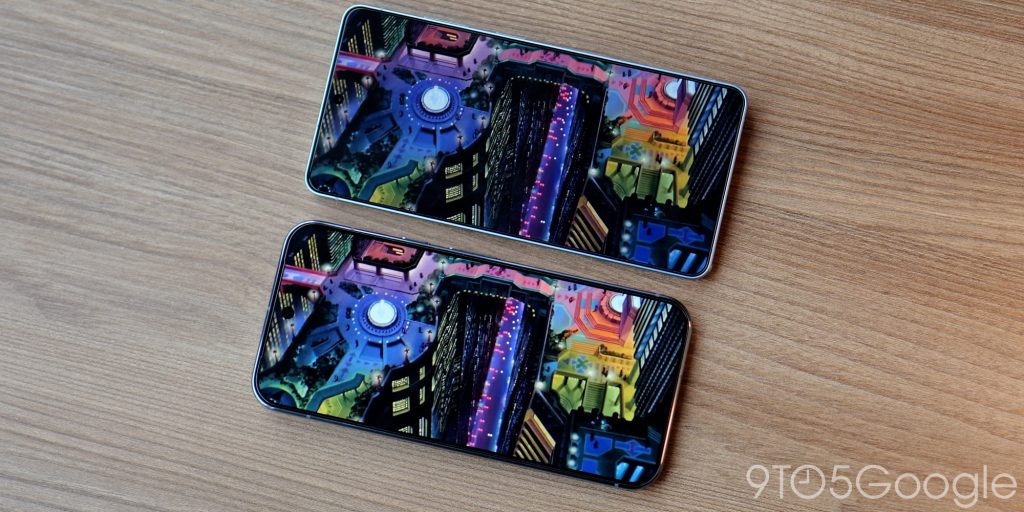
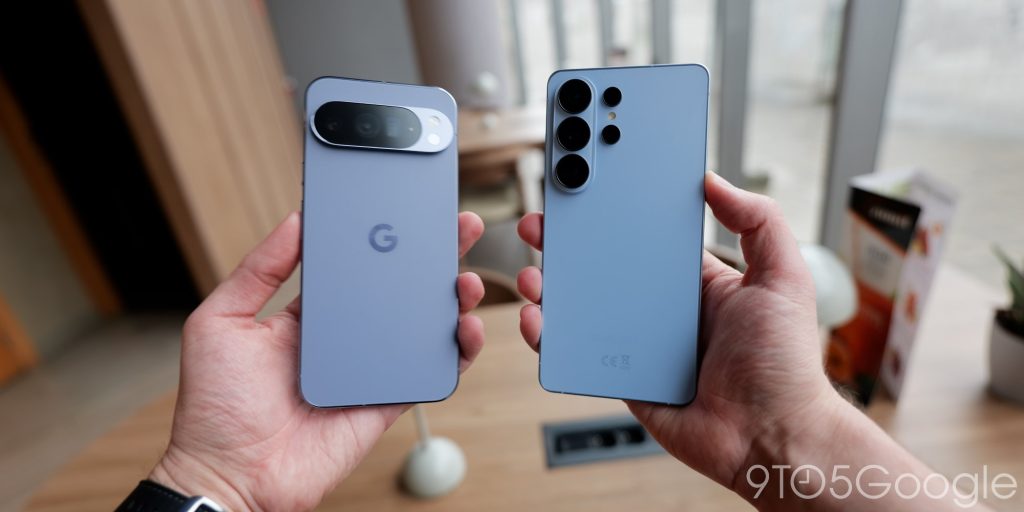
The smaller bezels on the 6.9-inch Dynamic LTPO AMOLED 2X panel are better, and the anti-glare Gorilla Armor 2 display is still absolute magic in direct sunlight. Even with a screen protector, you can benefit as glare is still noticeably less than the Pixel. The resolution is a smidgen higher too (1440 x 3120), and at 0.1 inches bigger than the Pixel’s 6.8-inch Super Actua, that marginal extra gain just means more good stuff to interact with.
Plus, the Privacy Display feature, which limits viewing angles to hide sensitive data, is fantastic for those of us who value our on-screen privacy in public. After a week of usage, the early awe has dulled a little. In my experience, it doesn’t fully hide all content, merely obscures far enough to make it very difficult for people to work out what you’re viewing.
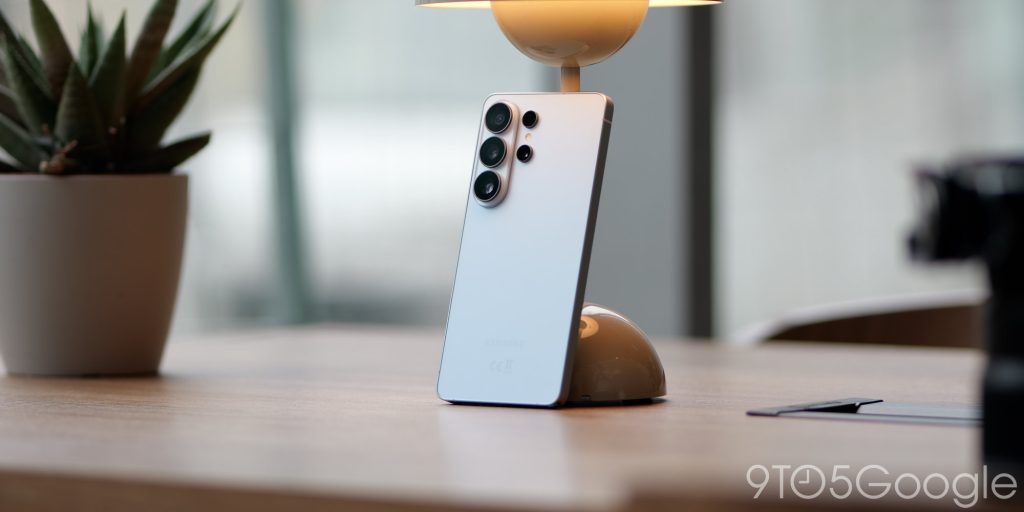
One other thing to note is that there is basically no difference between the ultrasonic fingerprint scanners here, but I personally prefer the Pixel because of the haptic feedback when your phone opens. It’s those little “Google-y” touches that make a difference.
While the S Pen is a great tool, its functionality has been drastically reduced over the past few years. It’s still a valid reason why many people would buy the Galaxy S26 Ultra over the Pixel 10 Pro XL. I would be happy to ditch the S Pen entirely if we had in-device magnets, but we’re without native Qi2 magnets again — though it is “Qi2.2 ready.”
You will need to add a case to get the magnet function. That’s not a huge issue for most people, but it still feels frustrating given that Samsung has been toying with adding magnets for a number of years, so it feels like it could have been an easy win.
Software and performance
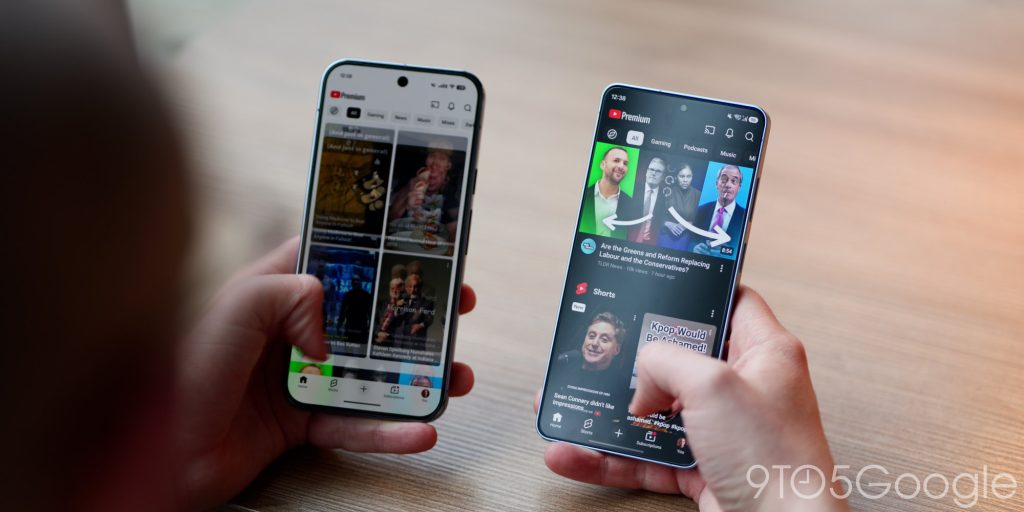
Samsung is great at getting out updates, but the simple answer is that if you want day-one or at least close to day-one updates, the Pixel is, simply put, the only way to go.
It doesn’t help that One UI 8.5 is a very minor update visually. That said, it still manages to add some much-needed options for the Quick Settings panel. It’s not necessarily a comprehensive update, but it has obvious flair and retains the myriad controls that Samsung phones are revered for. While it is functionally a very rich Android skin, it just lacks some of the undoubted character and approachability of Material 3 Expressive on the Pixel 10 Pro XL.
I’ve said it here on the channel before, but the duplication or priority of Galaxy apps is just not something that is all that great. It feels like Samsung is settling rather than leading in software refinement.
On the performance side, the S26 Ultra is undoubtedly going to blow the Pixel away with the Snapdragon 8 Elite Gen 5 chip. Until apps get into RAM, the Pixel 10 Pro XL will load things slower in almost all cases; despite 16GB of RAM, the Tensor G5 still feels like it is a step behind because of the slower processing. That’s a nitpick, but it’s a growing nitpick in my book. Samsung’s flagship can simply do more without ever breaking a sweat.
However, we are firmly in Gemini’s world now. Both devices are leaning heavily into AI, but the Pixel 10 Pro XL integrates Gemini Nano more tightly into the workflow, while Samsung is using the Snapdragon’s NPU for things like its new AI-powered screenshot analyzer and “ProScaler” for display sharpening.
Camera
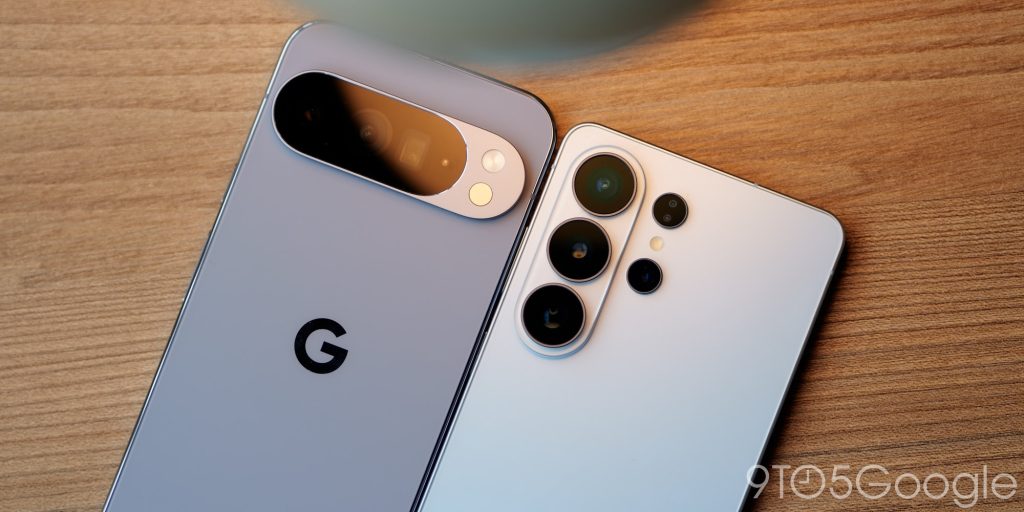
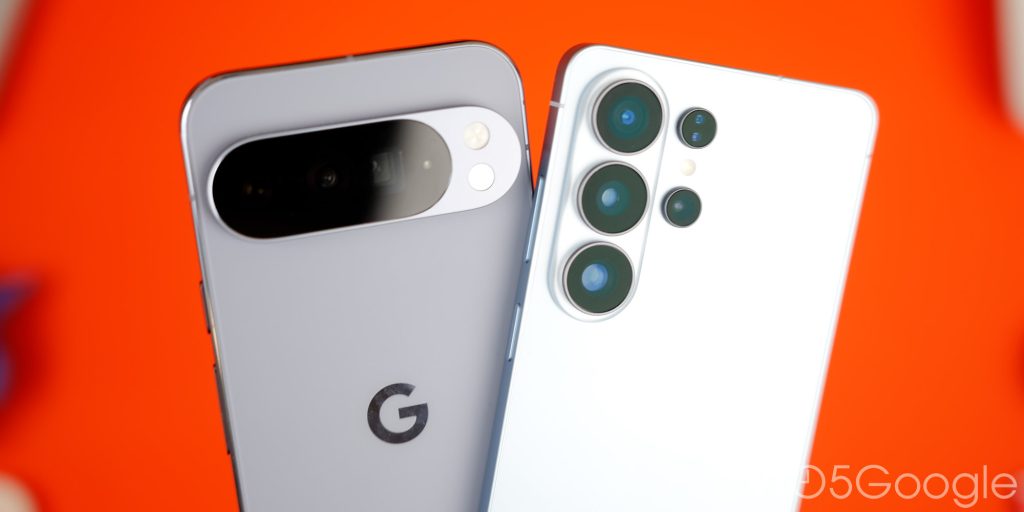
The Pixel relies heavily on post-processing—the “Google look” is alive and well on its 50MP wide and dual 48MP secondary sensors. You might notice that Galaxy S26 Ultra images from the 200MP f/1.4 main sensor are cleaner out of the camera and have more character this year.
Because of the pixel-binning utilized, it is worth noting that main sensor images are very similar despite the tuning variances. I believe that in most cases, the Samsung is arguably better for most people, thanks to its wider aperture, which captures more light.
Taking a quick snap is still the strong suit of the Pixel 10 Pro XL; it is better at capturing the moment in stasis, while the Galaxy S26 Ultra regularly has issues with shutter lag – although it’s actually due to how Galaxy phones take the image after the shutter button is released, not when it is pressed. Despite more hardware, the Pixel 10 Pro XL is a more reliable companion. Ultimately, which is subjectively better is up to you. It’s a toss-up in most situations.
Where Google pulls ahead is with Pro Res Zoom. Yes, it is AI-powered, but the added detail makes a huge difference to “bad” zoom photos.
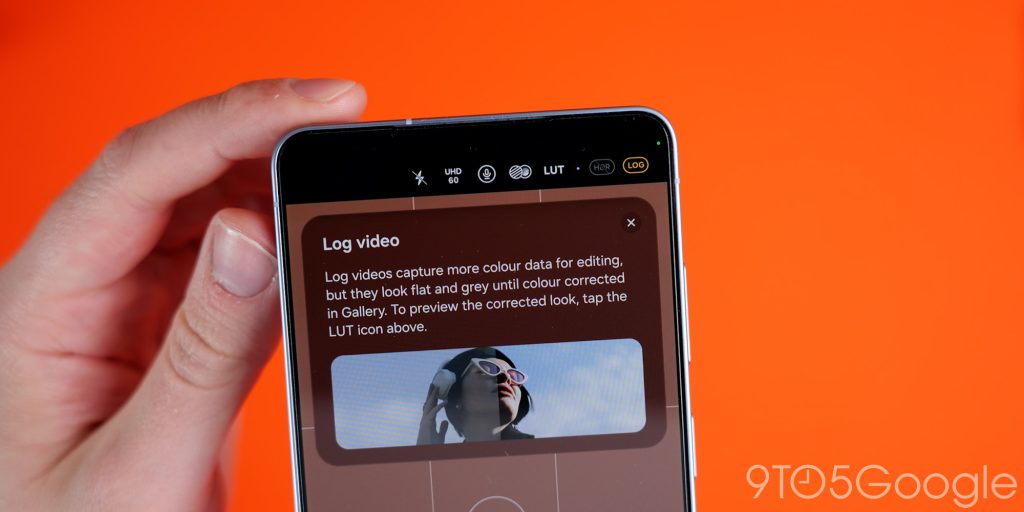
Video Boost is great on the Google Pixel 10 Pro XL, and it helps paper over some power-user discrepancies. If you care about video more broadly, Samsung is still the king. It is a better phone for video recording with higher quality on-device capture modes, 8K at 30fps, and the new professional-grade APV video codec for lossless quality. You are now also able to record to an SSD natively in the Samsung camera application for the first time, something which is fantastic for budding videographers.
Lifespan and charging
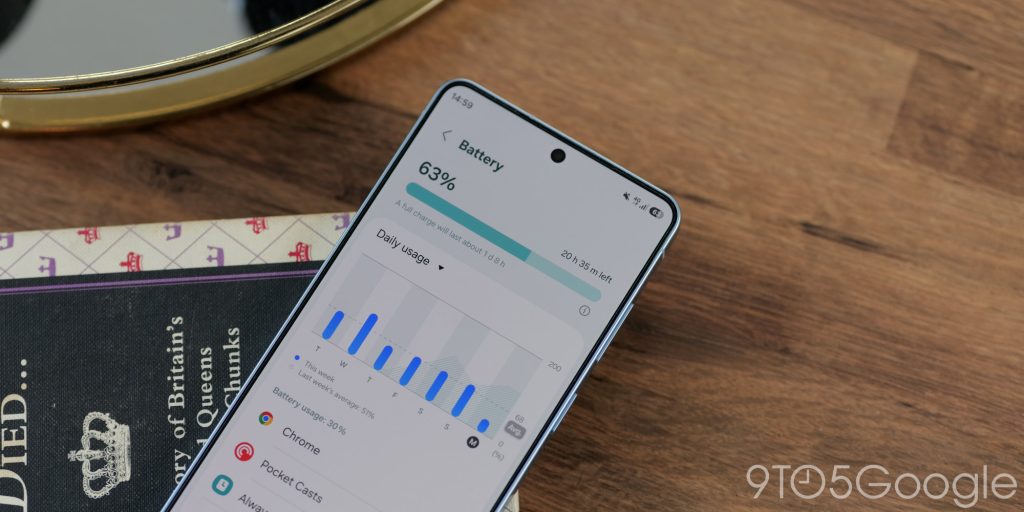
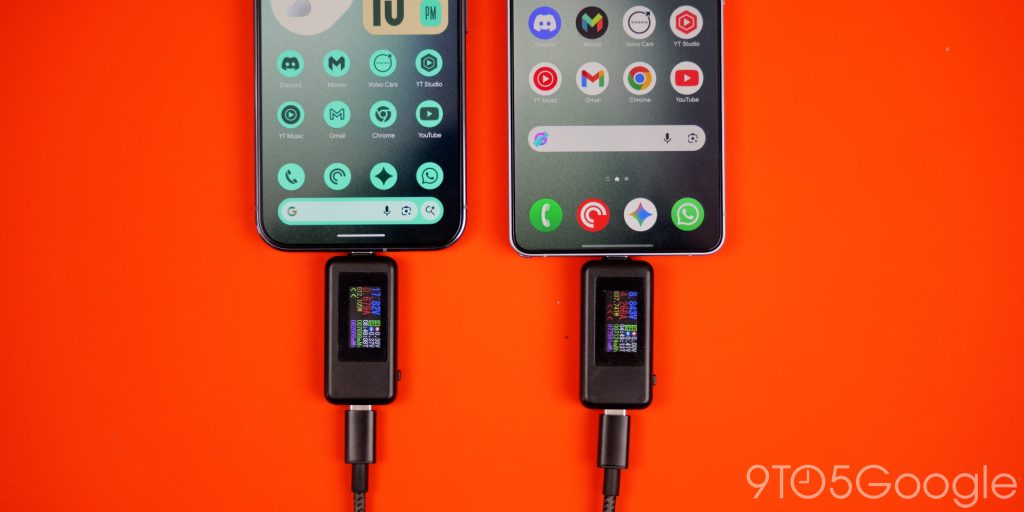
It’s honestly a joke that the Samsung Galaxy S26 Ultra hasn’t increased the battery size nor the tech. The only saving grace is that it supports 60W charging, which is quite a bit faster than the 45W on the Pixel 10 Pro XL. Samsung claims a 0 to 75% charge in 30 minutes, whereas the Pixel hits 70% in the same timeframe.
The Pixel 10 Pro XL actually features Qi2-certified “Pixelsnap” wireless charging at 25W, which is more useful than Samsung’s implementation if you want that magnetic alignment without a specialized case.
The real shocker is that the Pixel can actually outlast the Samsung, given the larger 5,200mAh battery compared to Samsung’s 5,000mAh. In my testing, the Pixel’s efficiency for daily tasks has been a breath of fresh air, even if it charges slightly slower.
Conclusion
About upgrading: 9to5Google often gives specific product recommendations. Sometimes, we may suggest not upgrading, due to various reasons including, but not limited to: increased device cost, negligible performance gains, or environmental impact. Whether to upgrade is always your call, but our aim is to help you make as informed a decision as possible.
Like the Pixel 10 Pro XL, the Galaxy S26 Ultra isn’t a quantum leap over its predecessor. It’s more of the same. That is good, because the S25 Ultra was (and still is) a great package. It’s bad or majorly frustrating because it’s still 95% of the same thing and feels a bit complacent from the company that is responsible for carrying the Android can in practically every global market.
The Pixel 10 Pro XL is objectively a “worse” device on a spec sheet, but it does very well with a lot less in the tank. Google is prioritizing holistic experiences and deep Gemini integration, while Samsung is adamant that a power bump, new privacy technology, and the S Pen are enough to keep the crown.
If you want the absolute best hardware and raw power, you go with Samsung. If you want a phone that feels more “human” and integrated into your life, the Pixel is the one.
Get the Pixel 10 Pro XL


FTC: We use income earning auto affiliate links. More.


Comments