
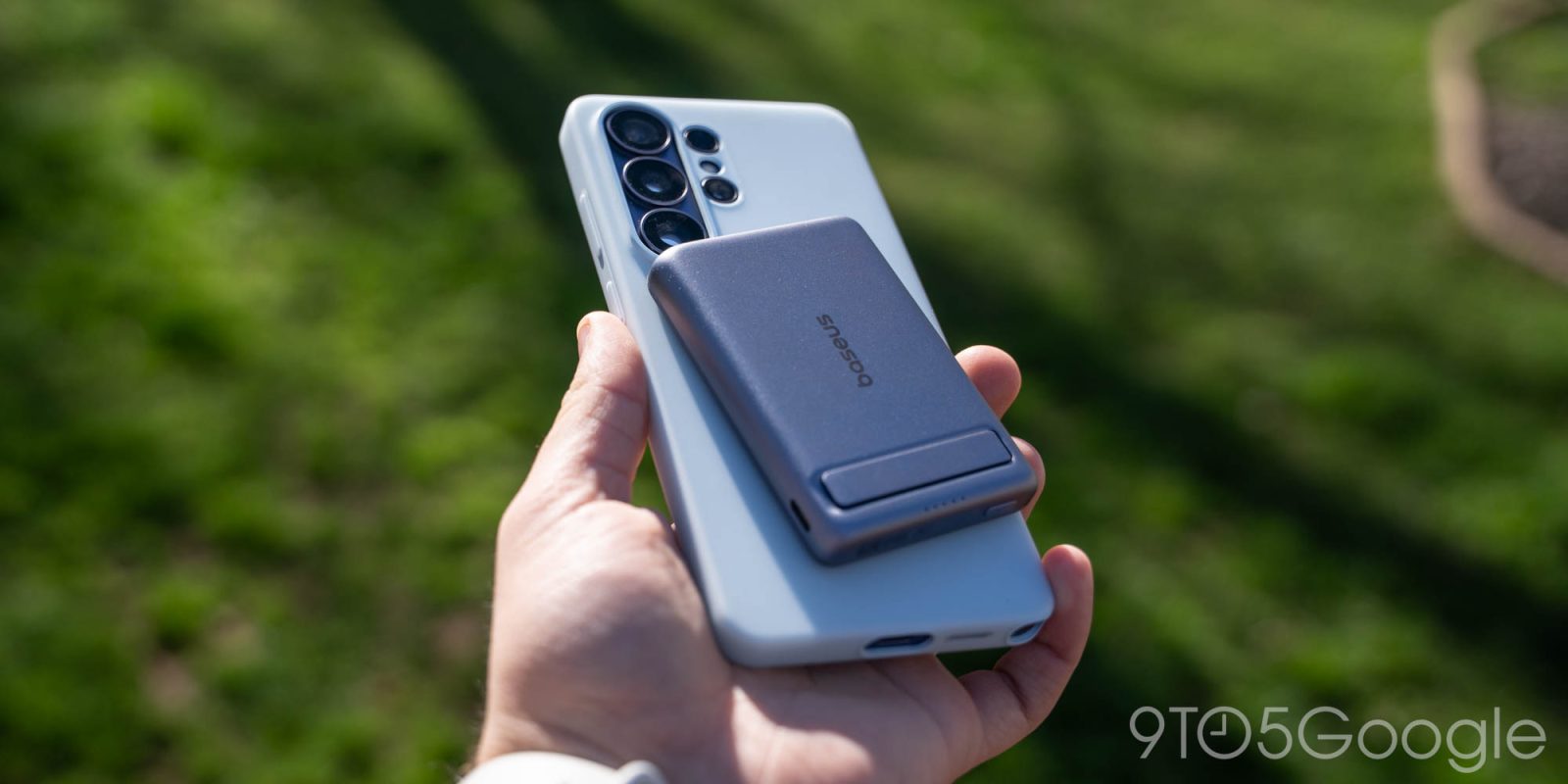
In a recent interview, Samsung execs discussed how the company’s design language has evolved into what we now know as the Galaxy S26. While it might be true that Samsung has carved out its own identity in the mobile space through generations of refinement, that same design is also at the heart of some of the most annoying-yet-fixable problems facing Galaxy hardware.
Comments shared from Samsung SVP Lee Ji-young (via ChoSun) earlier this month discussed how Ji-young would “give the [Galaxy S26] product design a perfect score,” pointing to elements such as the “optimal corner curvature” of 7R (the curve of a circle where the radius is 7mm) and how that is seen even in the S Pen. Meanwhile, Samsung VP and head of the mobile design team, Lee Il-hwan, called the vertically arranged triple-camera the “the core identity of the Galaxy.”
I’ve been using the base model Galaxy S26 since Unpacked, and I’ll get my most basic take out of the way upfront: it’s a solid, dependable phone. Coming from a year’s worth of time spent primarily on Pixel, the lighter chassis and slimmer design have been something of a breath of fresh air. Returning to my Pixel 10a makes Google’s latest $500 Android phone feel as thick as a brick, even without a camera bar, while the mainline Pixel 10 feels shockingly heavy any time I pick it up.
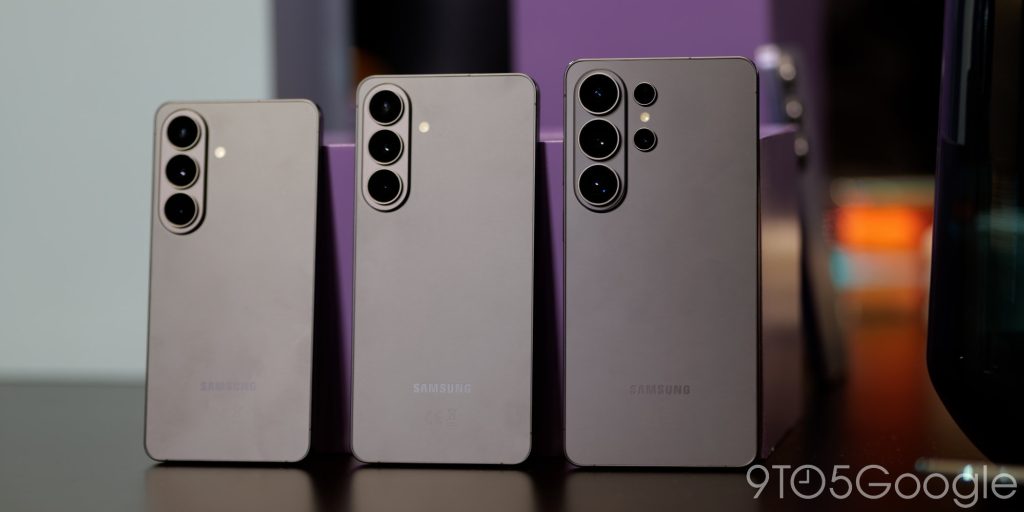
With the S26 series, Samsung finally unified its design across the entire trio, shedding whatever Note DNA remained in the Ultra model for good. The result actually extends outside of the company’s flagship series: with the exception of its foldables, practically every recent Galaxy-branded phone launched by Samsung keeps the same core design. Rounded corners, large-and-tall displays, and a triple-lens camera system oriented to the left of its back glass. I can absolutely agree that this look makes up the “core identity” of Galaxy design — it just also happens to identify everything I don’t like about it.
Some of this, of course, is a matter of subjective taste. Personally, I prefer my flagship devices to feature a semi-unique look compared to their more powerful mainline entries. I don’t think it’s a bad thing to be able to immediately tell a $1,100 device from one half its price, something brands like Google and Apple have effectively adopted with devices like the Pixel 10a and the iPhone 17e. Samsung takes the opposite approach; the bulk of its A-series entries are easy to mistake for something more premium when quickly glanced at from the back. In theory, that cements Samsung’s design as both unique and iconic, but unlike Google’s camera bar design, I’d argue this style is simply too anonymous to work.
It doesn’t help that Samsung’s not alone in sporting this look. The last couple of base model iPhones, for example, swapped to a two-camera design that doesn’t look all too dissimilar from any random Galaxy device released this decade. Apple says it left behind its previous diagonal layout to allow for Vision Pro-enabled video recording, but either way, the result is the same: Samsung’s design suddenly looks all too similar to its most bitter rival. And even if that has nothing to do with a decision Samsung explicitly made, the brand still has to deal with someone encroaching on its territory.
Top comment by bambobo
The wobble on flat surfaces is the biggest problem with it, IMO. Surely they can come up with a symmetric yet unique design? Sounds like a failure of imagination.
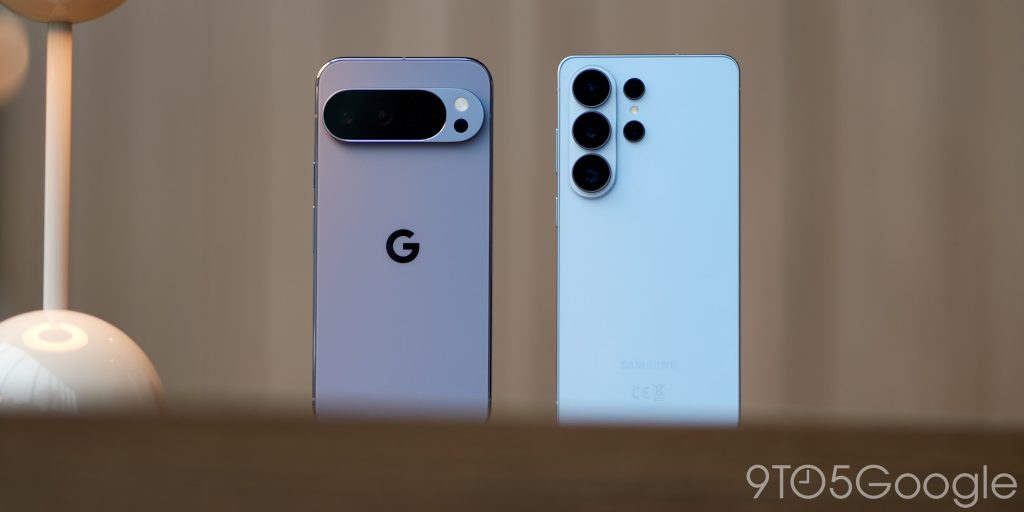
We’ve seen Google navigate this space a little more deftly. The company’s camera bar seems ripe for inspiration these days: the iPhone Air, iPhone 17 Pro, and even Samsung’s own Galaxy S25 Edge all carry a little bit of Pixel DNA in their respective lens layouts. But Google’s style — introduced five years ago on the Pixel 6 before seeing several generations worth of refinement — stands up even in the face of similar styles because it’s so unique. It’s not just the lens layout, but the specific style of the camera visor, the lens cover, the matching two-tone design, and perhaps most crucially, the complete lack of table wobble.
And that’s the real problem with Samsung’s “core identity.” It’s not so much that other companies have employed similar designs, but that the go-to Galaxy look presents a fundamentally flawed experience in 2026. While companies like Google have fully fixed issues with camera bumps forcing devices to rock back and forth on flat surfaces, Samsung’s device are more wobbly than ever. Rotating the lenses 90-degrees would effectively fix this, but that violates the company’s own ideals for how its products should work.
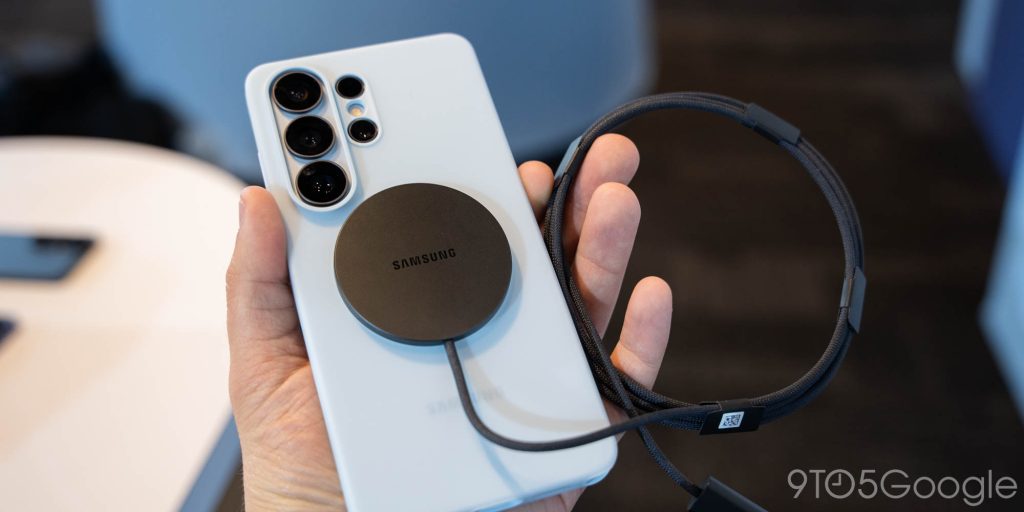
But nothing drives me crazier than how this affects Qi2 support. Plenty of (digital) ink has been spilled over Samsung’s decision to once again opt against including built-in support for Qi2 magnetic wireless charging, instead relying on first and third-party cases to add that functionality after the fact. It’s frustrating enough on its own — on at least two occasions, I reached for Qi2-enabled accessories purely out of habit while using this device before remembering they won’t work with my case-less S26 — but even if you pick up a supported shell, it might not work with every accessory. Wallets, Pop Sockets, and certain charging pucks have all been known to have issues aligning properly thanks to the lowest lenses on Samsung’s vertical camera pill, and good luck maintaining a consistent 25W charging speed.
The end result is a design that, while certainly identifiable, ends up leaving Galaxy S26 owners with a worse experience than they might find on other phones, practically requiring first-party accessories engineered around these shortcomings. I’m not saying Samsung can’t find a recognizable look and feel that works for their branding — and honestly, I wouldn’t even mind them finding a way to make something close to its current style work — but to act as though this is the end-all-be-all of what a smartphone can be feels more dismissive of the future than I’d like. Features like Qi2 didn’t exist when Samsung initially began utilizing this look, but that doesn’t mean the brand should be given a pass after this generation.


FTC: We use income earning auto affiliate links. More.


Comments