
Light has built a name for itself in the minimalist smartphone space thanks to its stark designs, custom OS, and a deep focus on nothing more than the basics. But for as impressive as last year’s Light Phone 3 sounded on paper, its initial $800 launch price — now down to $700 for Light’s next preorder window — made for a tough pill to swallow. Light’s latest device knocks a whole bunch of cash off that price, and it arrives in a pretty familiar package.
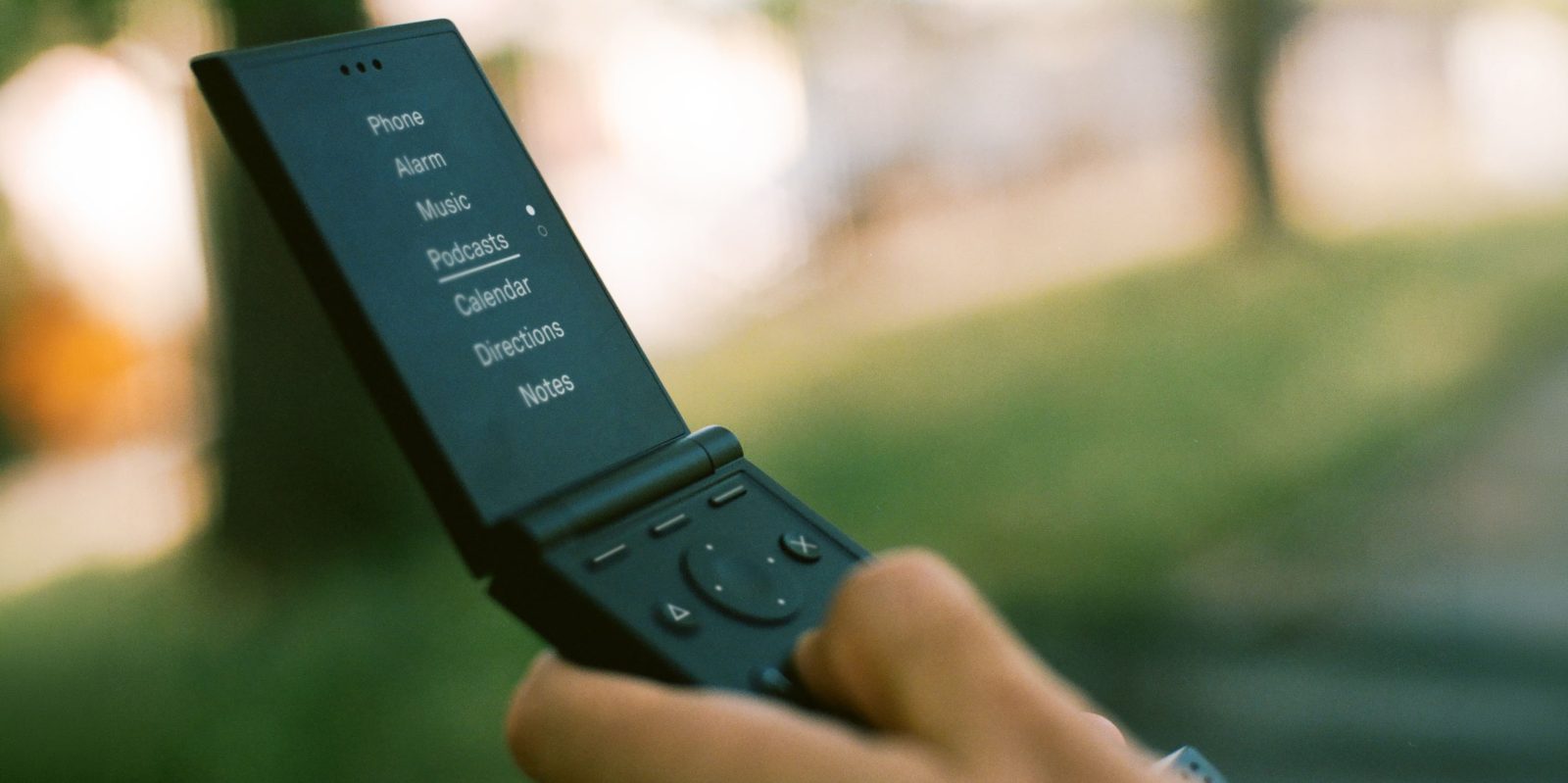
The Light Flip is the company’s latest phone launch, and even if you’re ignoring the photos on this page, you can probably guess what it’s all about. The Light Flip is a traditional flip phone — nothing like the Galaxy Z Flip 8 we expect Samsung to launch this week, but a true throwback to the 2000s when every text was sent with a T9 dialer. Light’s leaned into that experience here, bringing back the look and feel of Motorola’s legendary Razr V3 combined with a modern, minimalist style, both with its design and its software.
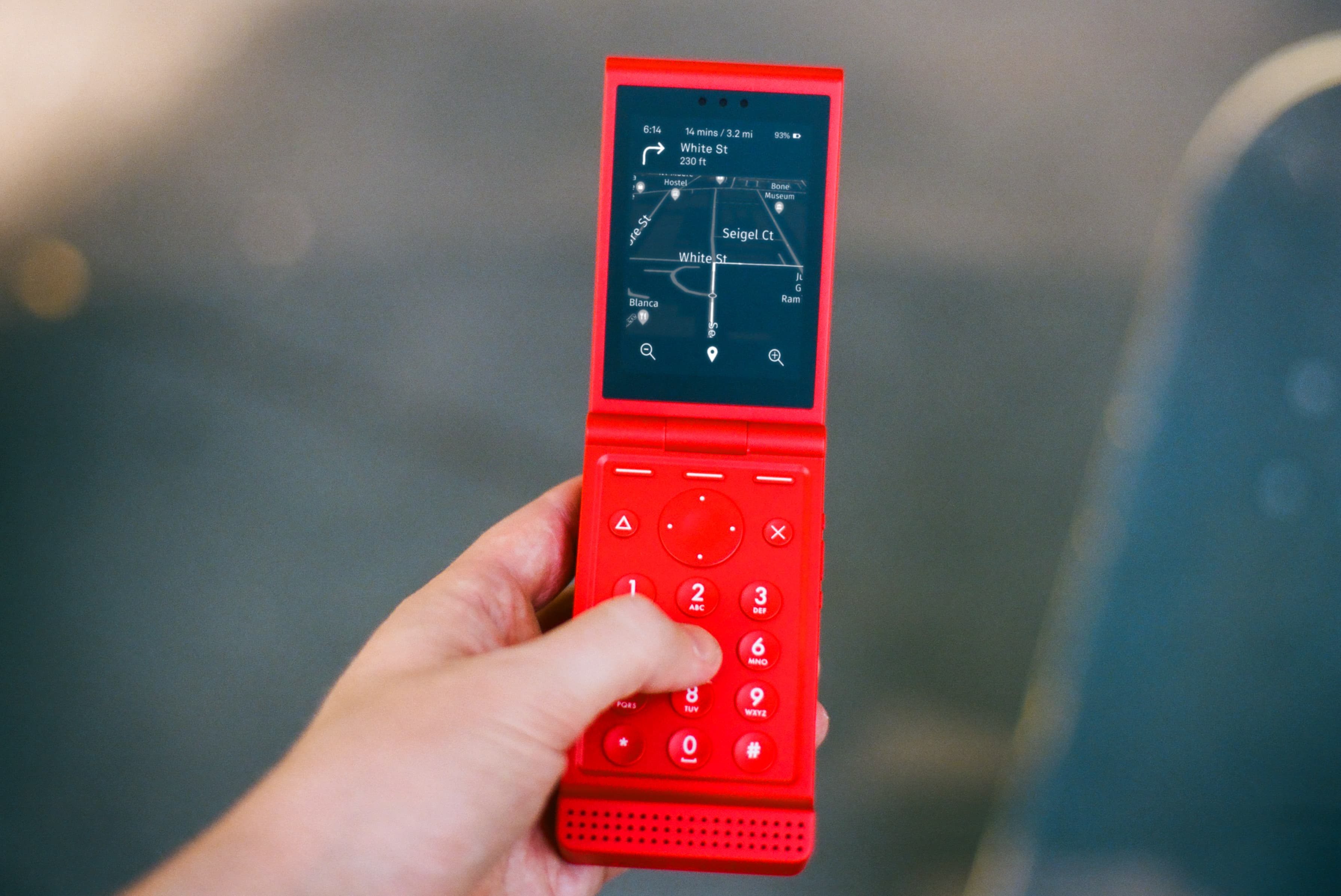
It feels a little strange to spell out the specs for a fairly simplistic flip phone, but here we go. Light Flip pairs a 2.8-inch 480p matte OLED display (presumably without touch support) with rounded physical keys and a navigation pad. It’s sporting stereo speakers a 50MP rear-facing camera with an LED flash that outputs 12MP images, supports 5G and both nano and eSIM, includes 128GB of storage paired with 6GB of RAM, and runs on MediaTek’s MT8873 chipset. None of this is particularly impressive, but that’s not really why you’re buying this device.
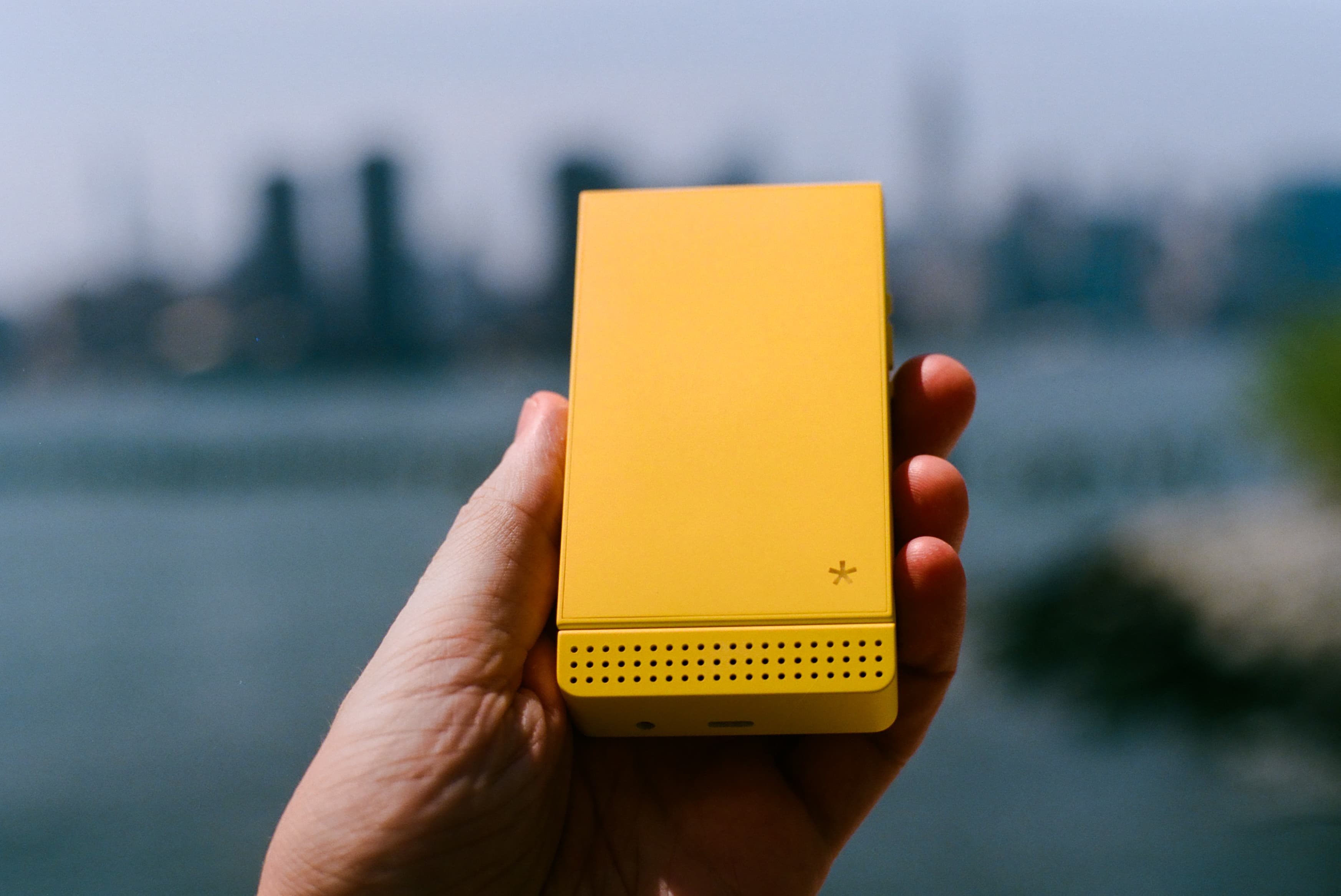
Light has also built a bunch of add-ons into its first flip phone that should act like catnip to a certain sort of gadget geek (myself included). A notification light to alert you to incoming calls and messages while the device is closed, a replaceable battery, a 3.5mm headphone jack, and — hell yeah — a keychain loop all help make this device feel particularly fun, something that’s sorely missing from today’s typical devices. Oh, and it comes in six colors, including bright and poppy options like red, pink, and yellow alongside black, gray, and navy.
If there’s one obvious downside to this design — well, aside from hoping your T9 muscle memory hasn’t faded with time — it’s the size. While 160 grams isn’t as heavy as, say, the Pixel 10, the Light Flip measures in at a whopping 19mm when folded. Honestly, it’s been a little difficult for me to even find a good comparison point; even the original Galaxy Fold from 2019 was just 17.1mm at its thickest point. The obvious Razr comparison is even more damning: Moto’s V3 model measured in around 13mm and just 95 grams, and that device released over two decades ago.
On the software side, LightOS continues to grow in functionality, thanks in part to the company’s recently-launched developer program that aims to bring ‘open-source tools’ to its users. The company says all existing LightOS tools work on the Flip, including navigation and its music player, and that its T9 dialer is, as you’d hope, built with predictive text. LightOS won’t be for everyone — I highly recommend Michael Fisher’s excellent Light Phone 3 review for some insight on both its highs and lows — but it’s undoubtedly good to see the company continue to work towards bridging the gap between missing features and a truly modern minimalist device.
There’s one more piece of good news with Light’s new phone, and that’s its price tag. The company received plenty of pushback for the Light Phone 3’s price last year, and with the cost of gadgets doing nothing but going up as of late, you’d be forgiven for fearing the worst with this new device. But thanks to some of its downgrades — like ditching that FHD resolution for something more in line with this form factor — the Light Flip will run you just $299, with the option to purchase both the phone and cell service starting at $39 per month. Unfortunately, you’ll be waiting a while to get one in your hands; the Light Flip is set to ship in April of 2027.


FTC: We use income earning auto affiliate links. More.


Comments