
A year in tech used to bring about big, bold changes. Today, things are iterative, merely refinements, and that has never been more apparent than going from the Pixel 10 to the Pixel 11. Here’s what you need to know.
Table of contents
Protect your Pixel 11 with a dbrand case or skin sponsors of 9to5Google
Hardware
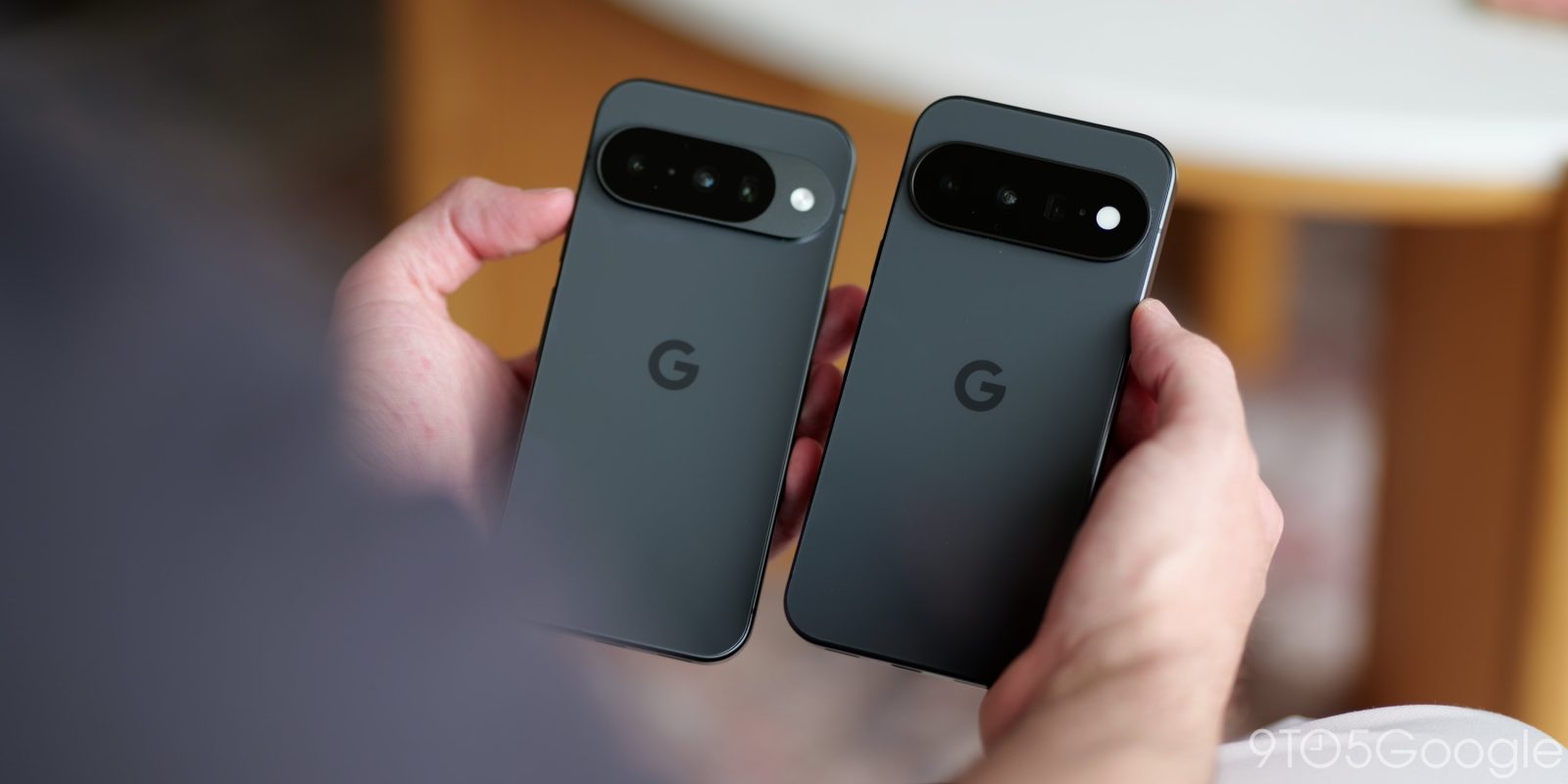
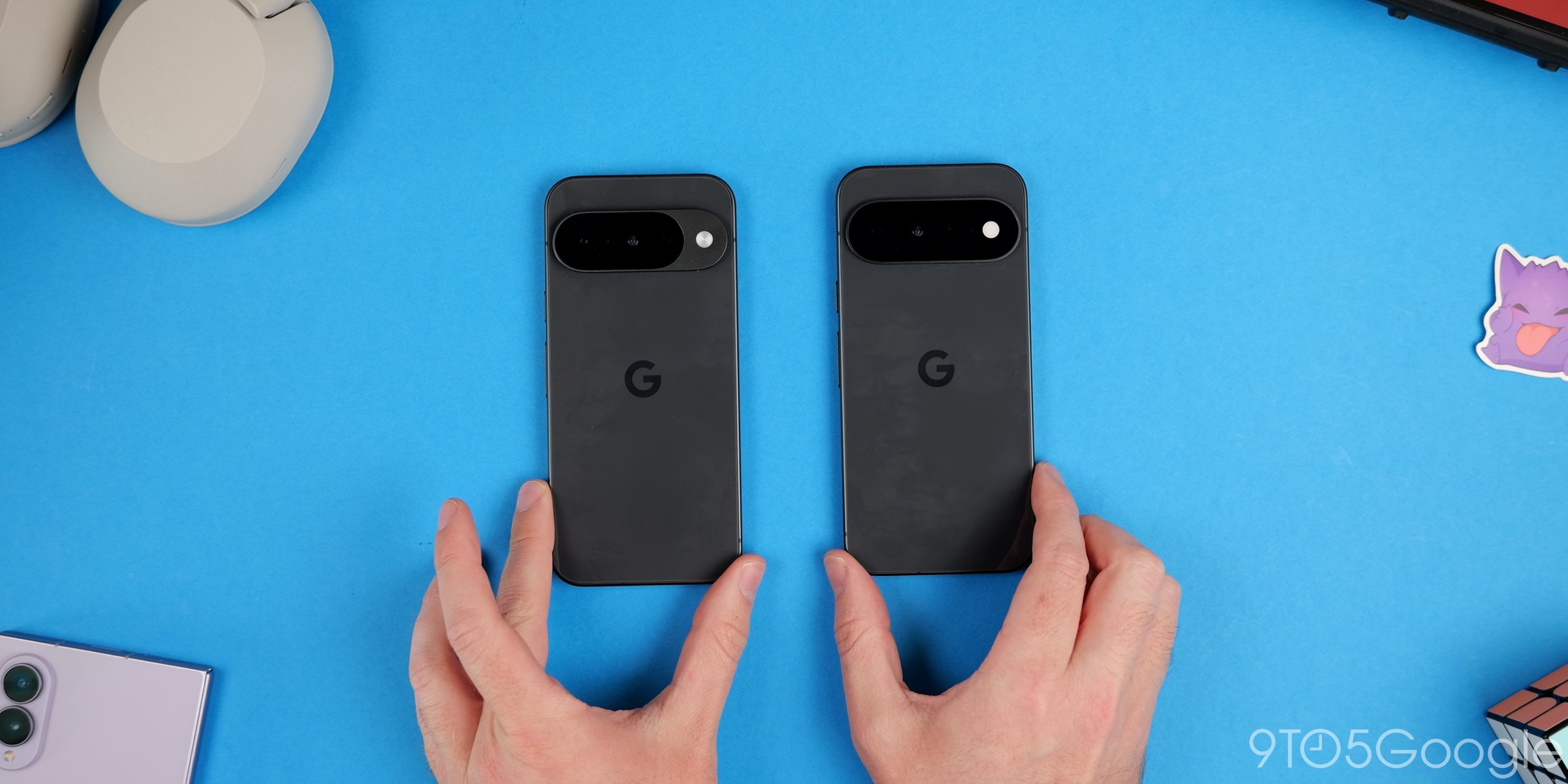
Take one look, particularly at the Obsidian Pixel 10 and Pixel 11 side-by-side, and there is basically nothing to separate the two phones. You could be forgiven for not knowing what and where the minimal changes have been made.
These phones have identical screens, almost identical dimensions, and the Obsidian model even uses the exact same shade of deep gray. Copy-paste would be a very quick and easy criticism, and it would be justified in lots of ways.
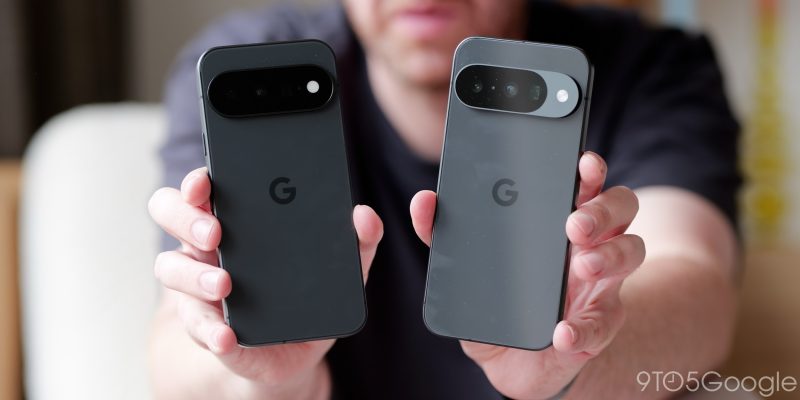
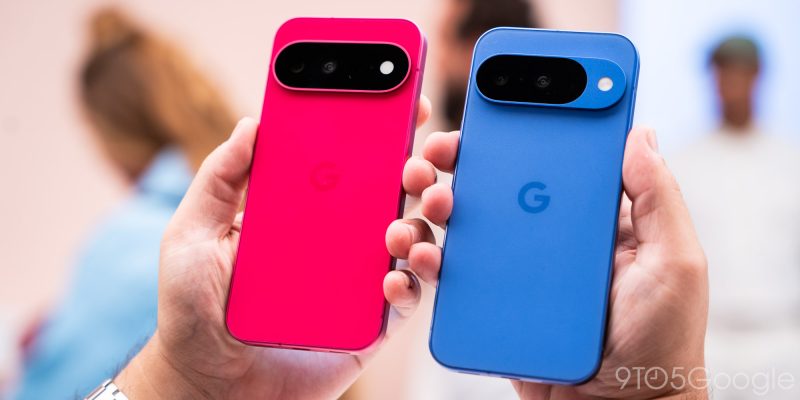
To push back slightly, the display is still great on both phones. 3000 nits peak brightness, but no change to the bezels, which is an annoyance. The fingerprint scanner is still fast and fluid, with no changes to how quickly you’ll get back into your phone, and the Face Unlock has not changed despite rumors ahead of launch that it might.
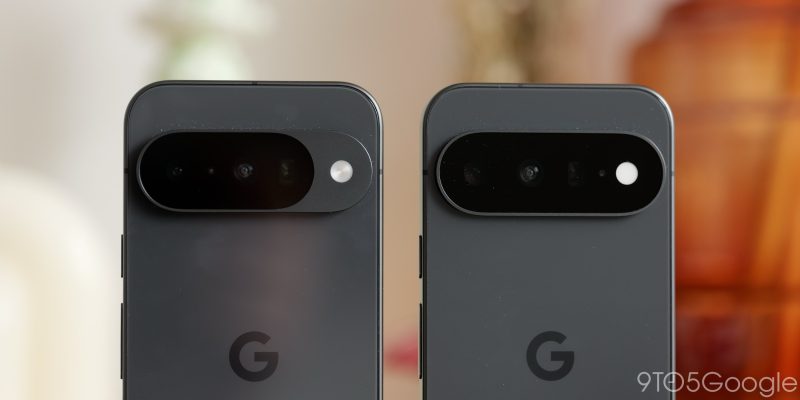
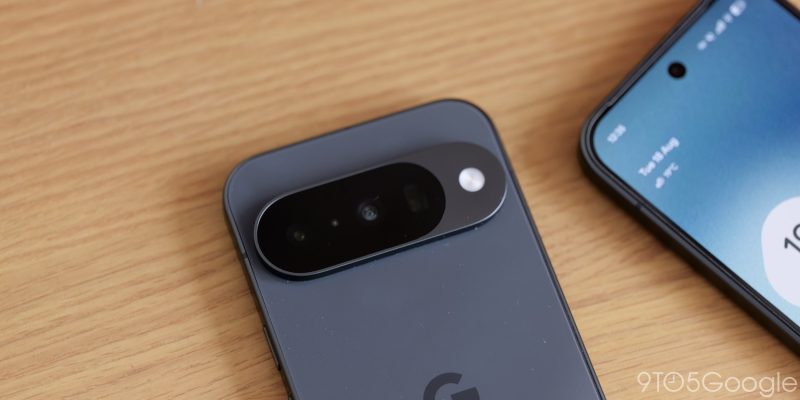
On the back of the phone, there are more alterations. The camera bar has the most changes. The metal visor edge is gone, and the camera bar takes up a tiny bit more space. It doesn’t protrude as much from the backplate, which means that when you put the phone face up, it’s flatter on a desk or surface. This feels inconsequential, but many people complain about it on other phones.
There is also a change to the camera’s LED flash. It is within the glass, so it has better diffusion. That means it should be softer when used. Whether due to these minor tweaks and less metal on the camera bar, the Pixel 11 is 6g lighter than the Pixel 10. You can notice in the hand right away. It feels inconsequential, but at 197g versus 204g, that could be important if you care about how heavy your phone is.
Software
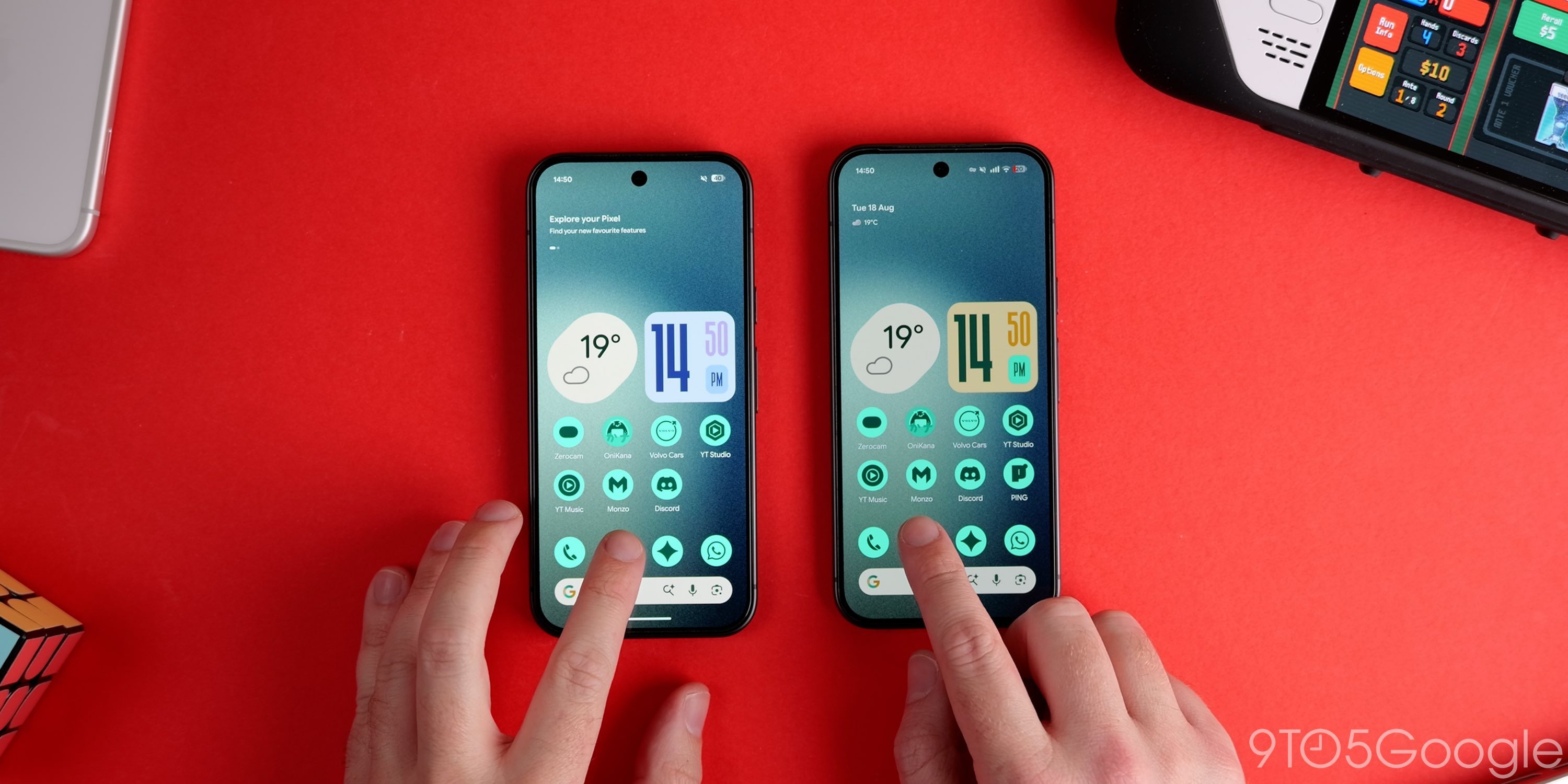
There are so few differences in Android 17 experience on the Pixel 10 and Pixel 11 that it boils down to just a few little functions that you may never even use. Gemini Intelligence was supposed to be coming to more devices per the original announcement pre-Google IO, but it looks like most of the functions will be locked to the newest devices – at least for a while. That’s a big disappointment, given that not all of the functionality is even fully here at launch.
Material 3 Expressive is maybe applied a little more liberally, and there are new Pixel-exclusive icons for the camera, calculator, and clock apps. They’ll probably get backported, but the only usability change appears to be Rambler. This is baked into Gboard and is a new, improved voice-to-text tool that can handle changes, vocal tics, and even course correction when you are dictating, a lot better than the previous voice-to-text tool.
Save that, you’ll struggle to tell the two phones running side-by-side apart. The improved storage speeds on the base Pixel 11 are something that is a good quality of life upgrade. In almost all cases, launching from cold into an application, it will be faster on the newer device. It isn’t exponentially faster, but it does make a difference. This isn’t always the case, like if something is already in RAM, but there is a speed boost.
Without trying to turn this into a benchmark competition, Tensor G5 vs. G6 isn’t much of a leap either. Most of the things we’ve tried to do are fine; games seemingly run at acceptable levels. Neither phone is anywhere near the top of the performance charts, which, to many people, is a very valid cause for concern given the retail pricing structure. Without any discounts, the Pixel 11 is one of the most expensive phones in a lot of global markets and won’t compete directly with the likes of Poco, etc.
Without giving Google a pass, you probably won’t notice unless you are trying to do lots of things at once or care about the highest benchmark scores. I feel like we’re in dire need of a big generational leap; this is not it.
Battery
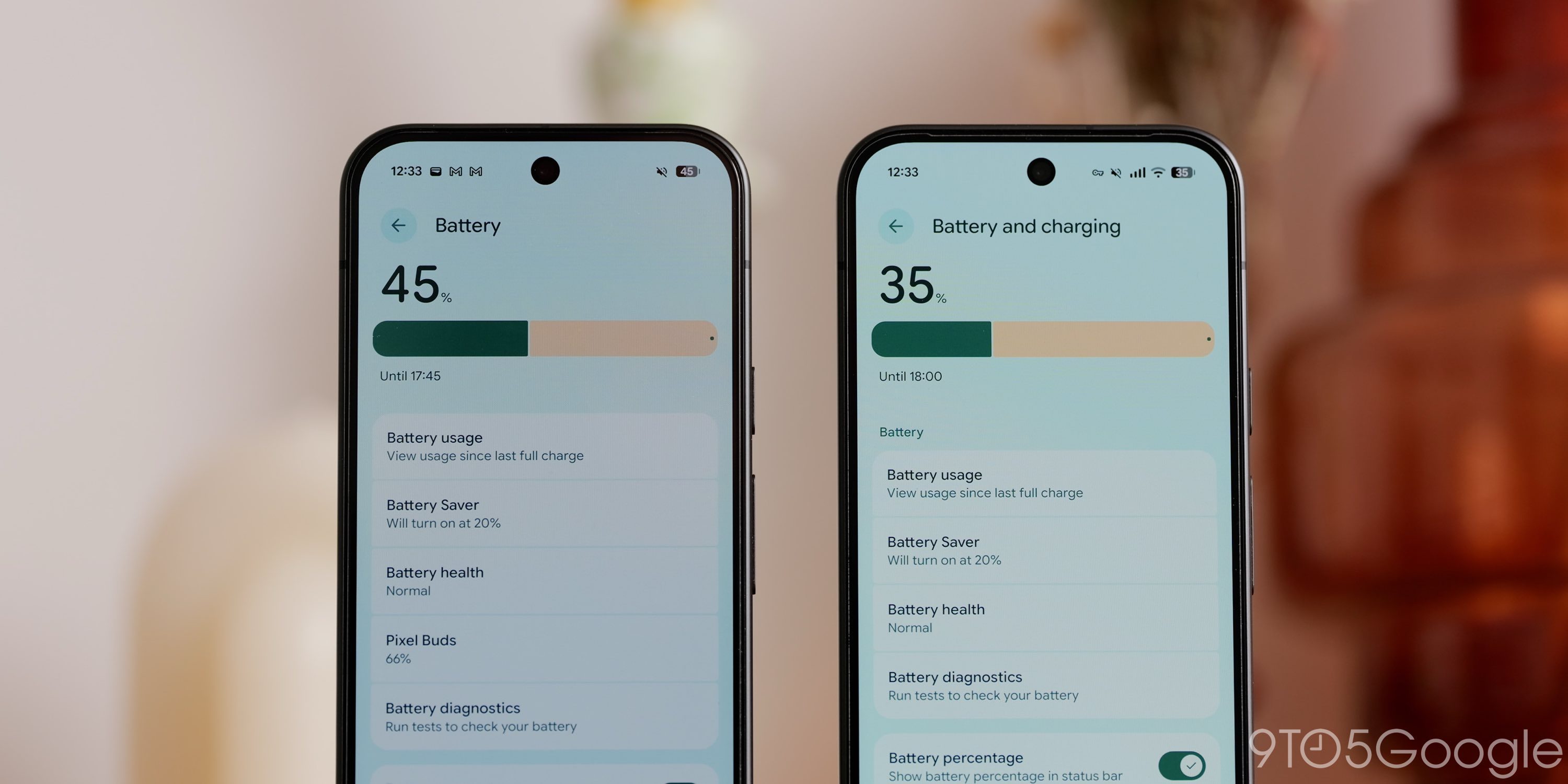
The battery longevity of the Pixel 10 and Pixel 11 is almost in complete lockstep. Neither device in our testing appears to have an edge over the other. The battery sizes are almost identical, the charging speeds don’t differ, save for the Extreme Charging Mode, but the reality is that the so-called “fast charging” is not exactly “fast” in the traditional sense. Y
You’ll be waiting at least an hour for the Pixel 10 or Pixel 11 to go from 0-100%. Even when using that new faster charging mode, it only works up to 50% battery level and is designed to just give you a boost of battery in a shorter period. I can’t see any major difference in charge speed when airplane mode is enabled on the Pixel 10; it feels like a nothing burger in that sense.
Neither phone has a “bad” battery, nor are these devices particularly amazing like a two-day phone. Just solid and dependable.
Camera
Google listened to some fairly harsh criticism of some of the Pixel 10 camera system downgrades and decided a new sensor was required. The 48-megapixel main sensor isn’t quite a full return to a flagship-level system like the Pro phones, but a physical sensor size increase should improve the light gathering by over 50%.
More light will be good in all kinds of situations. Background blur is improved, giving better natural focus falloff. Every other sensor is identical. However, the zoom lens is now able to go to 30x on the Pixel 11.
On the tangible changes front, color tuning is slightly improved on the Pixel 11 series using the default “Original” camera setting, but it’s the software functions that truly differentiate the camera systems on the Pixel 10 and 11.
Camera Looks are the headline addition here. This gives you the ability to set a default tonal look or add them in real-time rather than requiring tuning after the fact. There isn’t an extensive library, but you can tune all of the “Looks” to suit your own preferences.
Joining this is Magic Capture. This is a new mode that turns a short video into multiple photos of the key moments. It’s like a highlight-reel camera: you just point, record, and let Gemini pick out the best bits. It’s eerily reminiscent of the Clips camera or an upgraded Top Shot. It works, and it works really well.
There are also tons of new tools within the Creator mode section, including a built-in teleprompter, audio visualizer, new social media gridlines, and the ability to save your video files to a specific folder. All great added functions, but nothing truly groundbreaking, just “nice to have” functionality.
Pixel 10 vs. Pixel 11: Is there even enough here to consider a change?
About upgrading: 9to5Google often gives specific product recommendations. Sometimes, we may suggest not upgrading, due to various reasons including, but not limited to: increased device cost, negligible performance gains, or environmental impact. Whether to upgrade is always your call, but our aim is to help you make as informed a decision as possible.
There are no meaningful upgrades to the Pixel 11 for anyone looking with any sort of envy at it while clutching the Pixel 10. Stagnation is something the entire industry has to grapple with at the moment, and two generations of minor upgrades have left us in a no-man’s land for many people.
If you can hold on, which I think is wise when talking about any piece of technology right now, given the increased prices and lack of innovation, you will see bigger gains when you are ready to finally make the switch.
Nobody with the Pixel 10 should seriously consider the Pixel 11 unless a trade-in deal nets you the new phone for free or close to it. Camera nerds will balk at the measly upgrades, the design critics will be disappointed in seeing what is effectively the same phone again, and everyone else will scratch their heads, wondering what is actually new. Google is far from the worst offender as of late, but the company is our main focus, so criticism is due when we see little change.
To temper some of the negativity, there are good things about the Pixel 11 when compared to the Pixel 10. It does banish the slower, almost ancient UFS 3.1 storage. The new chip is another nudge in the right direction for performance. Getting back to a bigger, brighter main camera sensor that isn’t the same as the A-series is good for everyone.
Top comment by Michael G
I love my Pixel 11 Pro XL; it was a massive upgrade from my Pixel 8.
I could not be happier.
We can’t tell you what to do with your money, but ask yourself, “Is there enough here for me to want to switch?” In 99.9% of cases, the answer is probably “no.”
Pixel 10: Google Store | Amazon | Best Buy
Pixel 11: Google Store | Amazon | Best Buy
Follow Damien: Threads, Bluesky, Instagram


FTC: We use income earning auto affiliate links. More.


Comments