
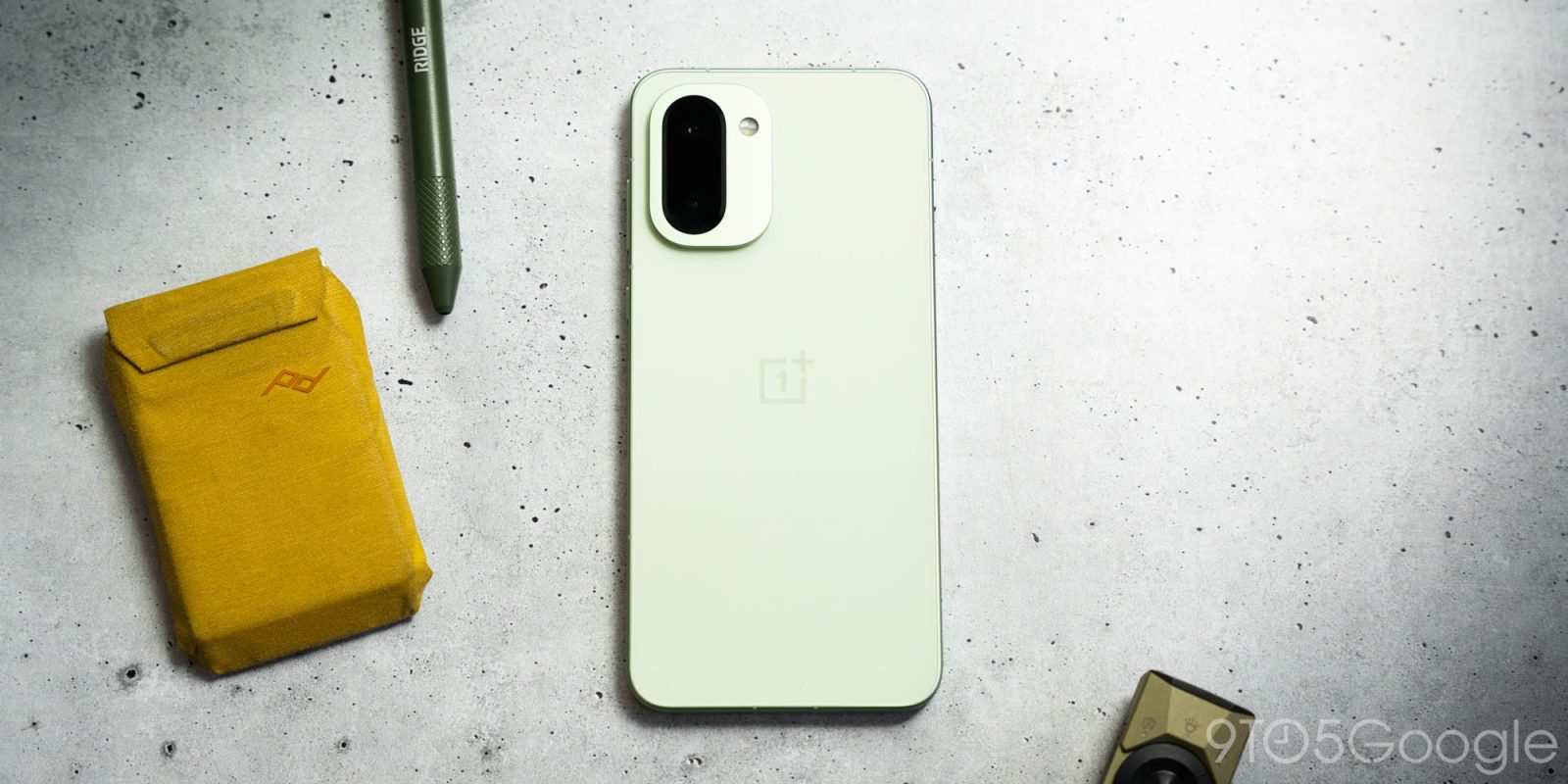
If you stuff a bigger battery and faster display into a device that copies its more expensive counterpart, does that make it a better phone? Hard to tell, but the OnePlus 15R falls into that category, and it’s a weird one.
On paper, the OnePlus 15R offers many of the same features as the OnePlus 15 – launched two months ago – at a lower price. The only true differences sit in small variables, like a slightly worse version of Qualcomm’s Snapdragon 8 series SOCs, or a barely better battery. Still, those tradeoffs and altered configurations might make the OnePlus 15R a more approachable package, as long as the price doesn’t deviate from the $699 launch tag.
The biggest difference between the two devices is seen in design. The OnePlus 15R adopts the new design language introduced with the 15, for better or for worse. I found it to be pleasant, if it didn’t carry the same character as previous models. The overall look emulates the look of both Apple and Samsung, even so far as including an action button on the left side in lieu of the beloved alert slider.
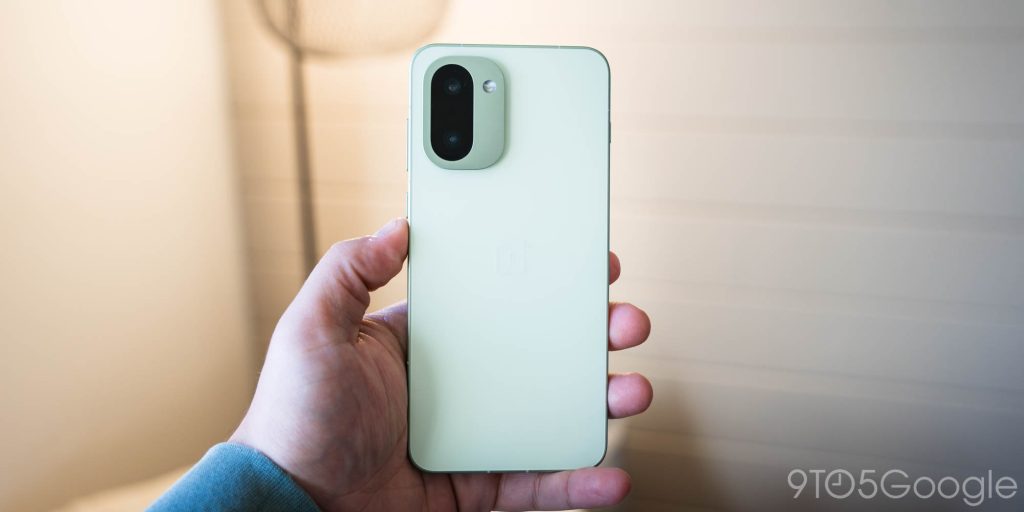
The lack of telephoto options makes the OnePlus 15R decidedly “budget” or “mid-tier.” With that, the rear camera bump sits narrow on top of the frosted glass backing. The backing, by the way, might offend some of the more sensitive users as it isn’t as smooth as OnePlus claims it is. It almost feels gritty to the touch, and I can’t unfeel it now.
On the internal spectrum, the OnePlus 15R opts for the Snapdragon 8 Gen 5, compared to the OnePlus 15’s Snapdragon 8 Elite series chip. It does, however, equip a slightly faster GPU with similar LPDDR5X Ultra RAM – something that may be worth snapping up while it’s still in stock.
That plays into OxygenOS 16’s marketing, offering up good performance for enhanced transition animations and especially all of the AI the company decided to pack into the phone. The company claims to use a proprietary CPU scheduler to optimize performance, and it’s really just tailored for gaming over anything else.
The 15R’s display pretty much equals up to the OnePlus 15, at 1272 x 2800 with a 165Hz cap. That steamrolls plenty of devices on the market, though it has a very narrow use case in gaming. In everyday use, 60Hz or more came into play through scrolling socials, the web, and editing photos here or there. It’s enough for a smooth experience, but it’s only ever become relevant for certain games that support the high refresh rate – I couldn’t find many that I’d actually play.

On the other side of things, OxygenOS 16 offers up a decent experience, though it felt devoid of some of the charm I’ve become used to in previous generations. As Will Sattleburg put it in his OnePlus 15 review, the new software focuses on AI with half-baked features to fill a void some of us don’t agree was there. That includes the AI writer, recording, and search tools that almost every manufacturer feels the need to stuff into an OEM package.
Further, OxygenOS 16 pilots “Mind Space,” which seems to be the deciding force behind the new action button. Mind Space is just the Google Screenshots app with more steps, though it does offer a voice note feature that could come in handy. OnePlus did ensure the tool plays nicely with Gemini, which is the default AI assistant on the OnePlus 15R. Still, tagging “… in Mind Space” at the end of a Gemini request feels cumbersome, and I’d prefer a more streamlined approach.
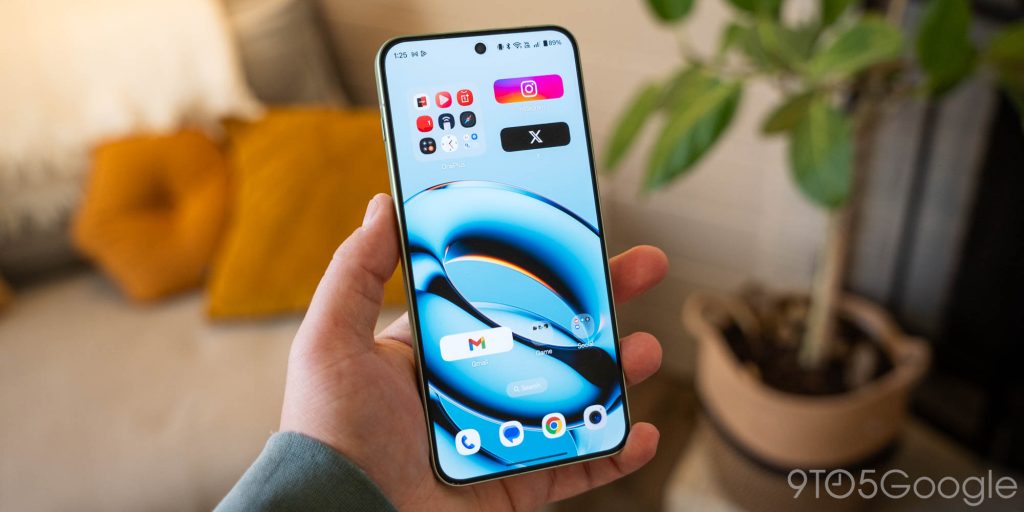

OxygenOS 16 does have some bright spots, like wallpaper and homescreen customization. Lock screen designs with layered clocks add a nice touch to the experience, and expandable app icons are something I wish Google would implement into its Pixel series.
Even if the overall experience feels like an Apple clone, the OnePlus 15R isn’t a pain to use. Once it’s set up properly for each individual user, it works fine.
Overall performance on the 15R felt rather good. I hadn’t felt like I was seeing software hiccups, and I’ve been able to use it for extended periods without issues. That includes gaming, in which OnePlus’ new vapor chamber cooling system seems to have come into play.
That’s an area where I can confidently say the OnePlus 15R does a phenomenal job – battery.
The phone carries the biggest battery – 7,400mAh – OnePlus has ever used to power a phone, and it only compares to tablets in a similar sense. In this case, that battery isn’t there to power a 12-inch display, and all of its energy is used on a device that measures thinner than the Pixel 10.
I haven’t had such a hard time trying to kill a battery, and truthfully, I didn’t ever let it get close. After two days of use, I would opt to get it back up to 100% for reassurance the next day. This is one of those instances where use case is going to determine your performance. Those theoretical power savings over a longer period of time could show up as an extra day of use, while heavier usage is more forgiving. For the heavy gamers out there, I can see a situation where playing a graphically intense title for 6 or 7 hours straight might get you down to 10%. In essence, my findings were positive but wildly inconclusive.
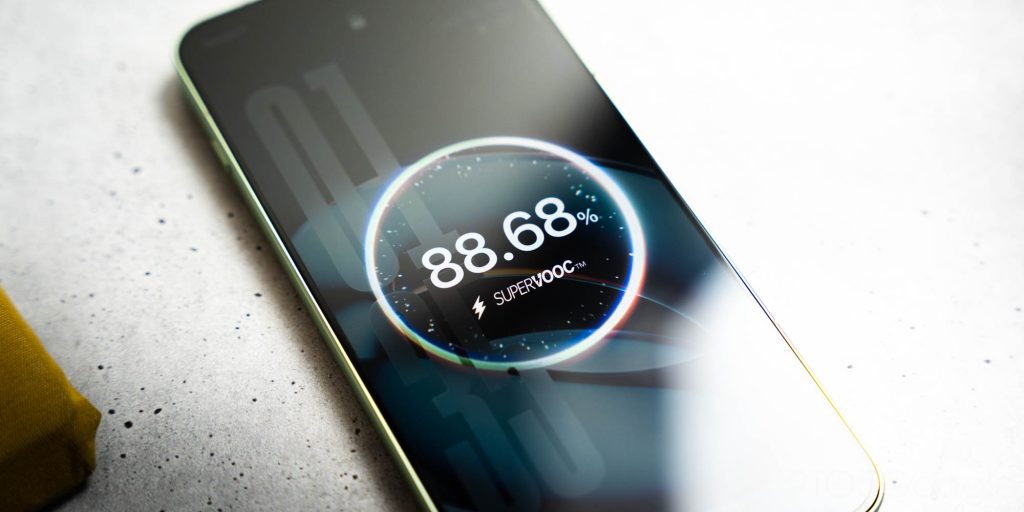
Fast charging is a must for something like this, so OnePlus made SuperVOOC the tech of choice with up to 80W charging – 55W with the included charging brick.
The downside, though, is a complete lack of wireless charging – forget Qi2 or “Qi2 Ready.” Even the OnePlus 15 supports it in some semblance, and it offers a comparatively similar 7,300mAh battery. I suppose this is case-by-case, but I would rather have some form of wireless charging with a split difference in runtime. Falling back to wired-only feels silly.
The OnePlus 15R also claims to break ground in its camera performance. As far as I experienced in my short time with the phone, I felt like the performance was fine. The company advertises excellent results with the “Clear Mode” and “Clear Night” options, although these options resulted in shots that felt overly processed.
At 50MP for the main sensor and 8MP for the ultrawide unit, there’s nothing to scream about here. There is, however, 4K video at 120fps capability, which is cool to see nonetheless.
Again, the OnePlus 15R falls in a weird spot. It’s technically very similar to the OnePlus 15, which was already priced much cheaper than its direct competition. The 15R is also supposed to be priced at $699 to start, though there’s a small caveat to that, given the recent trend in rising RAM prices brought on by an unwillingness to produce enough for user-centric devices amidst AI’s need for high-bandwidth options.
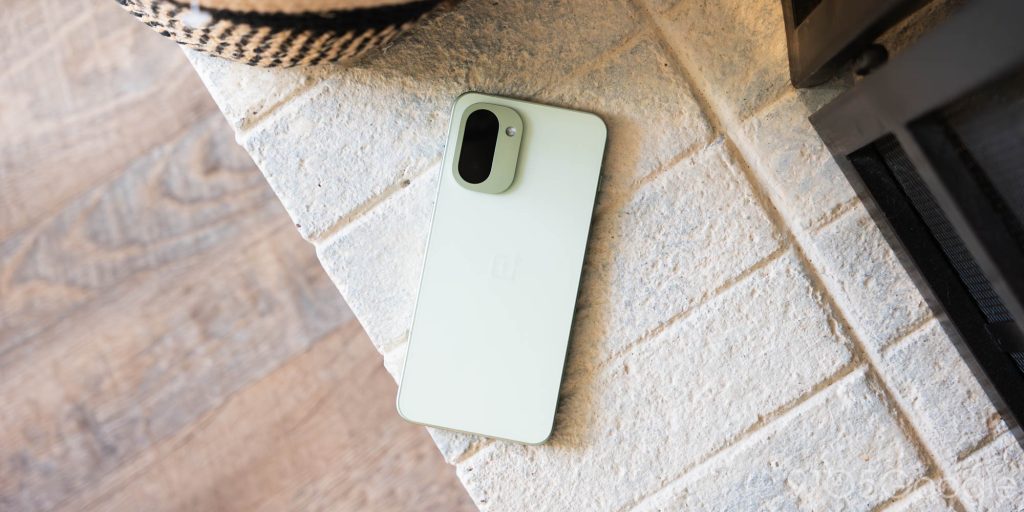
In essence, the OnePlus 15R feels like a good option that isn’t going to destroy the competition. It performs well, and it caters to gamers with high-end refresh rates and battery life. Others can certainly make due with it, especially if a 2-day battery life is something worth dropping wireless charging and an exceptional camera array.


FTC: We use income earning auto affiliate links. More.




Comments