
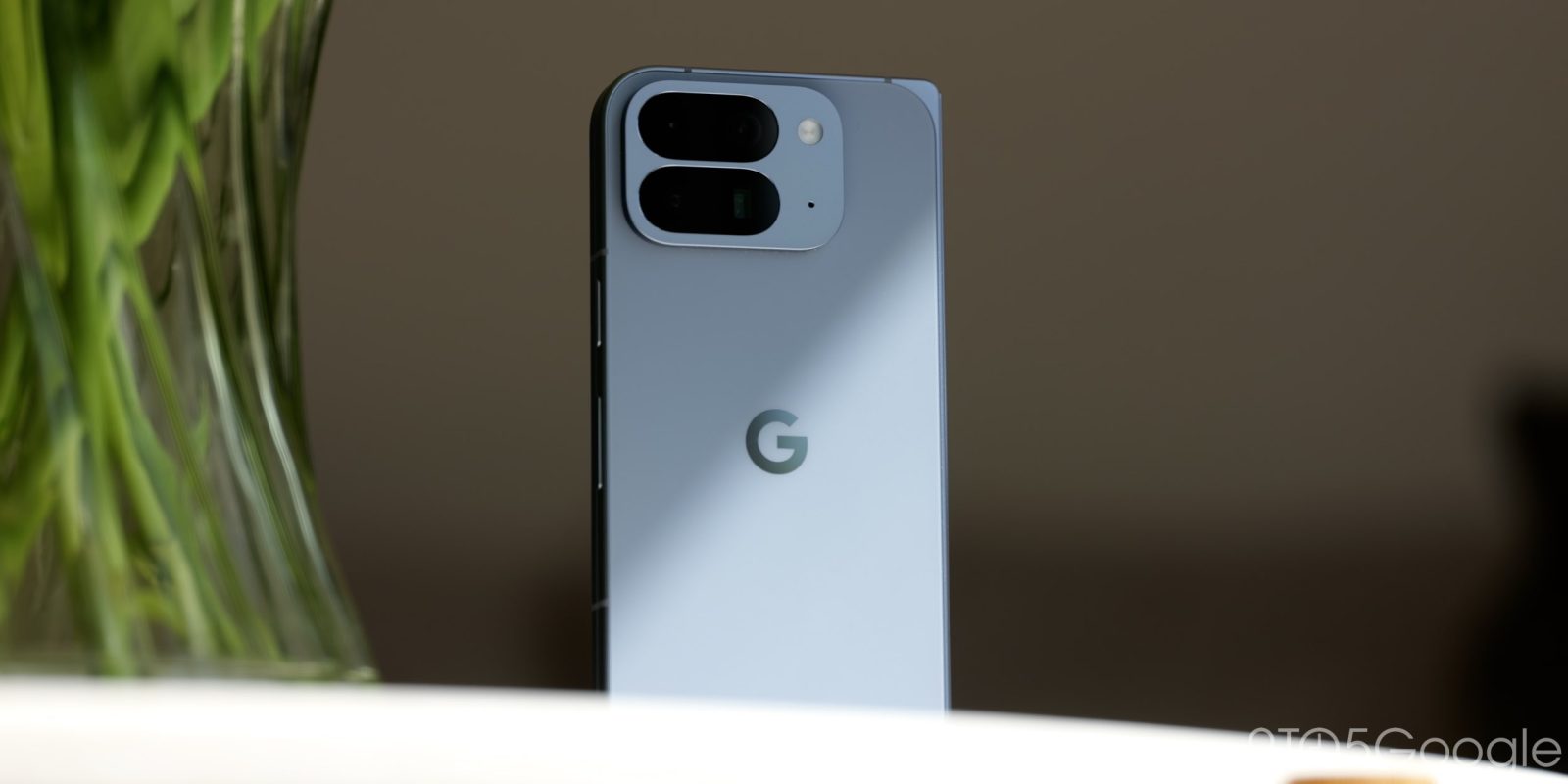
Another year, another spin at a foldable from Google, but as the Pixel 10 Pro Fold reaches six months on the market, just what is going well, and where could we get some improvements?
One thing I want to note is that I actually stopped using the Pixel 9 Pro Fold last year because I found its utility waned, but it remained in my rotation until the Galaxy Z Fold 7 arrived on the scene. However, that also dropped off when the Pixel 10 Pro arrived. There was a lot I loved, some things that irked me, and quite a few areas I hoped for improvement with the updated model.
So when the Pixel 10 Pro Fold arrived later than the “regular” Pixel 10 series, I was not so enamoured given its similarities – both positive and negative. However, curiosity got the better of me, and here I am a few months later using Google’s latest foldable, and I have some thoughts.
Table of contents
The same is samey
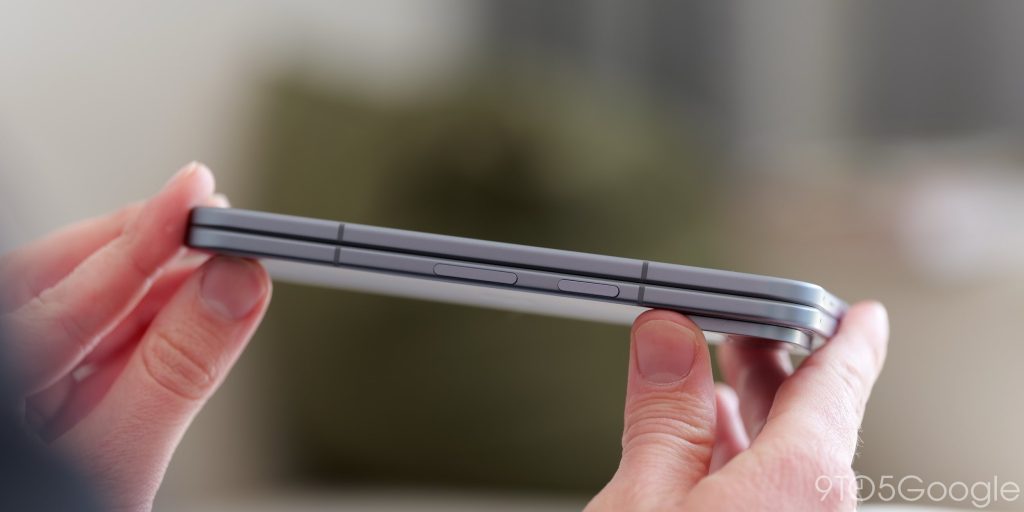
One thing that is 100% more apparent this year, more than ever, is that the Pixel 10 Pro Fold is substantially thicker and chunkier than the competition. You need to ask if that matters to you. I find that this has a couple of benefits, as this is a sturdy, stocky handset. It feels very high-end despite not necessarily being the “best”.
The added weight is going to put a lot of people off.
It’s a clean-cut, professional-looking hunk of glass and metal. Sure, it’s overshadowed by the Z Fold 7 and various other folding phones coming out of China. I like the design. It’s plain in the ways that I, personally like. There are some practical aspects I enjoy here, namely, the wider frame means the outer aspect ratio is more like the Pixel 10. Don’t get me wrong, I’m saddened that the bezels have remained the same, but it’s not a huge complaint.
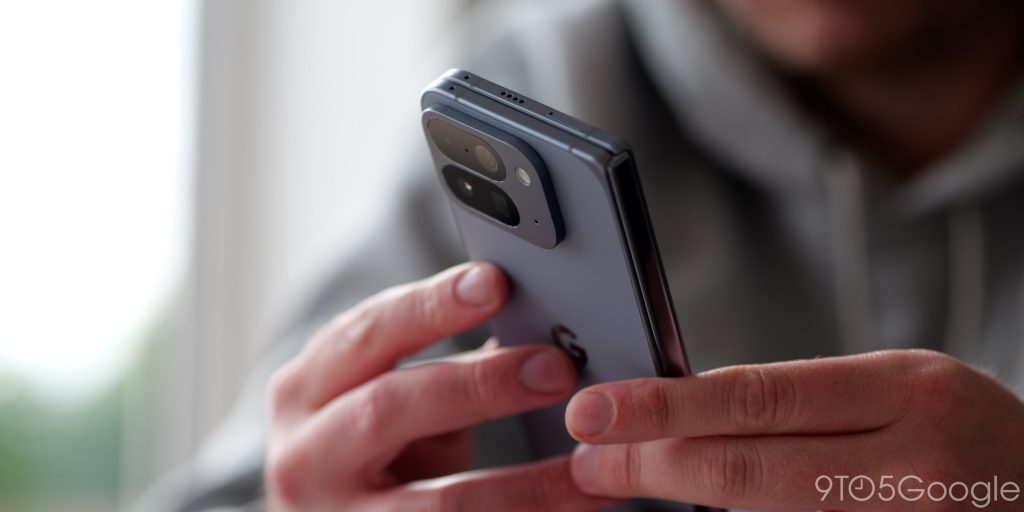
What irks me more is that, given this is technically the most flashy Google handset, we don’t get parity between the inner and outer displays. I think the outer display should be LTPO, not just the inner screen. It feels like a cost-saving measure. Sometimes you’ll immediately notice the refresh rate jumping around when quickly switching between the two screens. In isolation, it isn’t a huge issue, but it diminishes what bright, clear, and colour-accurate panels are. I’m constantly having issues with the inner screen smears. I’m not sure how Google fixes this problem, and it’s something that lots of phones suffer from.
Maybe one unexpected benefit of this extra heft is that the thicker frame helps the device sound, as there is more room for reverb and larger speakers. More room for reverb to give a fuller audio experience. The speakers are great for a device of this type.
I know the hinge has improved, and you can instantly feel the improvements. The motion is smooth and consistent, more so than the Pixel 9 Pro Fold did, as that can be a little “crunchy” in comparison. It feels very good, and even after thousands of folds, it feels reassuringly firm and precise. I still worry about the mechanism and have avoided using the Pixel 10 Pro Fold at places like the beach, despite the improved IP68 rating. I still won’t risk this phone in those environments as it isn’t worth the hassle of getting a repair.
To contrast that stress, I have been using the Pixel 10 Pro Fold completely case and screen protector free. I tried a dbrand case, but that was too bulky and screen protectors at the front don’t play nicely with some cases I’ve tried. I am surprised at how well this thing has held up. There are some tiny marks on the inner screen and maybe a few minuscule nicks at the front, but overall it’s flawless. Then again, I have babied this beast.
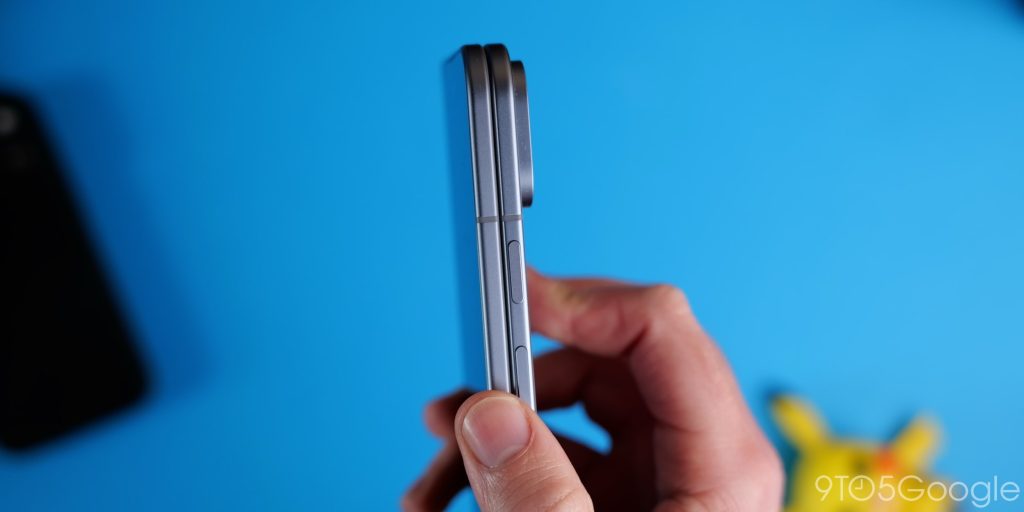
Regularly, I get people asking about the inner display crease. Yes, it’s still very visible. No more so than the Z Fold 7, but it is a permanent fixture that you either put to the back of your mind or hyperfixate on. I’m in the former camp. I have made peace with it for now, and it doesn’t affect how much I enjoy the bigger screen.
Over time, though, I’ve started to realise that a 1:1 or square aspect ratio just isn’t all that useful to me. It pulls into perspective just how good the Pixel Fold was as a concept. Sure, it was not a great device due to some hardware choices, but the inner screen ratio is just better. I want my foldables to emulate a tablet, and this is a halfway house with not all that many benefits.
I know it’s not necessarily feasible, but I would like an in-display fingerprint scanner for the outer display. I stopped liking the power button fingerprint scanner, as a quick tap unlocks my phone. I don’t always want that, and double-tapping the display just leaves it fingerprint-ridden and smudged. I’m still setting the auto-lock to 1 minute again, as I did with the 9 Pro Fold, to mitigate this annoying little issue. I guess the Fold is suffering from success in that regard.
What’s it like to use?
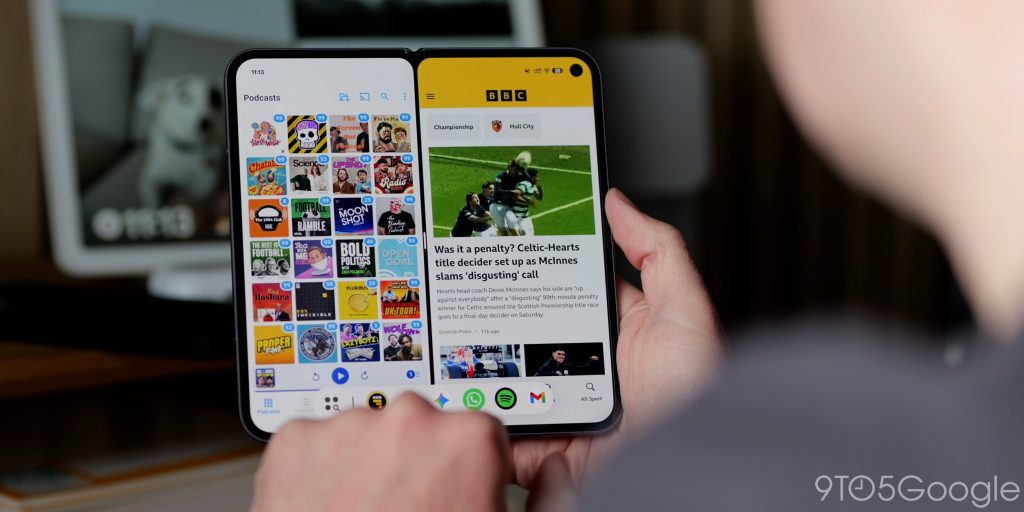
Performance is absolutely fine, but is “fine” enough for people who care about having the best in the business. There are lots of ways in which the Pixel 10 Pro Fold is a few steps behind, but the optimization is hiding a lot of this. It is the biggest benefit of going with a Pixel over the competition. It feels snappy in spite of the internals.
I’m still kind of lost as to how much use the inner display has become. I have found that the apps I was excited for, like Pokémon TCG Pocket and Balatro – which oddly are games – do not fully take advantage of the bigger play area. There are lots of apps that I use day-to-day that just break. I use Zerocam over the default camera application quite a lot, but it simply does not work properly with the inner display. There are tons of other examples like this, like Reddit, Instagram, and many more that try to apply a regular phone layout to the increased inner screen real estate.
After some experimentation, while I can’t take credit for this, you will have a better experience when using various apps and services in a browser window while using the inner screen. I’m stopping short of calling that a “hack”, but trust me, it’s a vastly better experience.
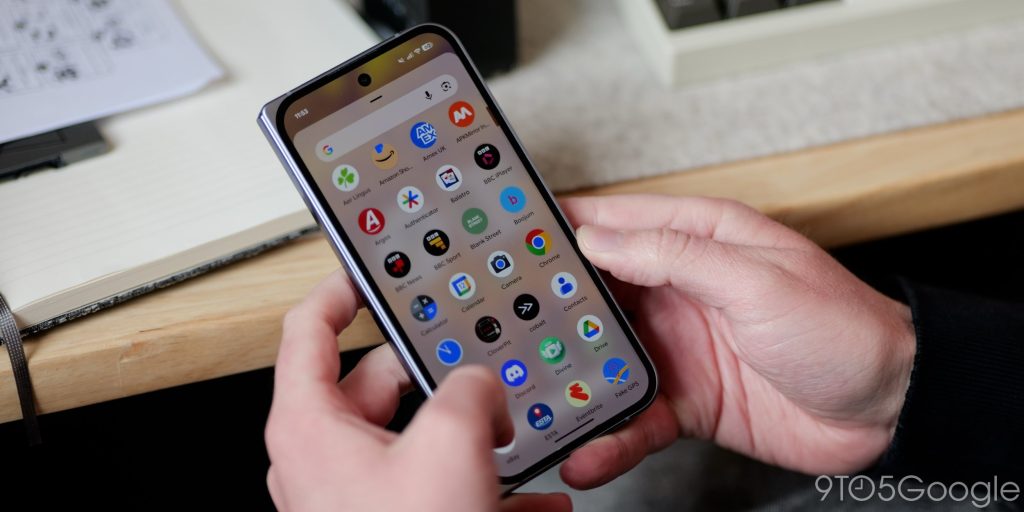
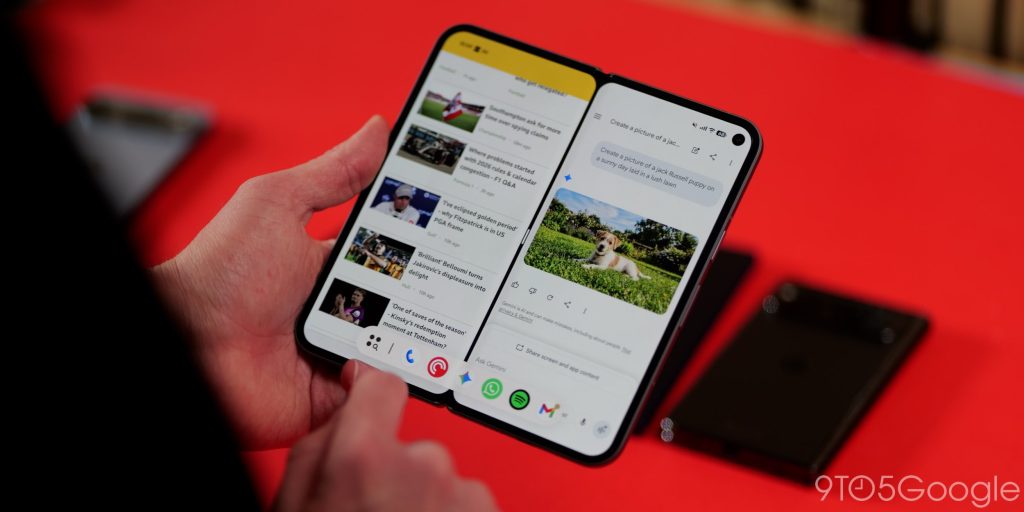
We need more apps to flex and bend to the larger internal screen and work better on a larger canvas, and Google, for the love of all that is good, please add the option for separate layouts for the inner and outer displays. This is something that drives me crazy. Maybe we could even get some fold-specific widgets that might adjust or alter based on the orientation or opening of the inner screen. That would be clutch.
I know the desktop mode allows for more apps to be used simultaneously, but why do we still have a two-app limit? It was fine at first, but it would be useful on that bigger inner screen.
I love that Material 3 Expressive is getting even more playful, because the Pixel 10 Pro Fold is just more thoughtful and interesting than any other OEM skin out there. Yes, we could do with a few more features to catch up to the other players, but it’s hard not to love using this phone.
We need a better camera at some stage
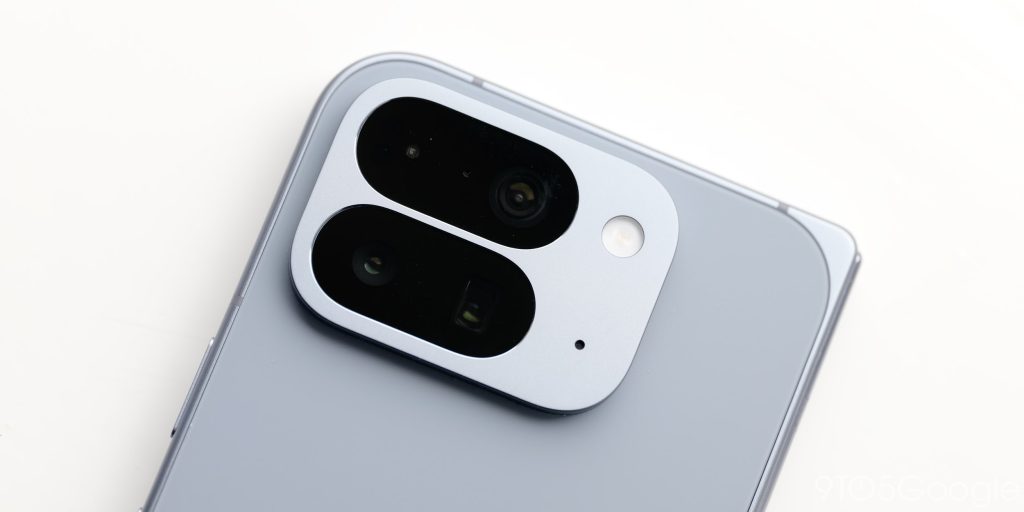
The camera is almost always the weak point within the growing foldable phone market and it’s not secret that the Pixel 10 Pro Fold needs some work, because it is being held back by the setup. The tuning remains solid, but the issues become more apparent the more you use it.
I often struggle to come to terms with the lesser setup. It’s less of a problem on the Pixel 9a or 10a, but here is feel out of sorts with the rest of the experience. The main sensor is solid enough, the wide-angle is fine, but the telephoto isn’t all that great. There is a lot of noise in images, and it’s hard to flatten out these imperfections with processing alone. On rare occasions, photos look soft. I’m never truly disappointed. That said, the Pixel 10a can do almost as much at one-third of the price. Is that fair?
Google will try to spin this otherwise, but the Pixel 10 Pro Fold uses what amounts to a mid-range setup on what is supposedly a flagship foldable phone. It’s not ideal, but it’s due to hardware limitations of the form factor. Maybe we’ll get a breakthrough that doesn’t compromise at some stage. For now, Google’s folding phone camera systems are right in the middle ground between the A-series, base model, and way below the Pro tier despite having “Pro” in the name.
I’m left wanting more, because I know what a Pixel phone to be capable of.
Longevity and lifespan
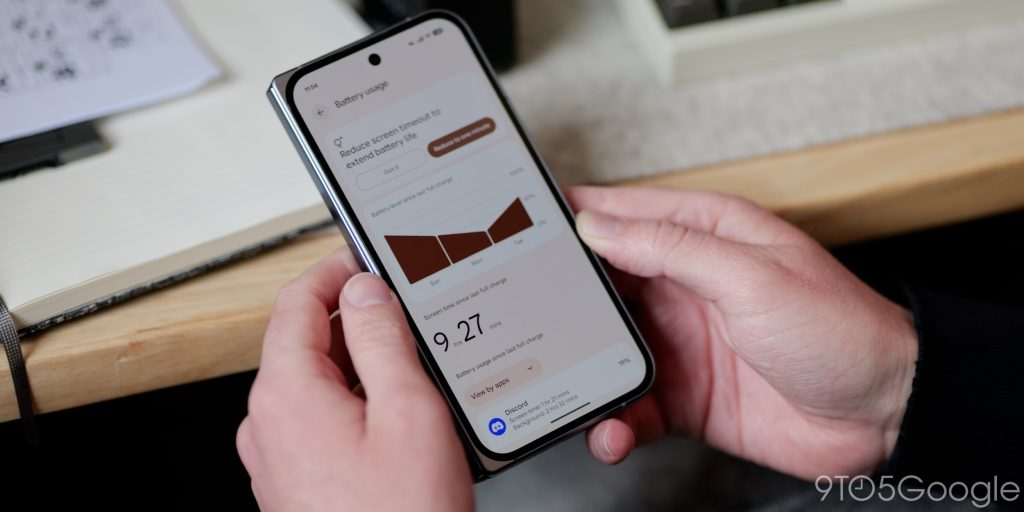
Battery life is solid enough for a phone of this type. I’d put it above the Galaxy Z Fold 7, which I found wasn’t great given it has a much smaller battery. Although the lifespan can vary depending on what screen you’re using heavily.
If I’m glued to the larger inner screen, I can get 5-6 hours of screen on time just browsing the web, playing a few hands on Balatro or trying to catch up on the latest episode of The Boys. To me, that’s comfortably long enough to last me well into the evening.
On days when I’m out of the house and connected to 5G networks, it dips a little bit, not as drastically as I expected. I tend to stick to the outer screen on those occasions and hit similar SoT figures. A few recent updates appear to have stabilized the battery experience for me, as sometimes it could be a lottery as to how quickly the battery would drain.
The Pixel 10 Pro Fold sits around the middle of the pack for longevity in its own class. I can deal with it without stressing, and that has been one of the things I’ve enjoyed in recent years with Pixel phones. Less battery anxiety across the board.
Top comment by Cristian Ruiz
Having owned all three Pixel Fold models so far, I definitely agree with this long-term review. While the 10 Pro Fold is better than the previous models in various subtle ways, and I'm generally happy with the phone, it does feel like Google's has held back on upgrades that are way overdue.
In particular, it's confused me in the way that they give it the "Pro" moniker, but it doesn't get the same Pro features compared to its siblings. The cover screen is lower resolution, lower brightness, not LTPO, and has thicker bezels. The cameras are lower resolution across the board, you can't shoot at full-res on the main camera, and there's no 8K video. Wired and wireless charging is slower. Just about the only thing that is "Pro" about the 10 Pro Fold is the increased RAM, the inner display specs, and the price.
While I understand that there needs to be compromises given the form factor, I feel like there's got to be a way for Google to improve all of those things to some degree. Better cameras, in particular, is at the top of my wish list, even if they can't quite be at the same caliber as the non-folding Pros.
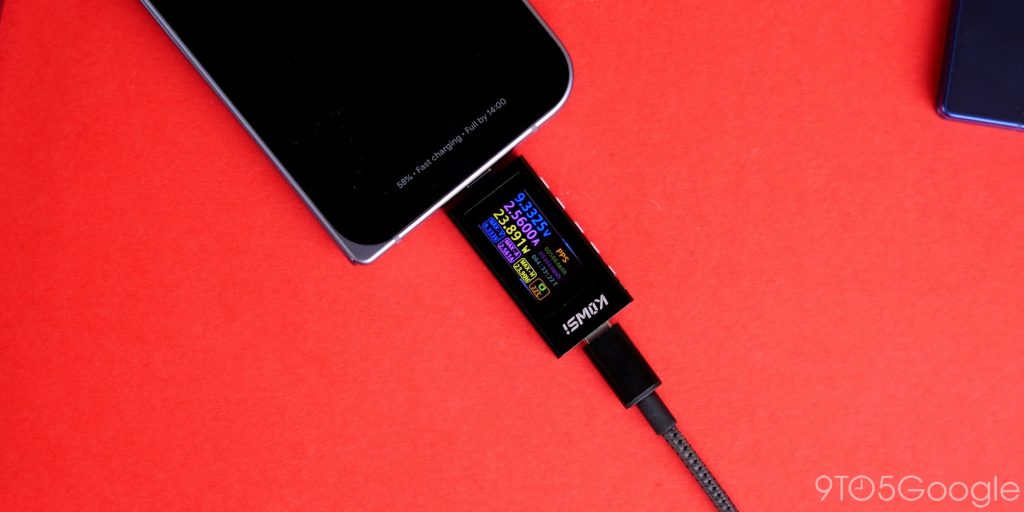
I am desperate for faster charging. It’s very slow by modern standards, and I would just love it to be above 45W at some stage because waiting over an hour for a full charge feels criminal to me. Pixelsnap is a big saving grace, though. The Pixel 10 Pro Fold is the only foldable that has Magsafe compatibility right now, which I think is a big plus point.
Is the Pixel 10 Pro Fold the best foldable option?
I’ll be honest, there are many better foldables out there that make the Pixel 10 Pro Fold look basic or rudimentary. Even when that is parked to the side, there is a lot to love, mostly from the software side of things. The hardware feels like it could do with some tuning, and to Google’s credit, they have tried a little bit to make some gains over last year without throwing away the bits that made the Pixel 9 Pro Fold a good option almost 18 months ago.
Foldables are niche products, and this is one of the most niche options out there because it doesn’t drastically move the needle for Google’s foldable smartphone efforts. I think it’s absolutely fine in that it has some good traits to cling to.
Is it worth it? I’m not entirely convinced unless you can deal with some trade-offs. These are the same trade-offs that you hear about with every single folding phone review period. I dearly want to love the form factor, but I can’t help but think that another phone has all the other bells and whistles that I want and covet. Google has made a nice folding phone, but not one that is all that easy to recommend unless at a significant discount. Luckily, we’re six months on from launch, and that means you can get good deals. It softens the blow and makes it easier to stomach and easier to recommend. Just make sure you’re acutely aware of the drawbacks.


FTC: We use income earning auto affiliate links. More.


Comments