
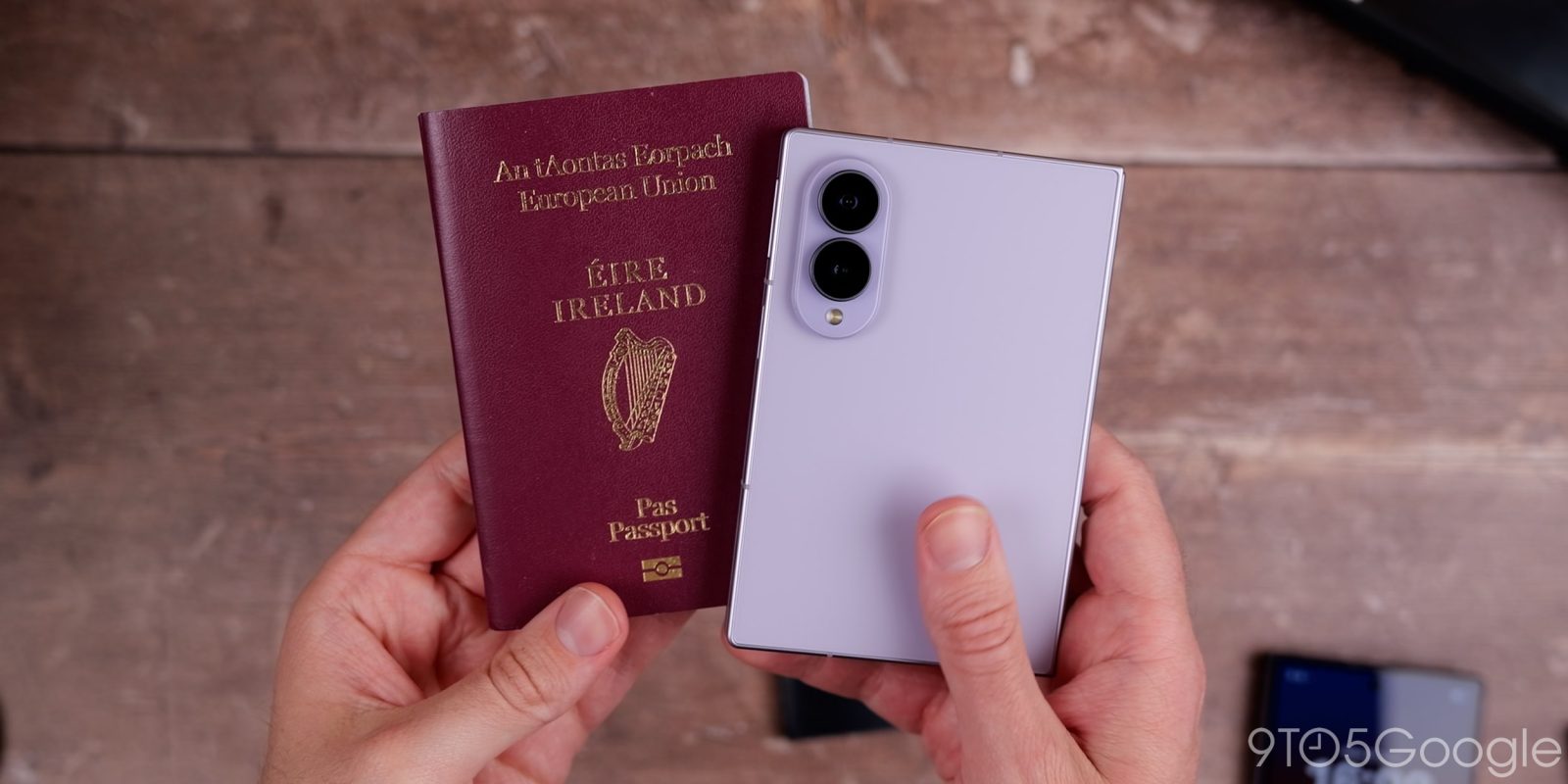
Samsung has beaten Apple to the punch, but I’m annoyed that while it’s, in fact, a fantastic device, it’ll only help bolster the sales of the long-rumored iPhone Fold.
It is a really ironic position for Samsung to find itself in. They have spent years flexing their engineering muscle, burning through iterations, and pushing folding display technology to its absolute limit to lead this space. Although I would argue that some others are doing the “traditional” foldable better now.
Yet despite all the leading, innovating, and market domination, Samsung’s latest flagship wide-body foldable might just end up courting buyers right into Apple’s hands with its iPhone Fold.
The cynic in me sort of feels that, like the Galaxy S25 Edge, getting ahead of Apple was a calculated play to try and court those who are intrigued by the form factor, but maybe not ready to commit to the very compromised 1:1 aspect-ratio’d Z Folds. It’s hard to argue that most folding phones are narrow devices that feel like holding a thick TV remote when closed.
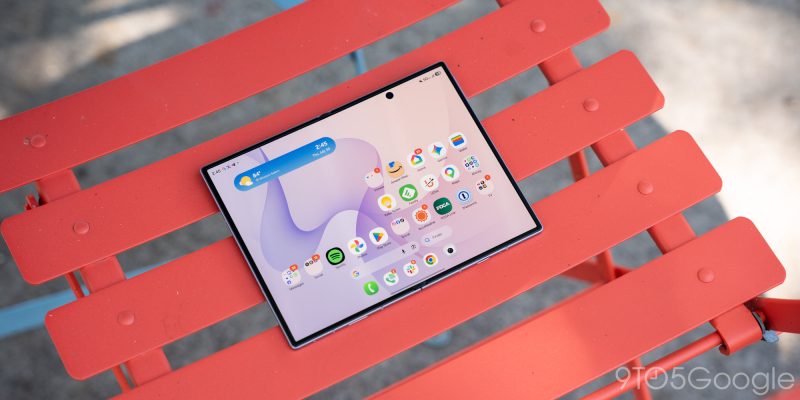
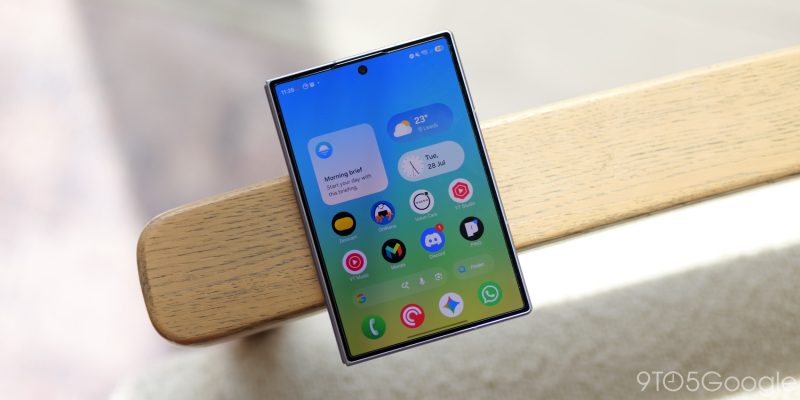
The Galaxy Z Fold 8 is refreshing compared to Samsung’s previous folding phones because it’s leaning into the entertainment strengths that are supposedly why folding phones are so popular. As with any tech product, there are always going to be compromises, especially when it’s a 2-in-1 experience. Foldables are mature, but the wide body feels like it’s ready to be fully explored. In my mind, a wide-body folding phone is the optimal design. The final form is the tri-fold, which, coincidentally, Samsung has managed to ship to those with deep enough pockets.
Back to the Fold 8: for the most part, many reviews have pointed out how refreshing the Z Fold 8 is despite the fact that Oppo and Google did it first. Samsung has just done it better than anyone thus far. In fact, the Z Fold 8 is easily one of my favorite smartphones of the last few years. As soon as I picked it up, it made sense. I carry it as a secondary phone with a backup SIM. It is my Balatro-playing, web-scrolling, book-reading, movie-watching phone. It’s a small tablet, but also a small phone; there’s literally nothing to hate in my mind.
It probably doesn’t help that Samsung grapples with a fundamentally different challenge than Apple. Samsung is forced to lead the space, combat a wave of aggressive Chinese competitors, and constantly prove why it deserves to be the king of Android hardware. It has to innovate in public, iterate openly, and deal with the early design missteps that come with pioneering new categories.
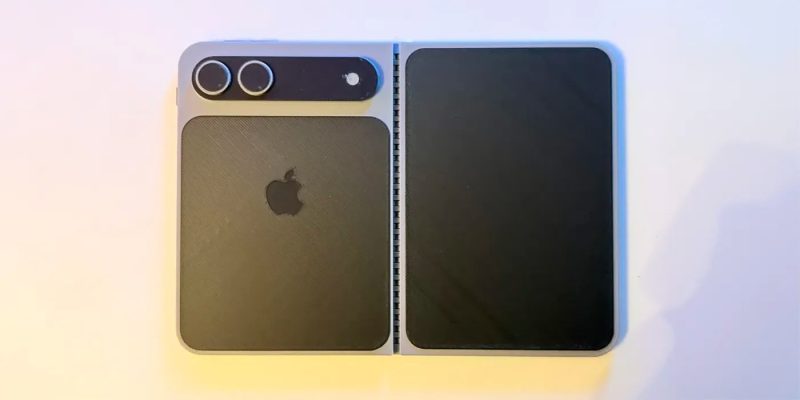
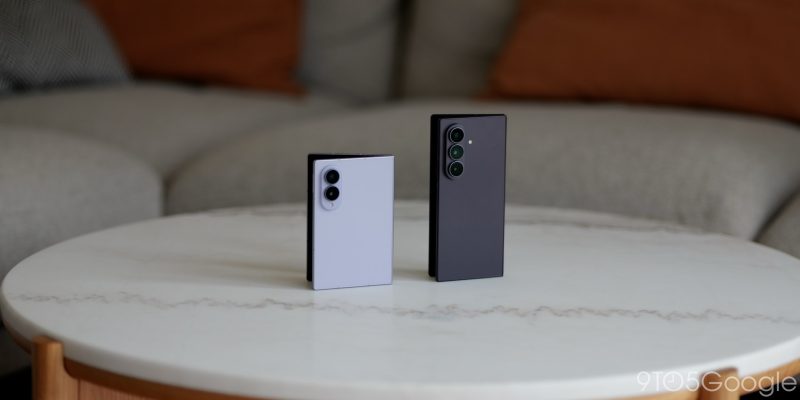
When everyday people see the Z Fold 8 in public or read reviews praising its new wide-body format, they don’t necessarily think about switching to Android. Instead, they think, “If a folding phone can finally look and feel this good, I can’t wait to see what Apple does with an iPhone Fold.” Samsung is doing all the heavy lifting of educating the public and legitimizing the form factor, only for Apple to potentially reap the rewards.
Cards on the table, I do not like iOS, but I’m under no illusions that Apple will have optimized every single aspect of the experience to maximize the experience on the inner and outer screen. Android’s foldable software has improved significantly over the years, but app optimization across varying aspect ratios on Android remains a hit-or-miss affair depending on whether developers care to update their apps. I’m having a great time, but some things could be better. Apple doesn’t have that problem—when Apple drops a new form factor, developers fall in line almost immediately.
We might have differing opinions on our mobile OS of choice, but 9to5Mac’s own Fernando Silva had some very positive things to say about the wider Galaxy Z Fold 8. While we’ve had folding devices for almost a decade, it’s interesting to see the critiques from an Apple-centric position. I implore you to go check it out.
In hindsight, the iPad Mini was the very first step ahead of a potential iPhone Fold. It’s a compact tablet running iPadOS with multi-window capabilities tailored for small-format tablet displays. The second step was the ultra-thin design language introduced with the iPhone Air. Apple’s undoubted prowess in the tablet space has likely held back some internal ambitions to ship a folding phone. They didn’t want to cannibalize their own iPad Mini sales until the market was mature enough to justify merging those two product lines. The tech market is mature now, so for Apple, it’s clearly time to enter the space.
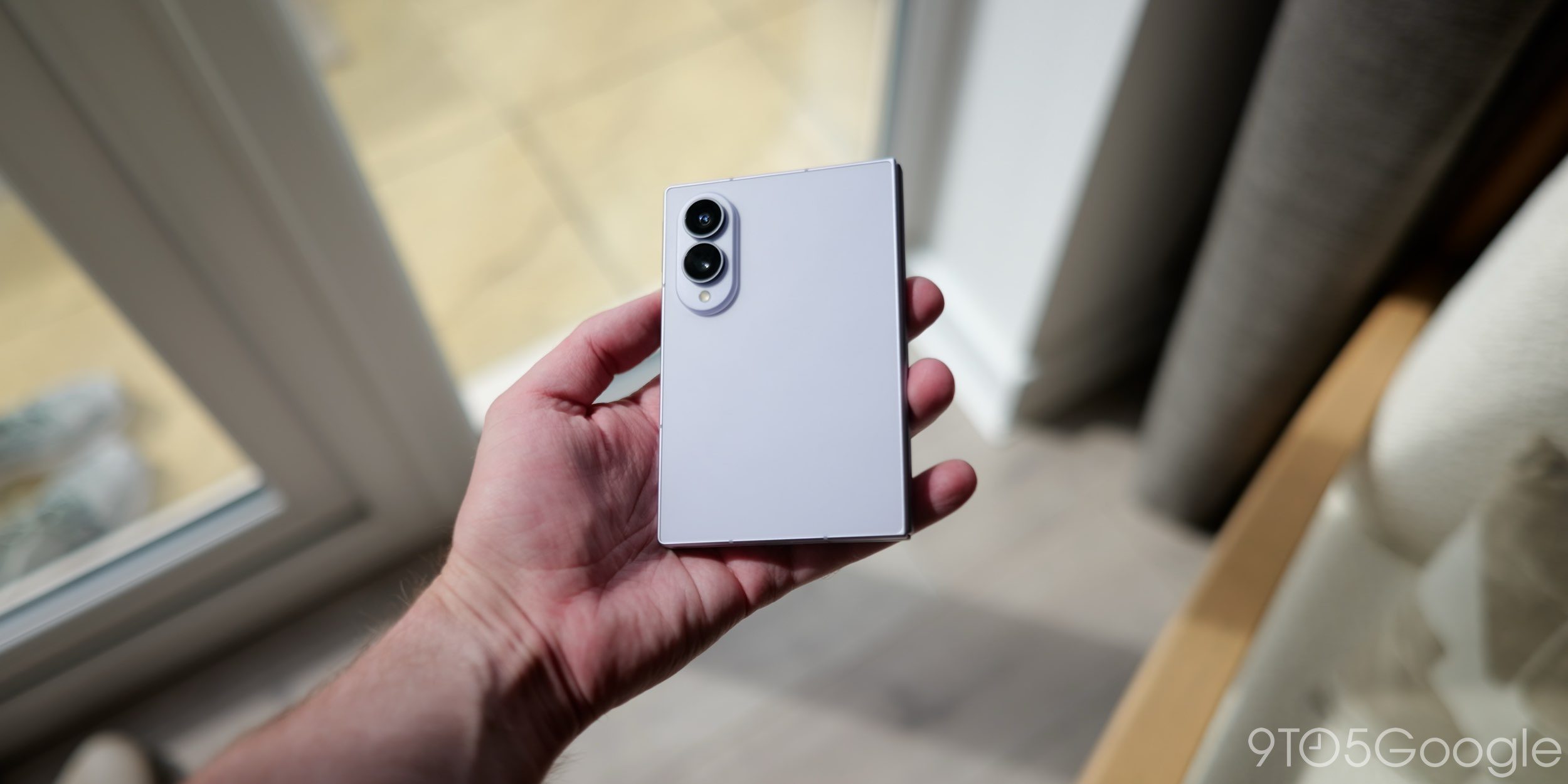
When an iPhone user looks at a Galaxy Z Fold 8, they see an incredible piece of engineering, but they also see One UI, a different app ecosystem, and a departure from their comfort zone. Instead of acting as a gateway to convert those users to Samsung, the Z Fold 8 serves as a proof of concept.
It proves to the “average user” – a phrase I’m not all that fond of – that folding phones are no longer delicate, awkward experiments with annoying aspect ratios. It reassures them that the hardware is ready, leaving them content to simply wait for Apple to drop its own version. Samsung has built a fantastic device that, annoyingly, has accidentally become the ultimate marketing campaign for Apple’s next big thing.


FTC: We use income earning auto affiliate links. More.


Comments