
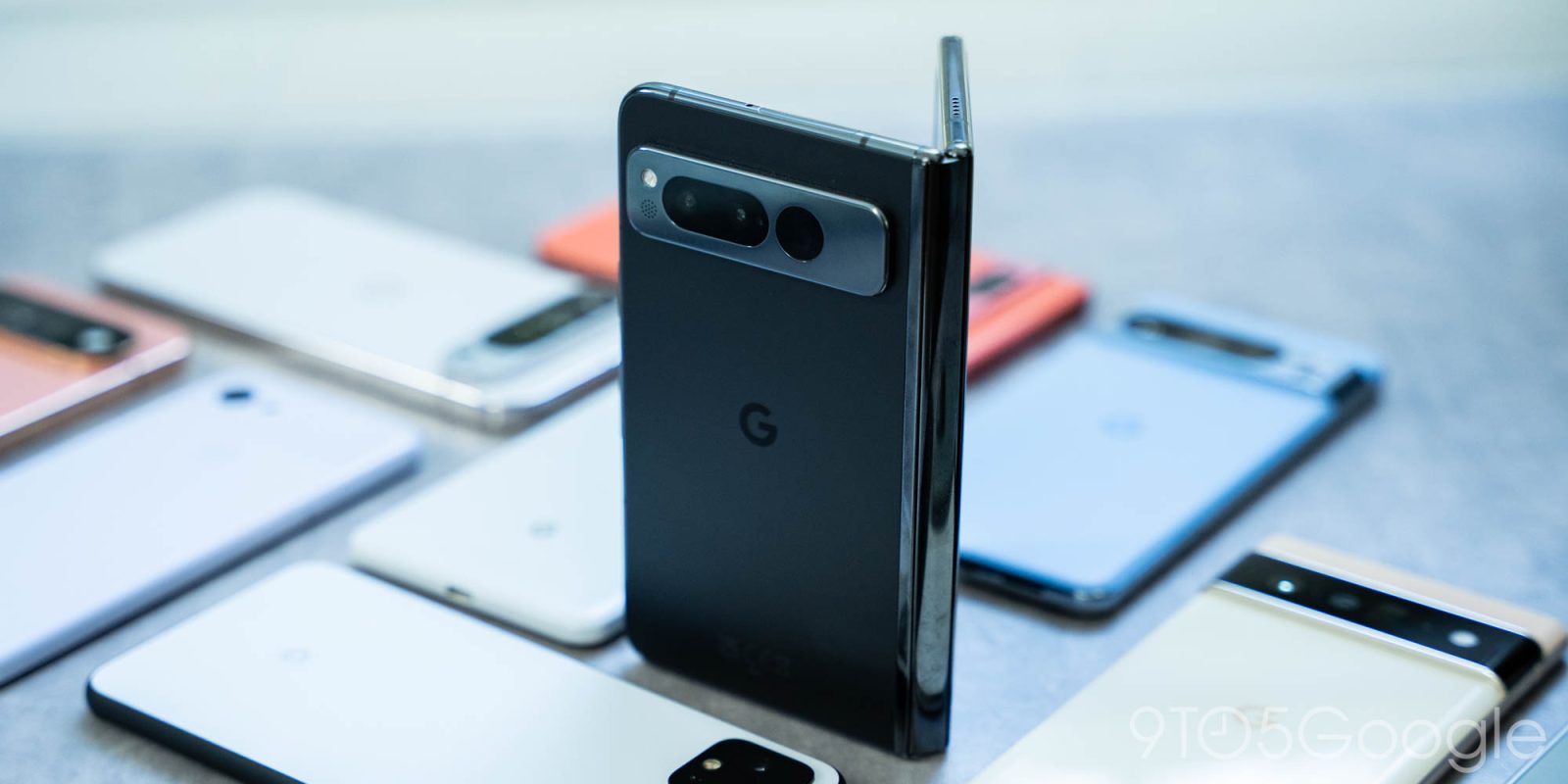
Google’s original Pixel Fold was inherently flawed but also fundamentally way better than I expected and, thanks to recent arrivals, also way ahead of its time.
Foldables were still very much going through growing pains in 2023 when Google stepped up to the plate with its first foldable, the Pixel Fold. At the time, I called it “better than it should be, but far from perfect,” and I stand by that. Even with hindsight of three more Google foldables and the rapid improvements of the rest of the industry, the Pixel Fold managed to do a lot right at the time. It offered sturdy hardware, respectable cameras, and less compromises than most other foldables of the time.
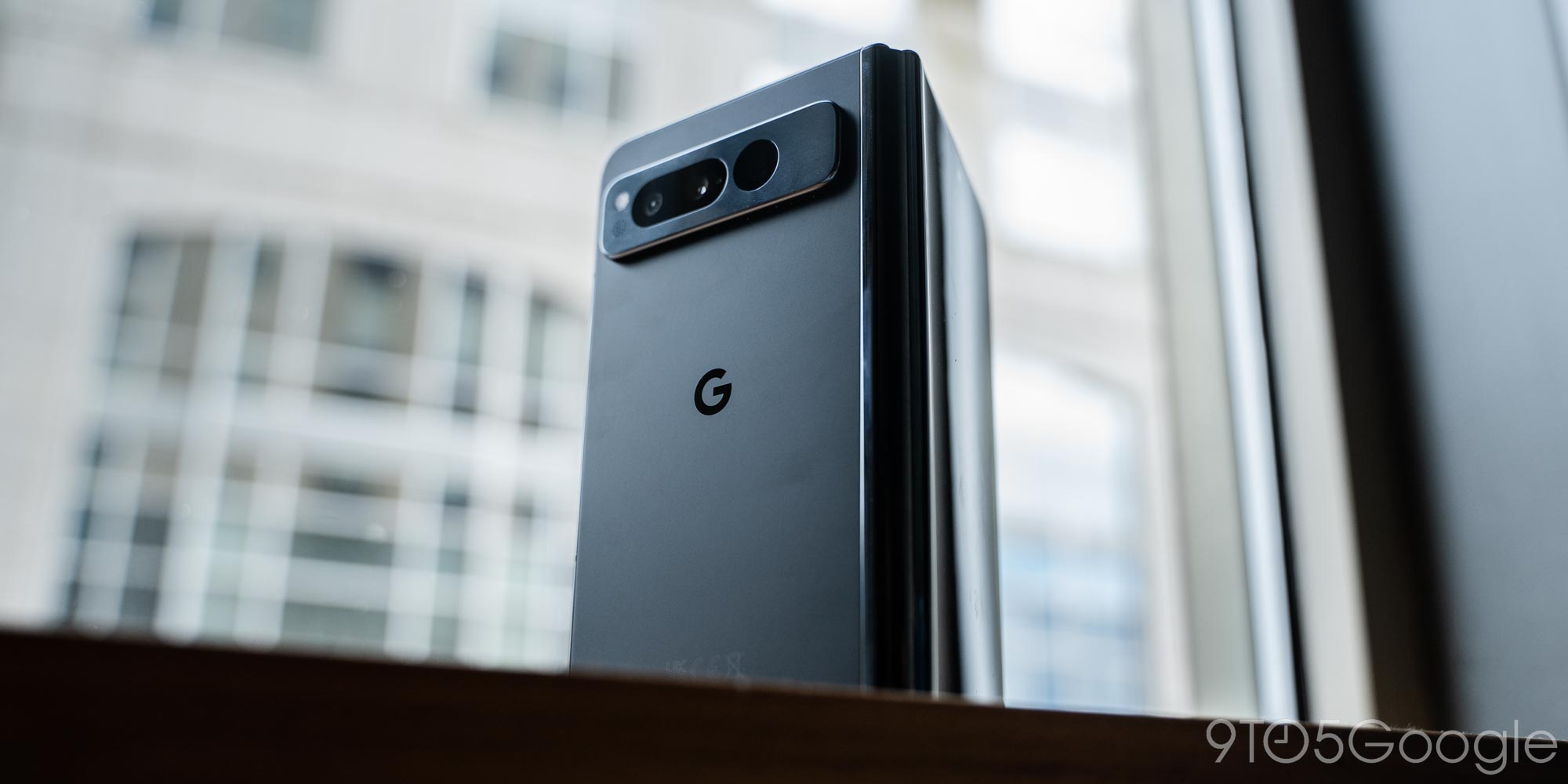
Has it aged well? Not particularly. The glossy finish to the metal frame remains a fingerprint magnet in the worst kind of way, and the sheer heft of this phone is wild. I don’t often take issue with a heavy smartphone, but especially compared to the Galaxy Z Fold 8 I’ve been using the past couple of months, the original Pixel Fold is noticeably heavy in the hand. The crease down the center is huge, and it’s a thick device too. And, three years later, I can only imagine how bad Tensor G2’s heat management issues have become – that was ultimately the deal-breaker for me when I was using the device last.
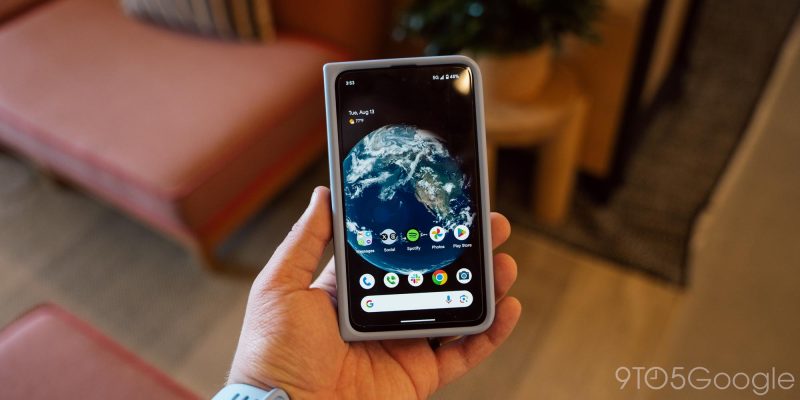
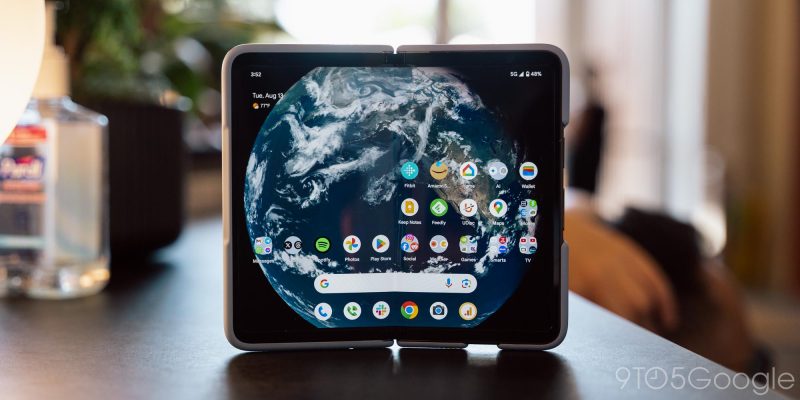
Yet, for everything it got wrong, the Pixel Fold got one thing right, the form factor.
In the wake of Apple’s debut in the foldable market, brands are quickly pivoting to wider form factors, and they seem to be resonating with customers. The Galaxy Z Fold 8 is a smash hit, and I bet we’ll be seeing a lot more of these wide foldables over the next year.
But the Pixel Fold did it three years ago, albeit with a lot less flash.
Google’s foldable looks almost normal compared to a Galaxy Z Fold 8, but the core idea is the same. The wider canvas is designed for better multitasking and tablet apps, something that I pointed out in my original review. Where Samsung’s foldables were really good at using phone apps on a bigger canvas, the Pixel Fold was far more likely to trigger a proper tablet version of an app instead.
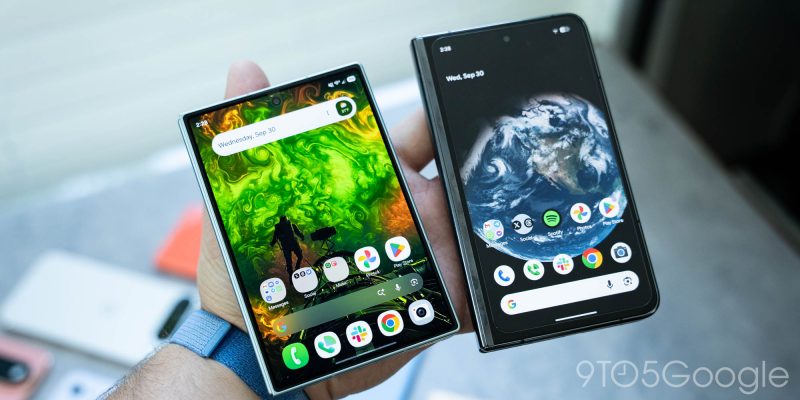
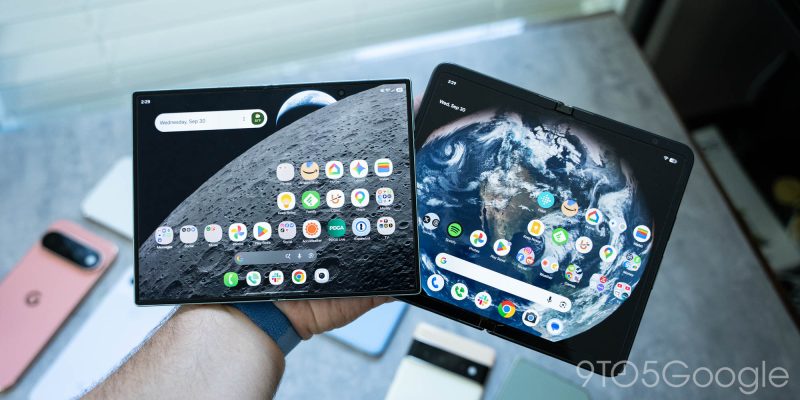
Google ultimately threw that away. Why? Android apps simply weren’t ready at the time. While Android apps have always been designed around scaling to form factors, bigger and wider canvases were still in the minority, and most apps didn’t fully support them. As such, the taller and squarish design just made more sense.
Arguably, it still does, but Samsung’s Galaxy Z Fold 8 has shown that it works when you do it “right.” Two months into using it, I’m thrilled with this form factor, and a bit annoyed that Google gave up on it so quickly even though, at the time, it probably made sense. Unfortunately, that’s a bit of a trend in the Pixel’s legacy and Google’s as a whole – Inbox, Stadia, etc. It doesn’t take much to find a Google idea that was left behind too quickly.
It’s anyone’s guess when Google might revisit this design, but I hope it happens.
More on Google Pixel:
- The Pixel 3a might be the most important Google smartphone to date
- The Pixel 4 is still my favorite Google smartphone hardware, and it holds up
- The Pixel 5 doesn’t get enough credit for making the best of a bad situation
Follow Ben: Twitter/X, Threads, Bluesky, and Instagram


FTC: We use income earning auto affiliate links. More.


Comments