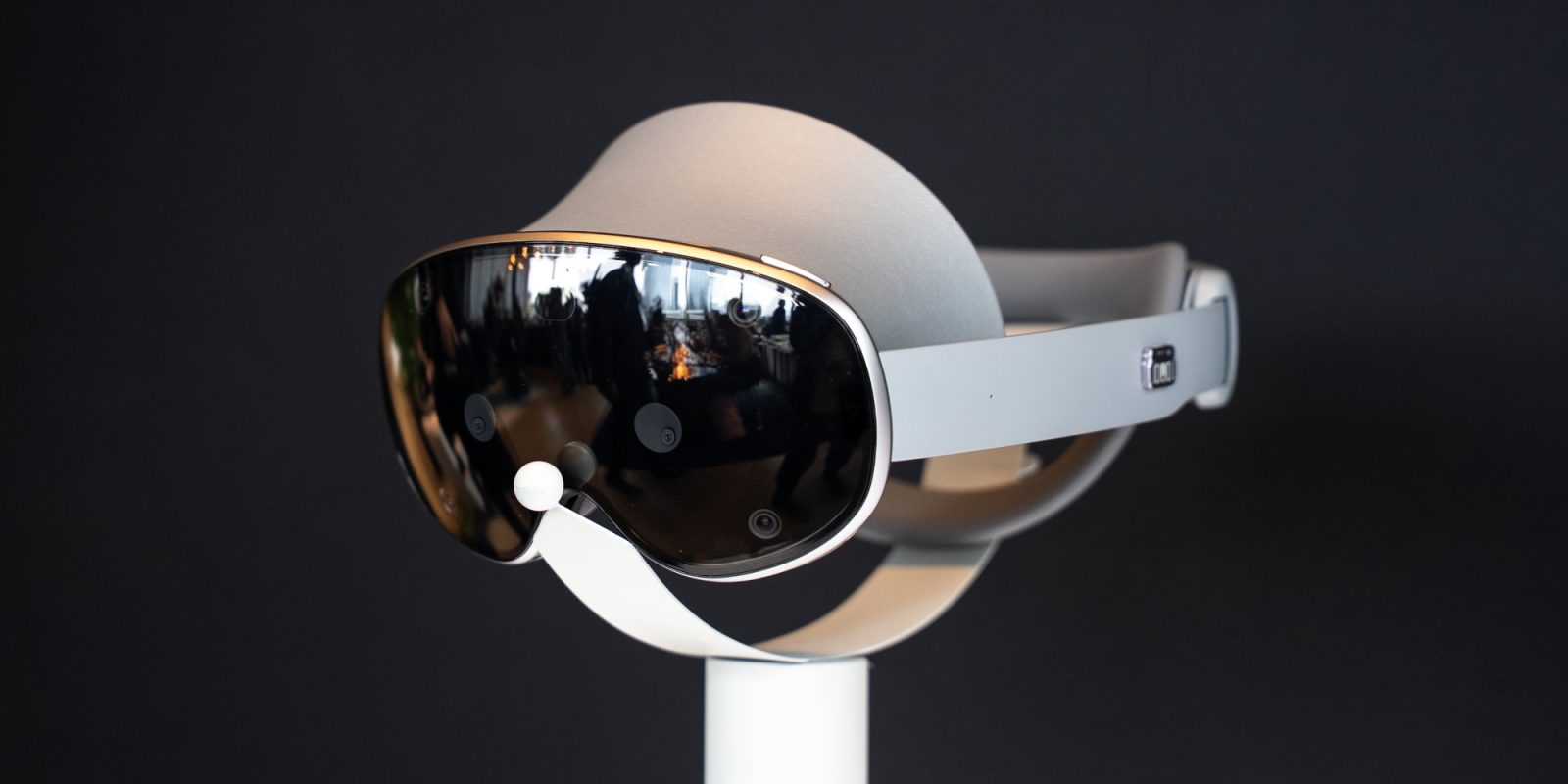
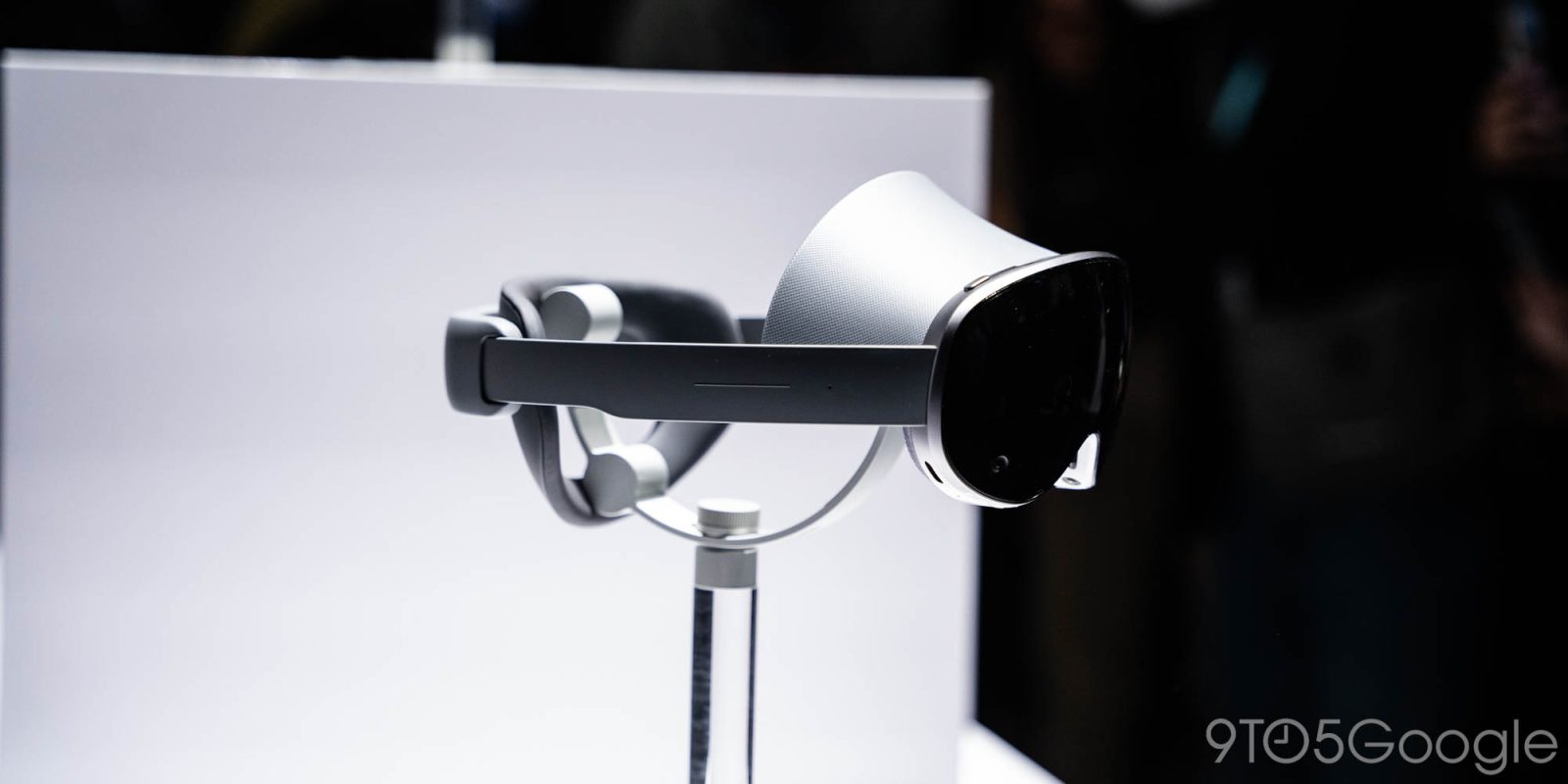
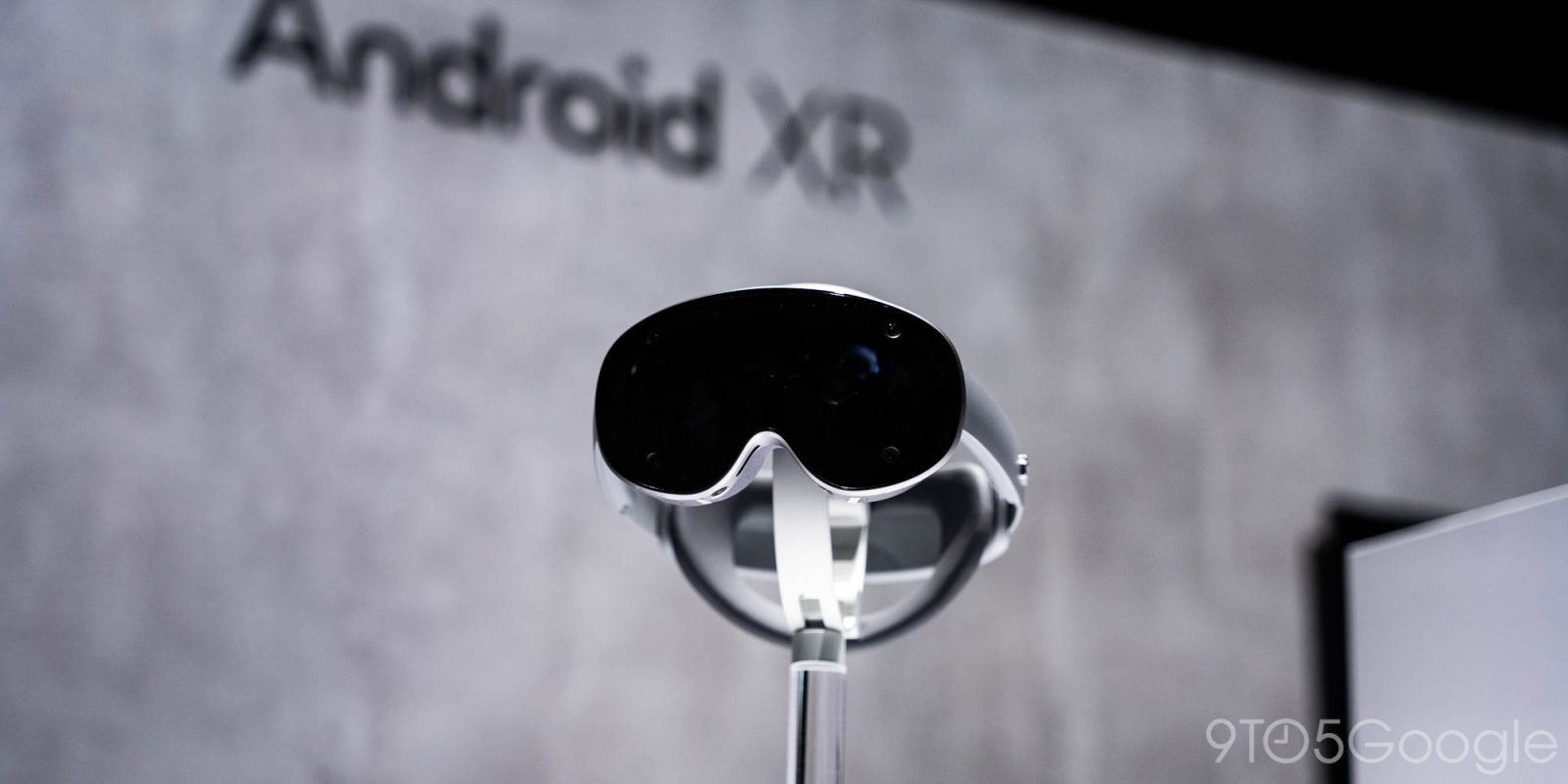
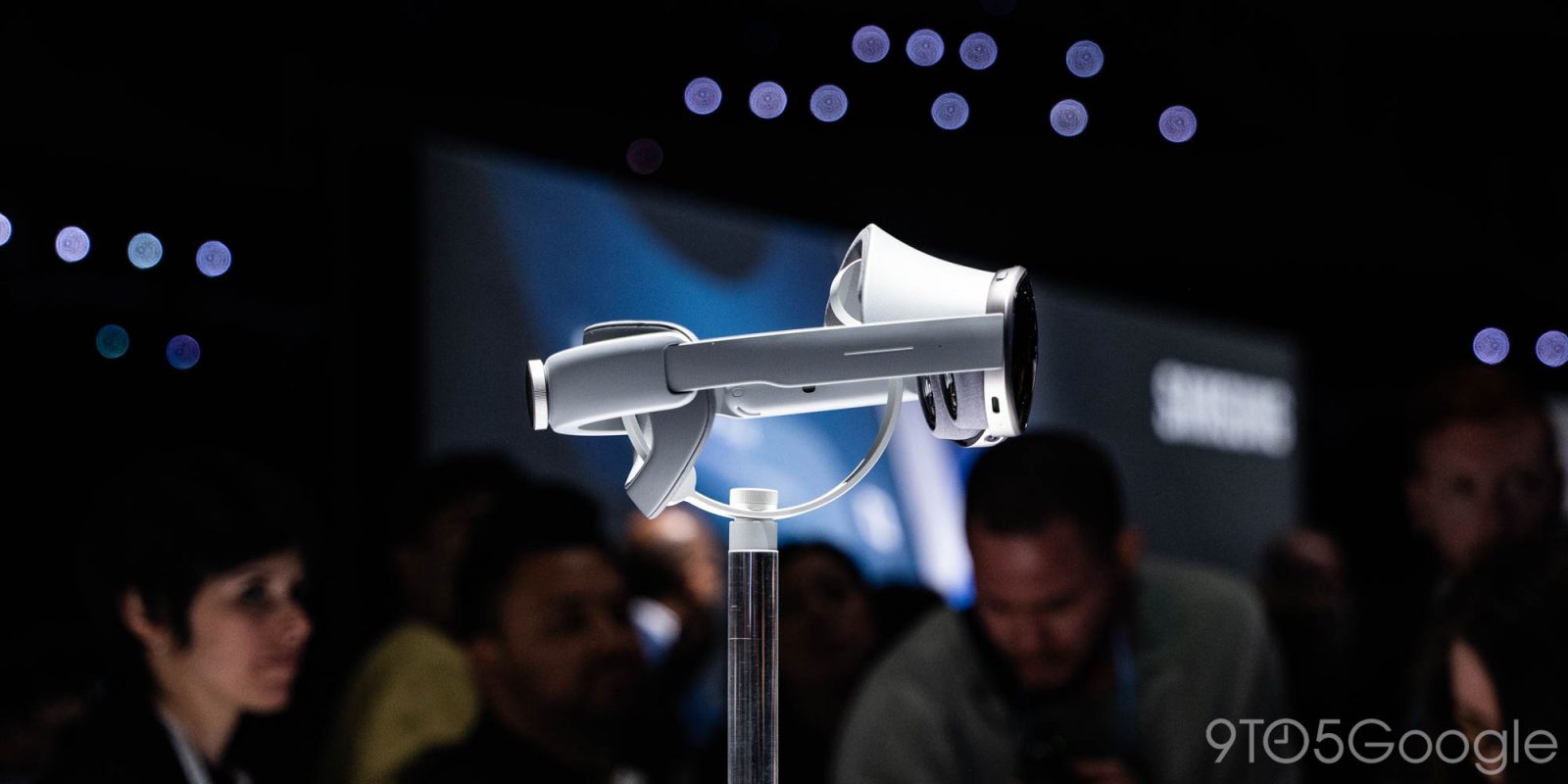
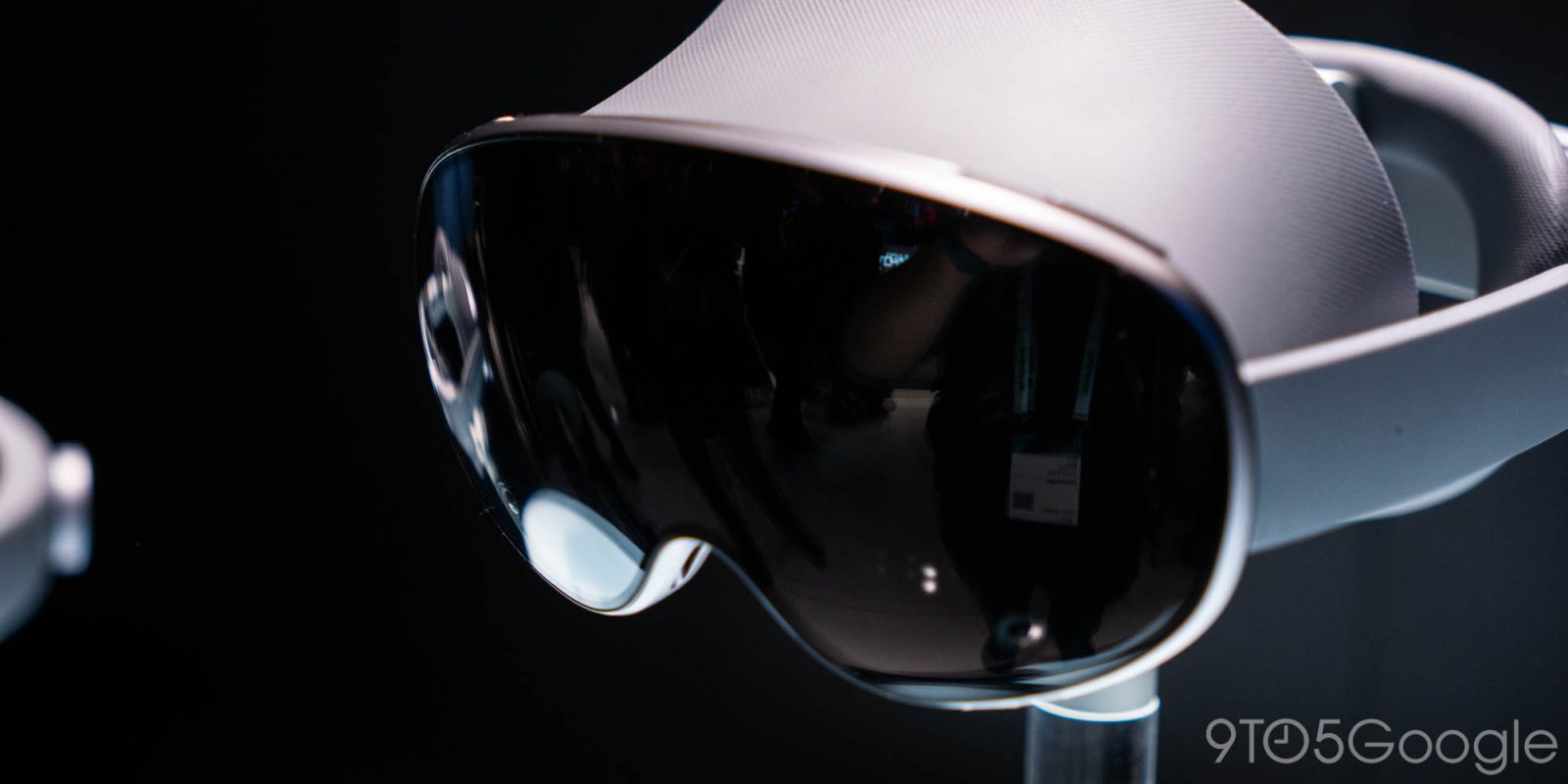
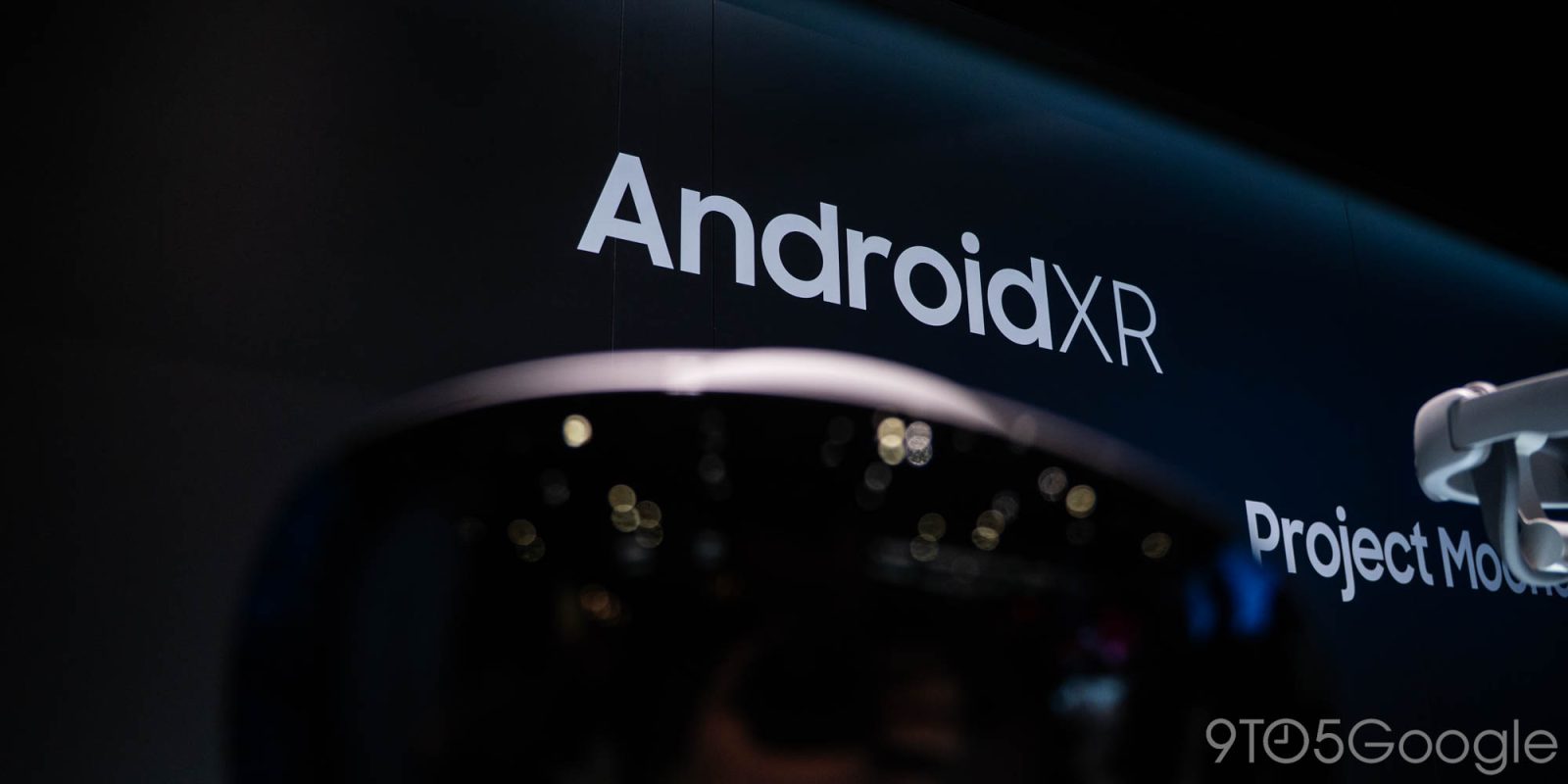
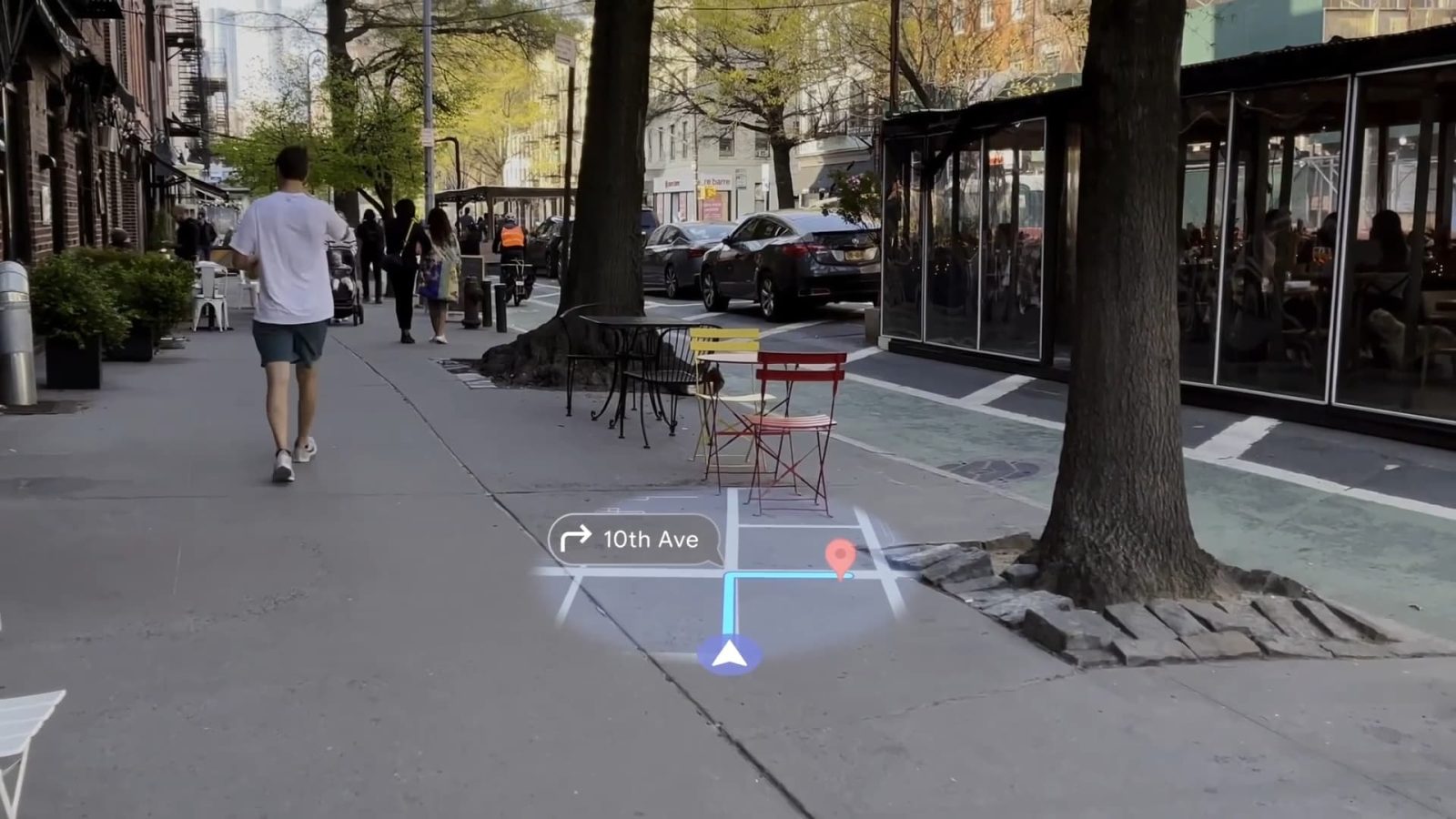
According to a new report, Samsung seemingly doesn’t have huge expectations for its Android XR headset, with only “around” 100,000 units planned to ship this year.
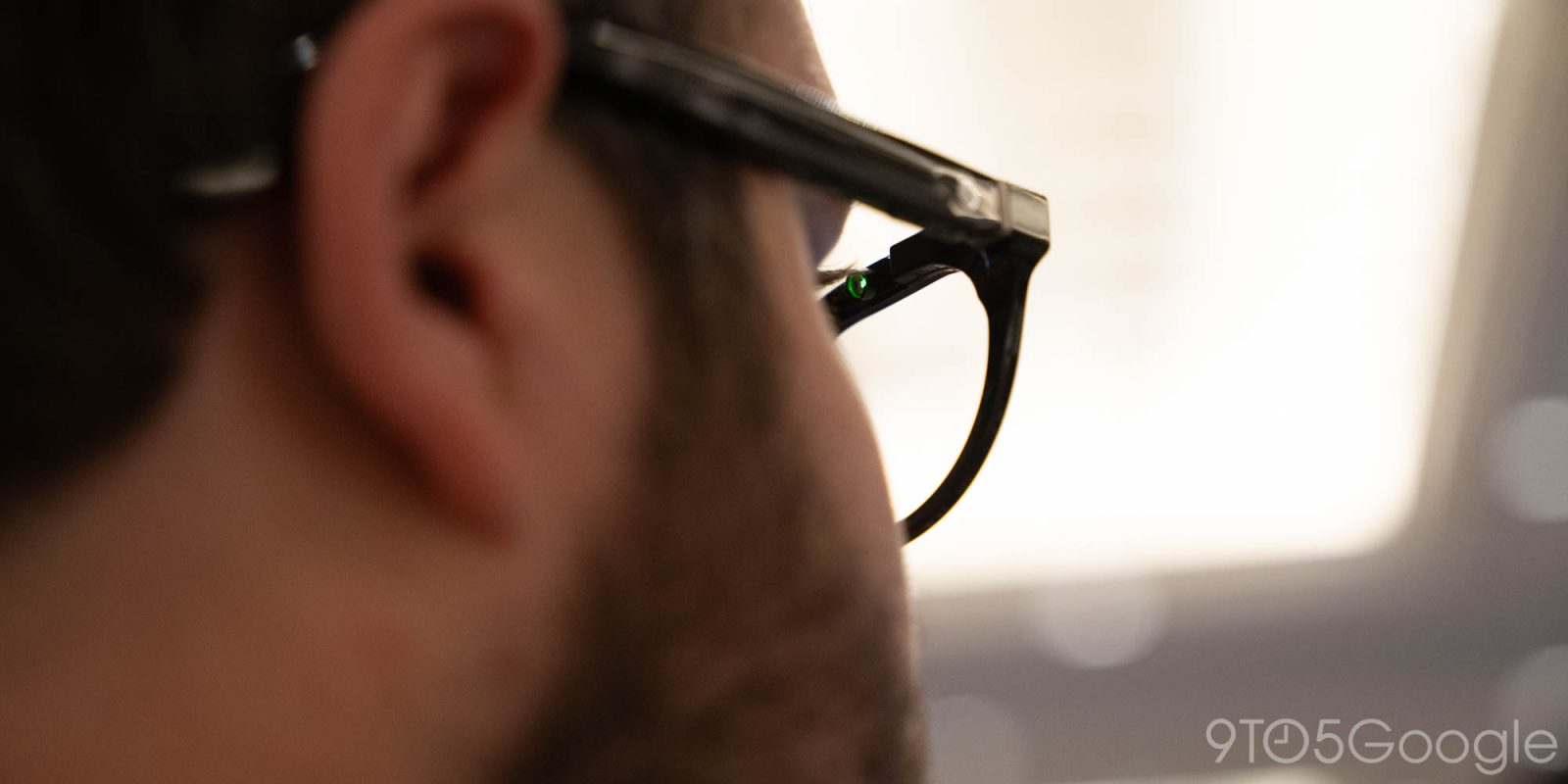
Google has been showing off its prototype Android XR glasses a lot as of late, and a new image shows off the companion app that looks like what we know from Pixel Watch, while also referring to the glasses as “Martha.”
According to a new report out of Korea, Samsung is planning to launch its first Android XR headset in September, with the actual release date beginning in October.
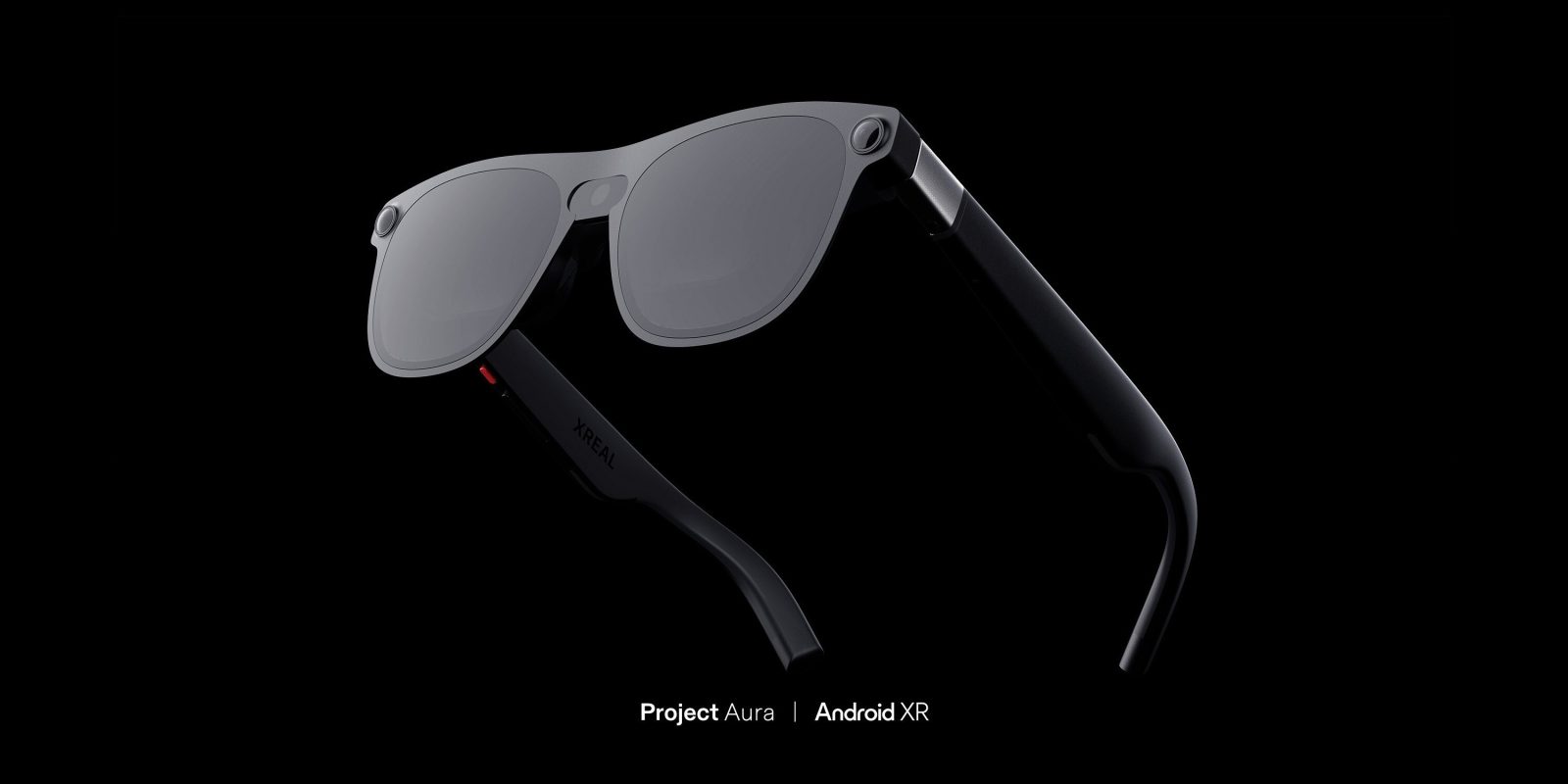
XREAL’s first pair of Android XR glasses, “Project Aura,” were announced alongside Google I/O last month, and some new details are now coming out about the display and that you’ll need a wired “puck” to power the experience.
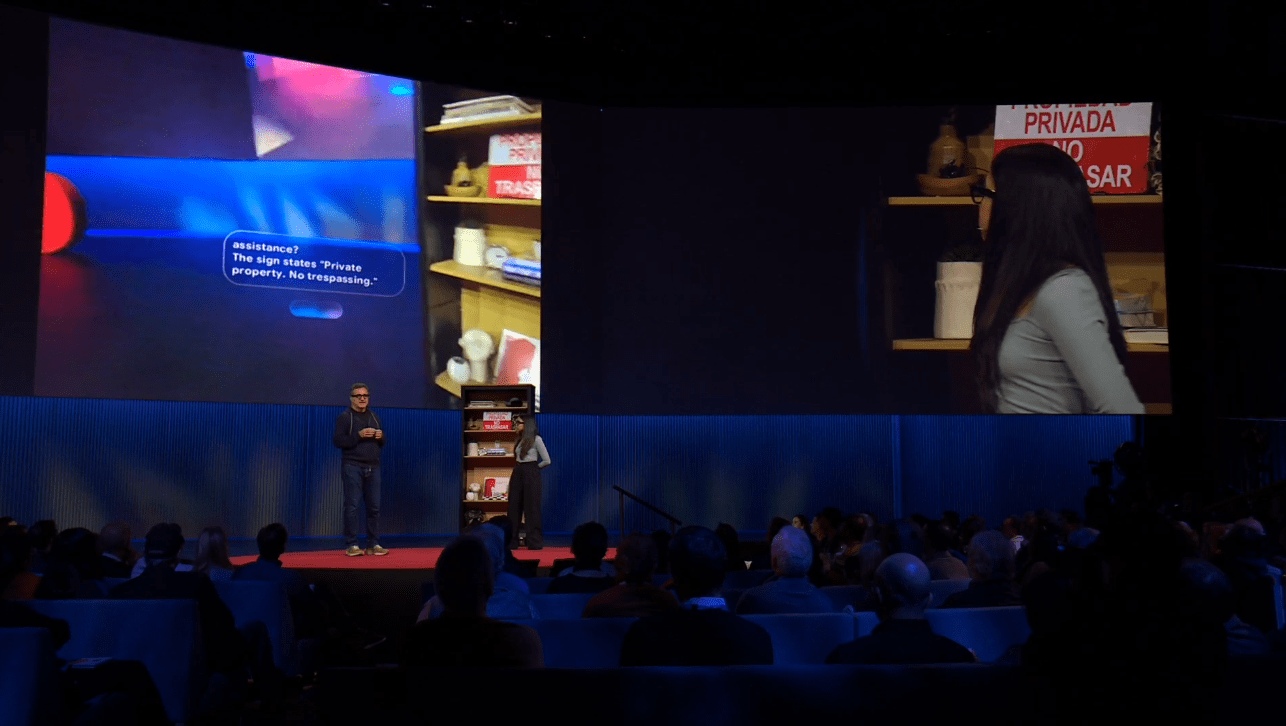
Google has been working on Android XR, its platform for smart glasses and mixed reality headsets, for a while now and offered a first glimpse late last year. During the recent TED2025 conference, Google offered the first live demo of Android XR in action on a pair of prototype smart glasses, and now that demo is readily available to view.
A new report reveals that the prototype Android XR glasses that Google recently showed off are slated to be released as a Samsung product as soon as next year, a bit later than other reports have hinted.
It’s no secret that Google and Samsung are working hard to release Android XR devices powered by all of the advances made in Gemini and other AI models. Google’s chosen form factor is a pair of glasses, while Samsung is developing something akin to the Apple Vision Pro. The Android XR-powered glasses have little detail backing up their release, but it was recently seen sported by Android XR’s head during a public event.
It’s been a long time coming, but Samsung is reportedly in the process of “finalizing” a pair of smart glasses with a built-in display that would be coming later this year.
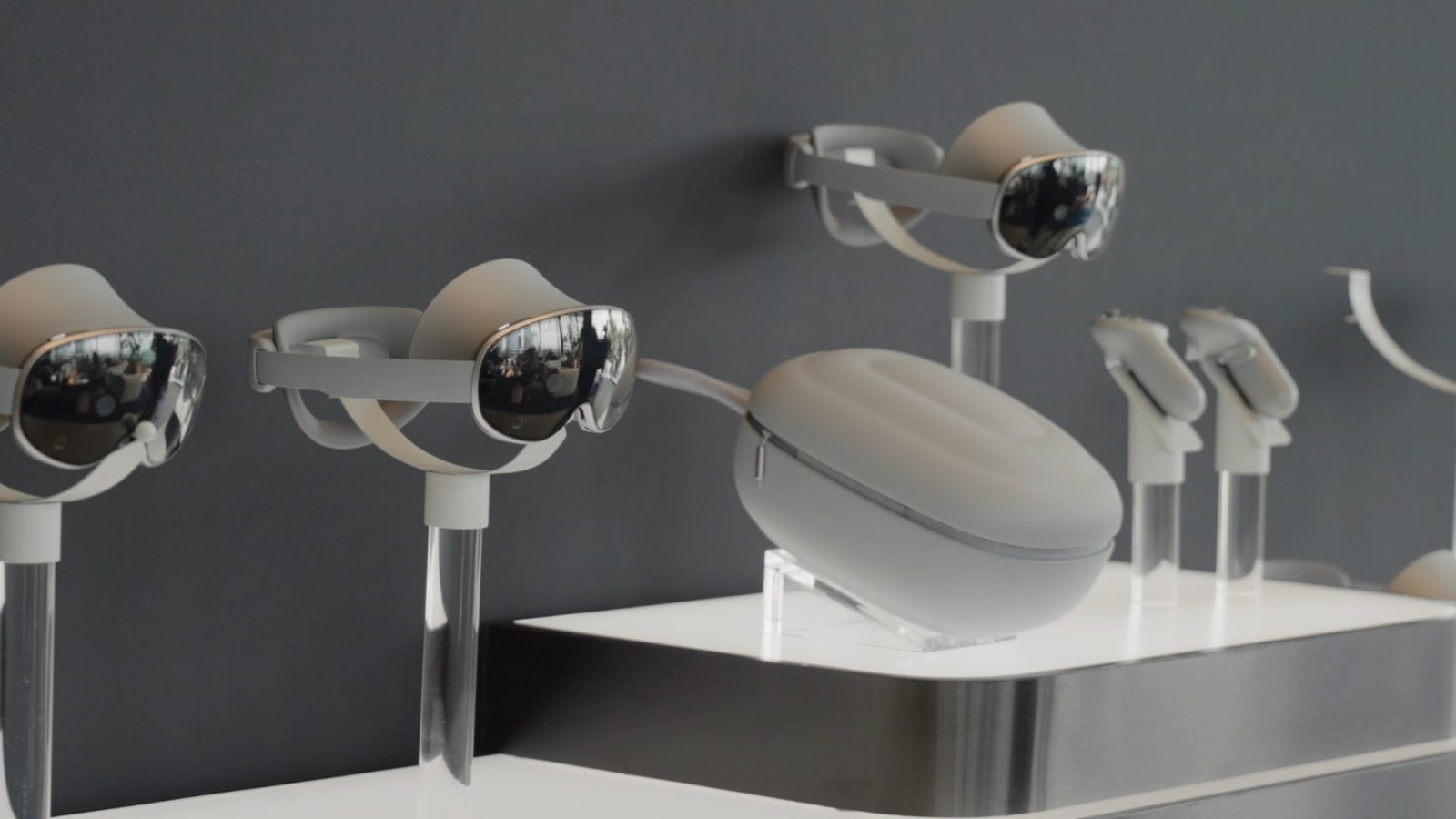
Samsung is still working to bring its first Android XR headset, “Project Moohan,” to market, and new information reveals that the company will also have some first-party controllers to go with it.
According to a new report, Samsung’s upcoming Android XR headset will best the Apple Vision Pro on perhaps one of its most well-received aspects, the display.
Following the Galaxy S25 launch in January, Samsung also showed off the Galaxy S25 Edge and its “Project Moohan” Android XR headset in person for the first time. At MWC 2025, both devices are back, and this time we were able to get a lot closer to both.
Samsung announced Project Moohan alongside Android XR in December, and provided another look alongside the Galaxy S25 launch in January. Samsung’s Android XR headset is now set for an unveiling at MWC 2025.
When I got a chance to use Android XR in December, my favorite aspect was getting to use the Gemini experience powered by Project Astra and Gemini 2.0. There’s now an extended look at that from MKBHD.
After teasing its debut late last year, Samsung has offered a public look at its upcoming Android XR headset, “Project Moohan,” at its latest Unpacked event.
To “accelerate” Android XR development, Google announced this evening that it “signed an agreement to welcome some of the HTC VIVE engineering team to Google.”
After Google teased work on an Android XR headset at the end of last year, we’re finally getting a little closer as Samsung took the time at Galaxy Unpacked to tease a possibly upcoming AI headset alongside the Galaxy S25 series.
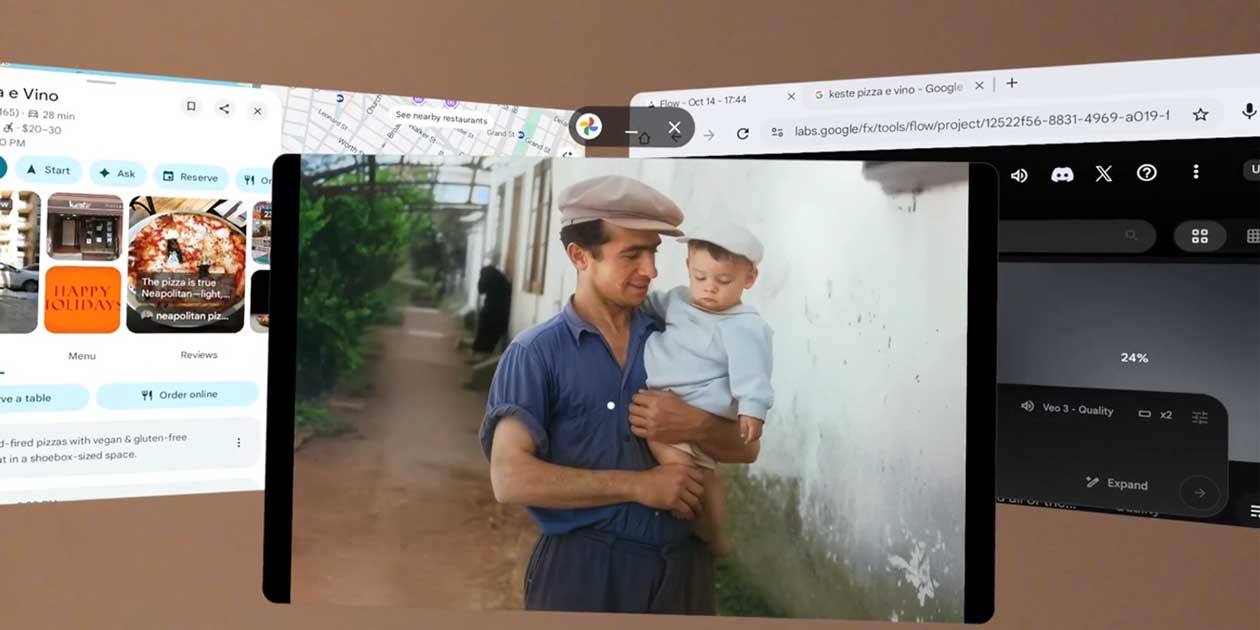
Mixed reality headsets are not new. My personal novelty with them ended upon buying Apple’s Vision Pro earlier this year. In using Samsung’s Android XR-powered Project Moohan for about 30 minutes last week, Google has got all the basics down. However, Android XR has a true differentiator with Gemini, while bringing together almost a decade’s worth of Google efforts in a seamless, integrated manner.
Besides phones and tablets, Android is available on smartwatches, TVs, and even cars. Google today announced Android XR as the next form factor the operating system is coming to.
As a child, my first vision for the future of technology was shaped by an aspect of Star Trek that’s different from most people’s: the absolute ubiquity of touchscreens and tablets (PADDs). I was enamored with the idea of interacting with information via touch and being able to do so anywhere instead of in a fixed place. All that became reality with the iPhone and Android, and I live it every day.
My next vision of the future came with a 2:30 minute concept video. It ingrained in me that what comes after the smartphone is information overlaid with your line of sight as it’s contextually needed.