
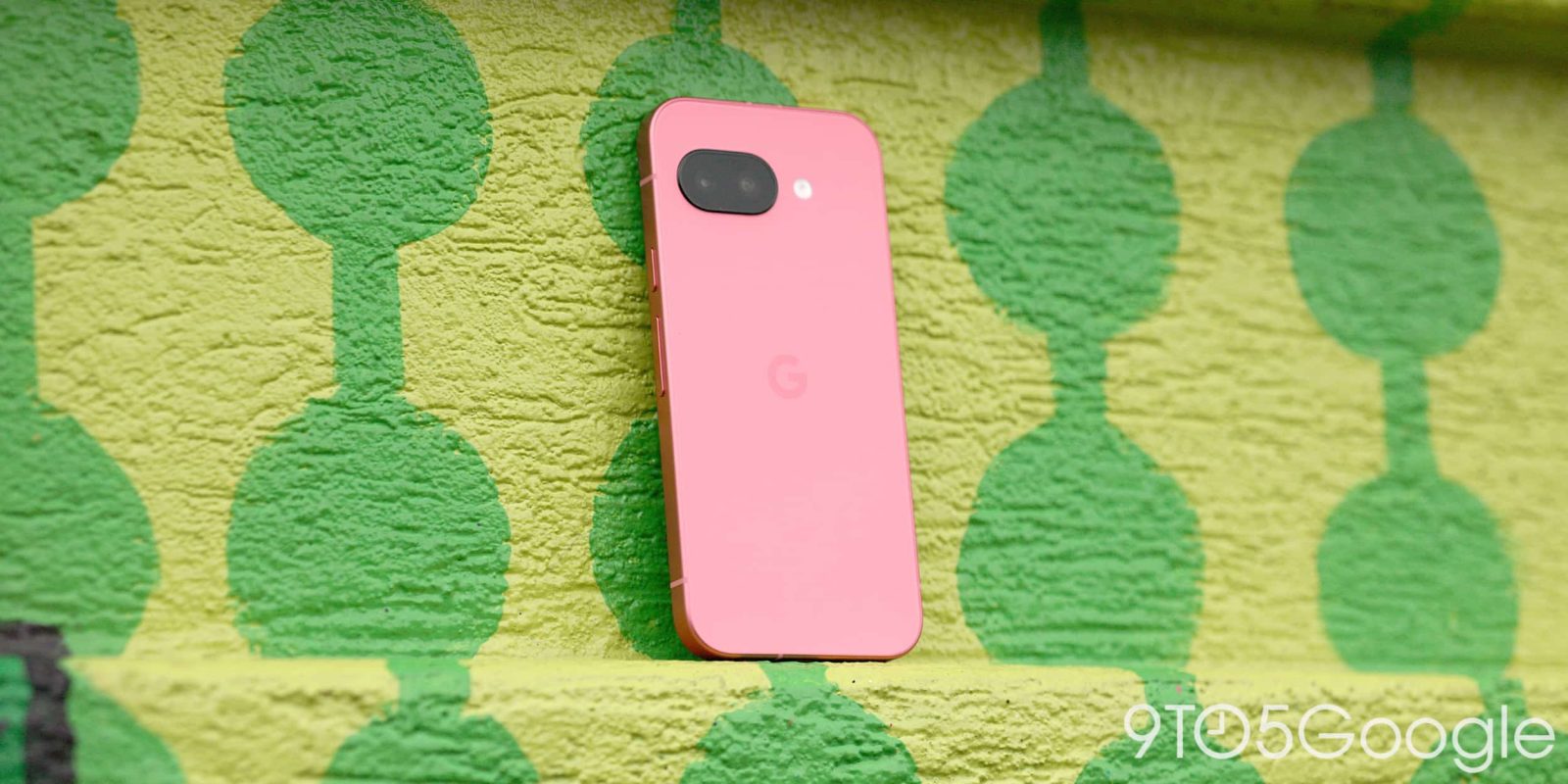
After months of leaks, renders, and just a little bit of head-scratching, the Pixel 10a is finally official. While we’ll have to wait until a more complete unveiling to learn about its specs, those same leaks have done a pretty good job in painting a picture of a very familiar A-series launch from Google. Assuming everything we’ve heard about the Pixel 10a is true, if you have any interest in grabbing a new budget phone this year, picking up a Pixel 9a right now is going to save you an easy $100 without making much of a sacrifice.
Again, despite today’s early announcement, we haven’t seen an official specs sheet yet, and I wouldn’t expect that to change ahead of its pre-order window on February 18th. But since our very first Pixel 10a rumor dating back over 12 months from now, we’ve heard the Pixel 10a would break Google’s usual Tensor tradition. Rather than opting for the same Tensor G5 chipset (or a slightly-modified variant) found in the mainline Pixel 10, Google seemingly plans to opt to reuse Tensor G4 for the second A-series entry in a row, presumably as a cost-cutting measure.
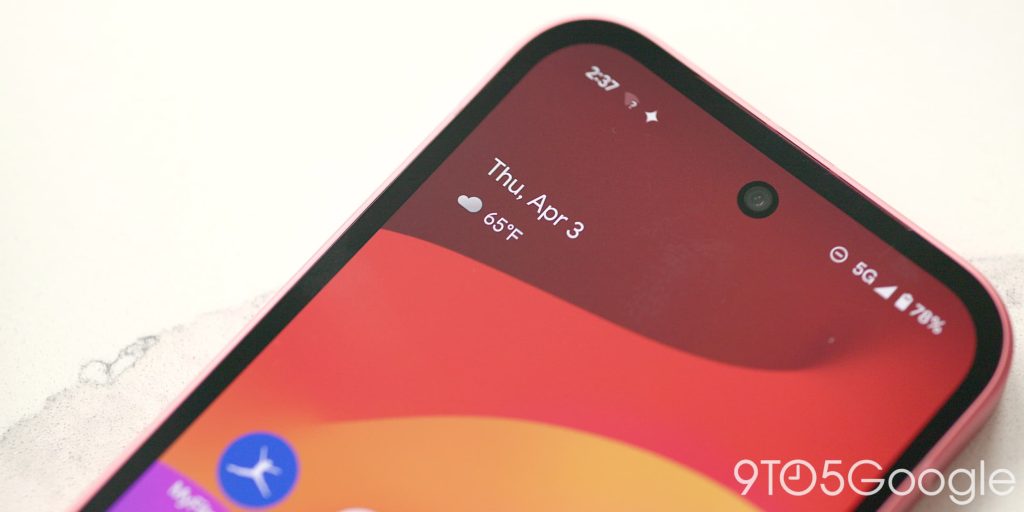
Now, I don’t think that’s necessarily a problem. Tensor can be a touchy subject among Pixel fans, but my experience with last year’s Pixel 9a was excellent, and I’d have no hesitation recommending it to anyone looking for an everyday smartphone. But when you look at the rest of the leaked specs — 8GB of RAM, 128GB or 256GB of storage, a virtually-unchanged design confirmed by today’s announcement — you start to experience a strange case of smartphone déjà vu. And then you hear about those leaked prices.
While I think a $500 starting point for this device is perfectly fair on paper, it’s also the same price we saw the Pixel 9a launch at last year. Typically, opting to skip out on sales while you wait for newer hardware is, at least, an understandable decision. The Pixel 8a was routinely marked down throughout the early parts of 2025, but those who waited for the Pixel 9a got a newer processor, symmetrical bezels, and a camera bump-less design that I found felt quite comfortable in your pocket. Sure, you were paying $100 extra compared to the discounted Pixel 8a, but you could pretty easily see where those improvements came into play.
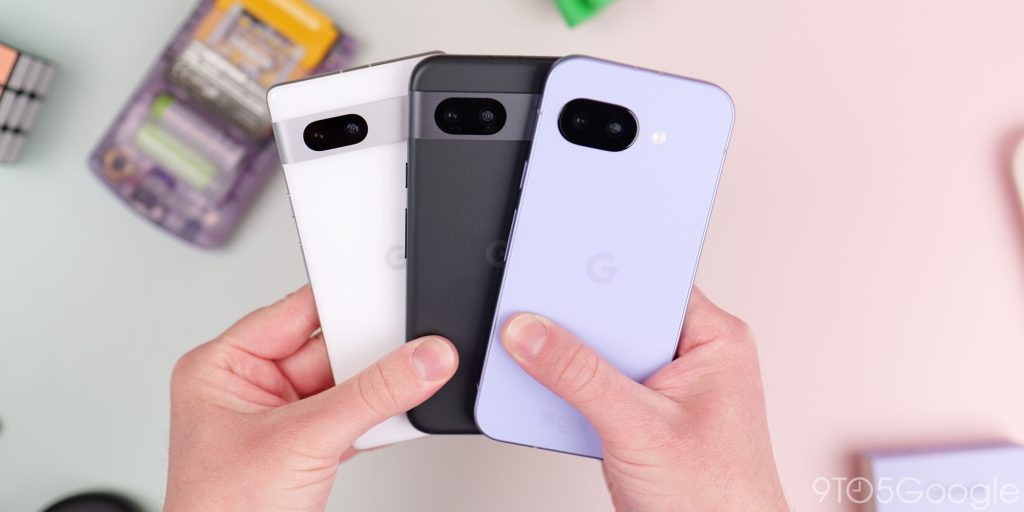
You can extend this to flagships too, where most smartphone manufacturers — Google included — are no stranger to recycling previous products. The entire Pixel 10 lineup looks just like the Pixel 9 before it, but with enough changes — Pixelsnap, a telephoto lens on the base model, UFS 4.0 on all 256GB+ configurations — to differentiate itself from its predecessor, even in a head-to-head comparison.
Based on previous leaks and today’s announcement, that doesn’t seem to be the case with the Pixel 10a, and when the Pixel 9a is available practically everywhere at a discounted $400 price point, the lack of changes only makes it that much clearer.
From a design perspective, the only thing new is the removal of the lifted plastic ring that ran around the Pixel 9a’s camera module. While that does make the device perfectly flat, it also removes some protection from the device when you place it down on a table. In other words, this feels more like a visual change for the sake of change, rather than a true enhancement to your overall Pixel experience. Today’s announcement also seems to confirm an Indigo-like colorway we didn’t see coming, though again, it’s not that much different than the Pixel 9a’s Violet.
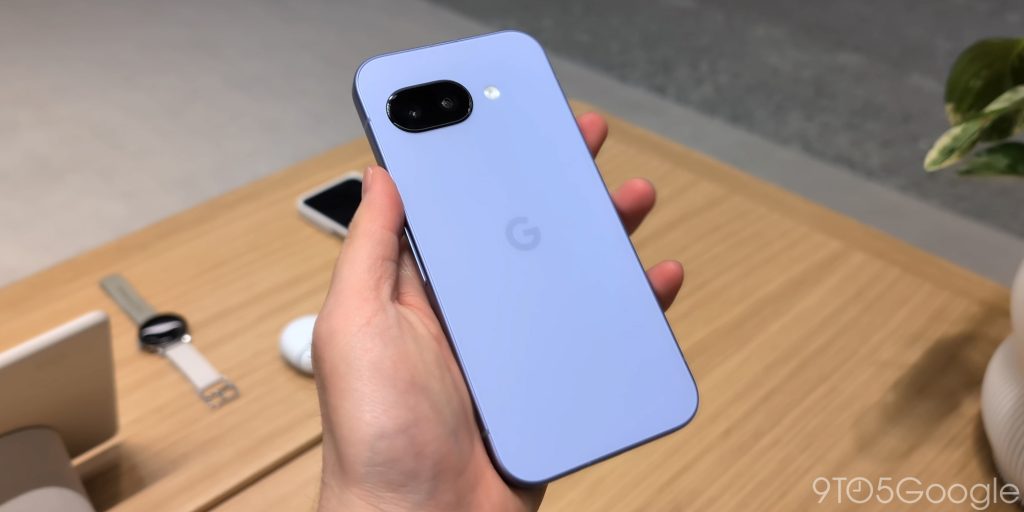
It’s possible there’s something we don’t know about the Pixel 10a, something that could make spending that $100 worth it, but personally, I don’t see it. We’ve seen the 10a’s specs again and again with very little variation between leaks. Perhaps Google is upgrading to the mainline Tensor G4 used in the Pixel 9, which utilizes a newer Samsung-made modem and adds satellite connectivity. Maybe the Pixel 10a includes Qi2 support, rather than the usual ultra-slow speeds seen on last year’s 9a (though it’s just as easy to imagine Google retaining Pixelsnap for flagships, just as Apple’s iPhone 16e doesn’t include MagSafe).
Does any — or even all — of this sound like it’s worth an extra Benjamin? In this economy?
Meanwhile, all you’ll lose by buying a Pixel 9a right now is one or two alternate color options and a year’s worth of software upgrades. Seems like a pretty fair trade to my wallet, and I think it makes sense for most other buyers, too.
I’ve said it before, but buying a phone in 2026 is going to suck, and one of the only ways around paying more is to jump on deals when you see them. If Google wants to barely upgrade their existing hardware just to ensure there’s a new piece of tech lining the shelves in Best Buy, then it’s in your best interest to act while there’s money to be saved. Google says its own Pixel 9a sales are running through February 15th, and I’d expect similar pricing at other retailers to hold strong through that same period. If you’re at all interested in an A-series device, don’t sleep on this one.


FTC: We use income earning auto affiliate links. More.


Comments