

One of the key marketing points of the Apple AirTag is “Precision Finding,” which shows you the precise location of your tracker beyond what Bluetooth is capable of. That’s accomplished using UWB, but that feature is also missing from the vast majority of Android Find Hub trackers, and there are a few key reasons why.
This issue of 9to5Google Weekender is a part of 9to5Google’s rebooted newsletter that highlights the biggest Google stories with added commentary and other tidbits. Sign up here to get it delivered to your inbox early!
Ultra-wideband (UWB) radios in smartphones can be used for a number of functions, but one of the biggest use cases is the ability to precisely calculate the distance between your smartphone and another object. For trackers, that means being able to not only get in the general area of the tracker, but have your smartphone point out the exact distance between you and the tracker and the direction to.
That’s an obvious benefit, of course, but I’ve personally never been all that sold on it. Between AirTags, Galaxy SmartTag, and various Android Find Hub trackers, I never find myself really missing UWB. Why? Firstly, it matters a lot what you’re actually tracking. If it’s a suitcase, backpack, purse, or anything else, Bluetooth is going to get you close enough to find it, where UWB really just has little to no added benefit. UWB only comes in handy with smaller items, like your keys or wallet. But, even then, I’ve largely found Bluetooth to be sufficient, with the chime built into all of these trackers filling any leftover gap in being able to actually find the item.
But that’s just me. Clearly, there’s a vocal audience of people who want UWB in their trackers.
Not a single Android Find Hub tracker launch goes by where we don’t get comments on our coverage here at 9to5Google asking why there’s no UWB support. It happens over and over and over and over and over again – and those are just in articles from the first two months of 2026.
To date, there’s only been a single Android Find Hub tracker with UWB, and that’s the Moto Tag – with another UWB-equipped sequel in the “Moto Tag 2” on the way. Despite Google providing the software support, no one seems to be interested in latching on, with the latest being the upcoming Xiaomi Tag, which also appears to be skipping UWB.


Even as someone who doesn’t really care if a tracker has UWB or not, it is a little frustrating to see functionality left to be neglected, but there are some key reasons for this.
First and foremost, there’s the “F-word” – fragmentation. Not of Android software, but of hardware.
Where Apple has been equipping every iPhone with UWB for a few years now, it’s still relatively uncommon on Android. You’ll find it in top-end flagships like the Pixel Pro and Galaxy Ultra-level devices, but even Google’s base Pixel 10 lacks UWB, as does Samsung’s mass-market Galaxy S25. Those are $800 phones that simply lack the hardware to do this entirely, and they’re not alone. OnePlus 15, Nothing Phone (3), Honor Magic 8 Pro, and Oppo Find X9, just as a few more examples, also don’t support UWB. Plus, Samsung even restricted UWB on some of its older phones solely to its own tracker, with Moto Tag not being able to leverage that hardware. So even as the market moves more and more into premium smartphones, Android as a whole just doesn’t prioritize UWB on a hardware level.
That alone is reason enough for Android Find Hub trackers to largely ignore UWB, but the bigger reason looks to be Apple.
UWB is something that Apple seems to have no interest in allowing third-party Find My trackers to support. It’s an AirTag exclusive, just like how Apple tends to severely hinder functionality on third-party smartwatches and various other accessories.
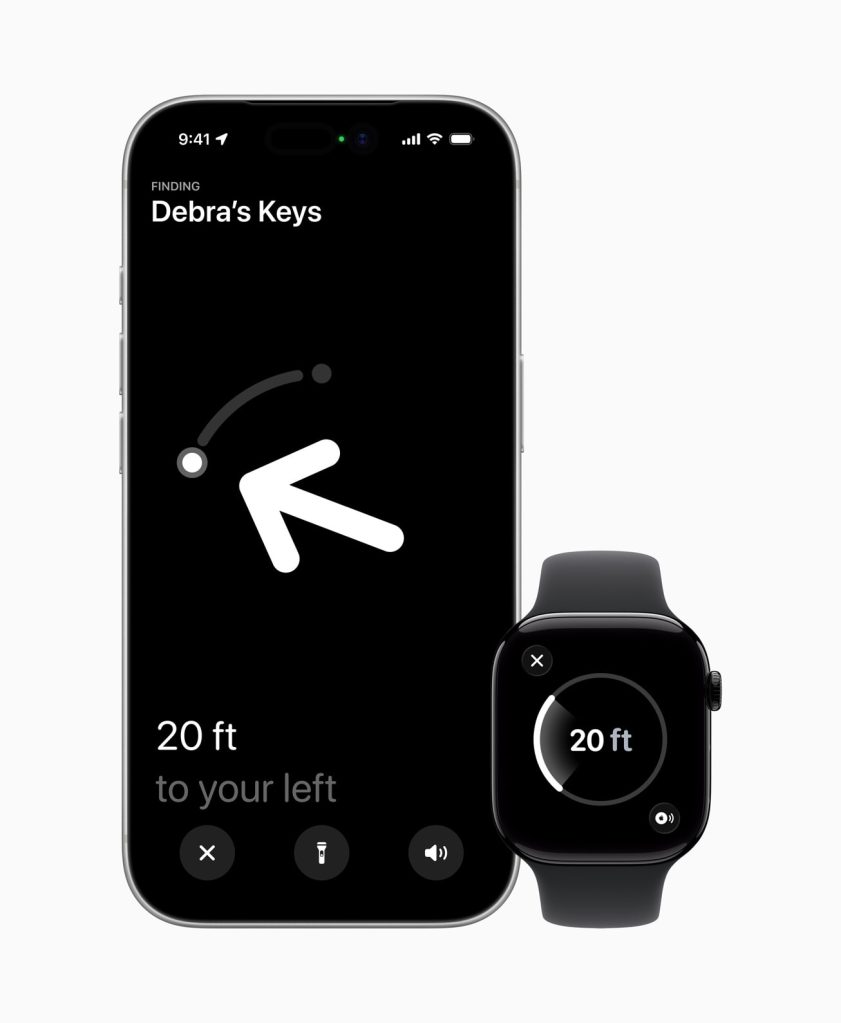
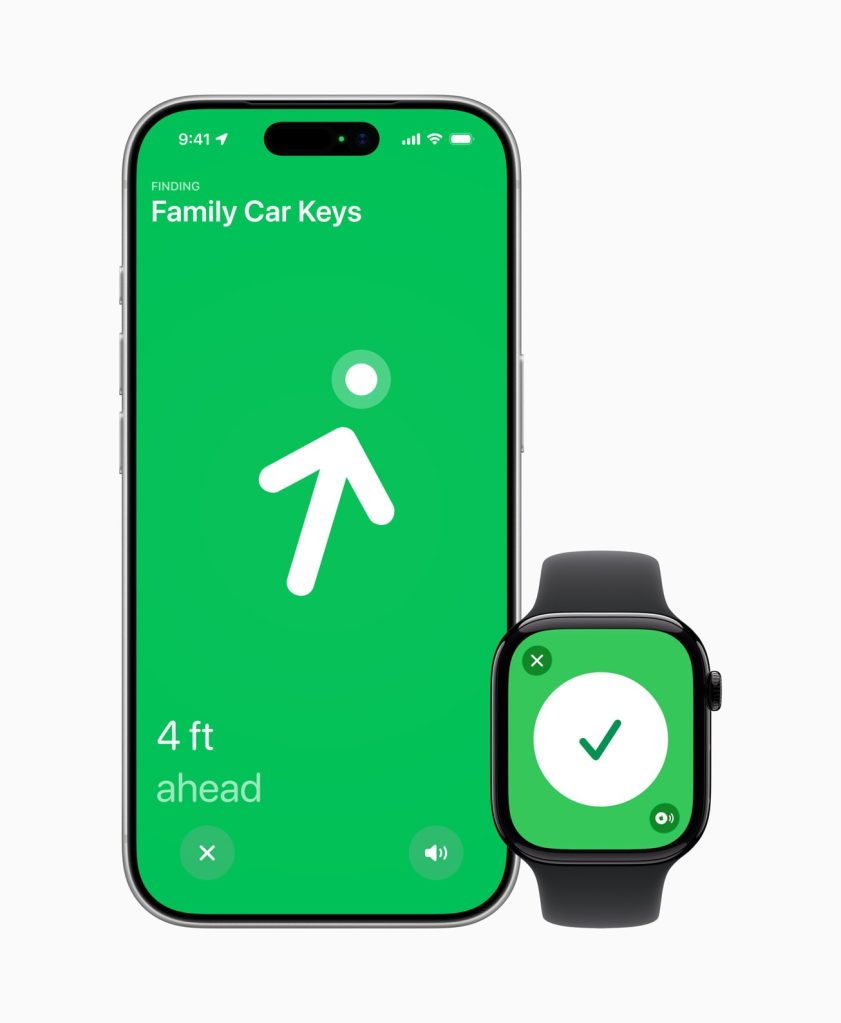
Tile has been fighting this one for years now, but as it stands today, the only way to make a tracker for Apple’s Find My network is to focus on Bluetooth. As such, why would anyone building a tracker that supports both networks – which is very much the trend now – even bother throwing in UWB? It only adds cost and works for just a fraction of a fraction of devices people will be using with that tracker.
That’s backed up by Pebblebee, one of the leading makers of Android Find Hub trackers. Speaking to 9to5Google, Pebblebee founder and CEO Daniel Daoura said that “creating a version” of its tracker “that only enables UWB on one platform (Android) but not the other (iOS) would be confusing for customers.”
Adding to that, Daoura said that “UWB silicon still adds meaningful cost.” In a market where the AirTag is already cheaper than most third-party accessories – $29.99 vs the $34.99 price tag we see from Pebblebee and others – adding any additional cost just doesn’t make much sense, especially as Daoura says that “we consistently hear from users… that fast audible alerts and bright visual cues solve most real-world problems. People want their item to ring loudly or flash so they can find it quickly.” As such, Pebblebee Clip 5 integrated a louder speaker and brighter LEDs when it launched last year – and it’s still louder than AirTag 2.
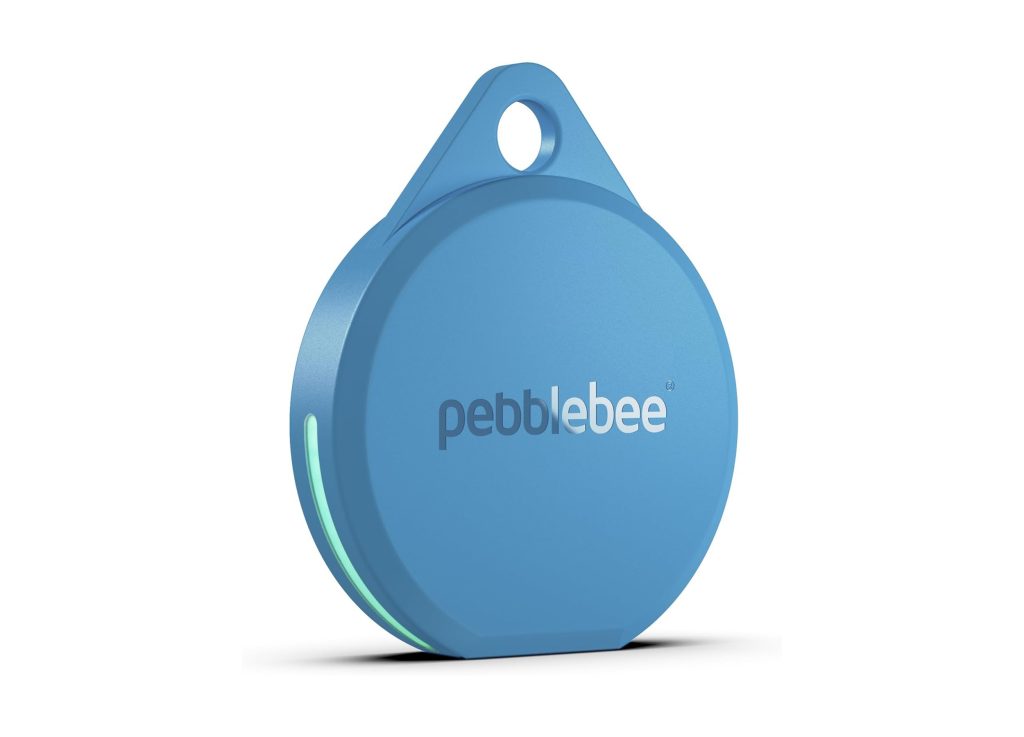
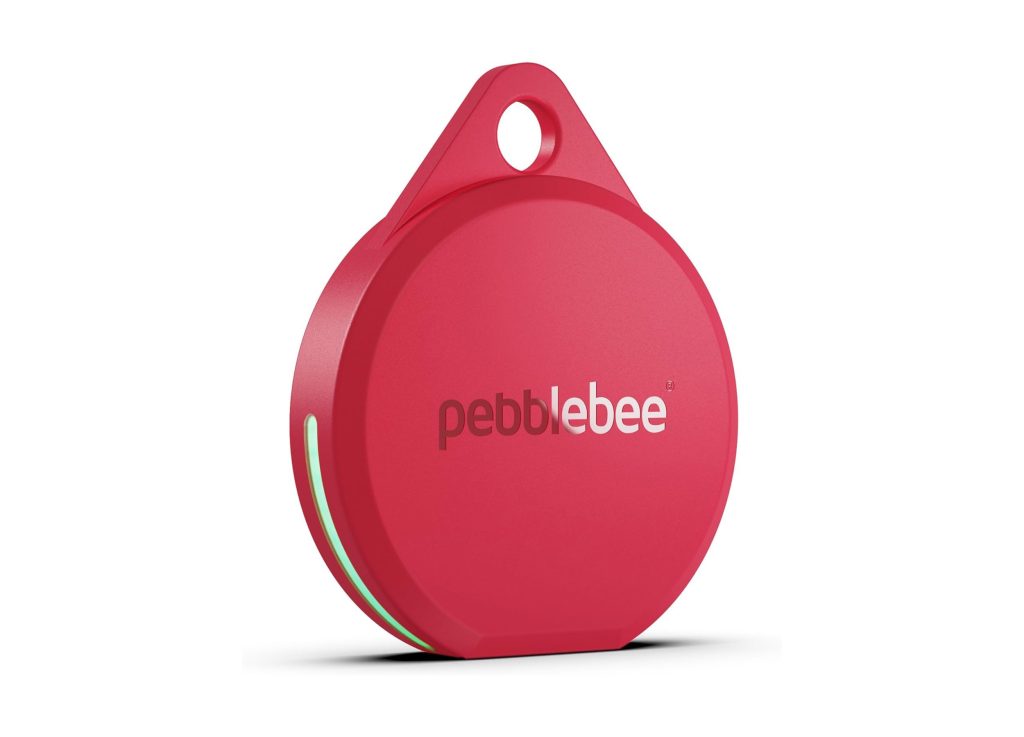
So, while a lack of Android hardware support is probably a key reason, I’d argue that Apple is an even bigger reason that we don’t see UWB on third-party trackers. As Pebblebee brings out, it just doesn’t make sense to make a tracker that supports UWB on one phone but not the other, especially when you bring cost into the mix.
On that note, we’ve heard from multiple sources that the reason you won’t see any trackers that support both Apple’s Find My and Android’s Find Hub networks simultaneously is that Apple’s terms block this, so the current state of pairing to one or the other and resetting to swap is the best we’ll get for the time being.
Right now, UWB support for Android Find Hub trackers feels very much like a “chicken and the egg” situation, just with several layers to it. Tracker makers don’t have much of an incentive to support UWB if Apple is blocking it, and most Android phones don’t support it anyway. Android manufacturers don’t have much of an incentive to include UWB hardware if there are no actual use cases. And Apple has no incentive to expand UWB to third-party devices because, well, they just want to sell you an AirTag.
Things may change over time, but that’s just how it is today.
UWB is a great idea and the way it’s been implemented in trackers is genuinely useful, but it’s also pretty clear why we’re not seeing it in more devices when you look at the big picture, and it’s a shame.
This Week’s Top Stories
Android 17 Beta 1
On Wednesday we were supposed to see the release of the first beta – yes, beta – for Android 17 but… it just didn’t happen. Google pulled the Wednesday announcement at the last minute. But there are a few early details that the company provided including the schedule of when we’ll see releases.
Then, on Friday, the beta dropped, but it’s fairly minimal.
Samsung confirms Galaxy S26 launch as the leaks continue
Samsung this week confirmed a February 25 launch event for the Galaxy S26 series, but the leaks continue to make this a relatively unexciting new release.
- Samsung confirms Galaxy S26 launch on February 25, up to $900 off with reservation
- Galaxy S26 trio could still include a free storage upgrade at launch
- Full Galaxy S26 series leaks in official-looking images showing off new colors [Gallery]
- Galaxy S26 series surfaces with upgraded wireless charging spec, no Qi2 magnets
And some Pixel 10a leaks for good measure
Google has already confirmed the Pixel 10a’s launch date and shown it off, but that hasn’t stopped the leaks, including a spec breakdown and more.
- Full Pixel 10a specs leak with new Gorilla Glass – how it compares to Pixel 9a
- Pixel 10a might have slightly better battery life, leak suggests
- Pixel 10a leaks with physical SIM as that ‘Berry’ red is calling my name [Gallery]
More Top Stories
- Google Pixel finally made up its own tiny little slice of active smartphones
- YouTube TV Plans launch this week from $55/month with $65 Sports Plan
- Pixel VPN by Google update adds status to Quick Settings Tile
- Telegram for Android redesign goes all-in on Liquid Glass, rolling out now
- Gemini 3 Deep Think gets ‘major upgrade’ aimed at practical applications
- Fitbit Coach preview expanding internationally, coming to iOS
- Android book-style foldables expected to dominate in 2026, report says
- Samsung will restock the Galaxy Z TriFold in the US later this month
- Ayaneo’s slider gaming phone finally gets detailed specs, but pricing remains a mystery
From the rest of 9to5
9to5Mac: Apple releases iOS 26.3 for iPhone, here’s what’s new
9to5Toys: Exclusive hands-on with Nintendo’s new My Mario collection
Electrek: Tesla (TSLA) US sales estimated to have dropped 17% in January
Follow Ben: Twitter/X, Threads, Bluesky, and Instagram


FTC: We use income earning auto affiliate links. More.


Comments