

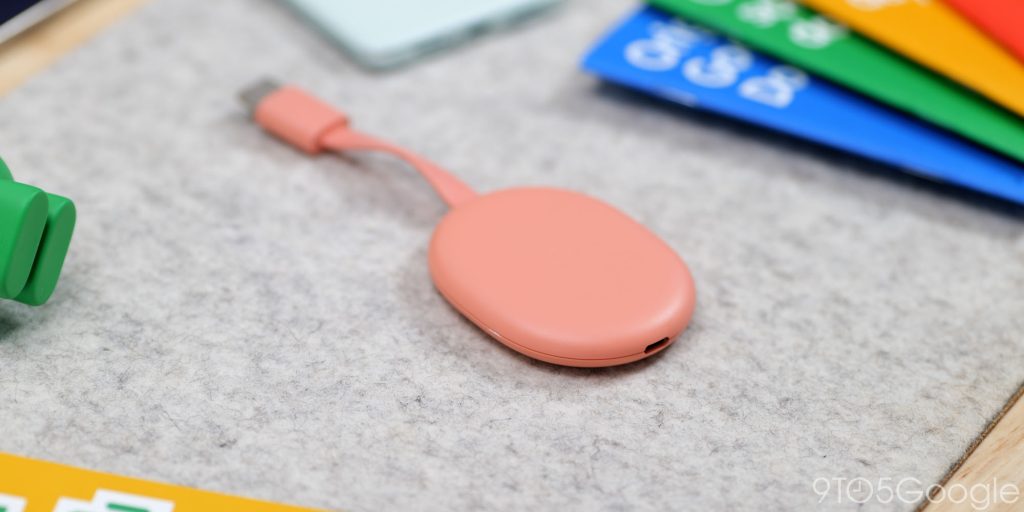
By far and away my most used Google product of the past decade is the Chromecast with Google TV, closely followed by the TV Streamer, but I’d love a proper, smaller version.
The Google TV Streamer is down to $74.99 as part of the Amazon Prime Day sale, making it a much easier-to-stomach deal right now.
It’s crazy that six years have passed since the 4K version of the Chromecast with Google TV, and four years since the limited HD model quietly dropped. While a new and novel experience, the problems are starting to manifest more readily now, despite the performance of both streamers actually doing way better than anyone could have expected.
As with just about any tech product, times change. We have even more streaming services and content to deal with, and it’s getting a little messy.
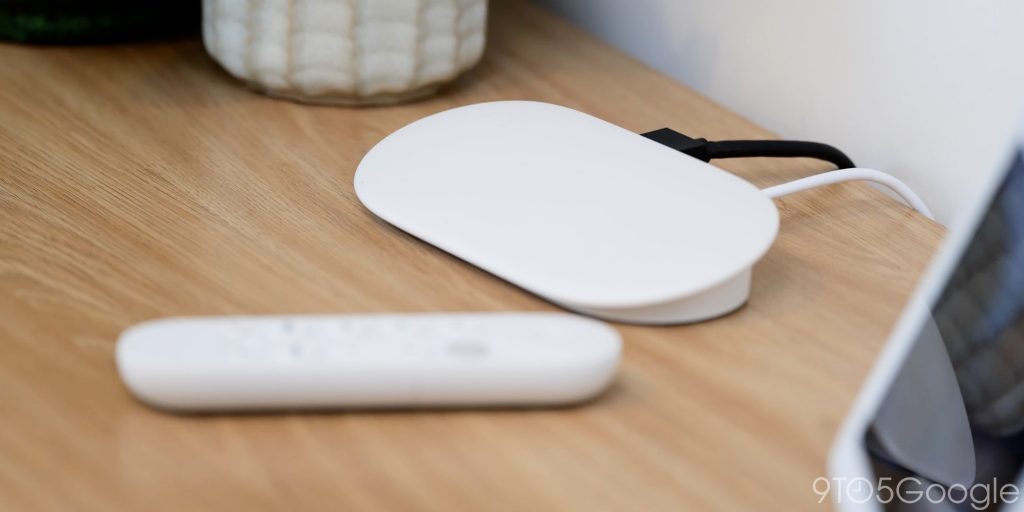
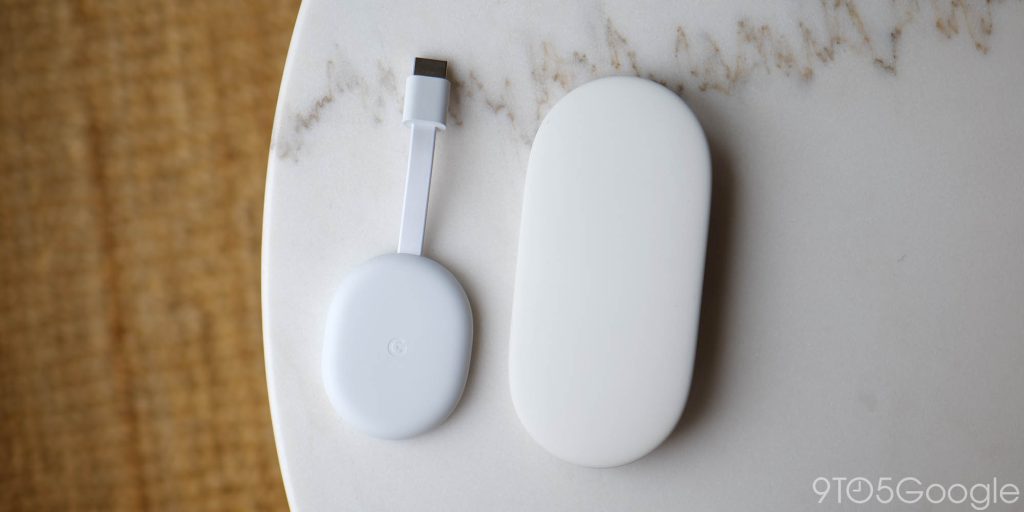
Google has discontinued both models in favor of 2024’s TV Streamer. The thing is that the TV Streamer isn’t the outright best streaming solution. Like many others, my biggest gripe is that it’s quite a big box compared to the older puck or dongle design. It gets updates, it runs nicely, but overall, there’s real room for improvement.
Let’s get the main apps out of the way early.
More and more recently, I have found that YouTube is starting to develop issues. I’m not sure whether that is due to app bloat over the years or to my Chromecast simply showing its age. I’m getting gray-screen launches, slow loading, and app refreshes, even if I just go back to the homescreen for a second to check something.
YouTube is my most used application by a very wide margin. I figure that the 2GB onboard RAM is one of the most obvious bottlenecks. I can and have expanded the storage with a USB-C dock with a 32GB microSD card. It’s impossible to increase the available onboard RAM.
I can only imagine how the even lower 1.5GB RAM and weaker processor on the HD Chromecast with Google TV is handling things in a home theater system. There is only so much optimization Google can do given certain hardware limitations. My HD model is plugged into the back of an old TV at my parents’ house, but sadly, they don’t use it enough for me to give a good indication of how well it has held up.
I haven’t even mentioned that Gemini is a heck of a lot slower due to the processing overhead. I have stopped using voice controls entirely, as it has been creaking under its weight in my experience. That said, it’s not totally unusable, but it could be a lot better. Then again, I do prefer to use the remote to search and navigate.
I know what you’re thinking: just get another Android TV box.
Yes, doing so would mean that most of these hardware limitations would go away. To an extent, I agree, but that sort of misses the point at least a little bit. Some hardware overhead is great for something that will live at the back of your TV for up to a decade. I just want to set it and forget it, that’s part of the reason why I love this method over relying on TV makers to get off their ass and support their lineups for longer than a few weeks.
Google needs to take the lead on making cheap streamers because the low end of the market becomes a minefield with unbranded and no-name makers effectively shaping the experience millions will have with the Google TV platform. Conversely, I wish Walmart’s Onn lineup could come to the UK in some format.
Unlike Android, where form factors are a key strength and cheap devices don’t define the entirety of the space, TV boxes are almost always bound by the cheapest, most readily available options. The kind of devices that are almost always on sale or sold with substantial discounts in stores and online.
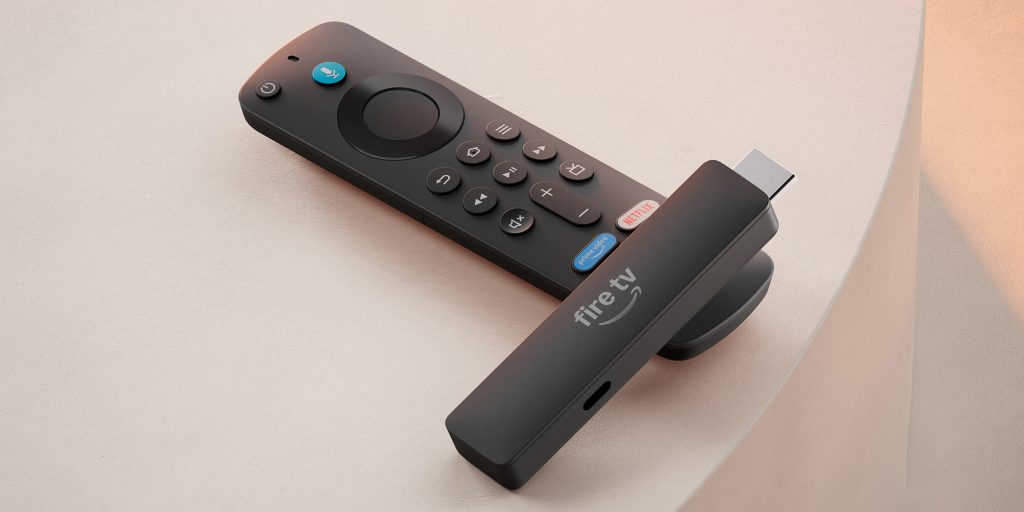
A prime example of this is how Amazon’s Fire TV lineup has become the go-to for millions of people, and the experience is absolutely subpar, even if it’s under $20 regularly. Google TV, despite its major failings, is vastly superior as an experience, with better customization and more.
Heck, just having an alternative to the Fire TV Stick’s almost ubiquity feels important for Google TV optics. £99 or $99 for the Google TV Streamer isn’t expensive, but it’s not quite the same as a $50 dongle, as you can add multiple cheaper streamers to all the TVs in your home pretty quickly at the lower entry level.
An integrated design is something I adore. No fumbling with extra cables, just plug and play while hiding out of the way. To me, the elegance of the original Chromecast and the updated Google TV version is what made the series so popular.
Top comment by Arthur
Anyone who is keeping track of this stuff as many of us here do, it should be plainly obvious that Google's hardware release cadence (Pixel phones excluded) is become further and further apart and each release is much more carefully considered for their respective product category. This approach isn't that different to Apple's approach the last decade plus really when you think about it. And unlike Apple that really enjoys their hardware and takes great pride in it, Google, when it does actually release new hardware, the bare hardware is rarely a focus in their marketing.
Perfect example is the new speaker. Imagine how Apple would have marketed a new let's say Siri speaker over the Google Home speaker. Even when Google was asked about the audio quality, they had no specifics they were briefed to mention about the topic, imagine, a speaker whose manufacturer has no idea in any measurable how to communicate the quality of how it sounds.
If I had a dollar for every time I shook my head at Google (insert any number of reasons why) I would undoubtedly been a millionaire by now.
I think a lot of people like the idea of a dongle to do all the streaming rather than the often terribly underpowered TV hardware and streaming apps installed upon them. They’re easily replaceable, very easy to set up, and cost-effective. There aren’t many drawbacks in that regard.
The Chromecast lineup, as we’ve known, has all but been discontinued. I can’t help but wish for a smaller dongle-like Google TV Streamer. As it stands, we’re stuck with a bigger, bulkier box when we could be living with a smaller, more palatable solution.
Google owes it to the platform to care about the low-end. Heck, take this idea: do to the Google TV Streamer what you did with the Pixel with the A-series. A Google TV Streamer A-series, if you will. All the good stuff, lower price, smaller form factor. Premium isn’t perfect for everyone, plus if it means I don’t need to do annoying things like find a way to hide the box, it’ll be a hit.
Follow Damien: Threads, Bluesky, Instagram


FTC: We use income earning auto affiliate links. More.



Comments