
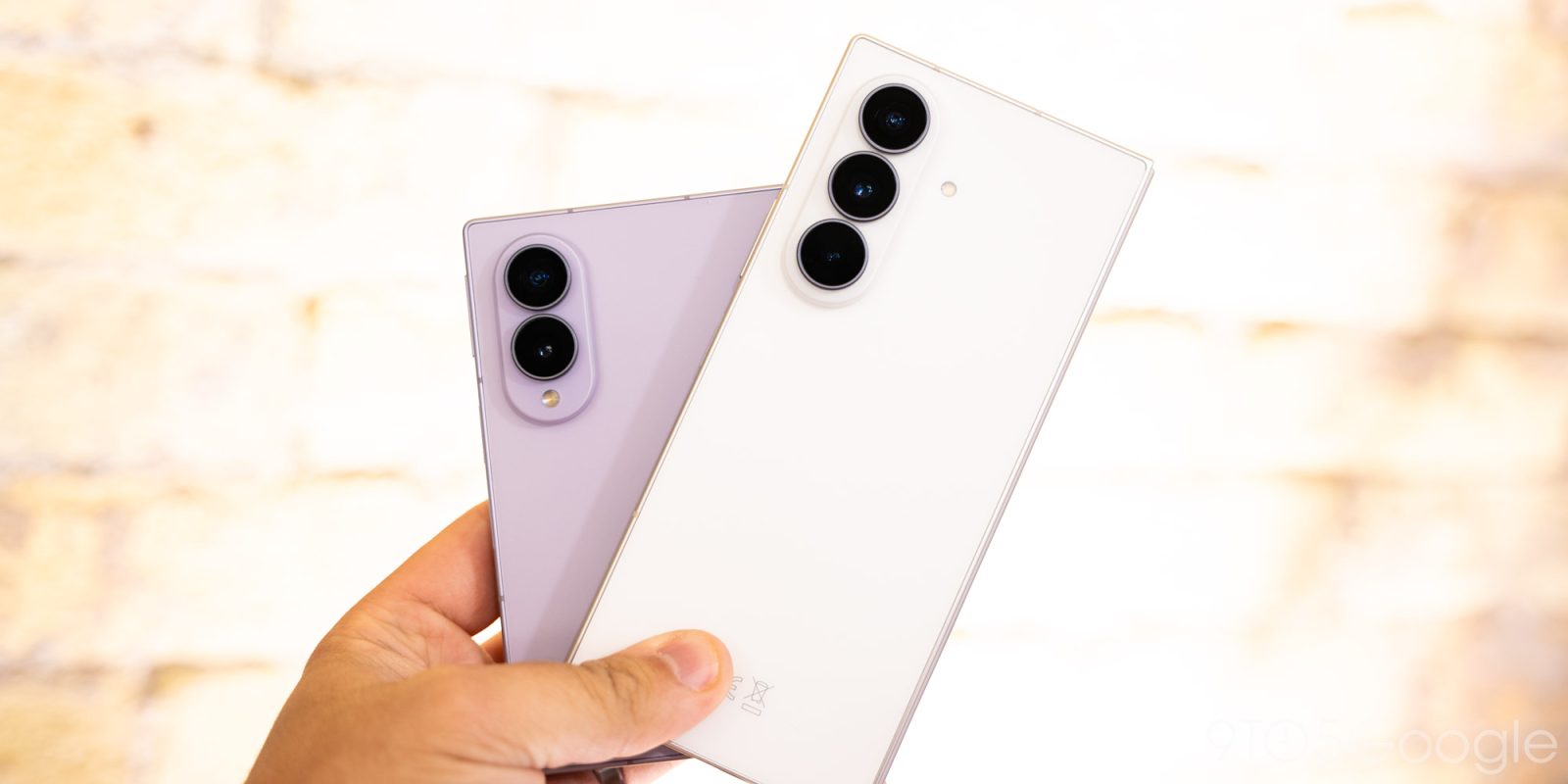
Samsung’s new Galaxy Z Fold 8 series is here and, obviously, the company wants you to switch to its new foldable. And yet, Samsung is putting money in all the wrong places to accomplish that goal.
A big part of Samsung’s Unpacked event this week was “openness” and a focus on welcoming new users to the Galaxy ecosystem. As is the case with literally every company, Samsung clearly wants new buyers for its products.
For foldables, that’s been true for a few years now.
Samsung was pretty vocal around this when launching the Galaxy Z Fold 6 a couple of years ago, explaining how it was pushing with carriers and protection plans to put these devices in front of a broader audience and change some of the messaging around them at the time. Fast-forward to today, and the latest lineup of Galaxy foldables is still trying to find new customers, doing so with overdue improvements and a whole new form factor.
There’s just one huge roadblock in the way.
The money.
Not necessarily the sheer cost of these devices. Foldables are expensive and, while we all wish that would change, it’s a matter of fact at this point. Rather, it comes down to trade-ins. Getting a discount on a new device by trading in an old one is one of the biggest ways to get people to upgrade in 2026, and Samsung’s values this year are more than a bit rough.
You can get plenty for trading in another Samsung device, up to $1,200 in fact, but values fall off of a cliff for literally anything else. A top-end iPhone 17 Pro Max nets you just $550. A Pixel 10 Pro Fold only nets $520. And Samsung event cut out trade-ins for other brands entirely this year. It’s not some wild new behavior, Samsung has been lowering values for a while now, but we’re still talking about a $200 drop for the latest iPhone year-over-year – oof.
And that’s while boosting the values Samsung that Galaxy device trade-ins get.
Here’s the breakdown compared to last year:
| To Galaxy Z Fold 8 Ultra | To Galaxy Z Fold 7 (July 2025) | |
| Galaxy Z Fold 7 | $1,200 | N/A |
| Galaxy Z Fold 6 | $1,100 | $1,000 |
| Galaxy S26 Ultra | $1,200 | N/A |
| Galaxy S25 Ultra | $900 | $1,000 |
| Galaxy S24 Ultra | $850 | $800 |
| Galaxy Note 20 Ultra | $150 | $600 |
| Pixel 10 Pro Fold | $520 | N/A |
| iPhone 17 Pro Max | $550 | N/A |
| iPhone 16 Pro Max | $490 | $750 |
It’s one thing for Samsung to give its own customers a good trade-in deal when upgrading – that’s very good and very important, as it creates a loyal base of customers – but it also leaves those who might actually be intrigued enough to switch over far less of an incentive to do so. $550 for an iPhone 17 Pro Max is pretty insulting, really, especially knowing Samsung offered $200 more last year. I certainly wouldn’t want to take that deal! It only stings more when you see that Samsung’s top number, $1,200, is up $200 over last year too. Samsung technically boosted trade-in values while lowering them for those not trading up from a Galaxy device.
Samsung admitted that most people buying Galaxy foldables each year are people who bought a previous generation – or at least that was the case for a while – and that’s a problem, especially as Samsung continues to cede share of the market that it started to its competitors. It was pretty bad up until the Fold 7 put the ship back on course last year.
Especially with Apple’s foldable just around the corner, Samsung should really be putting money where it’s mouth is and give non-Galaxy trade-ins the same values.
What do you think?
Galaxy Z Fold 8 pre-orders are open now.
More on Samsung:
- Galaxy Watch 9 and Ultra 2 are the first Wear OS watches with 5 years of updates
- Samsung & Google’s Android XR glasses privacy light works like Meta Ray-Bans, core features detailed [Gallery]
- Samsung made it way easier to open up its Galaxy Z Fold 8 foldables
Follow Ben: Twitter/X, Threads, Bluesky, and Instagram


FTC: We use income earning auto affiliate links. More.


Comments