
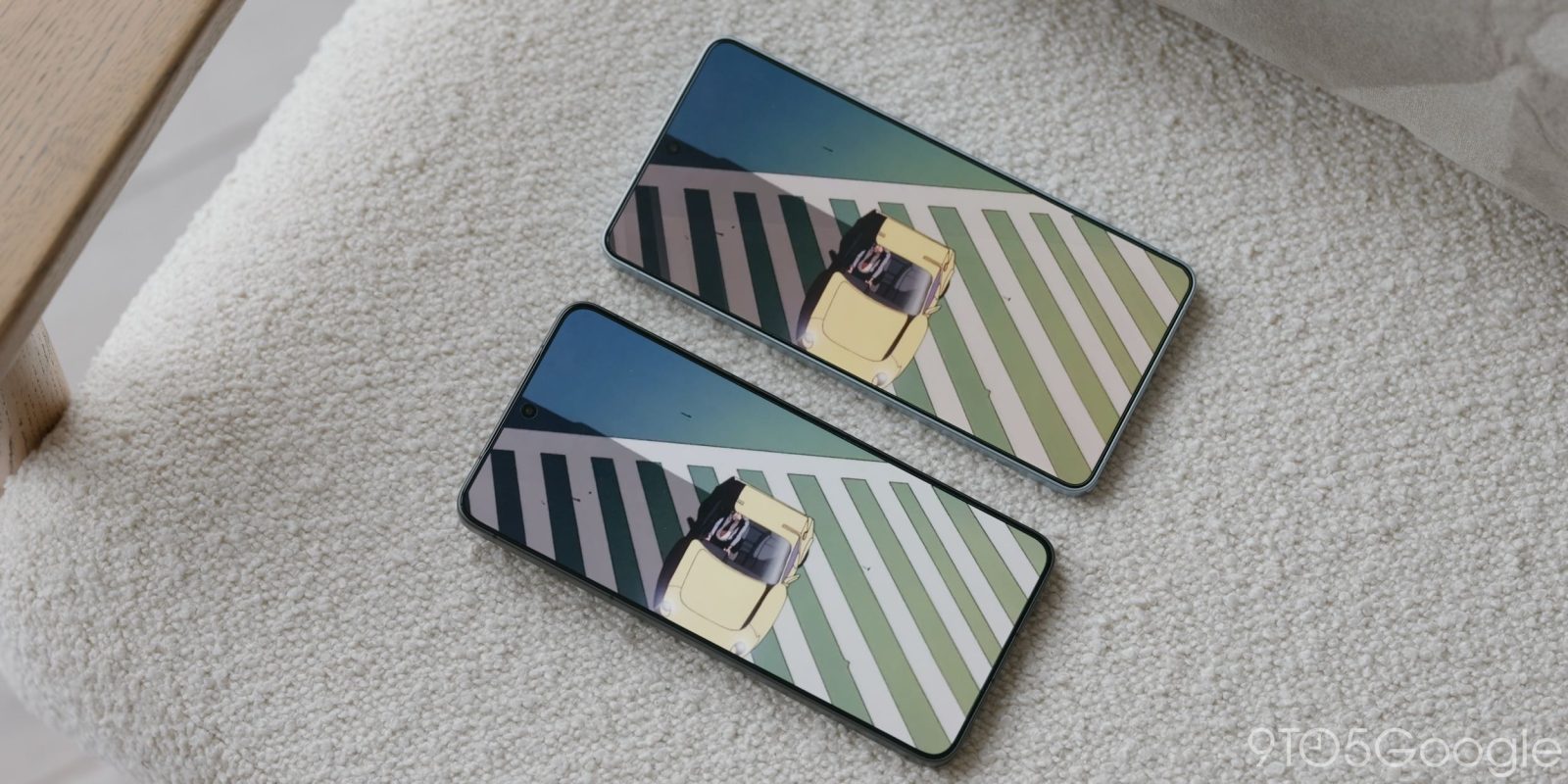
The Samsung Galaxy S27 display may be getting a DC-dimming upgrade, and that will be a huge boon for people sensitive to PWM dimming.
Ever since the Galaxy Z Fold 4, I’ve had difficulty using Samsung phones for long periods of time. The problem, for me, is the company’s use of low-frequency PWM dimming, which causes me horrid headaches, followed by eye pain, and eventually nausea. It’s not fun, and I’ve learned through resources like r/PWM_Sensitive and LEDStrain.org that I’m not alone.
Thankfully, Samsung’s Galaxy S27‘s display may give users the option to use DC dimming, according to one rumor (via GSMArena). Motorola has offered DC dimming as an option on all its OLED-equipped phones for years, and it’ll be great to see Samsung do the same. DC dimming is a more traditional dimming method used by lightbulbs and displays since the dawn of each technology, and is often considered more comfortable than PWM dimming by advocacy groups.
Sure enough, as I learned more about PWM dimming in my personal struggle over the years, phones that use DC dimming are often the most comfortable for me. The only other alternative is to use much higher frequency PWM dimming; 2,000Hz or higher, while the $1,300 Galaxy S26 Ultra only uses 480Hz.
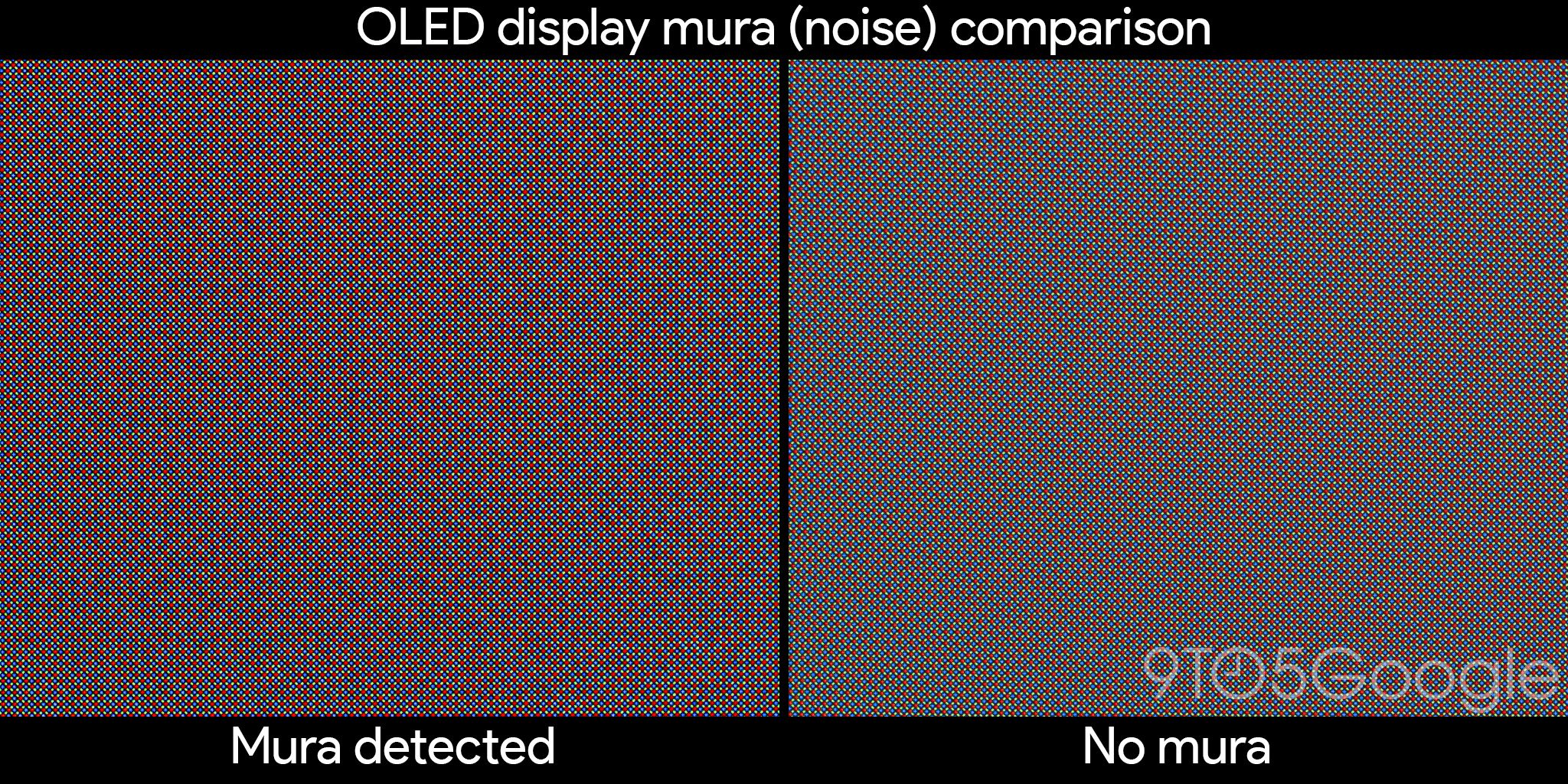
Samsung has long prioritized PWM dimming on its displays for several reasons. First, PWM dimming offers better display quality in low-light situations, as DC-dimmed OLEDs can sometimes exhibit “mura” at low brightness levels, which means individual pixels don’t dim at the same rate. This creates what’s referred to as a “noisy” display, and often looks a bit like old film cameras (see the image below for an example).
Second, is efficiency. While it hasn’t been proven to have a drastic effect, PWM dimming can be loosely linked to better battery life. This has become a bigger deal in recent years as Samsung has lagged behind other companies in battery technology, but will be less of a sticking point as the company finally adopts silicon-carbon batteries more widely.
Third, is cost. DC dimming traditionally requires extra hardware to regulate voltage, while PWM dimming is (typically) done entirely via software. Extra hardware means a phone costs more to manufacture, even if it’s just a small amount per unit.
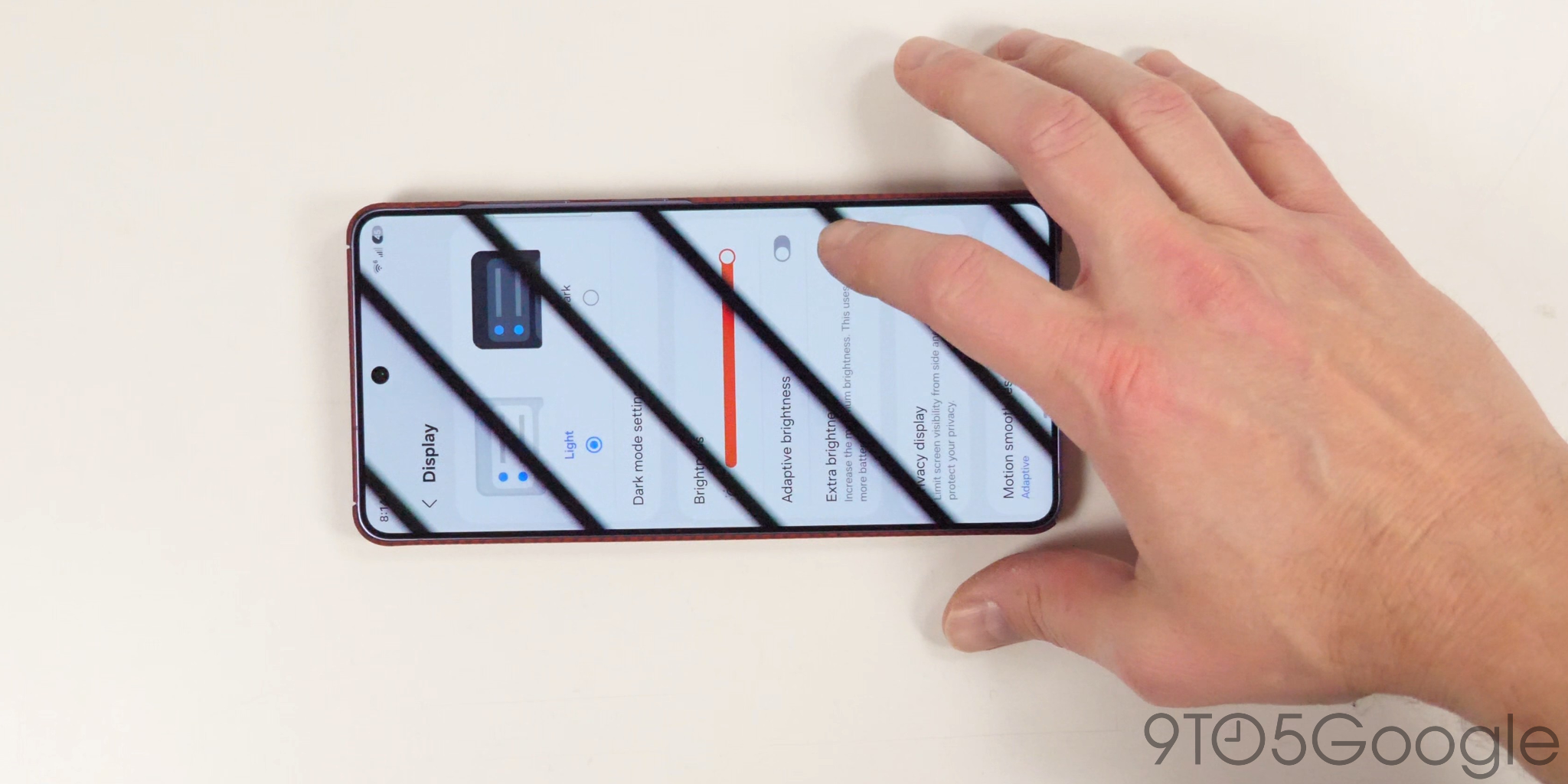
But people who are sensitive to PWM dimming typically cannot use Samsung phones at all, so none of these “positive” points matter to them. Companies like Apple and Google have begun making changes to cater toward PWM-sensitive individuals, but neither have adopted full DC dimming as this Galaxy S27 display rumor suggests Samsung might do.
If the Galaxy S27 display doesn’t adopt DC dimming next year, that will make the Motorola Signature 27 the only flagship in the US to support the technology. OnePlus used to offer DC dimming on its flagship phones in the US, but the company no longer sells its phones outside of China.
More on the Samsung Galaxy S27:
- Galaxy S27 Ultra’s missing camera shown in leaks is its 3x zoom
- Two Galaxy S27 models will get Samsung’s Privacy Display, not just the Ultra
- Samsung reportedly hasn’t finalized Galaxy S27 details, considers February launch
Follow Nick: YouTube, X (Twitter), Threads, Instagram


FTC: We use income earning auto affiliate links. More.


Comments