
Welcome to Inbox, I hope you had a lovely weekend. I’m on vacation this week, which means when I’m not failing to ignore my own inbox, I’m hoping to read a few books that have been sitting on my to-read shelf since the spring. What are you reading these days? Let me know by replying to this email or leaving a comment on the site.
As a reminder, Inbox is the tech newsletter you should be able to read in around 95 seconds. We cover the most important 9to5Google stories from the last couple of days along with a few highlights from around the web. We publish every Tuesday and Thursday, and if you like what you read, please subscribe.

You can find previous issues of Inbox here.
⭐️ Starred
On Friday, we talked to Google’s Vice President of Devices and Services, Shakil Barkat, about the impending price bumps to current and future Pixel devices. While he didn’t tell us by how much, he confirmed that the Pixel 11 series will be more expensive, with pricing “rolled out dynamically to match supply realities.” This felt inevitable. Earlier this summer, Apple confirmed that its newest iPhones will be priced higher, and last week Samsung’s foldables debuted at least $100 more than last year’s models. Honestly, none of this was a surprise.
What was slightly more interesting was what Barkat said about how Google is approaching the RAM crisis as a software opportunity.
Beyond needing to pass “supplier costs” to consumers, Google is also “aggressively engineering its way through these challenges.” Barkat mentioned a “dedicated effort” to drive down memory requirements across Android and the app ecosystem to “enable devices to have less RAM while maintaining a great user experience.”
This comes in the wake of rumors that some Pixel 11 Pro models will actually have less RAM than the Pixel 10 Pro. Specifically, while all Pixel 10 Pro models, even the 128GB version, shipped with 16GB of RAM — an amount designed to optimize local AI performance — the 256GB model of the Pixel 11 Pro will likely ship with 12GB of RAM, limiting the 16GB option to the more expensive 512GB and 1TB models.
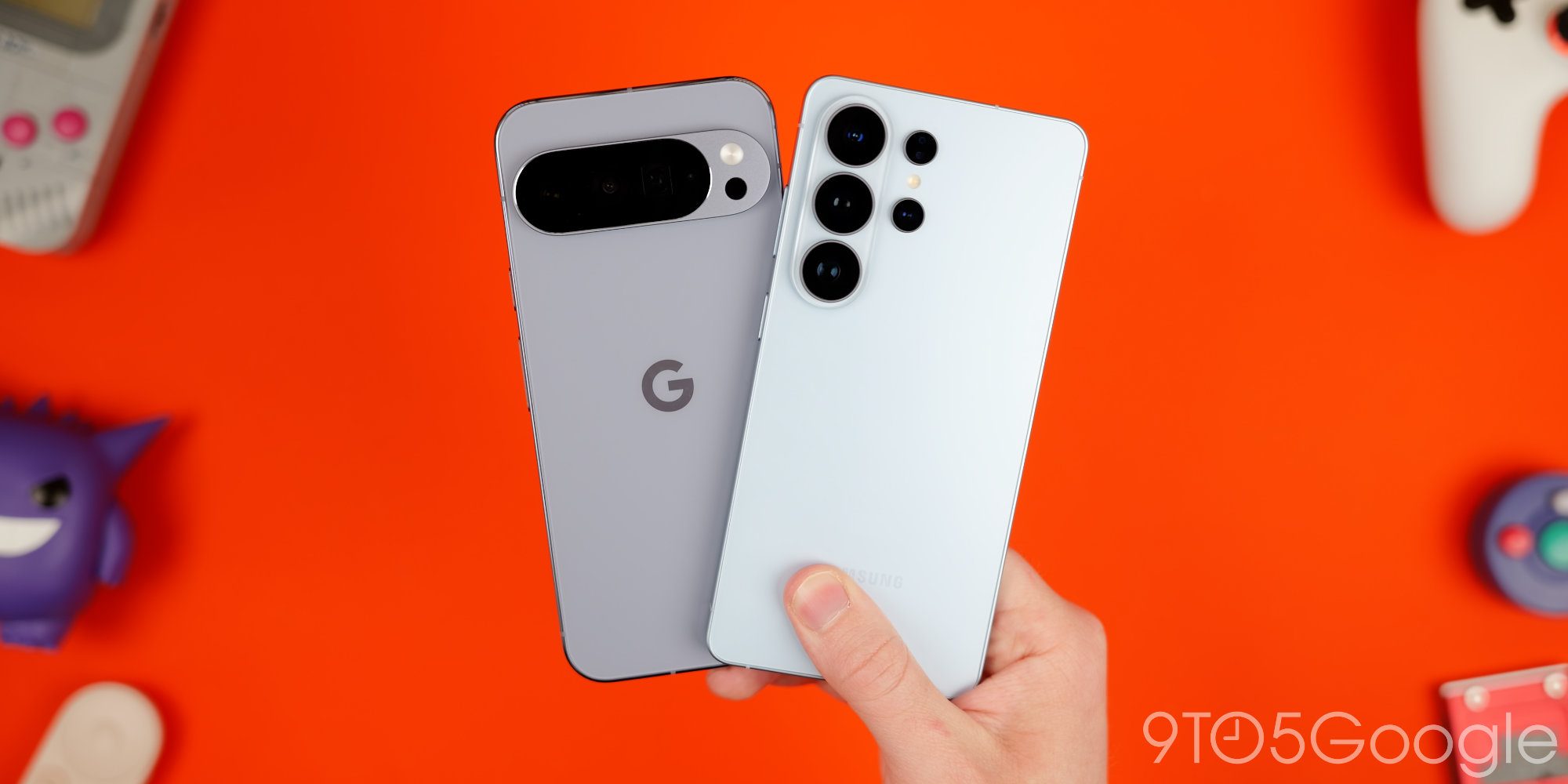
To get ahead of the criticism, Google is promising to make Android more RAM-efficient. While we don’t know the specifics of the initiative just yet, the announcement comes at a critical time for the smartphone industry. Google can surely optimize certain aspects of the OS for 25% less RAM, but when it’s loading ever-larger and more capable Gemini Nano models onto the phone to run locally, will performance take a hit? We expect a more powerful and efficient TPU to perform the on-device calculations, but will there be tasks a 12GB Pixel 11 Pro can’t do that its 16GB counterpart can? Likely not, but we’ll have to wait and see.
Perhaps more intriguing is what happens to Android on the lower-end side. With such high component prices, the economics of building a budget Android phone have changed, and that may force manufacturers to consider lowering the amount of RAM in some of these devices to 4GB or 6GB to meet sub-$200 prices. Nothing already canceled one of its devices as a result of the RAM crunch, and it’s unlikely to be the only victim.
Google has a long history of releasing Android updates that focus primarily on performance or efficiency. In 2012, Project Butter focused on making Android 4.1 smoother across all screen sizes and processors, targeting instant touch response and a consistent 60fps frame rate across the OS. On Android 4.4 KitKat, Project Svelte targeted memory efficiency gains on devices with 1GB of RAM or less. In 2017, Project Treble made it easier for manufacturers to update Android without waiting for chip vendors to issue their own code updates. And in 2019, Google built on Treble with Project Mainline, making it possible to update core components through Google Play Services.
These days, Android updates are both more regular and less interesting than the annual affairs they used to be, so it’s entirely possible Google will just integrate its RAM efficiencies into a future QPR update. At the same time, with Apple making waves this year by focusing on performance and stability improvements in iOS 27, I feel like Google could produce its own fanfare by doing the same — even if it’s only in response to a pricing problem it contributed to.
✉️ Inbox
- Google introduces new ‘selfie video’ sign-in method. You can now use your face to log into your Google account. Google promises it’s just as secure as other methods, and you can use it on mobile or desktop.
- EU fines Google $1 billion for ‘preferential treatment’ in Search, Play Store. Google is on the hook for €890 million, or around $1b USD, in two separate fines related to the company’s perceived self-preferencing in the EU.
- Galaxy Watch 9 and Ultra 2 are the first Wear OS watches with 5 years of updates. This is a trend I like to see: Samsung is committing to half a decade of updates for its new wearables. That’s an extra year over its previous product lineup.
- Gemini Spark rolling out to Google AI Pro users in the US. Google’s agentic assistant has rolled out to a significantly larger user base in the US after being limited to those paying $200/mo for AI Ultra.
- Nothing calls ‘fake news’ on shutdown report. The UK-based maker of stylish Android phones and earbuds is not closing up shop but laying off an unspecified number of people, a result of “consolidating individual countries into regional hubs.” Best wishes to everyone affected.
- Samsung’s entire 2027 Galaxy flagship lineup leaks with TriFold return. Most people don’t even have this year’s Samsung foldables, but a new report states that 2027 will see four new models, including a return of the $3,000 TriFold. In this economy?
- Samsung hints at silicon-carbon batteries for more Galaxy phones. With Samsung dipping its toes into the higher-density world of silicon-carbon batteries, the company says that more is to come.
- Samsung teases Android XR glasses with phone & watch integration, ‘reasonable’ price. Samsung is diving into a brand-new product and says that its advantage over Meta is that its smart glasses are made by a smartphone company and therefore work better as part of an ecosystem.
- YouTube Premium subscribers are getting Peacock for free in ‘the coming months’. US-based subscribers to YouTube Premium, arguably the best value subscription out there, will soon get free access to ad-supported Peacock as part of a larger agreement with NBCUniversal.
🤑 Action items
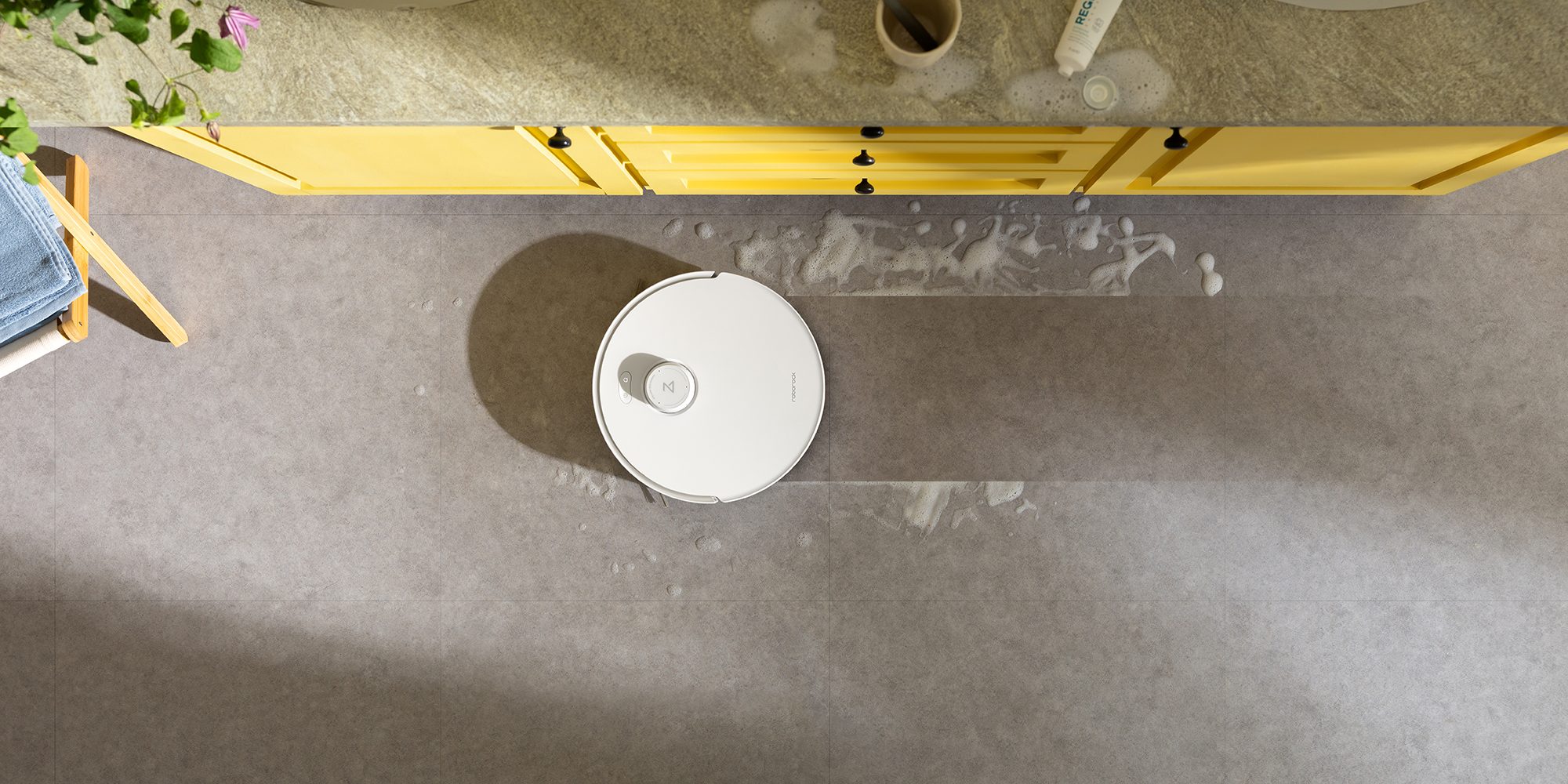
I’m never more disappointed than when Steve, my robot vacuum, gets stuck only a few minutes into his nightly run and doesn’t finish his clean. In the morning I come downstairs expecting a spotless floor but find him canoodling with my daughter’s school bag, straps akimbo.
I’ve grown to love my robovac, which happens to be a Roborock S7 MaxV, probably more than I should a robot on wheels. It’s a pain in the ass to clean, requires regular maintenance, and gets stuck far more than it should, but when it works it lets me emerge to a living room and kitchen clean of crumbs, sticky floors, and whatever other crap my kids toss into every nook and cranny they can find.
I bring this up because Woot is having a pretty great sale on refurbished Roborock vacuums, including the excellent Q Revo and S8+, both $299. I haven’t used either model, but Rtings.com gives them both high marks.
🙃 FWD:
This section has some of our favorite stuff from around the internet. Great videos, weird memes, fun reads, recommended apps, whatever. Send us your recommendations!
In light of yesterday’s news that YouTube Premium will soon ship with a free Peacock subscription, I’m reminded of one of the few reasons to ever open NBC’s streaming app: SNL.
Specifically, last year’s Ladies & Gentlemen… 50 Years of SNL Music documentary, co-directed by Questlove and featuring performances and interviews with many of music’s greatest writers and artists. I loved all of SNL 50’s months-long tribute to itself, but this documentary was the reason to give it so much attention.
🗑️ Trash
It’s grim in the gaming world right now. Between Microsoft laying off 3,200 people from the Xbox team and Sony announcing an end to physical game media by 2028, there are many reasons to be upset by how the machinations of trillion-dollar companies are affecting our love of gaming.
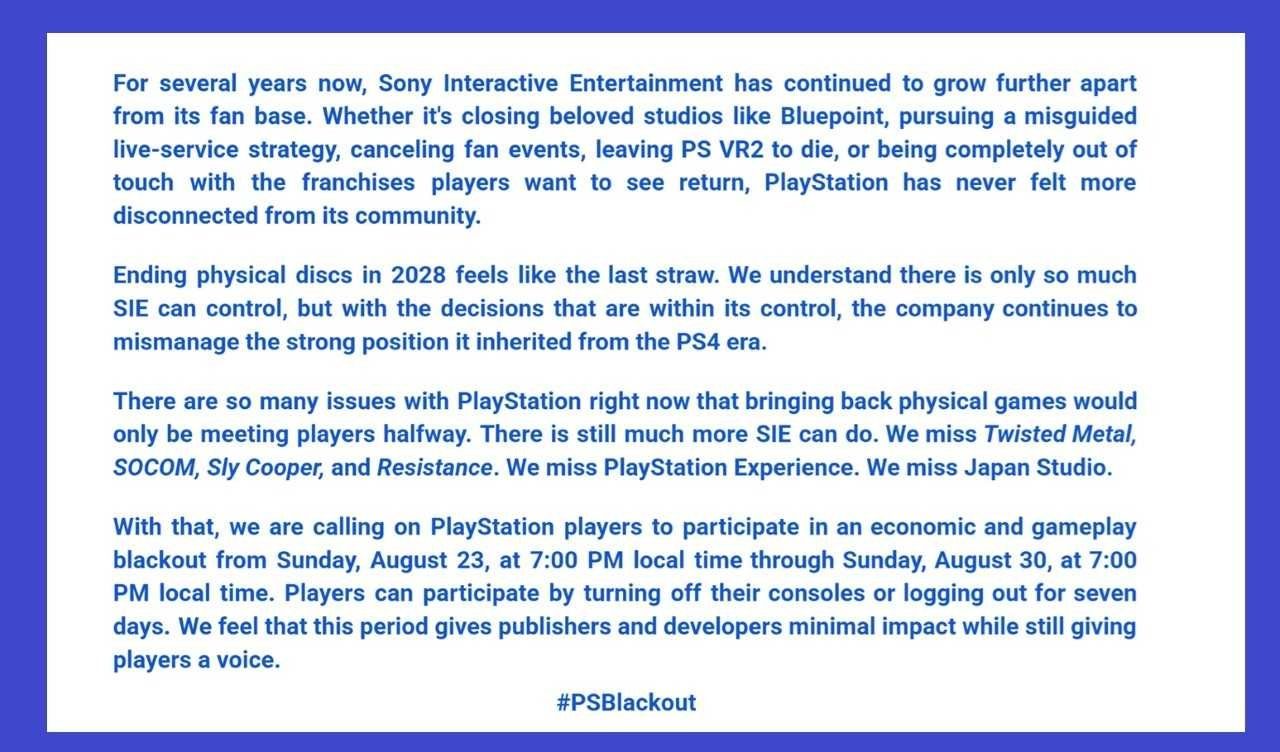
Advocacy and game preservation group, Does It play?, is proposing a one-week PlayStation shutdown starting August 23rd through the 30th.
They’re also hoping to add more signatures to the nearly 350,000 that have already signed the petition to “save physical games.” I’ve already added mine, and I hope you will, too.
Like what you just read? Subscribe to Inbox today and get it in your email every Tuesday and Thursday morning. Got feedback? Send us an email.
You can also support us by becoming a 9to5Google Pro member, starting at just $5/month. You get bonus podcast episodes, access to our members-only Discord server, and lots more.
Thanks for reading, and have a great day. See you on Thursday!


FTC: We use income earning auto affiliate links. More.


Comments