
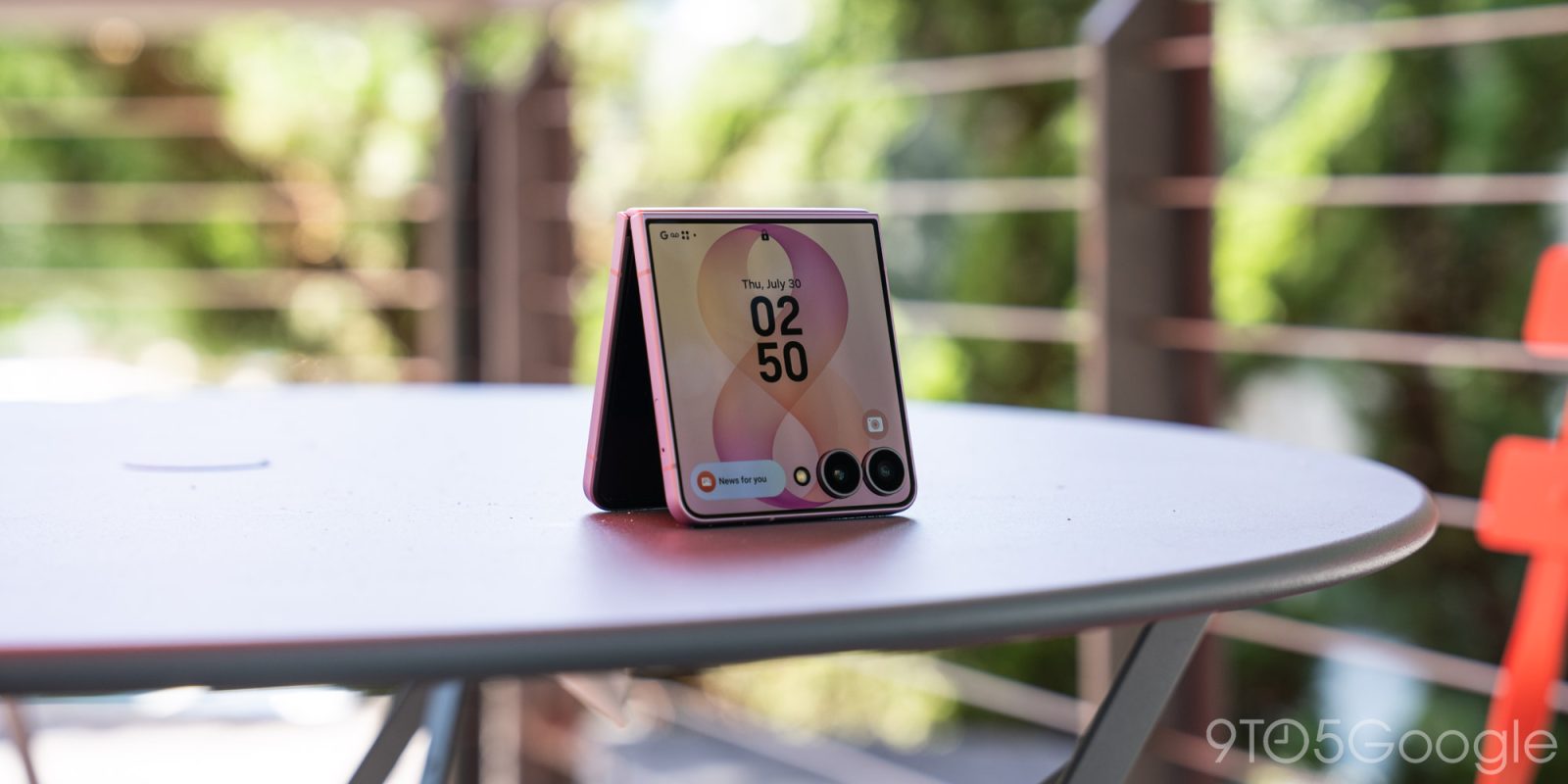
Rumors have been floating around that the Galaxy Z Flip 8 will be Samsung’s last foldable flip phone. After spending a bit of time with this latest generation, I’m not exactly sad at the thought of seeing it go, but I also see the writing on the wall as to why Samsung might be considering leaving it behind.
Let’s start with the good.
Galaxy Z Flip 8 is about as good as you can ask for from a flip phone foldable. The hardware is seriously just top-notch, even if it’s not all that new. I didn’t get to spend much time with the Flip 7 last year, but this year’s generation benefits from the same improvements as the Fold 8 – a chassis that’s easier to open, less of a crease on the display, and an anti-reflective inner display that’s just so much better to use.
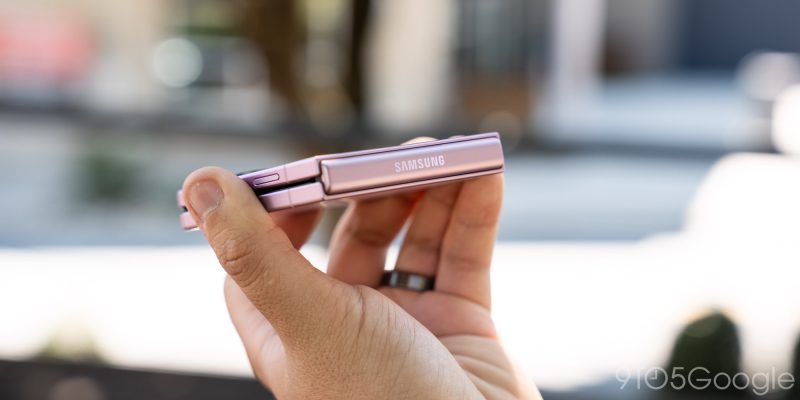
The other noteworthy change is the overall bulk. While the smaller footprint is the big selling point of a flip phone foldable, I’ve always been a little bit annoyed at just how thick these devices tend to be. Samsung has slightly addressed this on Flip 8, shaving off around a millimeter from the folded device. It’s not a ton, but it’s enough to make the device feel better in the hand and in my pocket. And thanks to the switch to silicon-carbon, that doesn’t come with a battery hit – not to say the 4,300 mAh battery shouldn’t be bigger, as endurance is still mediocre. Performance out of the Snapdragon 8 Elite Gen 5 has been snappy, as expected, and heat management is fine. It is nice to see Samsung going back to Snapdragon here after a year of Exynos-only. The cameras are largely unchanged – in other words, they’re fine – and One UI 9 is just as good here as it is on the Fold 8.
This “Pink” color also rules.
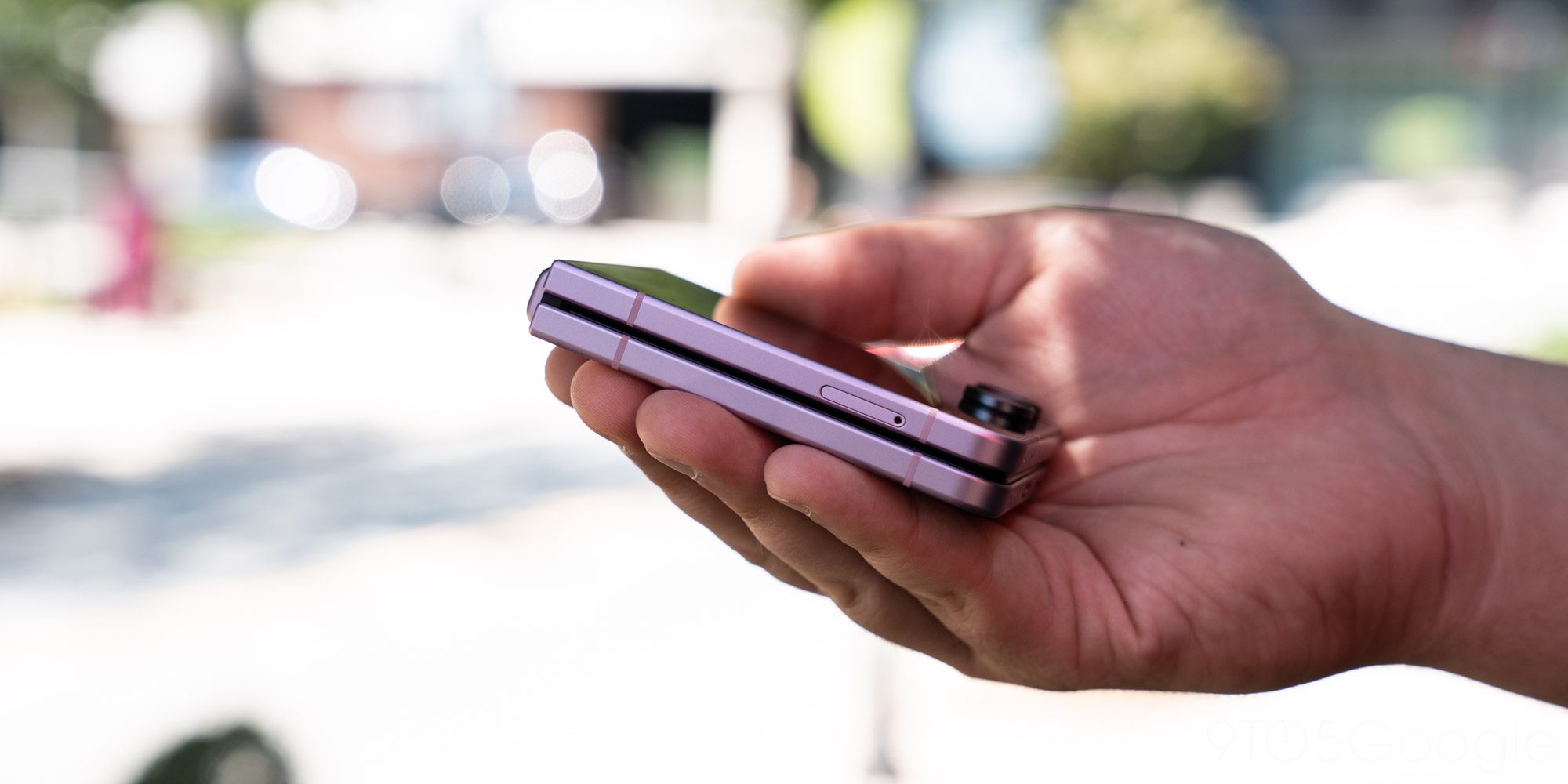
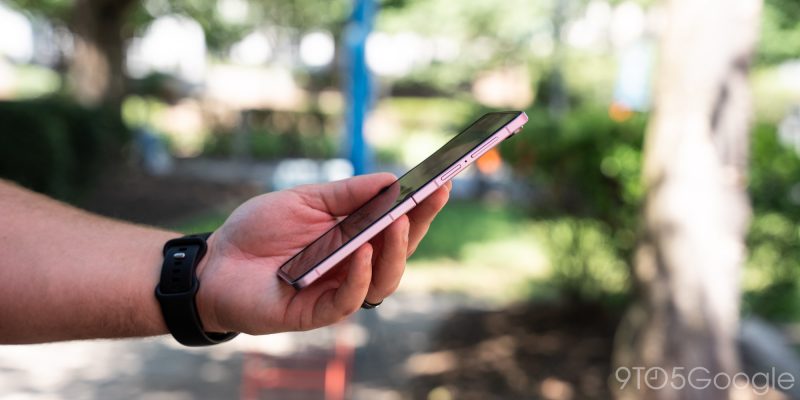
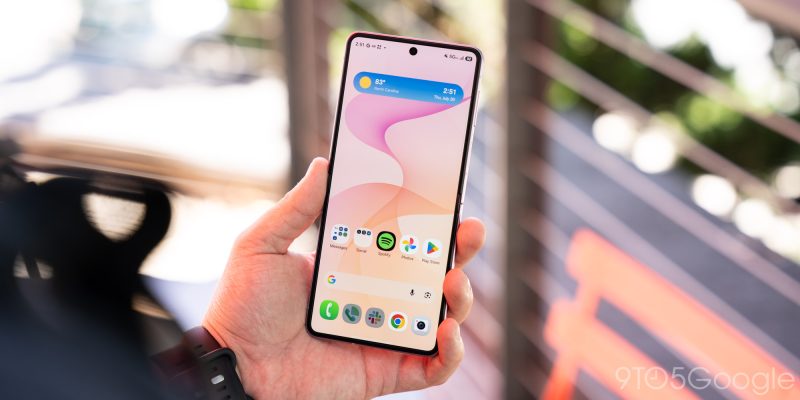
But that’s really all I’ve got to say here, because the frustrating fact is that Samsung – and Motorola, for that matter – has let this device completely grind to a halt when it comes to pushing things forward. As mentioned, the hardware changes are minimal at best, and the software is also still stuck in place.
The big change this year is around the “FlexWindow” cover screen, specifically in how AI can integrate with it. You can get contextual notifications via the cover screen’s main page, while also getting the whole experience reworked to function more like the rest of the phone. As we previously mentioned, it feels a lot like what Google would build if it were making a foldable flip phone.
Due to time constraints, I didn’t use the Flip quite long enough to try out these new features, as they need a week or two to learn enough about you and your schedule to be truly helpful.
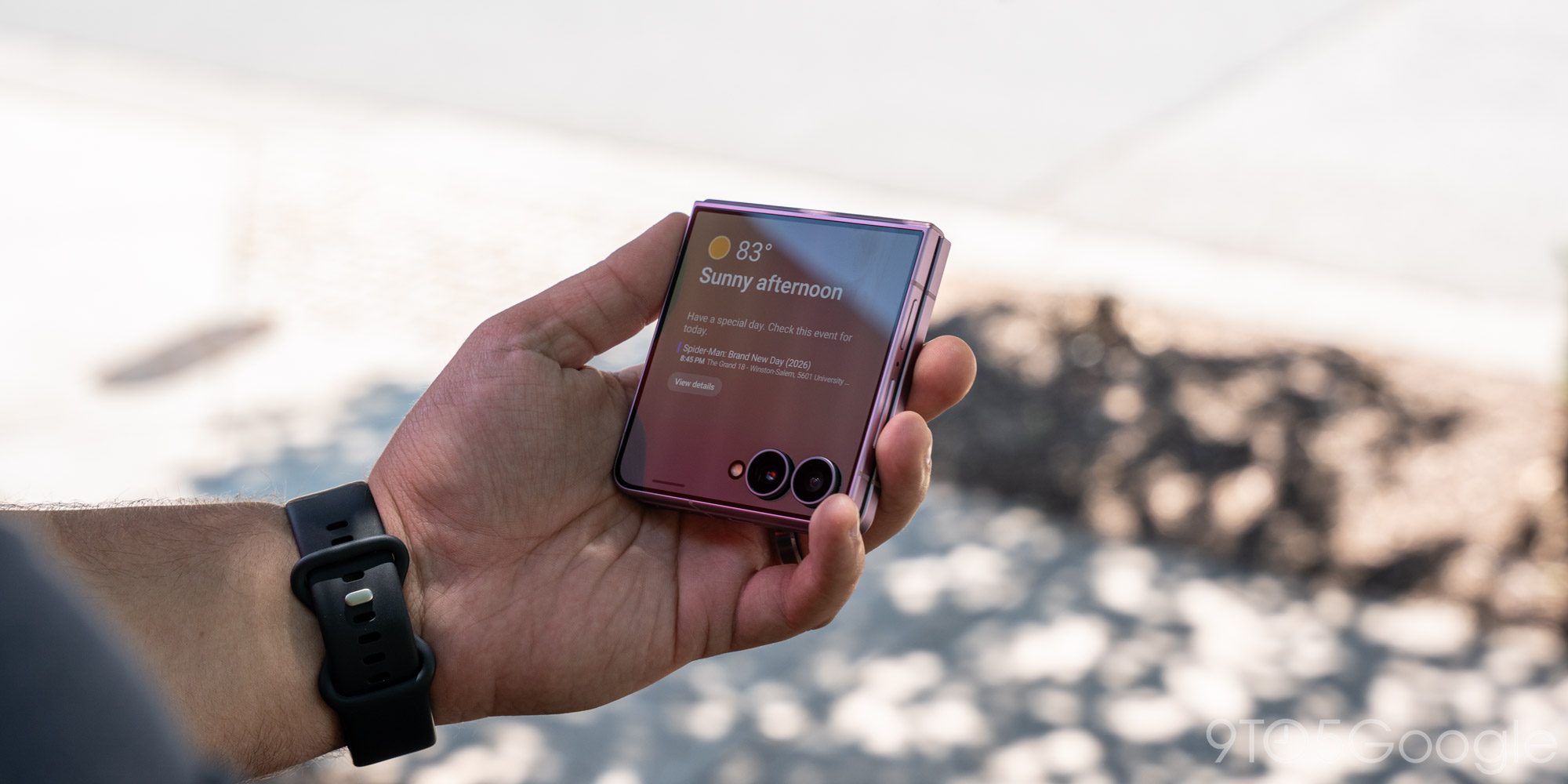
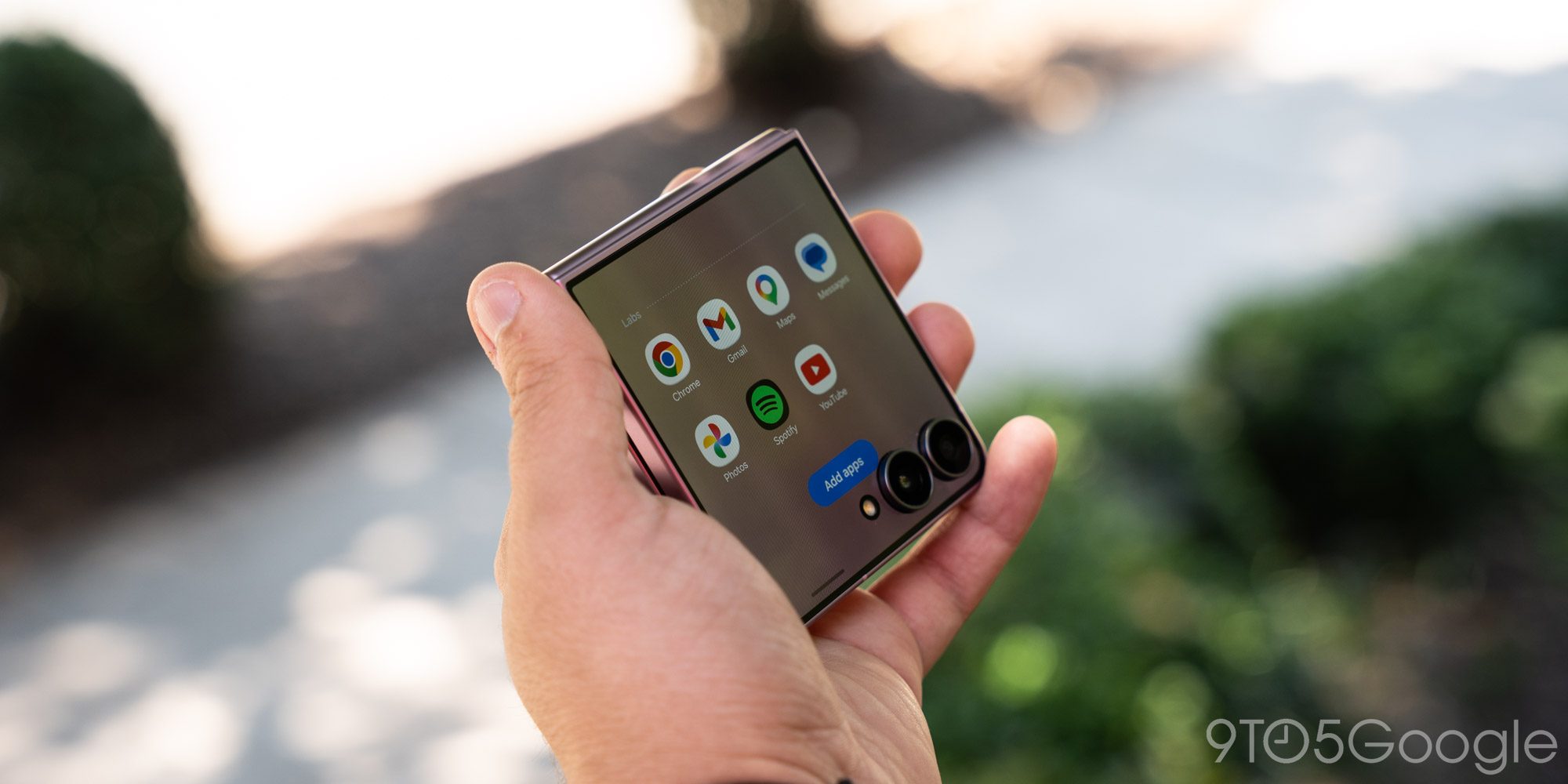
But it’s not enough, largely because you’re still heavily limited on what apps can run on the cover display. Alongside a handful of Samsung apps that dominate the top of the app drawer forever, the “Labs” section supports 4 apps, with the install of MultiStar via Good Lock immediately extending that to 50 more. And you do this all via the cover screen, with no app settings showing up within the full settings menu.
Realistically, the only change here is that Samsung finally optimized more of its own apps for the cover display and added a proper app drawer.
Really, what I’ve realized in the time I’ve been trying to force myself to use the Galaxy Z Flip 8 is that it’s simply not for me. I’ve never been big on this form factor in general, really. I understand the appeal of a smaller footprint, but the usability problems have always outweighed that for me. Between having to unfold my phone just to take a picture and having all of the functionality I need locked behind the same motion, it’s just not a fit for me.
And it sounds like I might not be alone.
The Galaxy Z Flip was Samsung’s original foldable hit, the first form factor that resonated with audiences. I think that does largely boil down to size. In our modern age of big screens, people do want to have a smaller overall device without giving up a bigger screen, and the Flip was long the answer to that. But with the advent of the Galaxy Z Fold 8’s new shape, the tides are turning. Samsung said that more Flip owners are converting to Fold this year, and I think that new shape is why. It’s a perfect middle ground. When folded, really not all that much bigger than the Flip, just with an outer screen that’s fully functional, and an unfolded state that’s far beyond what a Flip could dream of.
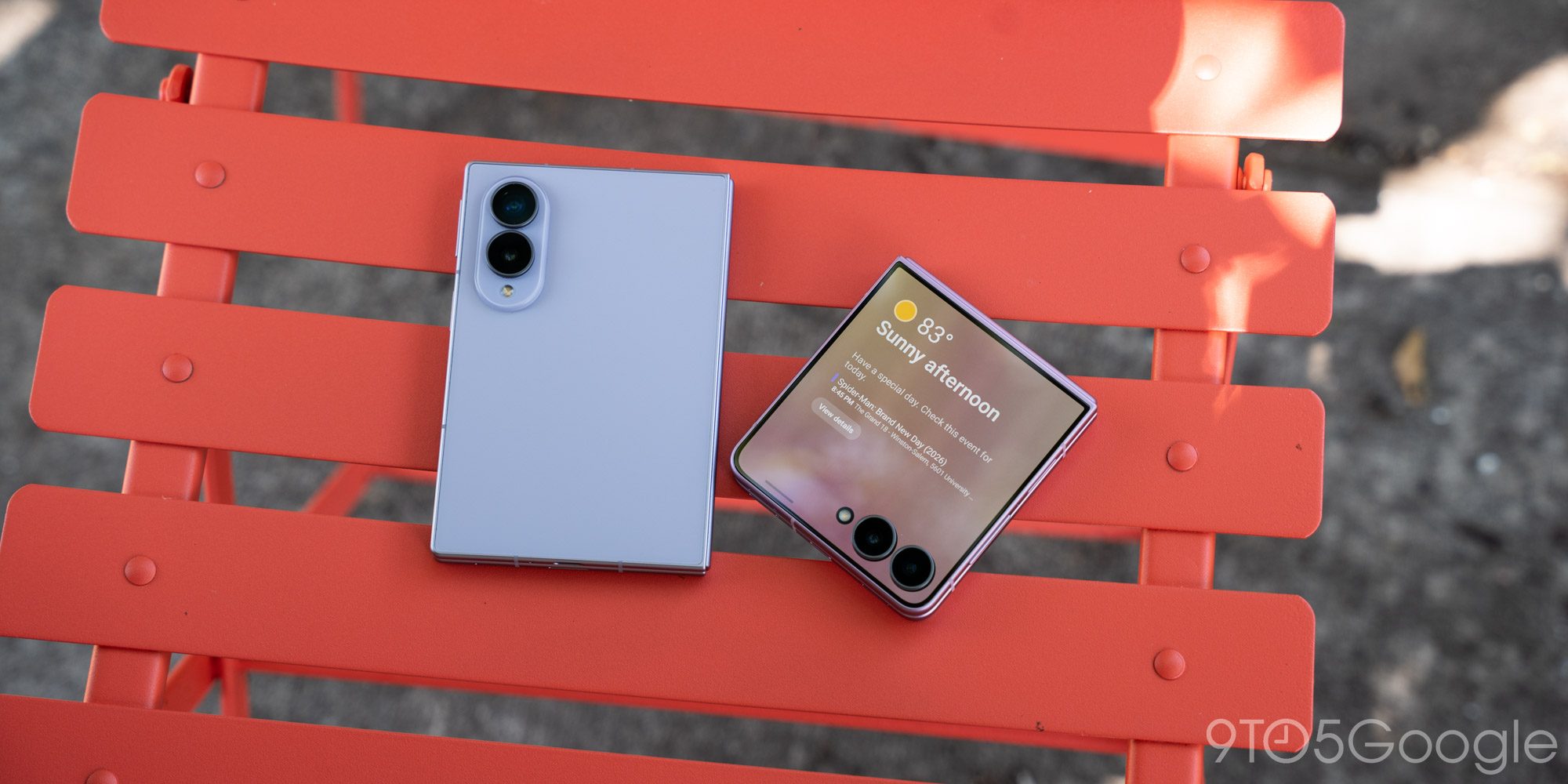
The Galaxy Z Flip 8 is a fine device, but I think this form factor is going to continue to struggle going forward simply because the Fold 8’s shape fulfills a lot of the same needs, while providing way more value. There will likely be an audience for flip phones for the forseeable future, but it’s likely going to be more and more of a niche. And with Motorola dominating Samsung in this regard, I can totally see Samsung at least partially throwing in the towel – maybe a bi-yearly release schedule?
Galaxy Z Flip 8 sells for $1,199, with pre-orders still open as of August 6, but ending tomorrow. Samsung.com offers up to $600 with trade-ins, while there are other retail and carrier perks floating around.
- Samsung.com ($600 trade-in)
- BEST DEAL: Amazon (Up to $800 trade-in + $200 trade-in bonus + $200 gift card)
- Best Buy (Up to $600 trade-in + $200 gift card)
- AT&T
- T-Mobile
Follow Ben: Twitter/X, Threads, Bluesky, and Instagram


FTC: We use income earning auto affiliate links. More.


Comments