
Good morning and happy Thursday. Today I’m donating to Dolly Parton’s Imagination Library in her honor, reading about OpenAI’s incredibly powerful new AI inference chip, pretending to read Bill Gates’ 6,000-word essay about AI’s diverging futures, and actually watching this 2-hour deep dive of the upcoming Thief: The Dark Project Remastered instead.
As a reminder, Inbox is the tech newsletter that goes beyond the news cycle. We cover the most important 9to5Google stories from the last couple of days along with a few highlights from around the web. We publish every Tuesday and Thursday, and if you like what you read, please subscribe.

Inbox is written by Daniel Bader. Read previous issues here, and then catch up with Ben Schoon’s excellent Weekender column.
⭐️ Starred
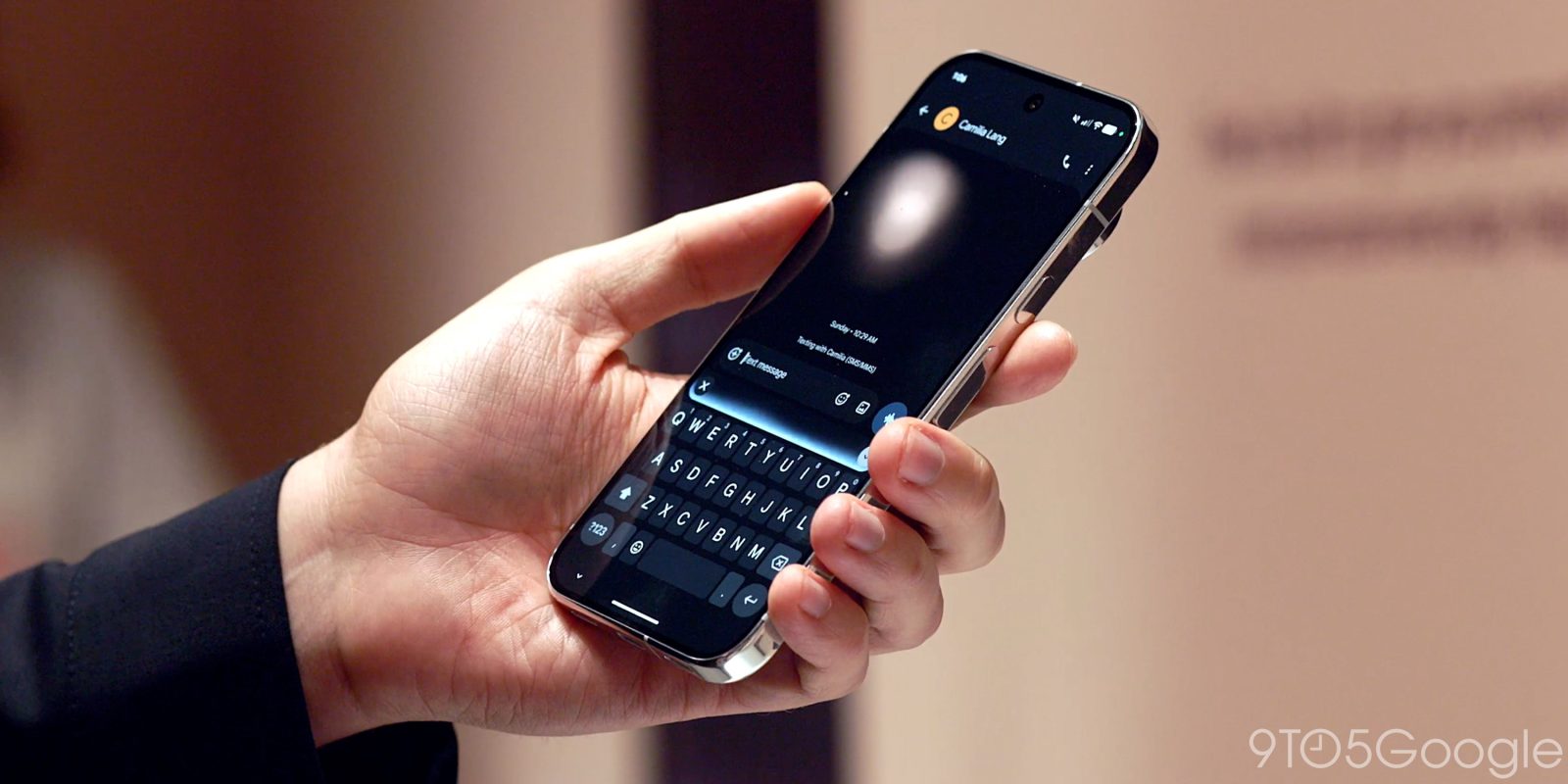
Is talking the new typing? Despite a persistent trend towards resurrecting physical keyboards on smartphones, improvements to voice-to-text AI models have set up a parallel future where we hardly touch our devices at all anymore.
Purpose-built dictation and transcription apps have also taken off. I’ve cycled between Wispr Flow, Yaps, and Typeless on mobile, and Aqua Voice and Monologue on my Mac, and while they all have their advantages and quirks, they ultimately do the same thing. And like so many SaaS products, they run on a freemium pricing model that provides a small amount of free usage and an $8 to $12/mo fee for premium features.
Last month, OpenAI unveiled GPT-Live, a model that allows close to real-time full-duplex communication and sits on top of a multimodal LLM it can delegate tasks to. It was the latest in a long line of products focused on overhauling the reliability of voice inputs on any device with a microphone, from laptops to desktops to phones.
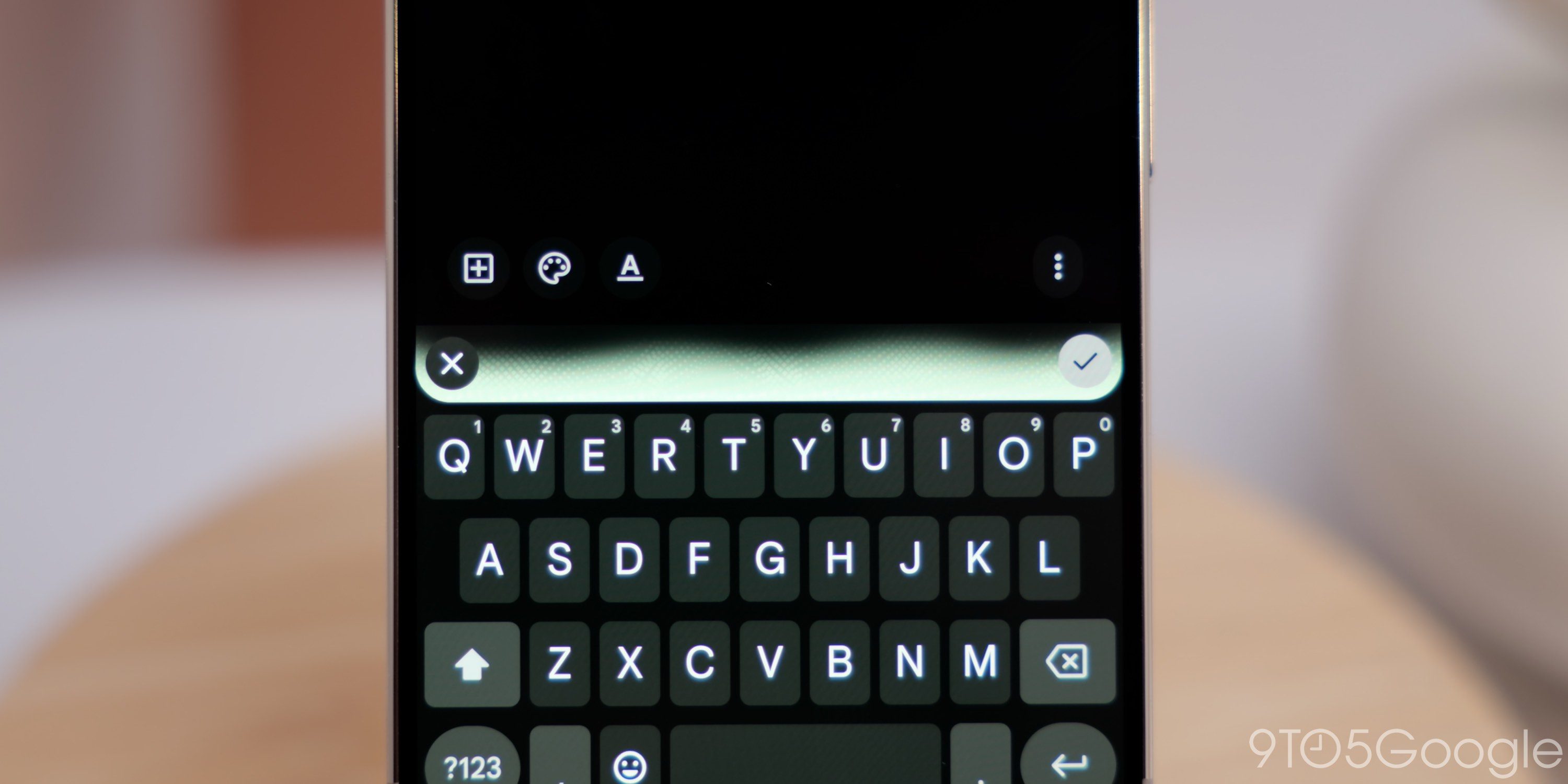
Now, Google has (re)entered the fray with Gemini 3.5 Transcribe, a model that promises to be faster and more accurate than GPT-Live and, if you’re a Pixel 11 owner, is already integrated into the excellent Rambler tool that’s Sherlocking many of the above products.
It can do all the things GPT-Live can, just faster. And unlike OpenAI’s, Google’s digital canvas is enormous. It wants you to talk to your Google Docs and Sheets, Gemini Live and Spark on Mac and mobile, and potentially more disruptively, through its Gemini API, by which developers can integrate voice input into their own apps.
Voice input isn’t new or novel — I’ve been sending WhatsApp voice memos to friends and family for years — but this new paradigm combines accurate transcription, where a model intelligently removes verbal tics and reformats text into tables or charts, with dynamic action. Think dictating an email that includes instructions to insert a specific photo from your camera roll and embed a map with directions. The combination of speed and dynamism is certainly enticing, but I’m not yet a complete convert.
There’s something tactile and contemplative about typing and communing directly with a thought that can’t be recreated with voice. And a world where everyone on the subway is dictating their commands to an agent sounds awful. But there’s a growing contingent of people, particularly those with fine motor impairments, who will find massive benefit from intelligent voice models, and that’s a world I’m OK with.
✉️ Inbox
- Galaxy S27 Ultra’s major redesign detailed in new renders, price hike rumored. Of course the next Galaxy flagship will be more expensive, but it’ll also wobble less on a table, so it’s a fair trade-off.
- Galaxy S26 Ultra is the world’s most popular Android phone, and that’s a first. The iPhone 17 is the world’s most popular phone, but Samsung’s most expensive phone that isn’t a foldable is, for the first time, the top-selling Android phone.
- Nothing’s Android 17 update debuts this week with redesigns, new apps, 3D emoji [Gallery]. Nothing’s tasteful take on Android meets a bunch of really nice Android 17 features. Looking forward to this one.
- Qualcomm’s next Snapdragon flagship chip has 5 GHz Oryon CPU. Qualcomm hasn’t revealed the manufacturing process of its latest chip, but Apple’s newly announced M6 is being built on TSMC’s 2nm fab, so it’s almost certain the Elite Gen 6 will be a fast follower.
- Xiaomi’s version of the wider Galaxy Z Fold 8 shows up in hands-on leak ahead of launch. Now that Samsung’s gone and done it, and with Apple soon to debut its own, we’re seeing wide foldables from the big Chinese OEMs.
- Google Play mandating reduced memory usage & seamless device migration in 2027. As I talked about in a previous Inbox edition, thanks to the RAM crisis, Android is entering its efficiency era.
- The ‘cheap smartphone era is over’ and price hikes are ‘permanent,’ bleak forecast reveals. Think prices will drop when demand for components levels out in 2028 or so? Don’t be silly.
- Google Keep for Android rolls out ‘Find in note’ search. I’m still waiting for Google’s big Gemini-based Keep redesign, but I also like that the note-taking app feels like a vestige of an older, simpler time.
Our team also played with a few gadgets this week. First, Ben toyed with this weird Pebblebee tracker that fits inside a bike handle or golf club and works across iOS and Android. Then Andrew got testy about Google’s mid-quality default Fitbit Air straps. Damien compared the Pixel 11 to its predecessor, and then Ben told it like it is re: the Pixel 11 Pro Fold:
The Pixel 11 Pro Fold isn’t the best, but it’s also not bad either. Sort of like how every smartphone has a good camera now and it all comes down to your priorities and taste, the same applies to foldables. You’re checking every important box with the Pixel 11 Pro Fold, but are you hitting the parts you care about most? If so, Pixel 11 Pro Fold starts at $1,899.
🍎 Upcoming
It’s been a busy week on the Apple front. First, the company unveiled new M6 and M5 Max/Ultra chips, and then the Mac Mini and Mac Studio updates powered by them. The quick takeaway is that the M6 is very efficient and the M5 Max/Ultra is almost certainly too powerful for most people, but all the new hardware comes with considerable price bumps at every tier. The most expensive M5 Ultra Mac Studio with 256GB of RAM and 16TB of storage costs a cool $18,300, but Apple promises that a 512GB version is coming in October. Any guesses on what that one will cost?
Apple then unleashed a long-anticipated change to its Maps app: ads. It’s a controversial change and one that hasn’t gone down well with users, particularly because its App Store and News+ ads are already of such low quality.
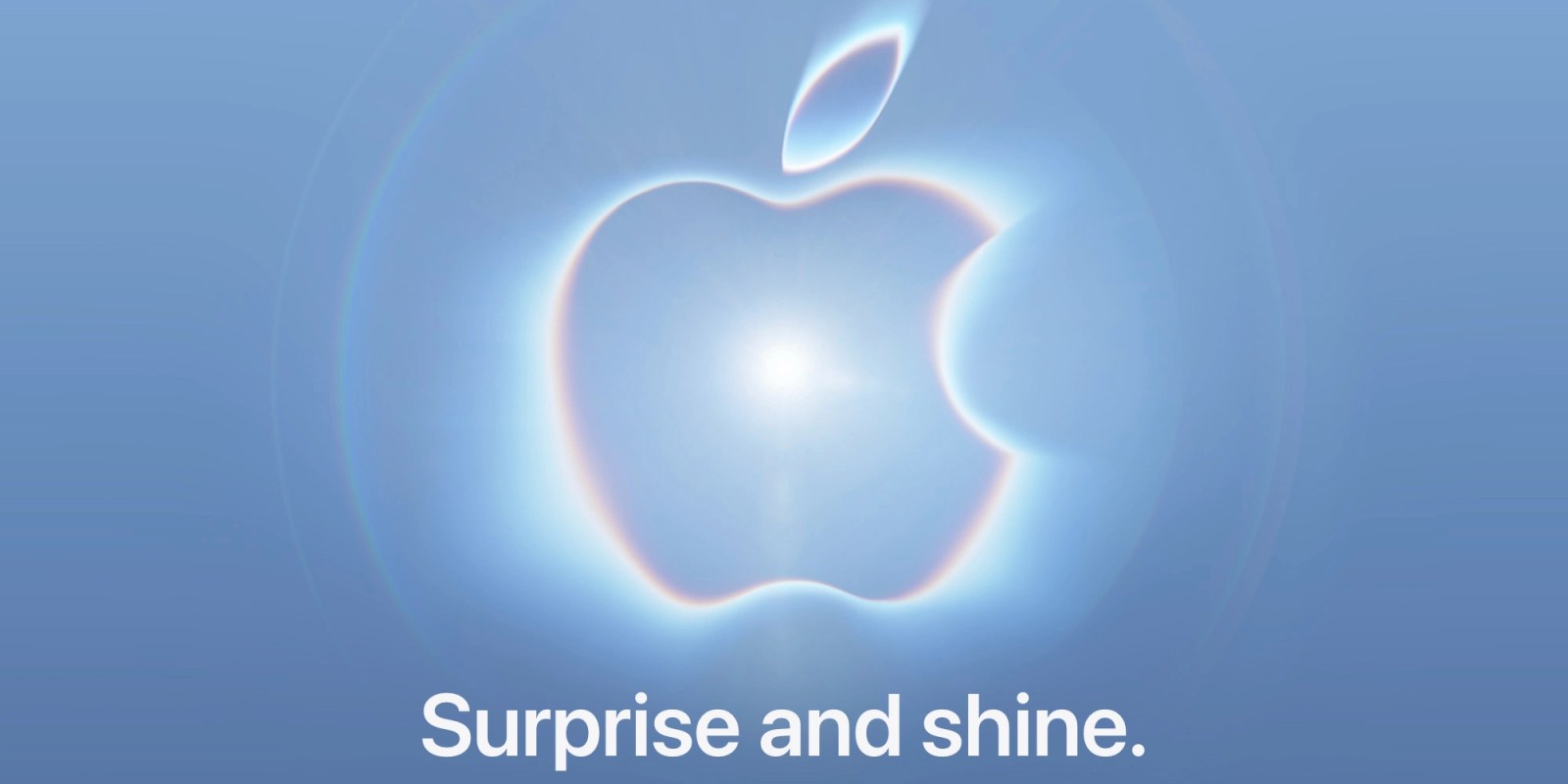
Finally, and perhaps most importantly, Apple announced a new “Surprise and shine” hardware event slated to take place on Wednesday, September 9. Of course, we’re expecting a new foldable iPhone “Ultra” alongside the iPhone 18 Pro and Pro Max, but what’s interesting is what’s rumored to be absent: any mention of the lower-end iPhone 18.
Apparently Apple is keeping its fall event spendy while waiting until next spring to launch updates to its cheaper iPhones, which may include the iPhone 18, iPhone 18e, and iPhone Air 2.
🎾 FWD:
The end of summer brings mixed emotions, but it’s also wonderful for a very specific reason: the US Open. I’m a huge tennis fan, and you’ll find me lounging in front of the TV at all hours of the day or night watching the Australian Open, Wimbledon, or Roland Garros, but the US Open is the best of all of them.
That’s why I was so excited to see the attention this incredible mixed doubles point between the husband-and-wife duo of Gaël Monfils and Elina Svitolina and the pairing of Henry Patten and Kateřina Siniaková has been getting. I’ve already watched it a dozen times and I’ll likely see it a dozen more.
Staying on the topic of tennis, I’ve been really enjoying this four-hour Netflix documentary about Spain’s favorite gentle giant, Rafael Nadal. And if that weren’t enough, Roger Federer has been making the rounds at this year’s pre-Open press conferences in his run-up to playing some exhibition matches, and discussed one of my favorite controversies in the sport: the death of the one-handed backhand. As someone who grew up emulating Sampras, I find its demise bittersweet, but at least we’ll always have this supercut.
🗑️ Trash
You’re likely to have seen news of Meta’s $18 billion settlement around kids’ usage of Instagram and Facebook. Paid out over the next decade or so, the agreement between Meta and most of the US states’ Attorneys General comes with binding promises of limiting how much time teenagers can spend on the platform and what types of content they’re allowed to see.
It’s good news all around for advocates of youth mental health, but some $5 billion of the total is being set aside to encourage YouTube and TikTok to implement similar restrictions. It’s a savvy outcome that Meta is using as a publicity tool, releasing a statement that will run as a print ad in the New York Times, Washington Post, and Los Angeles Times.
It will be interesting to see whether Google and ByteDance will rise to the occasion (or bait, depending on how it’s framed), but either way, the scrutiny on social media’s effects on young people isn’t going away anytime soon.
Like what you just read? Subscribe to Inbox today and get it in your email every Tuesday and Thursday morning. Got feedback? Send us an email.
You can also support us by becoming a 9to5Google Pro member, starting at just $5/month. You get bonus podcast episodes, access to our members-only Discord server, and lots more.
Thanks for reading, and have a great weekend.


FTC: We use income earning auto affiliate links. More.


Comments