
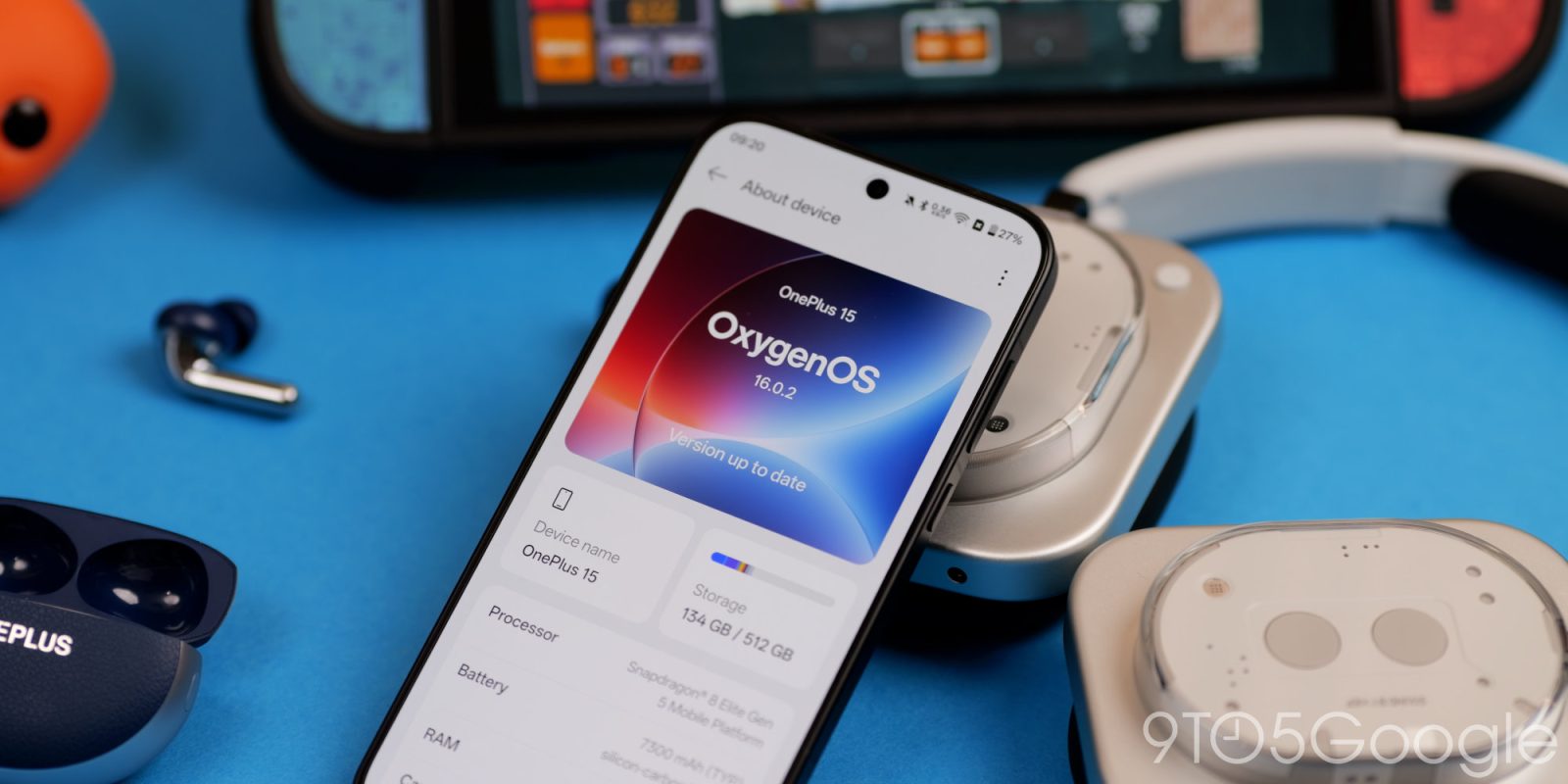
Last year, OnePlus unveiled a new Android 15 update that significantly addressed many complaints and common criticisms. However, with OxygenOS 16 and Android 16, things have changed again. And maybe not in the ways we expected.
Table of contents
For more video content, subscribe to 9to5Google on YouTube.
After making such an effort to offer a unique take on Android, while listening to enthusiast complaints and still providing a very comprehensive update, it’s quite odd to see OnePlus abandon some principles with Oxygen OS 16.
With so many ideas flowing and changes enhancing the OnePlus 12 and OnePlus 13, the OnePlus 15 launched with Android 16 installed, and we’re sort of left with a feeling that Oppo is back up to their old tricks of doing things the “Apple way” in favor of just doubling down on what made ColorOS and OxygenOS so good over the past year.
Merging ideas: Is it for the best?
For the avoidance of any doubt or confusion, there is almost zero difference between Android 16 on a top-tier Oppo phone or a OnePlus phone today. That’s no secret, and it’s no great shock; it’s been years in the making. Yes, while it’s still sad to see for the hardcore fan, it makes sense. Pool those resources and create the best possible Android skin.
This is why I’m so confused or vexed by the changes this year that feel like a step away from what was making OxygenOS such a great alternative.
Let’s reverse just a little bit, though.
It wasn’t that long ago that Color OS, in its early years, felt like it was trying too hard to replicate the iOS experience on a budget. I’m pleased that over the past few years, that hasn’t been so prominent. Still, like a moth to a flame, Oppo and OnePlus have made some silly mistakes. There are too many elements of iOS being incorporated into OxygenOS 16 this year that don’t align with the rest of the aesthetic or simply diminish the “premium” feel that has been attempted to cultivate over the past few generations.
It’s almost like the team behind OnePlus and Oppo isn’t confident in their own vision to fully commit.
Commitment to the bit

Take, for example, the cosmetic changes like increased clear or frosted display elements. You’ll notice this at the lockscreen after updating to OxygenOS 16. A clear touchpad is now used; it’s the worst possible way to introduce people to your hardware, as it instantly feels like a knock-off of the iOS lockscreen keypad.
It gets worse, though. I can deal with blurs and frosted elements, but in the app, it feels more egregious. In the OnePlus Weather app, you get heavy blur as you scroll. It feels unnecessary and obscures some UI elements as text is tough to see when overlaid over these sections.
What is annoying about these minor changes is that OnePlus is not fully committing to cloning or taking inspiration from iOS. Instead, it’s just adding in aspects that add no real value to the experience.
I can sort of forgive the “Categories” section in the App drawer, but let’s not act like this isn’t just a flat-out copy. The good thing is that this does work alongside the existing app drawer. Sure, take the good stuff from other designs and incorporate. That is sensible.
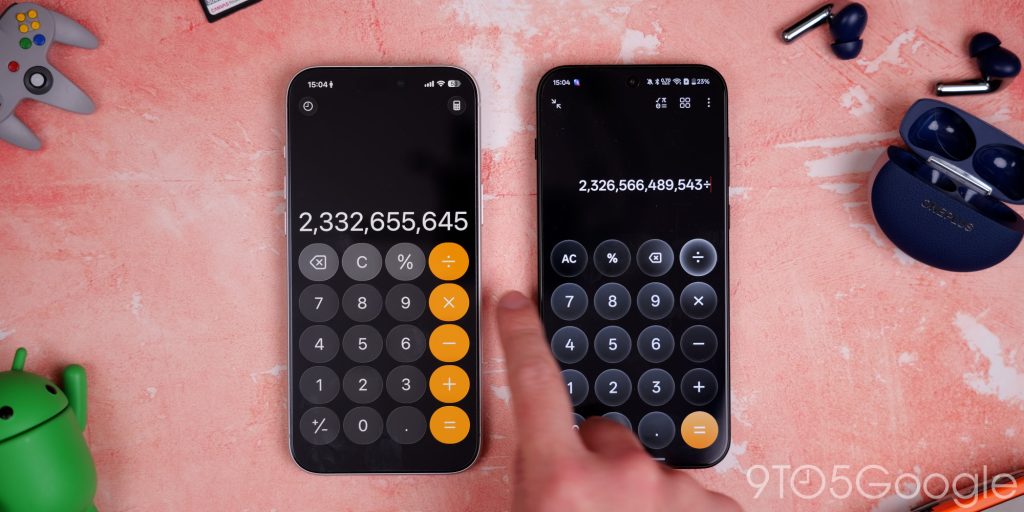
Lockscreen customisation is good, but it leans more into things Apple has already added back with iOS 17. Then there are some changes that half-step into clone territory once again. The Calculator app gets a lick of paint that isn’t too dissimilar from iOS. There’s a new compass app that has never been required previously, but suddenly needs to be added? It’s really odd.
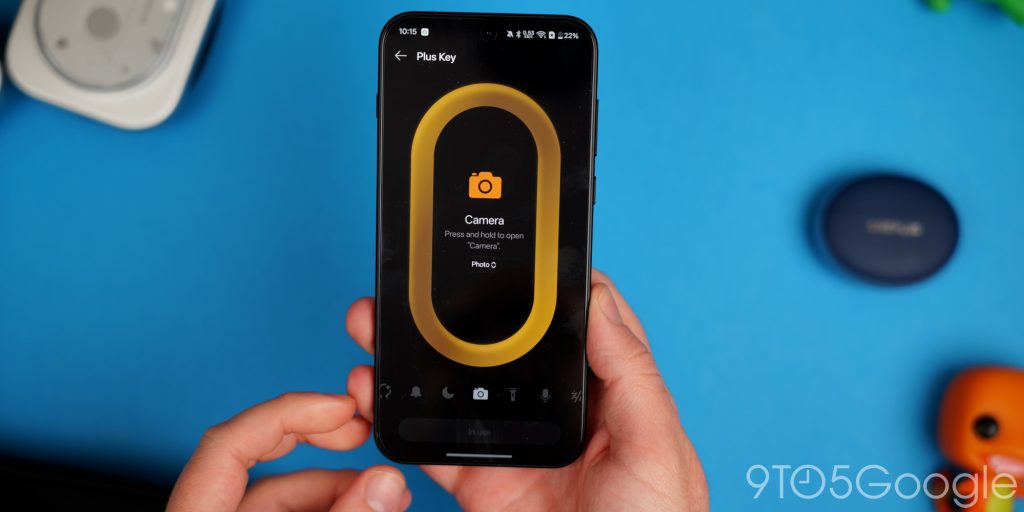
The Plus Key is a less competent Action Button. You can’t customize this to launch unique apps or even macros. I am not against a customizable button, but surely the flexibility of Android means OxygenOS 16 could have added more functions here beyond what is available. Even the UI is identical to that on iOS, which makes it feel like an afterthought.
OxygenOS 16: It ain’t all bad
It’s hard not to be a little frustrated by these admittedly minor design choices. It’s from a place of love. Almost a year ago, we sang the praises of OxygenOS 15, so we had high hopes for OxygenOS 16. The visuals don’t take away from the experience too much. Because this is a very slick OS.
It helps that most OnePlus phones have very high-end internals, but improved animations and performance-related attention to detail mean you get arguably one of the smoothest-feeling Android skins ever.
Even Samsung’s One UI can feel slow or sluggish when compared directly to OxygenOS. There are a few things that you can do here, like tune the haptic level, add in the excellent OnePlus Shelf, or get an even better gaming experience with deep controls to eke out the best from the device internals.
The AI features also work very well and complement a stacked lineup of functionality that is available as soon as you unlock.
You got iOS in my Android.
Here is the crux of the problem we’re facing right now across all of Android and not just OxygenOS 16: I don’t want iOS, I want a strong Android build that leans into its own unique elements.
OnePlus was doing that as a company, or at least it felt like they were until OxygenOS 16 was revealed. It is tough to ascertain just how much outside influences are affecting what the company is doing. That said, some striking similarities are plain to see for anyone who cares to look.
We can agree that being negative about some admittedly cosmetic changes is a little futile; there is a lot to love about how well optimized and how good the suite of features in Oxygen OS 16 is.
Top comment by MaxM
Every Android company wants to be Apple. This has been the case for years. Currently, the only device that truly stands out is the pure Google Pixel. Everything else is just a theme, like the iOS version sold in the App Store.
You get extensive customization options that go way beyond most OEM toolkits out of the box. There is a serious attention to detail being paid to areas that most people would simply not notice or care about. Looks and some UI changes aside, OxygenOS 16 is yet another solid alternative option.
Apple isn’t leading UI design anymore and hasn’t for a while. I think we can all agree that Google’s recent Material 3 Expressive update looks and feels fresh and unique, but Android makers seemingly want to copy what Apple is doing – more on that in the future, no doubt. It diminishes and weakens the key selling points of many Android phones, and the OnePlus 15 is a testament to that.
In isolation, it’s very good. It just doesn’t stand on its own quite as much as the OnePlus 13 did last year, and Oxygen OS 16 is partially to blame for that. I only want to be free of Apple’s influence when using my favorite mobile OS, is that too much to ask?
Follow Damien: Threads, Bluesky, Instagram


FTC: We use income earning auto affiliate links. More.


Comments