
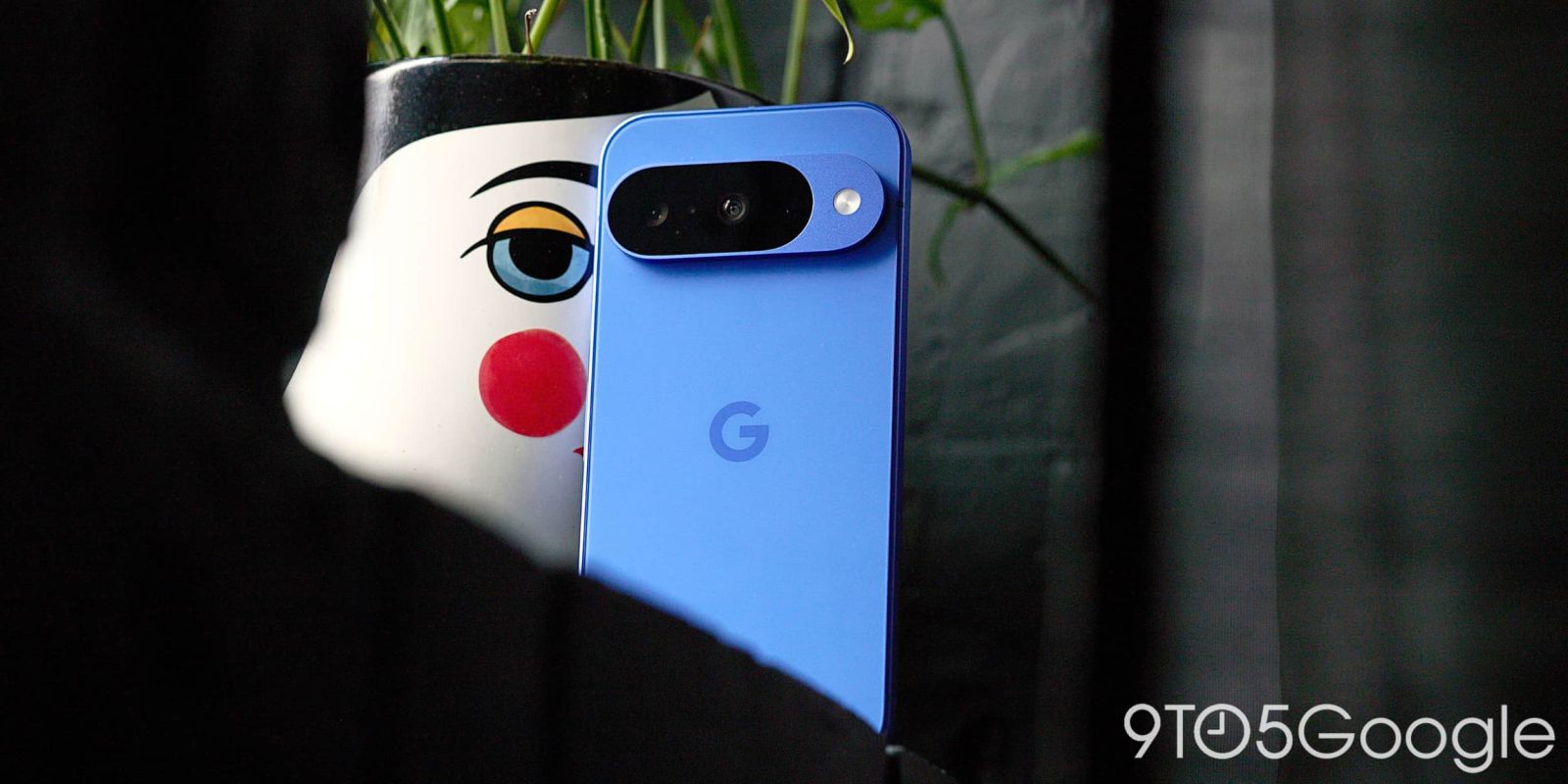
Smartphones have gotten really boring over the past few years, with most year-over-year “upgrades” just acting as a rehash of the prior year’s device with a new chipset and maybe some new colors. And yet, we just keep getting these boring upgrades. It’s been true for years now that phones simply do not need a yearly refresh anymore, but 2026 would be the year to make the switch – not that anyone is actually going to.
9to5Google Weekender by Ben Schoon is a part of our free newsletter that also includes ‘Inbox,’ a twice-weekly roundup of key stories from around the web by Daniel Bader. Sign up here to get Weekender delivered to your inbox every Sunday along with ‘Inbox’ on Tuesday and Thursday. You can find past issues here.
Take a look at any smartphone series in recent years, you’ll see the same pattern develop. While there’s clear evolution if you look at a phone from 2020 versus the one released in 2025, there’s a lot less to talk about if you look at any two years back to back. Google Pixel has settled into a “tick tock” release cycle where “major” upgrades arrive every other year, where Samsung’s flagship Galaxy S series has been stuck in the same basic template for the past 4-5 generations.
Just look at the last four “Ultra” phones.


It gets boring, whether you follow this industry closer or you’re just a consumer looking for an upgrade every once in a while.
And the reason for that is relatively clear.
Smartphones are a mature product now.
After 15+ years of experimenting, smartphone makers know what works, what doesn’t, what people care about, what they don’t, what makes money, what doesn’t, etc. And in terms of the actual hardware, we’ve also gotten to the point where all of the big problems have been addressed. If you look at nearly any phone today, regardless of price point, there aren’t many “big” problems left. The displays are all pretty good. The battery life is generally good enough on everything. The cameras are more or less good. There’s plenty of nuance but, at the end of the day, every device is capable in the ways that matter for the average user.
Basically, we’ve hit the law of diminishing returns. More money and time can be thrown into these products and components but, at a certain point, you just don’t get as much out of that.

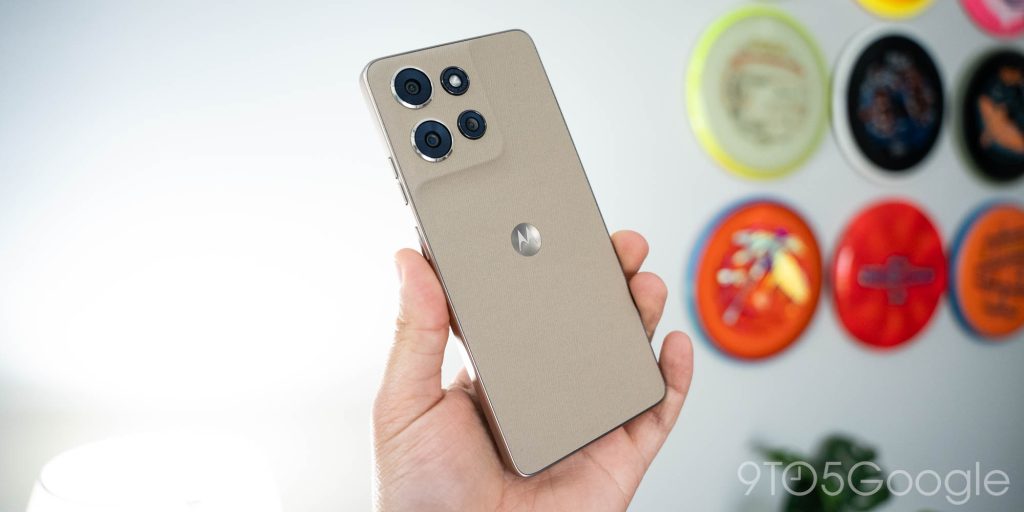
Of course, that’s not necessarily true of things like design, which have also stagnated, but that’s also something that hits a wall as products mature. There are no “problems” to address in smartphone design anymore, and at a certain point, one design just ends up looking like something that’s already out there. For instance, the Moto G pictured above looks a lot like some older designs from Oppo. And in 2025, we saw Apple’s long-awaited iPhone design refresh that picked up a lot of ideas from Google Pixel.
Those are just some of the reasons why it would make a whole lot of sense to just stop putting out rehashed devices every year just… because. It would make new releases more exciting. It would take a lot of e-waste out of the market.
And in 2026 in particular, this would make so much sense.
The smartphone market is currently in decline, a lot of brands are going to be struggling to get new devices together, and the RAM shortage is just throwing a wrench in literally everything in the tech market – and it’s not going to stop anytime soon. Taking a year off, while it might include its own set of hiccups, just makes more sense right now than it ever really has.
The sole example of a brand that will skip a yearly refresh cycle is Nothing, which this week confirmed it won’t release Phone (4) in 2026. But, before we go applaud Nothing for being a trendsetter of any kind, let’s look at the bigger picture. Nothing already skipped a “flagship” year between Phone (2) and Phone (3), and while that led to a bigger leap in generations, I’m not sure it really meant as much as it would from other brands. Nothing has yet to really figure out “flagship” phones, so skipping a generation still resulted in a release that felt rushed this year. It’s good the company isn’t just moving that into Phone (4) right away, but I’m not sure it’s because yearly refresh cycles aren’t needed – I’m starting to think Nothing just isn’t very good at making “expensive” smartphones.
Asus is sort of another example of this. Looking at the challenges ahead, Asus recently announced that it would stop making new smartphones, officially treating it as a “pause,” but it really seems like Asus is just done with smartphones as a whole. They probably won’t be the last example of that, but I do wonder if a “pause” would make sense for some other brands.
Anyway, that’s where I’m at.
Between the ever-stagnating market for smartphones, the look at a declining smartphone market in 2026, and the component shortages coming over the next year or two, it seems like a great time to just skip a mostly-pointless refresh. But, as mentioned, I don’t think anyone’s going to do it. “The machine” has been built, and changing it for the sake of logic and excitement just doesn’t make as much money as slapping on a fresh coat of paint and putting a “new” sign on it.
This Week’s Top Stories
Android’s desktop era is coming, and this is our first look
We first reported this week on a leak straight out of Google, showing off Android’s new desktop interface for “Aluminium OS.”
New Android 17 tidbits
We also first-reported this week that Android 17 is adding some new blur designs while also picking up an updated screen recording tool, “App lock,” and a new “Bubble” shortcut for apps.
- Google adding blur to Android 17’s system UI on Pixel
- This is Android 17’s blur, new screen recorder, & more in leaked screenshots [Gallery]
More Top Stories
- Google TV update rolling out with homescreen tweak, new settings
- Google TV’s future sounds a bit bleak even as TCL nears the crown
- Google Messages uses Android’s new embedded photo picker
- OnePlus says its anti-rollback measures are only temporary, downgrades returning soon
- Nothing Phone (4a) Pro surfaces with bigger battery as launch nears
- Chrome rolling out Gemini 3-powered ‘auto browse’ with Google AI Pro
- YouTube background play workaround no longer works in some third-party browsers
- Samsung’s confusing Galaxy S26 pricing raises base model cost, but makes Ultra cheaper
- Samsung is betting bigger on iPhone-like ‘Wide Fold’ than it is on Galaxy Z TriFold
From the rest of 9to5
Top comment by Whispy_Snippet
Phones should continue to be updated by manufacturers every year. Of course they should. But people shouldn't buy a new one every year or even every two years. These days a sensible duration to hold a phone is as long as the battery is still holding up and nothing is fundamentally broken. This could be four, five or even more years (this also underlines why SoC benchmarks mean absolutely nothing because even five+ year old phones can comfortably serve people's needs, but I digress). And when the time comes to upgrade you'll want something that can last another several years. I say this respectfully but the phone update cycle isn't about keeping the tech media entertained year over year. It's for consumers to have the best possible device available when it comes time to upgrade.
9to5Mac: Apple ‘runs on Anthropic,’ says Mark Gurman
9to5Toys: Score Apple’s AirTag 2 for $1: Buy four, get five at $100
Electrek: Kia launched this EV pickup based on the PV5 for $30,000
Follow Ben: Twitter/X, Threads, Bluesky, and Instagram


FTC: We use income earning auto affiliate links. More.


Comments