
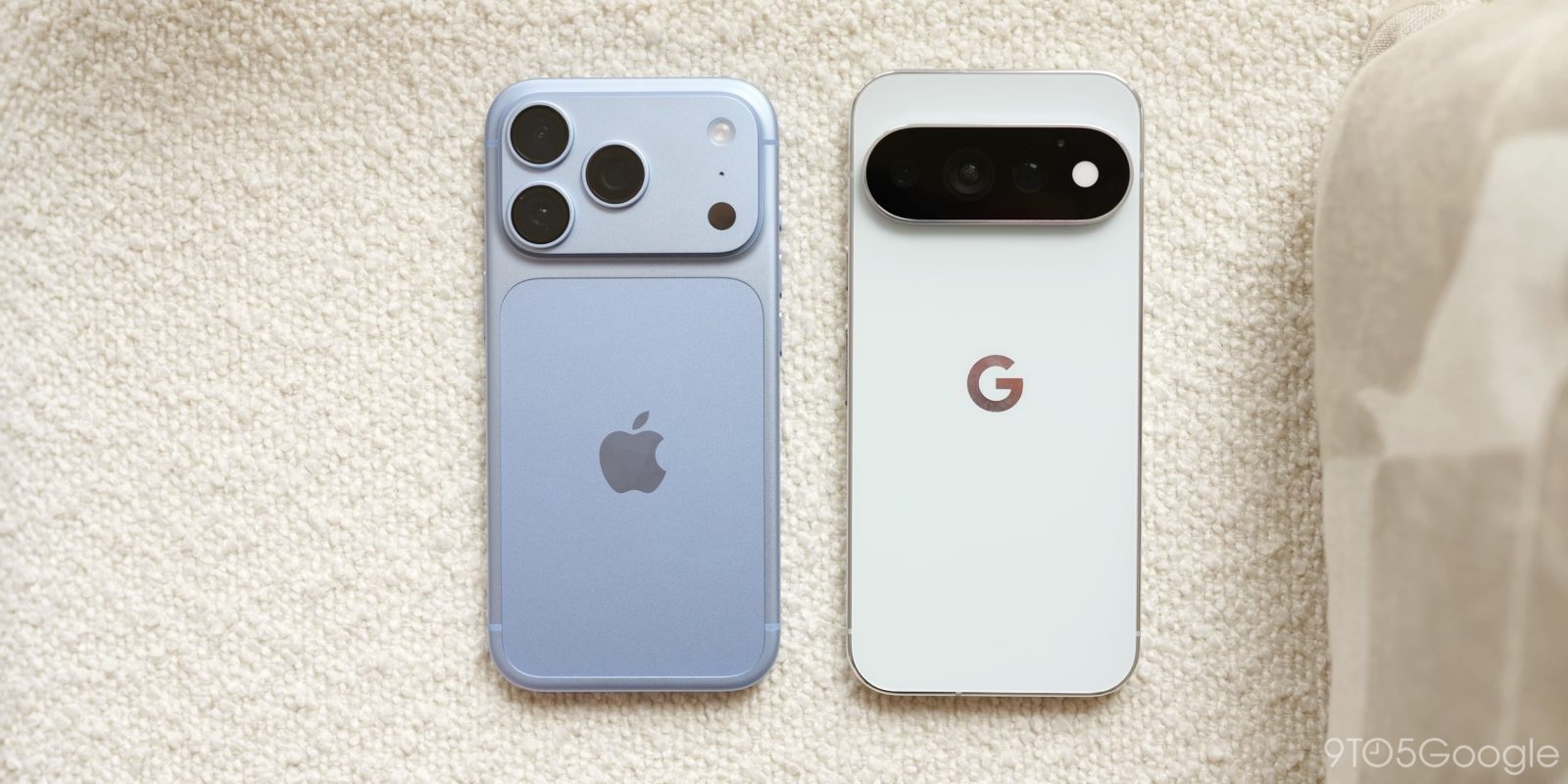
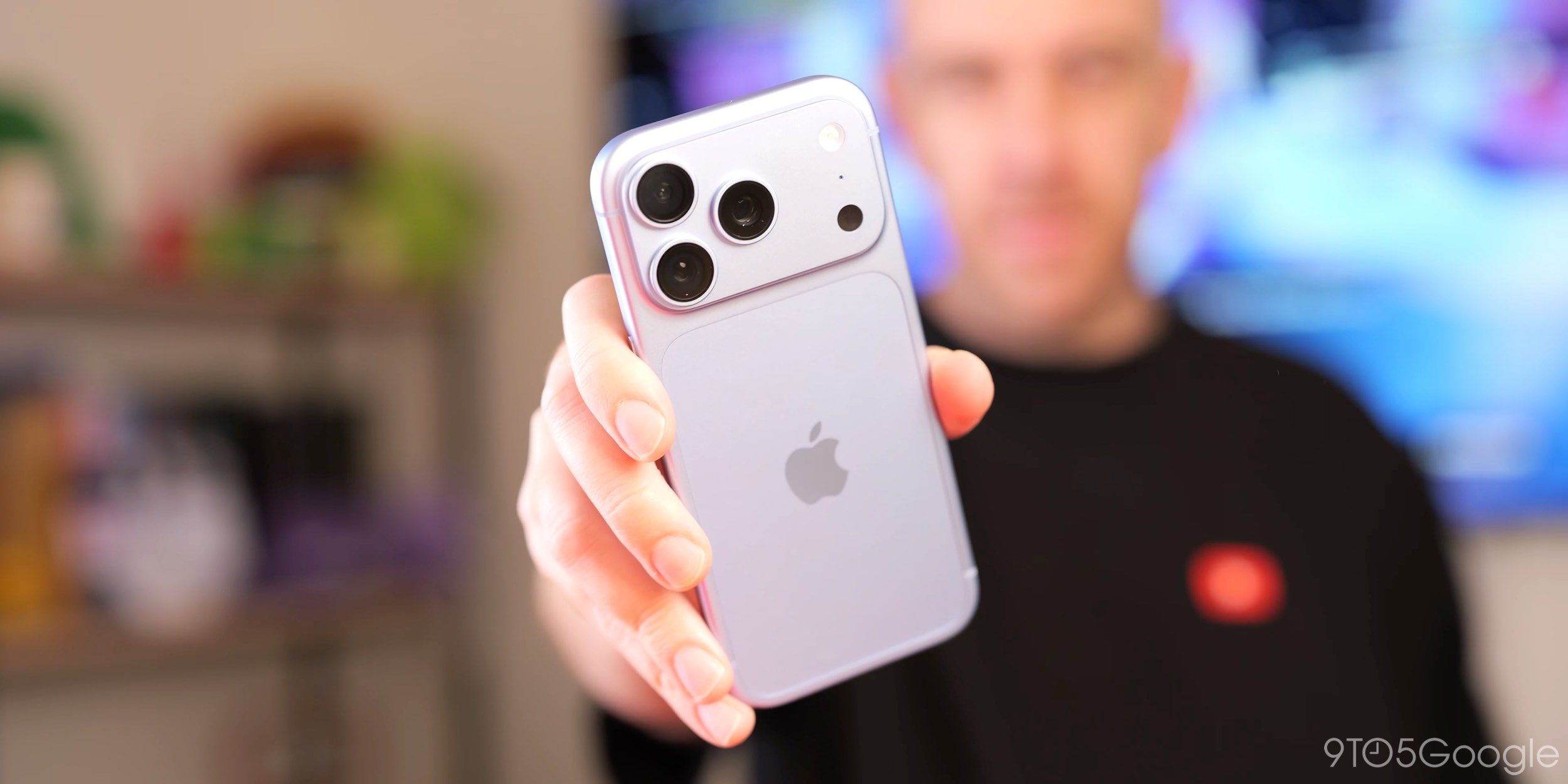
There’s a new phone in town, and like the Pixel 11 Pro, the iPhone 18 Pro looks eerily similar to what we saw last year. What can we glean from this duo? Here’s what you need to know.
Same, same, and same again
If you wanted to critique the smartphone industry in Western markets, there are no two devices more obvious to use as the basis for your argument. There is something very familiar about the Pixel 11 Pro and the iPhone 18 Pro – two phones that are almost the same as their predecessors.
For more video content, subscribe to 9to5Google on YouTube.
Hardware progress has almost ground to a halt, which is both a fair criticism and maybe an admission that there really isn’t much left to do on those ubiquitous products we carry each and every day.
A smartphone is a tool. It’s your wallet, your mobile shopping card, your digital camera; it’s more than something you want, it’s an essential.
Maybe that is why we haven’t seen the two of the world’s biggest tech companies try to veer away from the “safe” designs they’ve peddled for a couple of years. It could be that we, the buyers of these products, similarly don’t care now.
Realistically, you could just read our deeper dive comparing the iPhone 17 Pro to the Pixel 11 Pro, and you’d get 95% of the way there. However, there are a few changes worth noting, given that Apple is still the top dog in the US market and dominates global sales in the “premium” segment. Google has been using Apple’s playbook, following a tried-and-tested path to some relative success as of late.
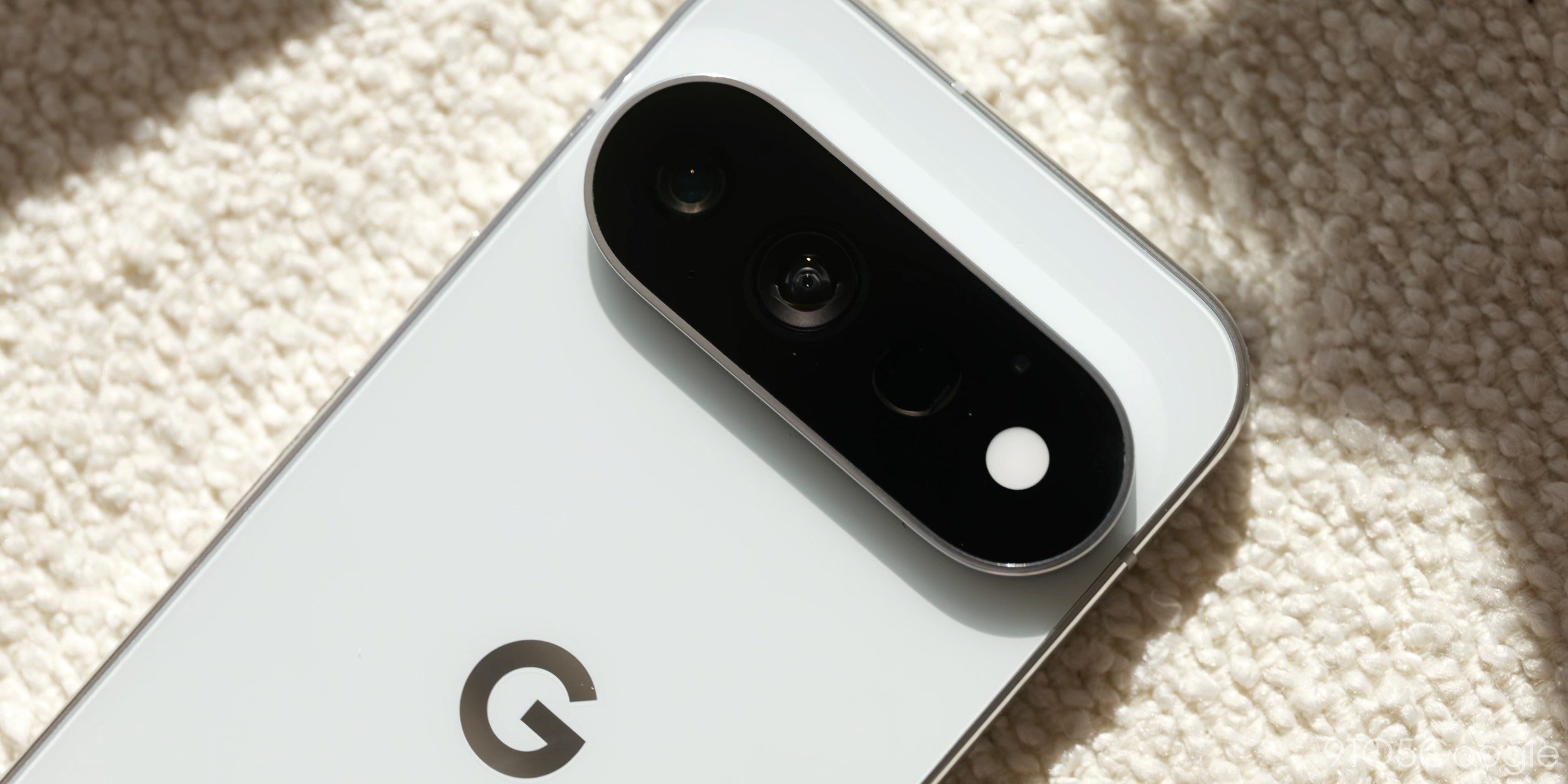
And so, we have two phones that look identical to the previous generation. Barely any visual cues save the colors to differentiate. It’s an indictment of where phones are today in some ways.
Camera goods and gimmicks
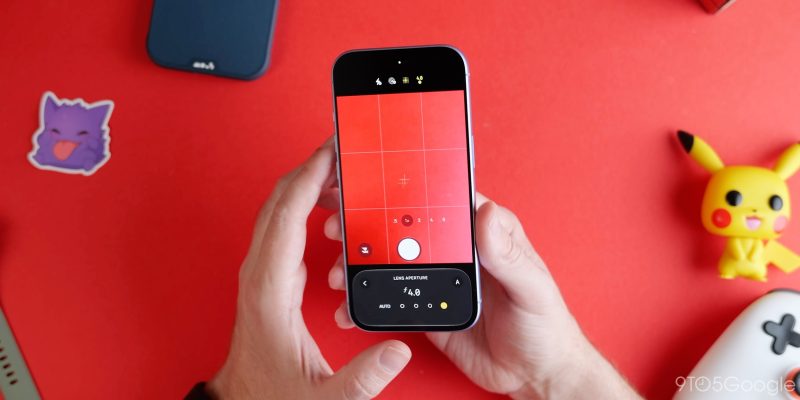
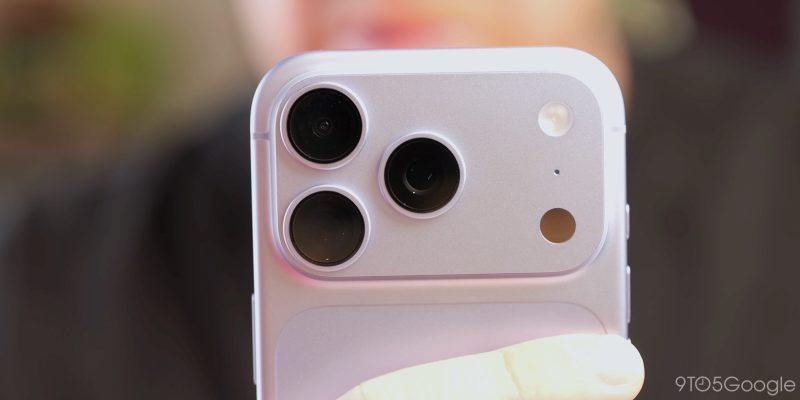
As far as I can tell, there are only two major changes to the iPhone 18 Pro. A smaller Dynamic Island and a variable aperture for the main lens. The camera aperture has been lauded somewhat, and it’s an interesting addition for a number of reasons.
Samsung experimented with the concept years ago when mobile sensors were significantly smaller, but the implementation here is different. Because modern smartphone sensors have such small pixels, you typically avoid ‘stopping down’ to prevent diffraction.
However, since Apple widened the base aperture to f/1.4 to improve low-light intake by 50%, the variable aperture now serves as a necessary ‘stop’ to balance image sharpness and exposure control in brighter conditions. Ultimately, this provides more flexibility for videographers, though you’ll probably notice zero difference in daily photography.
The only changes to depth of field are when you get super close to a subject when shooting wide open. I found there were no visual changes to speak of. I’m not even sure it would help for videos, but I will give credit to Apple because the company is trying to give photographers and videographers more manual controls. Right now, it isn’t exactly doing much, but it could be something bigger, better, and more impressive with future updates – despite not really doing as much right now.
I still vastly prefer images from my own Pixel 11 Pro. It’s a vastly more flexible camera experience, bolstered tremendously with the addition of Camera Looks. Having those sensor-level controls makes for a very powerful piece of the Pixel camera system. Without going too deep into the video modes, yes, the iPhone 18 Pro feels like it’s catered to amateurs and professionals more readily than the Pixel 11 Pro.


HiLight is the only other differentiation, and it is, well, there if you care about soft LED lights on the back of your phone.
I talked about a bit of a gap, and you don’t need me to tell you that the A20 chip runs rings around the Tensor G6. Yes, it’s more powerful. It does more, it is more efficient, it’s not exactly a fair comparison.
Obviously, each chip is tuned to its respective OS, so it’s not really one-to-one, but yes, the iPhone 18 Pro is just more powerful without requiring cloud-based or AI functionality to plug some gaps. I think this is where the Pixel can flex some muscle.
Gemini and the functions it enables are more sensibly enabled because they’re passive. Not something you have to seek out. It’s one of the ways in which the Pixel and Proactive Assistance can feel futuristic, as it is doing everything with so little effort.
Apple teased something like this a few years ago, but there’s not enough there yet with Siri to meaningfully move the needle compared to what Google is doing with Gemini. That said, the two experiences outside of AI are just not all that different today. Android and iOS aren’t separated by much. Use apps, play games, send messages, take calls, browse the web. Which you prefer is ultimately up to what you prioritize.
Does the Pixel 11 Pro come up short against the iPhone 18 Pro?
About upgrading: 9to5Google often gives specific product recommendations. Sometimes, we may suggest not upgrading, due to various reasons including, but not limited to: increased device cost, negligible performance gains, or environmental impact. Whether to upgrade is always your call, but our aim is to help you make as informed a decision as possible.
There isn’t much to really talk about on either device because there is so much similar to last year. If you wanted to save some money, the most sensible thing would be to look back a year. Get either the Pixel 10 Pro or the iPhone 17 Pro. Save your money, get a new case, replace the battery, just make do and mend.
We’re here to discuss the merits, though, and while the gap at times feels quite large, I do think that Google has been diligently working on the Pixel lineup to the stage that most people will be very happy with their purchase. I hoped more would change, but there feels like some artificial brakes have been pumped this time on the Pixel 11 Pro. The iPhone 18 Pro is playing backup to the Duo this year, so it was always less of a priority for the company, even if it will be the biggest seller.
Google doesn’t really have that excuse to lean on. All of the Pixel 11 phones are basically identical to the previous gen.
Then again, if we are being 100% honest with ourselves, does Apple deserve more criticism than Google for not moving the needle, given that the current crop of Pixel devices lacks a little more in certain key areas? It’s really frustrating to admit that, yes, there are more compromises on a Pixel 11 Pro than an iPhone 18 Pro across almost every area. The Pixel edges the iPhone in AI functionality and maybe stills photography, but the scoresheet isn’t exactly flattering.
To be blunt, this is not glazing the iPhone. It’s important to be objective, and objectively, you just get more for your money with the iPhone this year (again). No, I won’t be switching any time soon, and I likely won’t even keep hold of an iOS device this year, but in some ways, Apple deserves some plaudits as even without much change, the overall package still surpasses a similarly priced and similarly unchanged Pixel 11 Pro.
Follow Damien: Threads, Bluesky, Instagram


FTC: We use income earning auto affiliate links. More.


Comments