
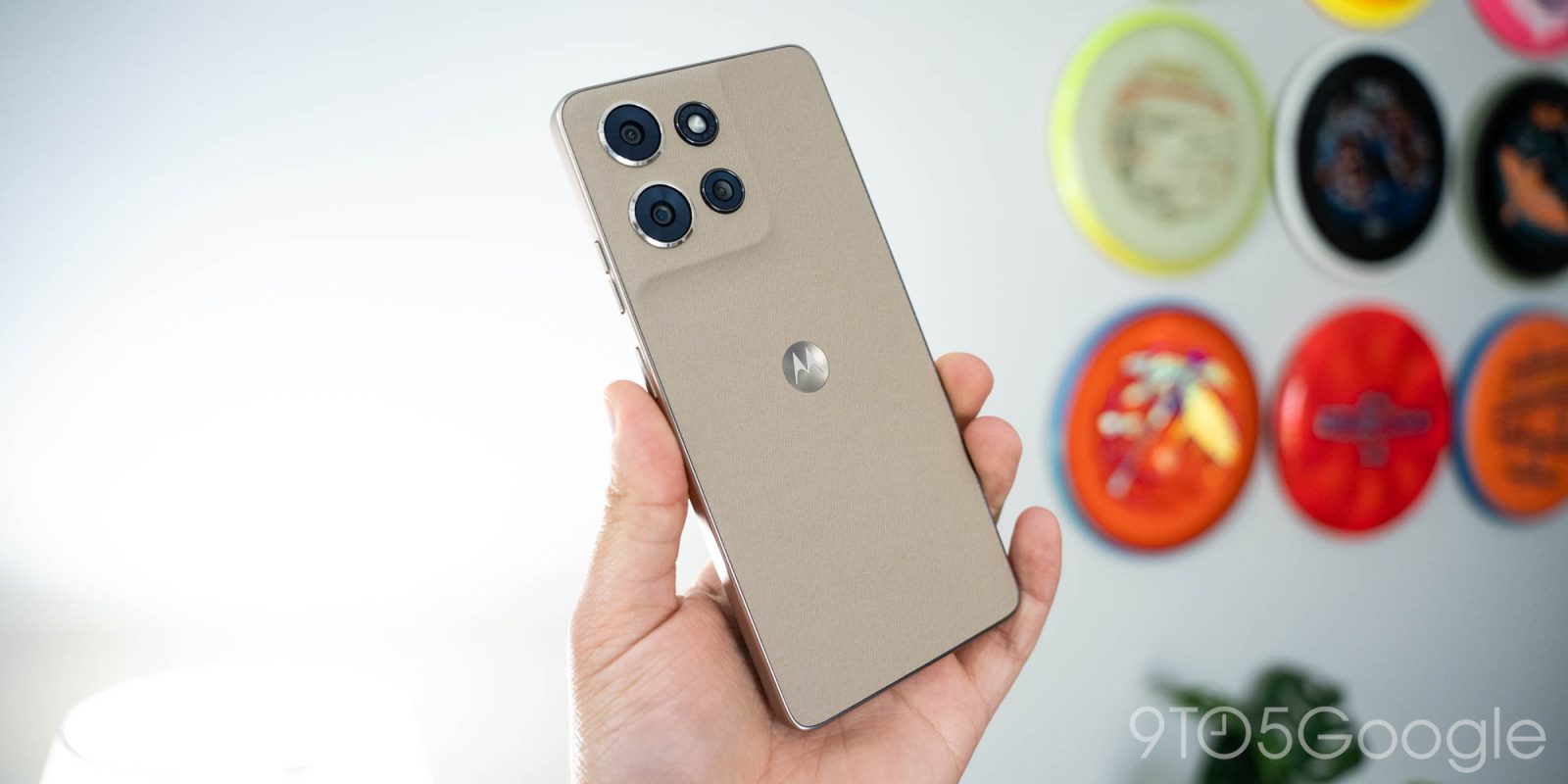
Android phones, for better or worse, are probably best known for being “cheap.” While that word may not be the best way to describe every low-cost smartphone, there’s an abundance of affordable Android phones out there, and the new Moto G Power (2026) is adding to that list, and leaving a pretty good first impression.
Announced in late December, the Moto G Power (2026) went on sale in the US on January 8. The $299 device shares a lot in common with the rest of the 2026 Moto G series. That’s to say, it’s a pretty uneventful update to one of the most popular collections of budget-friendly smartphones sold in the US.
But after spending a bit of time with the latest Moto G Power, I’m walking away fairly impressed.
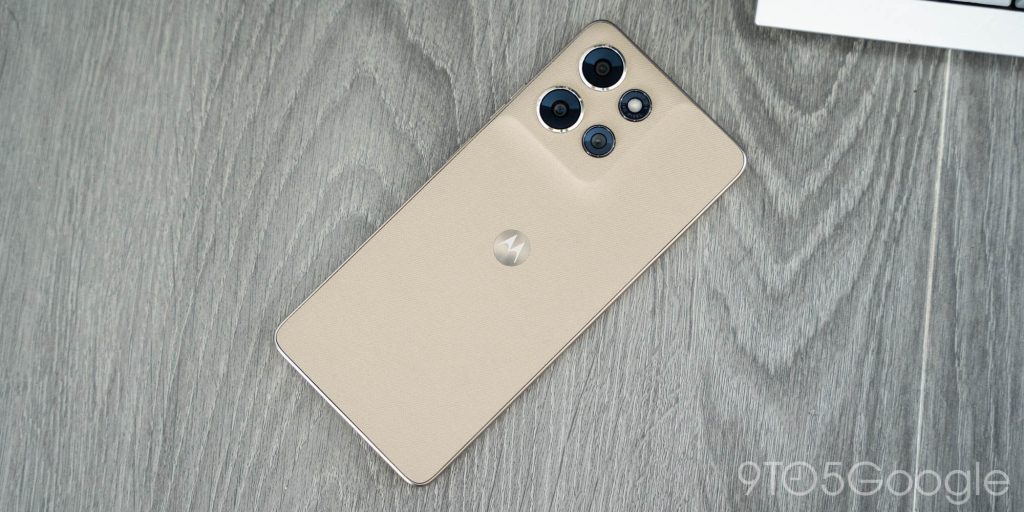
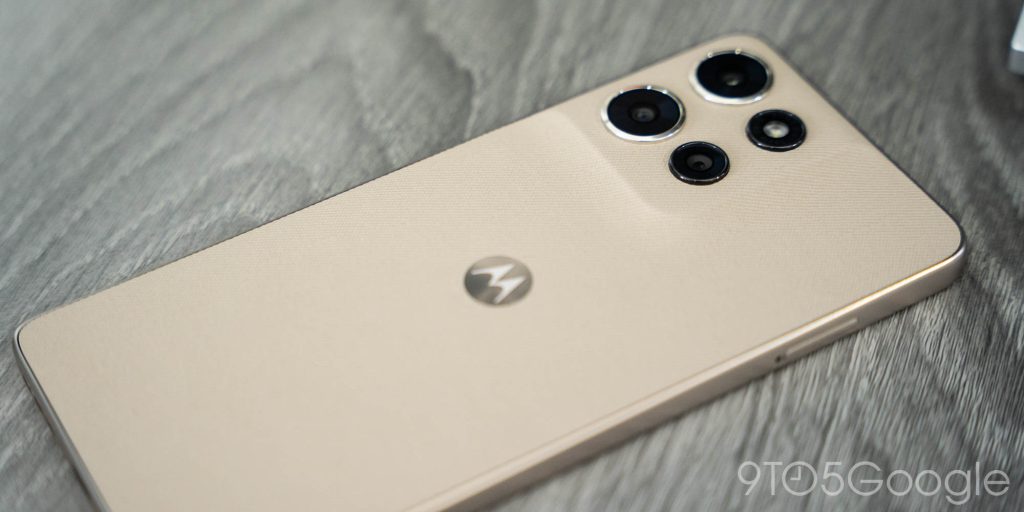
On a hardware level, the Moto G Power (2026) frankly feels like any Moto G released in the past few years. It’s big slab of glass with a plastic frame meant to feel like metal (somewhat convincingly), but the fit and finish is rather nice. The textured grippy rubber-ish back of the “Pure Cashmere” colorway feels great in the hand, and is honestly a finish I wish more flagship-tier phones would adopt. I do worry how this might hold up over time from general wear and tear, but everyone buying this phone is probably putting it in a case anyway. I am pretty frustrated that Motorola ditched wireless charging on this generation, though.
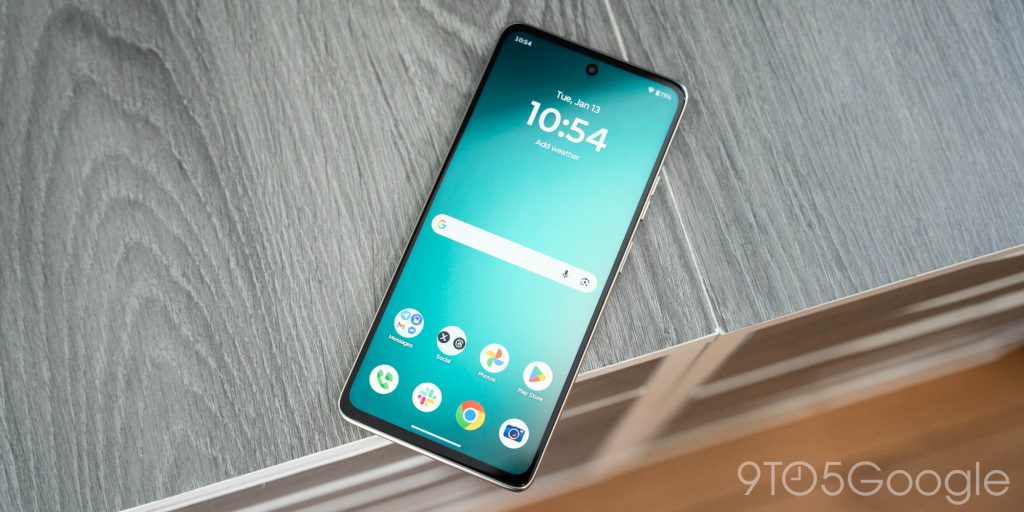
The 6.8-inch display is perfectly fine, but still suffers from some “bleed” and vignetting around the edges where portions of the display are darker as they reach the borders and the selfie camera cutout. It’s a definite improvement from the last time I used a Moto G, though. Similarly, the fingerprint sensor and speakers are both perfectly good here.
What I was really curious to see was the performance, as Motorola has transitioned the Moto G family over to MediaTek chipsets. The Moto G Power (2026) is on the upper end of the spec sheet in Motorola’s budget family, with Dimensity 6300 paired with 8GB of RAM. And it’s… fine. There are some hiccups in the software including scrolling jank and a jittery notification shade, but the experience here doesn’t feel super different from even the high-end Razr Ultra. Motorola’s skin on top of Android is just inexplicably poorly optimized, but it certainly doesn’t make the Moto G Power (2026) feel bad to use, it just feels like a budget phone, at least in the few hours I’ve been trying it out.
Knowing this is a $299 smartphone, I think Moto G Power (2026) is a solid pick up in 2026 if you’re looking for an affordable Android phone. The main holdup is the software, not because of the performance, but because Motorola has an awful track record when it comes to Android updates. Motorola only promises two OS updates and three years of security updates with the Moto G series. On the Power, I can somewhat tolerate that since the specs and overall experience are solid, but it’s a tough pill to swallow given a Pixel 9a is often only $100 more with seven years of updates, and when even the $199 Galaxy A17 offers six years of support.
The Moto G Power (2026) sits in this weird little pocket, where you’re clearly trading software support for raw horsepower.
I think the Galaxy A17’s existence completely kills any reason to buy the standard Moto G (2026) or Moto G Play (2026), as both of those devices have just 4GB of RAM and Motorola’s same awful support policy, but the Power is at least a clear middle ground. It’s a trade-off, but anyone buying this phone should know their options. Personally, I’d recommend a Pixel 9a (or any “cheap” used Pixel) ten times out of ten compared to any Moto G, but in a carrier store, the Power is the one to pick.
What do you think?
Moto G Power (2026) is available now at Amazon, Motorola.com, and Best Buy, with its carrier debut around the corner.
More on Motorola:
- Motorola still won’t revive the Moto 360, but new ‘Moto Watch’ copies Wear OS [Gallery]
- Motorola’s Razr Fold is incredibly promising, even though we don’t know everything yet [Gallery]
- Motorola Signature is almost a razor-thin flagship for €999 [Gallery]
Follow Ben: Twitter/X, Threads, Bluesky, and Instagram


FTC: We use income earning auto affiliate links. More.


Comments