
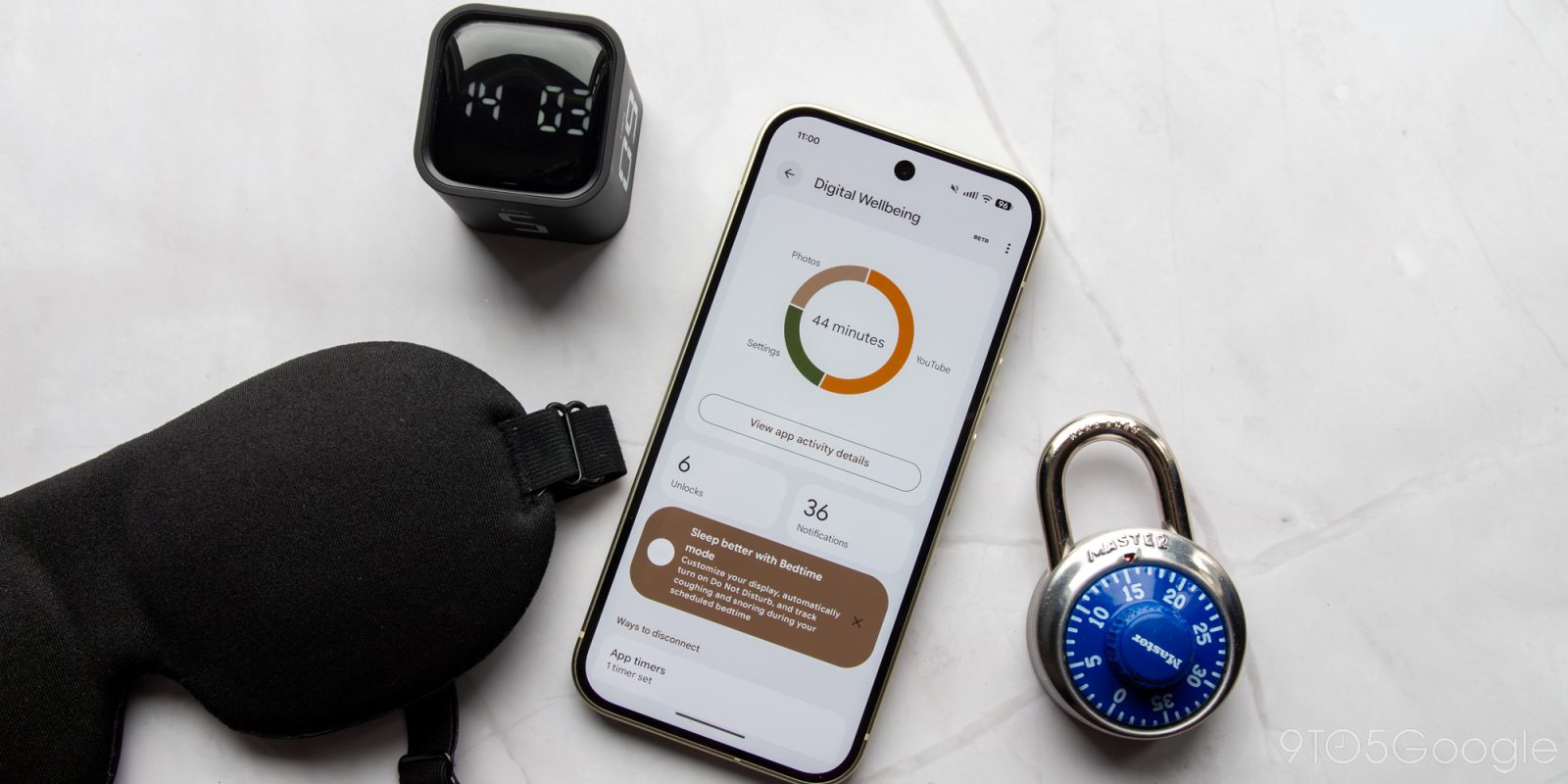
Take a peek in Android’s settings menu, and no matter what smartphone you have, you’ll probably find Google’s Digital Wellbeing suite hanging around. At first glance, Digital Wellbeing is perfectly modern, sporting an updated Material 3-friendly design and a whole slate of features like app timers, Bedtime mode, and more. It even has its own space within the settings menu on Pixel, rather than being buried within sub-menus like other useful tools.
But at its core, Digital Wellbeing is a product designed for the decade in which it emerged. The causes of smartphone addiction our society faces in 2026 are not equivalent to what emerged throughout the 2010s, despite plenty of familiar players begging for your attention at all times. And at this point, it’s clear no one — not Samsung, not Apple, and most certainly not Google — is coming to offer a helping hand to those who feel overwhelmed.
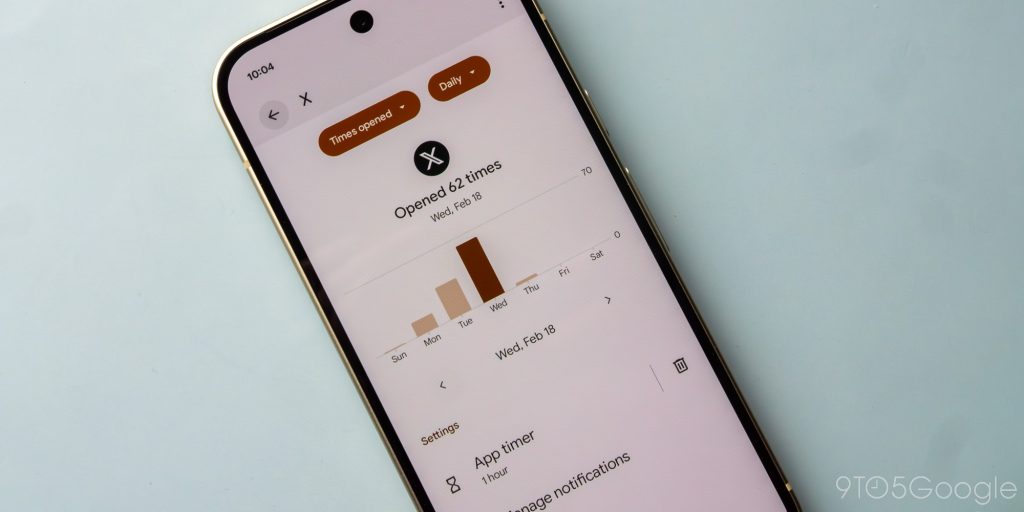
Google announced Digital Wellbeing at I/O 2018 before rolling it out later that year. Its original layout wasn’t all too different from what exists today; Google’s current UI simply has a more modern coat of paint. Even at the time, the main dashboard view delivered a pie chart layout for displaying your time with apps, the amount of unlocks on your phone, and notifications received. “Wind Down” tools like grayscale mode and nighttime Do Not Disturb automations still exist as Bedtime mode today, while various options to “reduce interruptions” still make up the rest of the list. Even its “Beta” branding still sits untouched in the corner of the app.
At the time, Digital Wellbeing felt like an exciting new feature in its Android 9 Pie-based debut. Dieter Bohn at The Verge called it “useful,” specifically praising Wind Down, while Rita El Khoury at Android Police labeled it a “welcome addition.” I’m not surprised; 2018 was, after all, the year where public sentiment really started to sour on social media. The Facebook-Cambridge Analytica scandal broke just two months before Google showed off Digital Wellbeing on-stage. Instagram tried to take on YouTube with IGTV, marking the first time — and certainly not the last — the company shoved an unpopular feature down its users’ collective throats. Certainly a combination of user data and app timers was all that was needed to curtail these problems, right?
2018 didn’t just mark a growing sense of exhaustion with the internet, though. It was also the year Musical.ly merged with its then-new owner ByteDance, resulting in TikTok launching in the US just as Android 9 Pie started rolling out to users. That kicked off the era of social media we’re living in to this day, one where these apps put a much heavier emphasis on media over social.
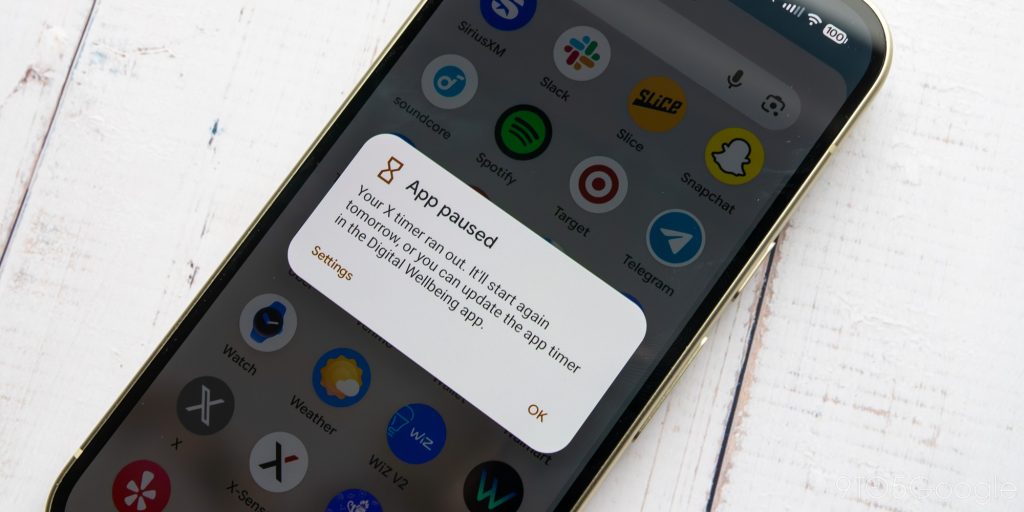
Practically every tool in Digital Wellbeing is designed to stop you from checking social network feeds that simply do not exist anymore. App timers and Bedtime mode work fine when you’re scrolling through your friends’ posts before bed, but these days, you’re probably scrolling through videos created by people you’ve never met before. Smartphones have been a primary consumption device for ages now, but combined with auto-play feeds and recommendation algorithms, these apps have more in common with television than they do than, say, whatever version of Facebook existed in 2013.
Look at app timers. They’re more of a speed bump than a solution, bypassed within a couple of taps that guarantees anyone with poor habits will be back on TikTok without some serious self-control, and at that point, what service is the app timer actually providing? I’m not arguing that self-control isn’t an important component here, and for some users, that little reminder that they’ve reached their limit for the day might be enough to put the phone down by replacing it with a book.
Let’s be honest: smartphone addiction benefits platform holders.
But for the people that need app timers the most, the lack of any kind of true lock-out functionality — or consequences, for that matter — means there’s nothing but an introspective sort of shame to keep you from wasting another hour on your phone. These complaints existed in 2018, too. In Ron Amadeo’s famously detailed review of Google’s OS upgrade at Ars Technica, he echoed my exact thoughts on personal shame-based control being its driving force, while Ryne Hager at Android Police referred to Digital Wellbeing as a “gentle nudge.”
In a world where your phone is your primary (and, in some cases, sole) source of entertainment, why wouldn’t you just dive back into a world of literally endless content? These apps, after all, are built from the ground up to grab a hold of your attention and never let go, a trend that’s sharply increased thanks to those auto-scrolling feeds that keep new “content” coming all the time.
I’m not immune to this. Despite how small the internet feels these days, it’s also shockingly fragmented. I have a Facebook profile I don’t check, an Instagram account that feels more like a Zagat guide than a social network considering how many restaurant recommendations fill my feed, and my role in media means I’m on Twitter, and Threads,and Bluesky. Sorry to my pending connections on LinkedIn, but it’s not a space I’m checking particularly often. Even my activity on all three of those Twitter-esque clients feels sporadic at best.
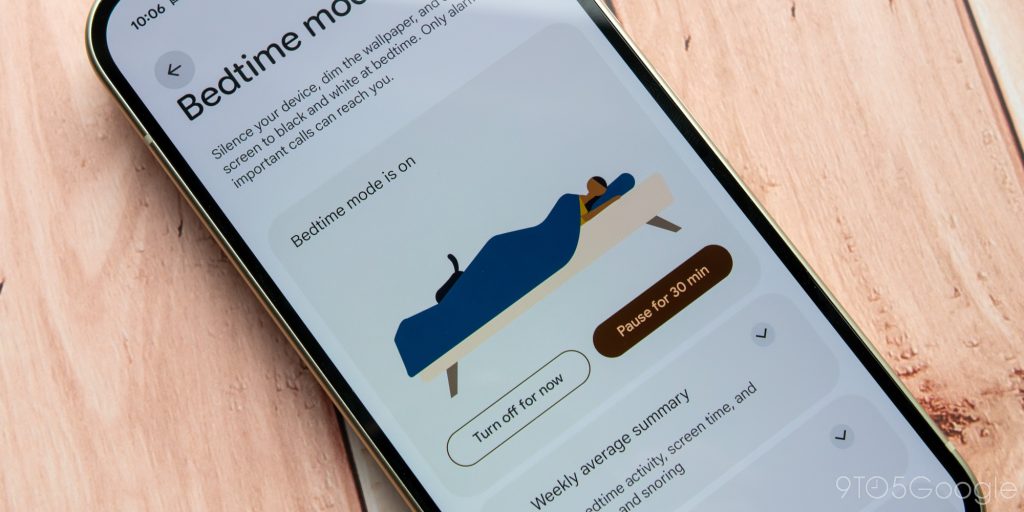
It’s an incredibly overwhelming experience, and I frequently find myself running out of patience and just removing these apps from my phone. I do this because I know app timers will fail me, and Bedtime mode will just keep me watching videos in grayscale. I do this because in my mind, the browser versions of all of these apps are awful, yet I log in anyway, completely defeating the point of deleting the apps in the first place. It’s a new kind of friction, but one that doesn’t really stop me from actually using my phone in ways that, while not necessarily negative, don’t add much value to my life.
I’m doing this while, all the while, Google’s Digital Wellbeing tools lay untouched on my Pixel 10. There are so many ripe opportunities for improvement here: stricter locks, gamification, and social accountability, I think, could all really help those looking to create healthier smartphone habits actually stick to their goals. Even if these are too much of an undertaking, this seems like an obvious space for Google’s AI obsession to come into play — why not give us detailed reports that make suggestions based on user activity, Fitbit-style?
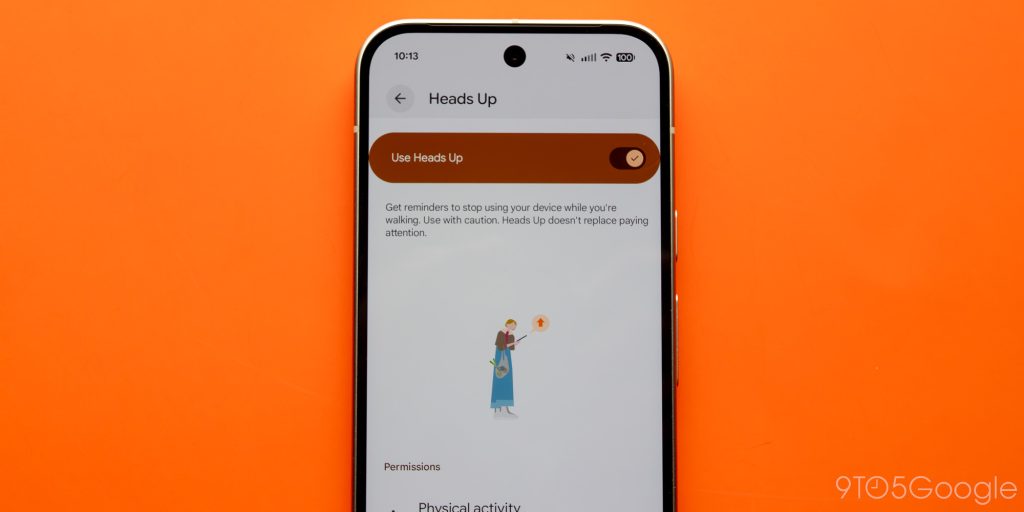
But no, in some grand twist of irony, one of the few features added over the past decade is “Heads Up.” It’s a tool specifically designed to allow you to stay glued to your smartphone without cartoonishly walking into a lamp post or down a flight of subway stairs. Great.
Frankly, I think it’s because there’s no incentive to fix this. I’m not putting blame on any specific company here, nor am I specifically saying anyone’s acting out of malicious intent. But let’s be honest: smartphone addiction benefits platform holders. Why wouldn’t Google and Apple want users who are glued to their phones at all times? More activity means more apps, more in-app purchases, more ads, and the pressure to upgrade your phone should your current device fail to keep up with everything you’re throwing at it. By nature, Digital Wellbeing can only act as a soft firewall; otherwise, you’re starting to look at affecting the company’s bottom line.
There’s no easy solution here, and that’s where part of my frustration comes from. But I think Digital Wellbeing — and tools like it — can start seeing improvements purely by Google finally acknowledging that we live in a very different online world than what existed a decade ago. I don’t think it’s a coincidence that “dumb” phones and other alternate devices continue to see a rise in interest, if not raw sales. There is an audience looking for more guardrails than anything offered by Android at the moment, and I think Google would be smart to meet them where they’re at. Subtle nudges towards healthier habits just won’t cut it anymore.
You can listen to myself and Damien Wilde discuss the state of Digital Wellbeing on my podcast The Sideload, available in video form above or wherever you listen to podcasts.


FTC: We use income earning auto affiliate links. More.




Comments