
Android is in a strange place at the moment; it’s arguably stronger than ever, but feels further away from the platform that launched almost 20 years ago. What changed?
Table of contents
The old Android landscape almost felt like the wild west. A platform where anything goes, any form factor could be made, wacky things were going on, but lately, it feels like the wild west is being fenced in, paved over, and turned into a sterile retail park that looks suspiciously like what existed over on Apple’s land. It begs a pretty heavy question: Is Android actually losing its soul?
For more video content, subscribe to 9to5Google on YouTube.
Copying and converging design principles
The most obvious sign that something is shifting is not only in the hardware but, more recently, in software design.
For a long time, Android brands took pride in being different. We’ve had wacky shapes, experimental features, and software skins that looked nothing like what Apple was doing. But look at the latest crop of updates in particular. We’re seeing an “iOS-lite” design language proliferating and becoming the new standard.
I will say that hardware design isn’t as much of an issue for most Android makers now, but there are brands that still favor Apple traits, or at least replicate the iPhone wherever possible. Google has done it, Oppo has done it, Honor has done it, and even Samsung isn’t safe from a little copying of Apple’s design principles or material finishes.
While that’s a complaint, it’s true that flat rails and rounded corners make for better usability in most cases. Remixing the design and shape has made for an exponentially better-feeling slab, sure, but it’s yet another prime example of refinement over redefinement. There are only so many ways you can make a phone when it’s mostly screen with a camera slapped on the back.
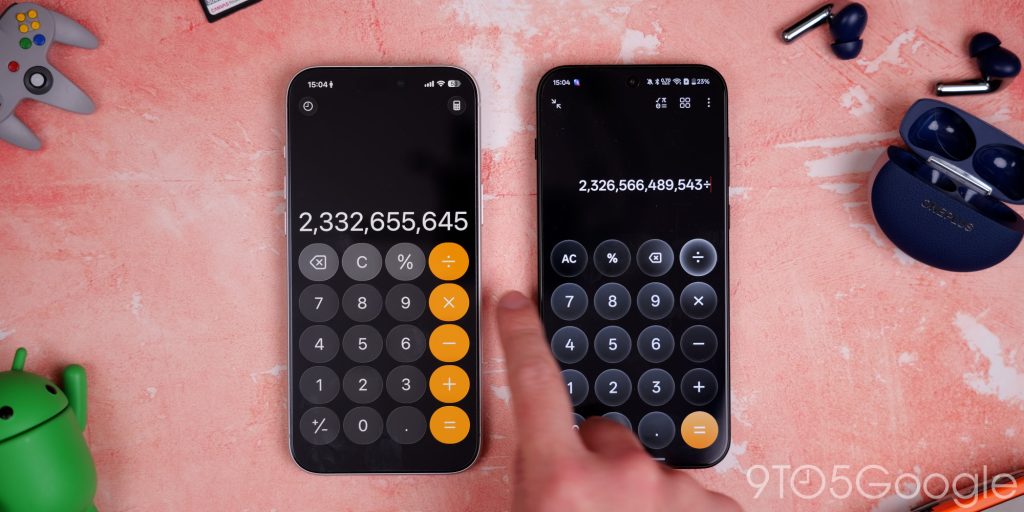

My biggest personal gripe is the U-turn from practically all third-party Android makers on software skins. While there have always been some hangovers, it feels that many who used to celebrate Material Design and Google’s specific aesthetic are leaning heavily back into iOS-like traits.
We’re seeing more blur effects, similar notification tray layouts, and a general move toward a “refined” look that feels less like Android and more like a copy of Cupertino’s homework. The most egregious copycats of Liquid Glass elements almost throw out all of the good work done in recent years, chasing an objectively bad software design trend.
Google is obviously pushing to convert iPhone people over to Pixel by making the hardware feel familiar to make that switch easy and painless. If Google is pushing to convert iPhone people over to Pixel, it does make sense to have that familiar feel, but while that’s smart business, it feels like we’re losing that bit of “weirdness” that made Android special in the first place. To Google’s credit, Material 3 Expressive is still one of the most unique experiences on mobile – and long may it continue.
A shrinking playing field with fewer players

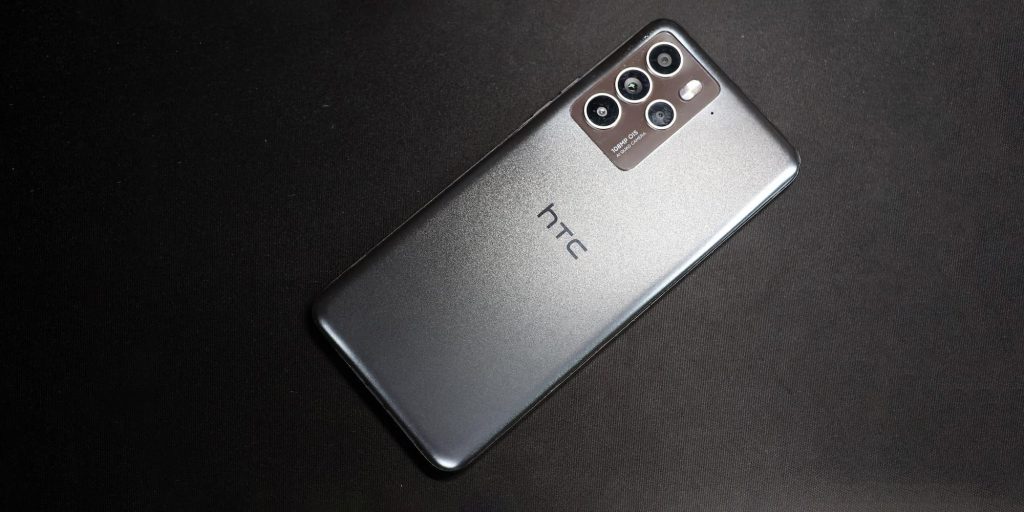
Then there’s the issue of the players leaving the space. In my mind – maybe from someone who has been in the industry for a long time now – the Android buying landscape used to be crowded and chaotic in a fantastic way.
Now, in many markets around the globe – with a few exceptions – there are really only two big players: Samsung and Apple. When you look at the data, Samsung absolutely dominates the Android space, accounting for almost 1 in 4 Android phones sold. But we know that one of the biggest enemies of progress is complacency.
Personally, I think that without Huawei, we’ve seen Samsung settle a lot more without a direct competitor in its weight class to truly keep the company on its toes. At one point in late 2020, before the bans really kicked in, Huawei briefly shipped more handsets than Samsung.
So, since then, it feels like Samsung hasn’t really had a true competitor to effectively force the company to innovate or do things to differentiate itself on a more regular basis. There are exceptions to that generalisation, but for the most part, the Korean brand is slower to move now.
At the risk of yet more hyperbole, I think when the market consolidates into just a couple of “safe” options, the soul of the platform sort of starts to wither, or at least the driving force for innovation is diminished. It’s like the UK high street being taken over by the same three coffee chains; you lose the character that made going out for a coffee even worth it. It feels like everything is just swill with the label changed.
I know, I know, that is harsh, given we do get a gem once in a while, but those are few and far between. It’s not often an Android phone blows most people away. However, some of that is due to how competent most products are today. The threshold for what will “wow” is way higher. So in some ways it’s not an indictment of what we have now, more of where we have come from.
The end of “tinkering” with our phones
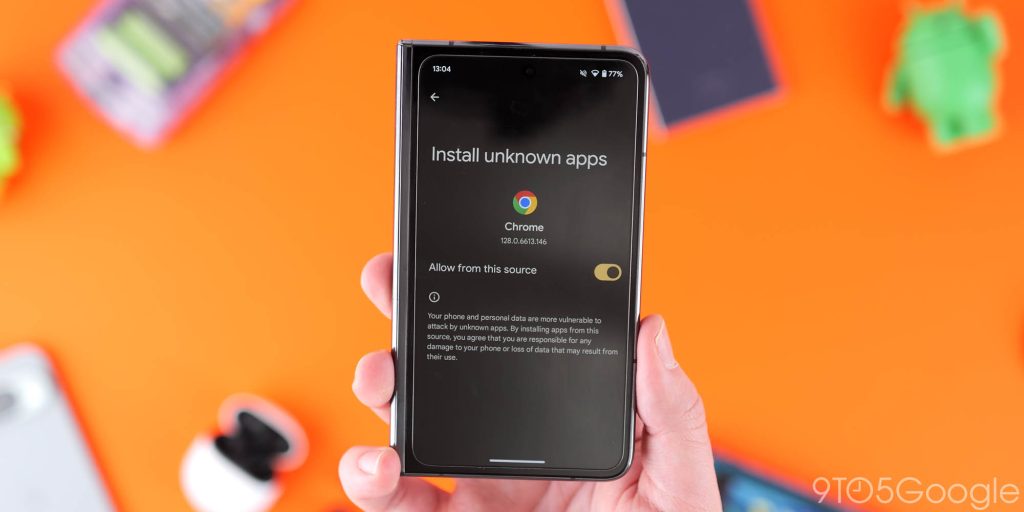
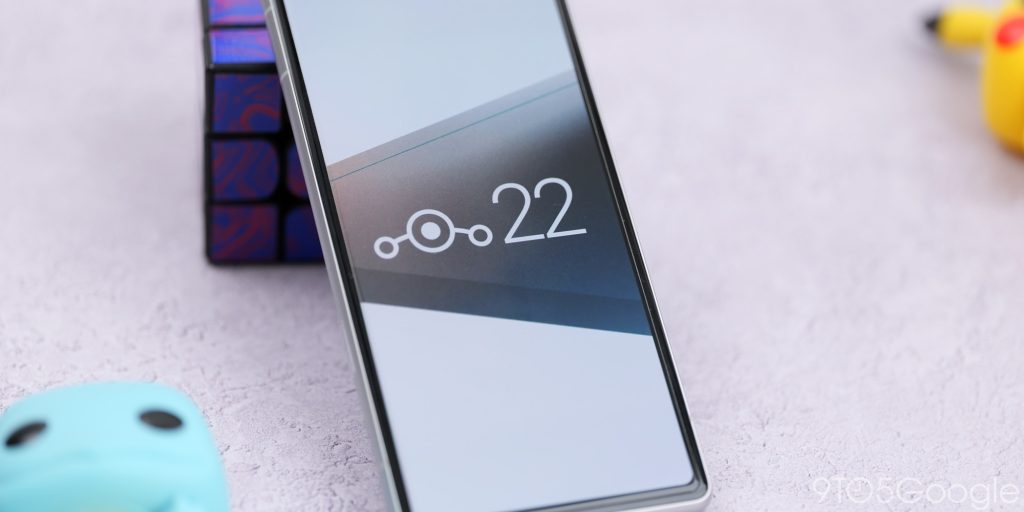
There are fewer reasons to mess around with our phones or deviate from the “stock” experience now for various reasons. That said, one key component that still works incredibly well has been under threat as of late.
Due to a number of forces at play, we are seeing a slow but steady diminishing of sideloading, which feels to many like an attack on the “open” nature of the OS. For the longest time, the ability to just grab an APK and install whatever you wanted has been a hallmark of Android.
To me, it has always felt like the ultimate “it’s my device” feature. I can install third-party stores, get amazing open source apps, or even get app updates before they roll out via the Play Store. But under the guise of security, it’s becoming harder and more “scary” for the average user to do this.
It feels like Google is adding more hurdles and warnings that make sideloading feel like a “nefarious” shortcut rather than something that, in most cases, is absolutely fine despite some risks. It feels a bit like being told you can’t tinker with your own car engine because the manufacturer has decided to bolt the bonnet or hood shut for your own safety.
Despite all of this, Google says that sideloading isn’t “going anywhere.” Instead, the company is “making sideloading safer.” The jury is still out on this, but it’s obvious that the messaging needs to be clearer, given the outcry over changes set to be made in future Android releases.
Compounding this is the fact that custom ROMs are losing access to key components of AOSP in a timely manner. The enthusiast community, which literally built the “true soul” of Android in the early days, is being sidelined.
As Google moves more and more features out of the open-source base and into proprietary Google Play Services, the “Open” in Android Open Source Project feels like it’s being written in a smaller and smaller font. We’re moving away from the original software paradigm, and the freedom to truly own your software is being traded for a more controlled, “curated” experience.
Yes, in most cases, this means things look and work nicer, but is that a justification for some of these changes? Again, the jury is out.
Is AI becoming a problem for the “old” Android?
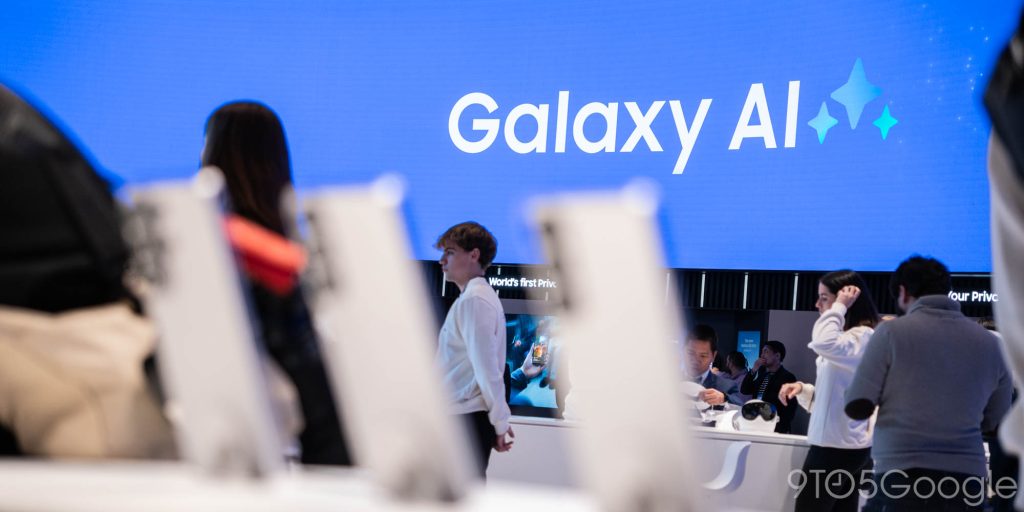
And then there’s the elephant in the room: AI. It is taking over everything, and although many aspects are great, I feel like it’s a tool that you can use a bit, like the Pen tool in Photoshop, but it feels like AI is being used to paper over some pretty cracks in the mobile experience.
In some ways, this shift to latch on to AI makes a lot of sense.
Let’s face it, your phone now, at its core, probably doesn’t do much differently than say, 7 or 8 years ago. Unless you have a foldable phone— and fair play to you if you do — you probably run the same suite of applications you have had since day one: Chrome, Instagram, YouTube, maybe the odd game, and some messaging apps; I would wager I’m not too far off what 99.9% of people do day-to-day. The app paradigm hasn’t shifted, and the wholesale Android functionality changes that were common year over year have long since been a thing of the past.
It’s highly likely that because hardware and software innovation have slowed down drastically, AI is being shoehorned into every area as a way to entice people to upgrade their phones.
On the Pixel, this is especially pronounced. Marketing has shifted to emphasize Gemini over the actual things that make Google phones compelling. Rightly or wrongly, Android isn’t really being used as a selling point anymore, despite some substantial visual changes brought about by the Material 3 Expressive overhaul.
Gemini’s ability to be ubiquitous and deeply integrated into the tools we use on a daily basis is Google’s big play for dominance. They have the cash and runway to effectively bleed the competition dry. But as we trade the unique, customizable, and open nature of Android for a more “integrated” and “intelligent” experience that looks and feels like everything else, I can’t help but wonder if the trade-off is worth it.
However, in the context of a smartphone, yes, some things are great, like screenshot organisation, call screening, live translations, but beyond that, it often feels like bloatware with a fancy new name.
A mature, maybe muted future for Android
I’m not saying Android is dead — far from it.
That said, in the early days, the “soul” of Android was always about being the alternative, the tinkerer’s dream, and visually distinct from iOS. It was the platform that did things differently.
As it becomes more “ubiquitous” and “integrated,” it runs the risk of becoming just another “safe” utility, about as exciting as a new brand of dishwasher. Whether you like it or not, the future is AI-driven, and maybe the tech giants realise they might need each other to stay at the top of the mountain. You can see this with Apple partnering with Gemini, more cross-platform functionality, and Cupertino at least not inhibiting Google like in years prior.
It’s an interesting time, and while there are bright sparks in the platform I dearly love, I’m curious to see if the “green bubble” will eventually just become a slightly different shade of blue.


FTC: We use income earning auto affiliate links. More.


Comments