
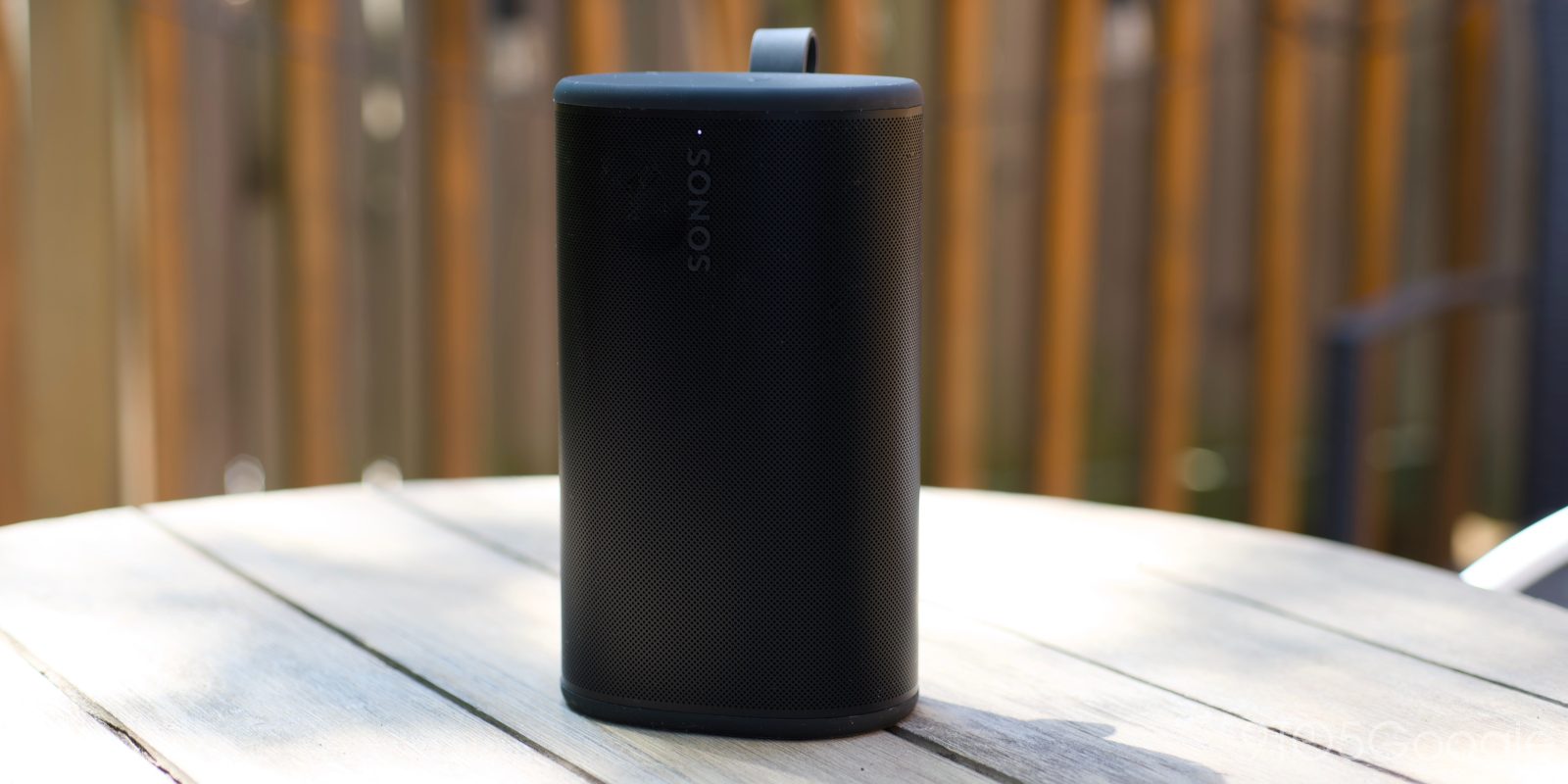
The long, winding road to the Sonos Play takes us first through some unpaved paths, then to well-paved streets, which lead to wide open highways, at which point we run over a set of tire spikes, skid off the road and hit a tree at high speed, totaling the car in the process.
Now the vehicle is repaired, and we’re slowly inching our way onto the highway onramp, ready to hit those high speeds again.
Excuse the strained metaphor for Sonos’s business over the past decade or so, but every product announced and released since the disastrous May 2024 launch of the Ace headphones and its accompanying app overhaul has to be viewed through the lens of a company far less ascendent and far more humbled than it otherwise would be.
I’ve reviewed every consumer Sonos product since the Play:1 in 2013, and while they haven’t all been perfect, they’ve all earned their place in the smart speaker market. Even the troubled Roam, which was riddled with Bluetooth-related bugs, had its share of fans.
Moreover, the larger and more weather-resistant Move found a spot in many homes’ living rooms and backyards in spite of its hefty price and imposing physical size and weight.
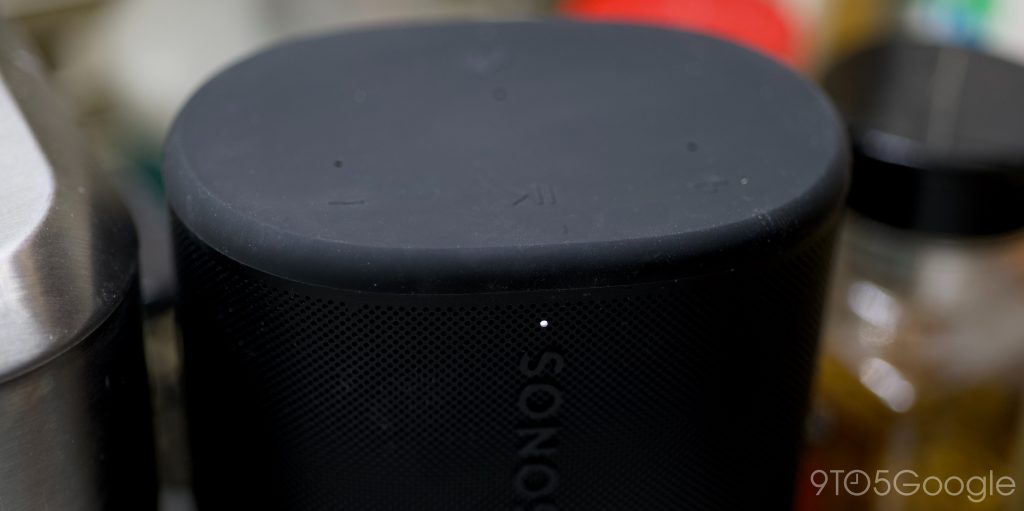
The Play feels like a product the old Sonos would have made, and that’s a compliment. It sits smack-dab in the middle of the Move 2 and Roam 2 (both products received major updates in 2023 and 2024, respectively) in both size and price, but feels far closer to its larger sibling in performance.
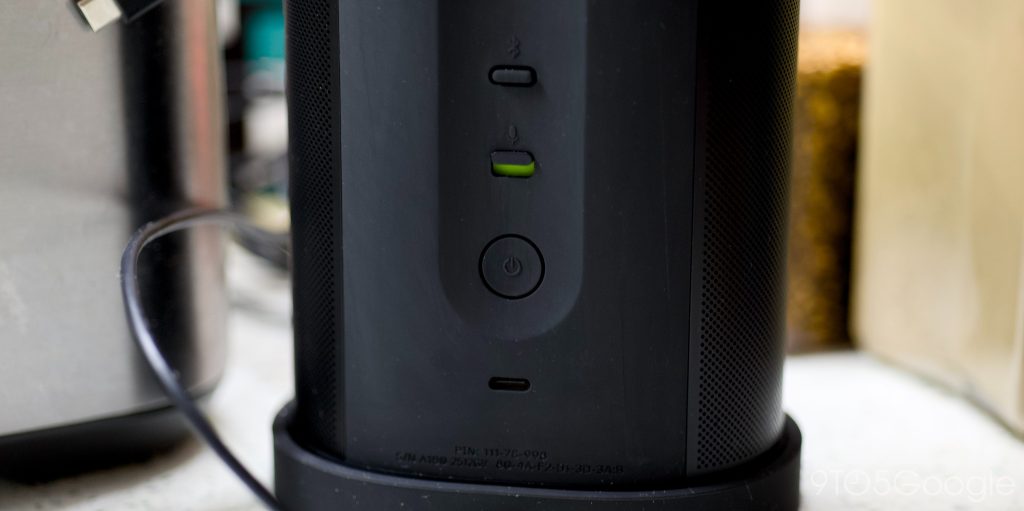
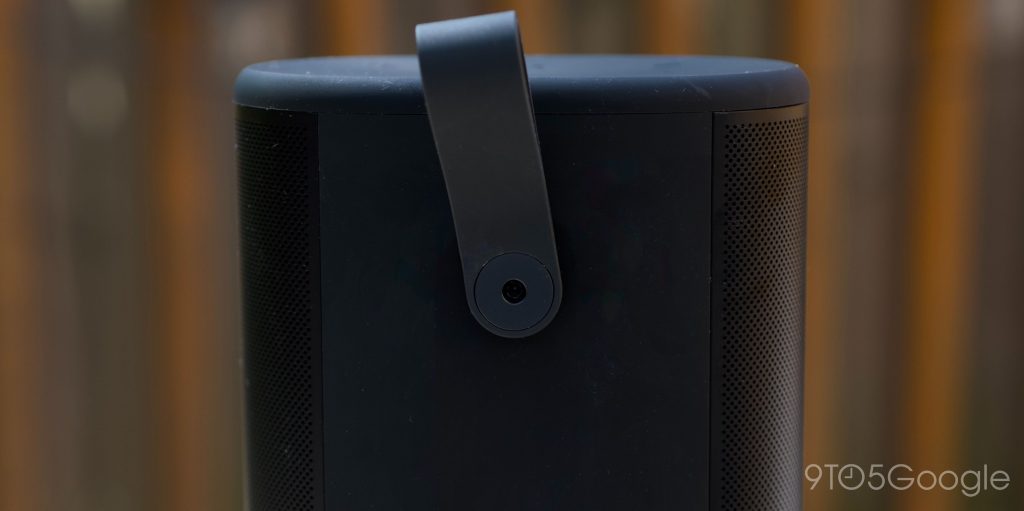
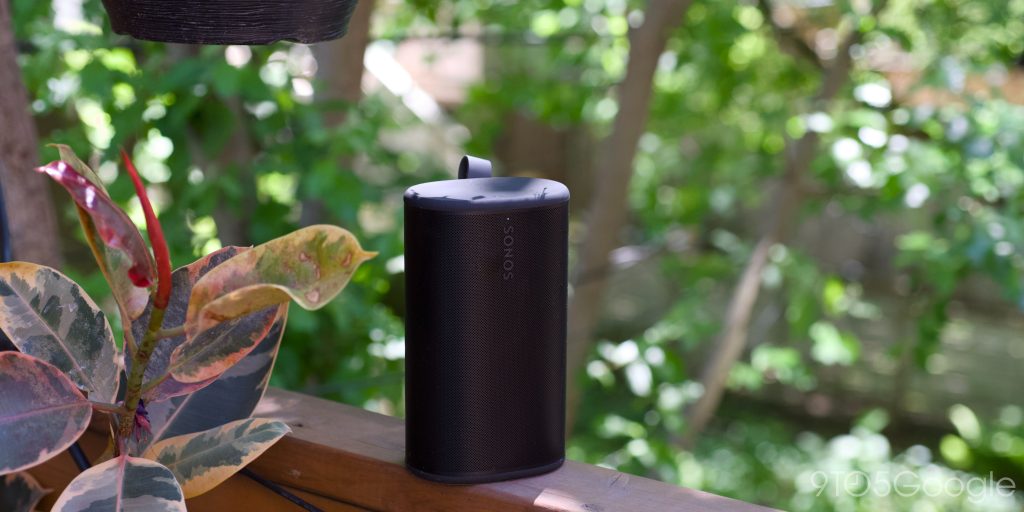
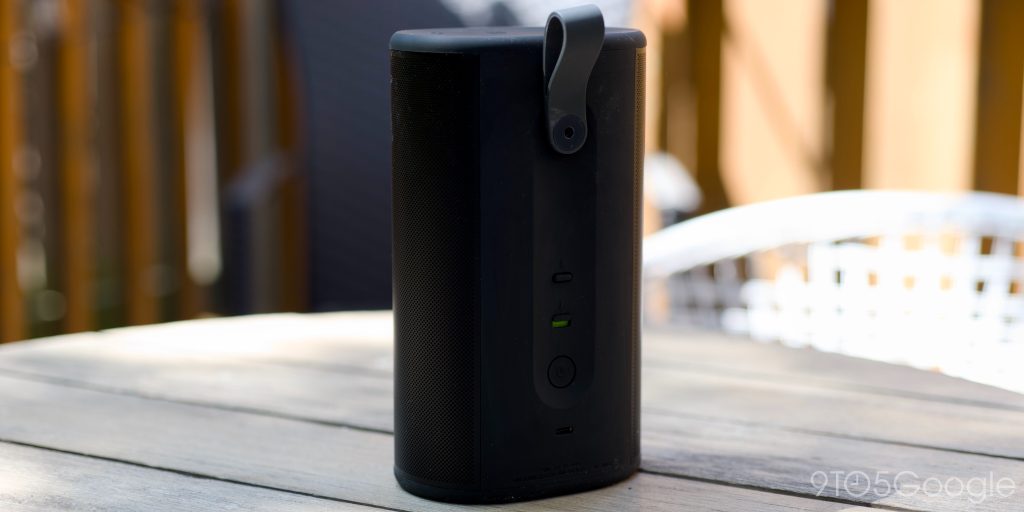
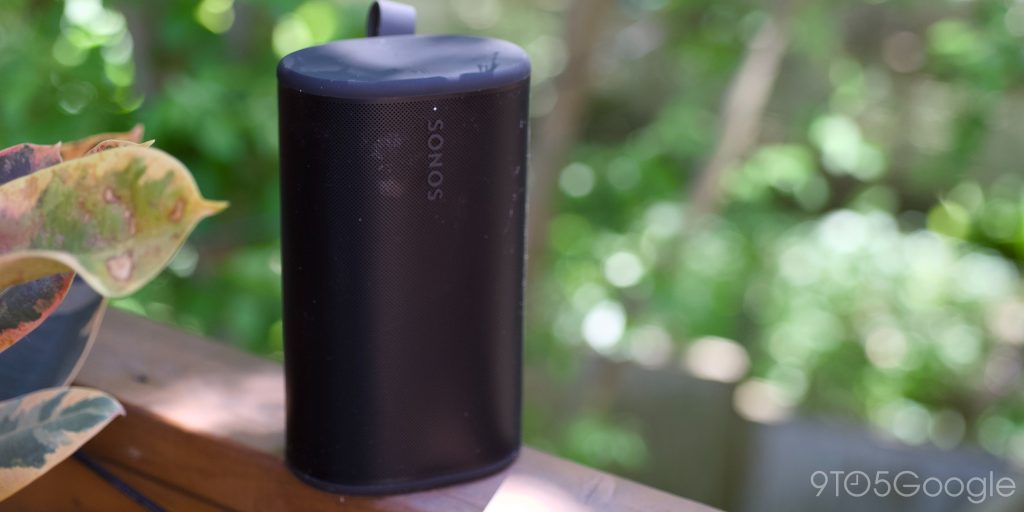
It also benefits from the many years of subtle Sonos design improvements the company has made to its speakers: the understated tactile top buttons; the dedicated Bluetooth activator that’s differently sized to the power toggle on the back; the rounded, friendly, modern design; and the useful carrying loop, which makes the almost three-pound body comfortable to lug around.
The included charging stand, too, nests the speaker comfortably for when it’s stationary, topping it without having to plug in a USB-C cord. But when traveling, the USB-C port can act as an inbound charge port or a battery pack for a phone or other accessories. The 35Wh cell lasts around 24 hours before it needs topping up, but the speaker should last for many days used sporadically.
Perhaps most importantly, the Play sports an IP67 rating which makes it just about as life-proof as you can ask of it.
Over the past couple of months, the Sonos Play has replaced my Nest Hub Max as my default kitchen speaker. Before we get into specifics, that disclosure comes with a caveat: due to ongoing litigation between Sonos and Google, there is no Cast support on the Play (or any other Sonos speakers), which makes it somewhat difficult to get audio to it if you’re not using the official app (which does a fairly good job mimicking the core functionality of most streaming services like YouTube Music or Apple Music) or Spotify, which supports Sonos speakers through its Connect platform.
This isn’t the end of the world, but if you’re an Android user you’re left without a key advantage of the iPhone crowd, since all Sonos speakers support AirPlay 2, which Just Works (most of the time). In its stead, you’re sort of forced to contend with a mishmash of integrations: once you start playback in the Sonos or Spotify app, you can control volume anywhere in the OS. But unless you subscribe to Spotify, which offers an integrated solution, you’re likely going to be using two apps in tandem, one for discovery and one for playback control. (Tidal also supports Sonos speakers directly in the app, but, well, then you’d have to use Tidal.)
At this point, it’s unclear if Sonos and Google will ever make up, as the lawsuit has no end in sight, with Google appealing a $32.5 million victory that was restored after being initially overturned, but in the meantime the result is an underwhelming, if not quite annoying, experience on Android.
While the app experience on Android is clunky, what really saves the Play is, unsurprisingly, its playing. The speaker is just the right size to fit into a corner, but loud and resonant enough to fill a small room.
This wouldn’t be a problem is the official app was actually good, but despite two years of consistent bug fixing, feature backfilling, and general UX improvements, it’s still not enjoyable to use the Sonos app, particularly for music discovery. The concept of being able to access any and all streaming services in one place is appealing, particularly if you have multiple speaker you want to group, but the process of actually doing so is frustrating at best and abysmal most of the time.
There is, however, one UX saving grace, and it’s through voice input. The Play has several beam-forming microphones for both automated tuning and Amazon Alexa support, but what I prefer to use it for is with Sonos’s own Voice Control, which lets you start audio from any supported service by saying “Hey Sonos”. It’s fast and usually pretty reliable, and if you miss Google Assistant support in your Sonos speaker, it’s a pretty good replacement for the basics.
What really saves the Play is, unsurprisingly, its playing. The speaker is just the right size to fit into a corner, but loud and resonant enough to fill a small room. The major difference between it and the Move 2 is the size of their respective woofers, but aside from a more pronounced, impactful low-end it’s hard to make the argument that it is worth $150 more than the Play.
My ultimate test took me to a school gym, where I put the Play up against a bevy of Bluetooth speakers, namely Bose’s SoundLink Plus ($349) and UItimate Ears’ $240 Epicboom. While the Epicboom has a louder top volume, the Bose speaker features slightly fuller base, and the Sonos comes out ahead in terms of tonal accuracy. They’re all decent gym fillers, but given the Play’s dual purpose as a home Wi-Fi and portable Bluetooth speaker, I think it’s a clear decision.
The Sonos Play is the perfect type of speaker. Switching between Wi-Fi and Bluetooth modes is simple and reliable; toggling the microphones is available with a proper switch; and charging can be done from the included base or through USB-C. It’s waterproof and resilient; the battery is user-replaceable and lasts all day. The sound is big but not huge, just like its physical presence. It’s pricey but not overly so, and should drop in price by $30 to $50 on Prime Day or Black Friday.
Top comment by OrangeLamp
Feels like a sponsored post. Why would anyone buy Sonos at this point? There are plenty of better systems that have supported HD streaming formats for many years with much better hardware. HEOS for example.
But even at $299, I’m ready to say that this is the portable Sonos speaker to buy now. The Move 2 is too expensive and too cumbersome to be truly portable, and the Era 100 performs the same function in a smaller body for $200 less.
The Play, I think, offers the best of both worlds, and if you’re in the Sonos ecosystem, it’s a solid buy.
Sonos Play | Sonos.com | Amazon | Crutchfield


FTC: We use income earning auto affiliate links. More.


Comments