
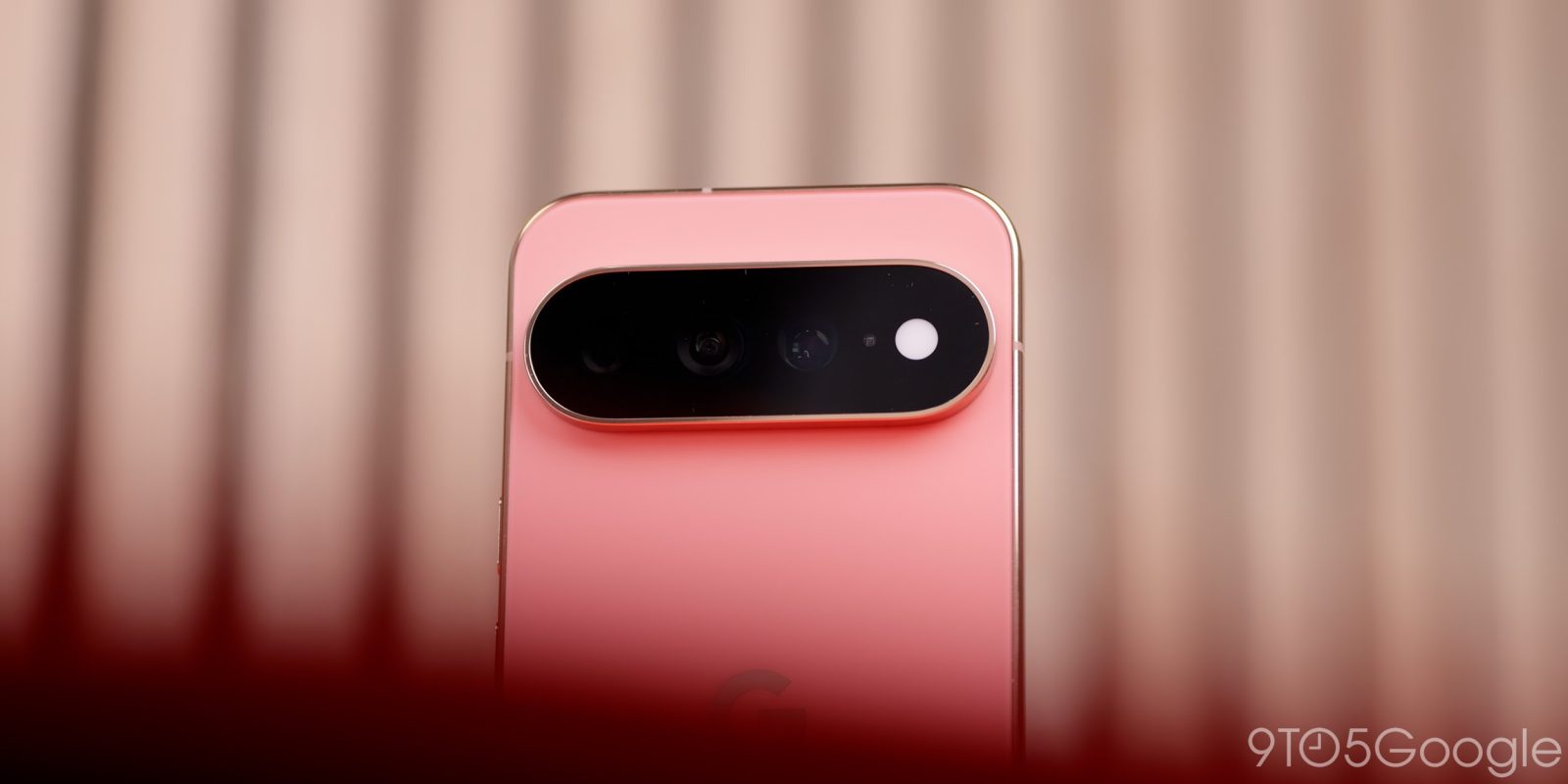
Good morning and happy Tuesday. It’s the perfect time to read conspiracies about who exactly made the new Ox Alpha AI model, cry about coffee getting even more expensive, add this fun daily typing challenge to your morning routine, and listen to r/indieheads’ top 106 songs of 2010 to 2026.
As a reminder, Inbox is the tech newsletter you should be able to read in around 95 seconds. We cover the most important 9to5Google stories from the last couple of days along with a few highlights from around the web. We publish every Tuesday and Thursday, and if you like what you read, please subscribe.

Inbox is written by Daniel Bader. Read previous issues here, and then catch up with Ben Schoon’s excellent Weekender column published every Sunday.
⭐️ Starred
I’ve owned every phone Google’s ever had a hand in, from the original Nexus One to the heavily subsidized Nexus 5 to the iconic Pixel 6 all the way to today’s Pixel 11. The early days of the Nexus were largely about buying a commodity piece of hardware built by a trusted manufacturing partner — often Samsung, LG, Huawei, or Motorola — and imbuing it with Google’s tasteful (and bloatware-free) build of Android.
But in 2014, with the debut of the Nexus 6 (aka The Whale), Google started experimenting with HDR+ bracketing, and over the years became the de facto leader in computational photography. Now the photo you take on any phone runs through a similar pipeline of multi-frame ingestion, bracketing, sharpening, color correction, and de-noising until it spits out something that may barely resemble the scene you actually framed.
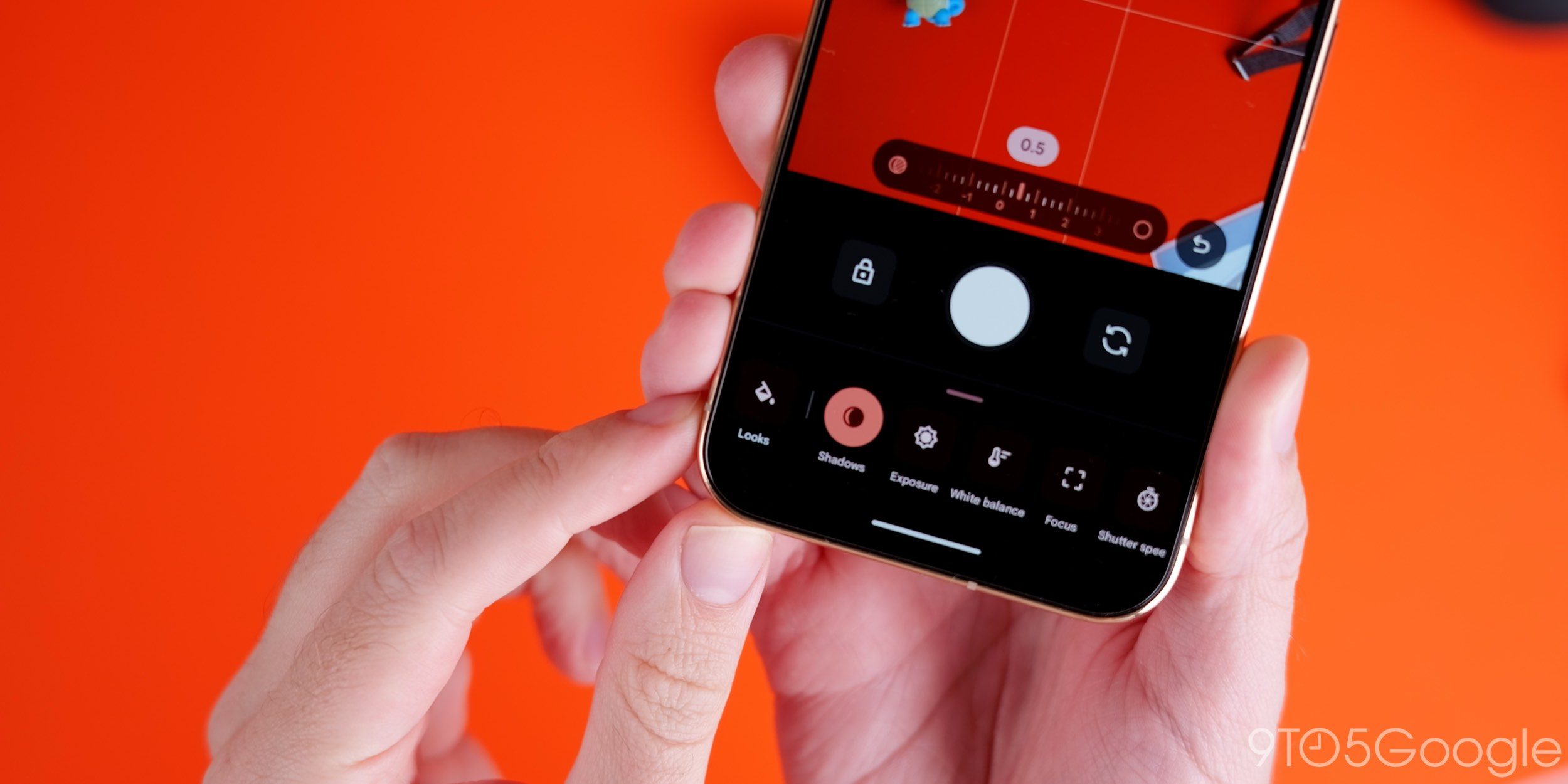
Recently, as AI has infiltrated the photo-taking and editing process, we’ve seen strong pushback from phone users, particularly young ones, who are keen to embrace a more true-to-life aesthetic. Not only have mid-2000s digicams exploded in popularity, but apps like ZeroCam and ProShot on Android, and Halide on iOS, have become common downloads for many would-be photographers.
A few generations after Apple introduced Photographic Styles for its iPhones, Google’s Camera Looks feature takes a broader approach, with fewer specific filters (10 in total compared to Apple’s 15) but more ways to customize them: shadows, highlights, vibrance, sharpness, grain, tint, and warmth. As with all new Google products, Camera Looks has its quirks, but it’s a step in the right direction for people who demonstrably want less processing and more control over the photos they take.
For me, a Pixel phone’s greatest strength has always been how opinionated Google is about the way an owner should use its software. But in recent years, the company has eschewed the contrasty palette of early HDR+ for a more uniform, vibrant, and flat photo output that usually looks good but lacks distinctiveness. This is Google’s way of course-correcting, and while it’s not perfect, it’s a good start.
Read more: Camera Looks on the Pixel 11 delivers what I’ve wanted from Google’s photos for years
✉️ Inbox
- Google’s inevitable ‘Pixel Watch Ultra’ should copy the Fitbit Air. Ben’s Weekender column is wish fulfillment over a sports-centric Pixel Watch, but personally I think Google should just make a more accurate Fitbit.
- Samsung confirms August 27 event for the ‘newest addition to the Galaxy S26 family’. Samsung’s $649 Galaxy S25 FE is getting an update, and I’m hoping its biggest new feature isn’t “price increase.”
- Pixel 11’s Magic Capture perfectly solves a very modern parenting dilemma. My column about how the Pixel’s Magic Capture is a solid solution for those moments when you don’t know whether you want to use your phone camera’s photo or video. #whynotboth
- Galaxy Tab S12 series reportedly gets a price hike, but it’s not as bad as it could be. Yes, it’s as bad as it could be. Who’s paying these prices for an Android tablet?
- Peloton brings its strength training app to Android after nearly two years on iPhone. Strength+ is the latest former iOS exclusive to be ported to Android, and it poses the question: was it Codex or Claude?
- Google Home update lets you set light color temperature to your favorite kelvin using voice commands. My favorite Kelvin is Klein, which means all my lights are either black or white.
- Pixel Watch 5’s AI watch face generator keeps the same form factor feeling fresh. I love this weird new addition to the Pixel Watch 5’s repertoire. I just wish I could use it on the phone instead of fiddling around on the watch itself.
- Walmart finally supporting in-store tap to pay with Google Pay. The world’s biggest retailer finally caved and will now support Google Pay, Samsung Pay, and Apple Pay in its stores. All hail NFC and shared standards.
- YouTube Premium is getting another price hike for some users all around the world. The objectively best subscription is getting an objectively terrible price hike in parts of Europe and Asia. A similar hike came to the US earlier this year.
- Samsung reportedly bringing this major redesign back from the dead with Galaxy S27 [Gallery]. I’m excited for a Galaxy S27 that doesn’t look identical to the Galaxy S26, S25, S24, S23, and S22.
- What is the ‘Android Pulse’ app that just appeared in Google Play Store updates? I love a good Android mystery.
- Android brands struggle in Europe amidst RAMageddon, with Apple catching up. Low-end Android phones are getting more expensive, so people are just caving and buying more expensive phones, which is good news for Apple.
- GrapheneOS phone from Motorola arrives next year, ‘higher end’ compared to Pixel with a price to match. Graphene’s first non-Google phone is a confusing partnership with Motorola, but more choice is good.
- Waze alerts are coming to navigation in Rivian’s electric vehicles. One more reason to lust after the Rivian R2.
- Philips Hue’s new, cheaper Sync hardware leaks with ‘Camera’ and ‘Box Lite’ [Gallery]. I love Hue products and have many lightbulbs around my house, but their prices have recently pushed me to competing brands like Govee. Happy to see a potential price drop coming.
More from Google’s recent Pixel launch:
- Please don’t buy Google’s wildly overpriced Pixel 11 Clear Case
- Pixel 11 Pro Fold is changing how I multitask on a foldable with ‘App Handles’ [Gallery]
- Pixel 11 Pro vs. iPhone 17 Pro: Can a re-run contend with a re-do [Video]
- Pixel Camera adds ‘Launch control’ and new ‘Quick access’ slider controls on Pixel 11 [Gallery]
- Pixel 11 Pro Fold still doesn’t survive bend test, but at least it didn’t ‘explode’ this time [Video]
- Pixel Watch 5 lets you customize double pinch to dismiss alarms, skip music, & more
- Gemini on Pixel 11 Pro testing ‘Device help’ tool
🤑 Action items
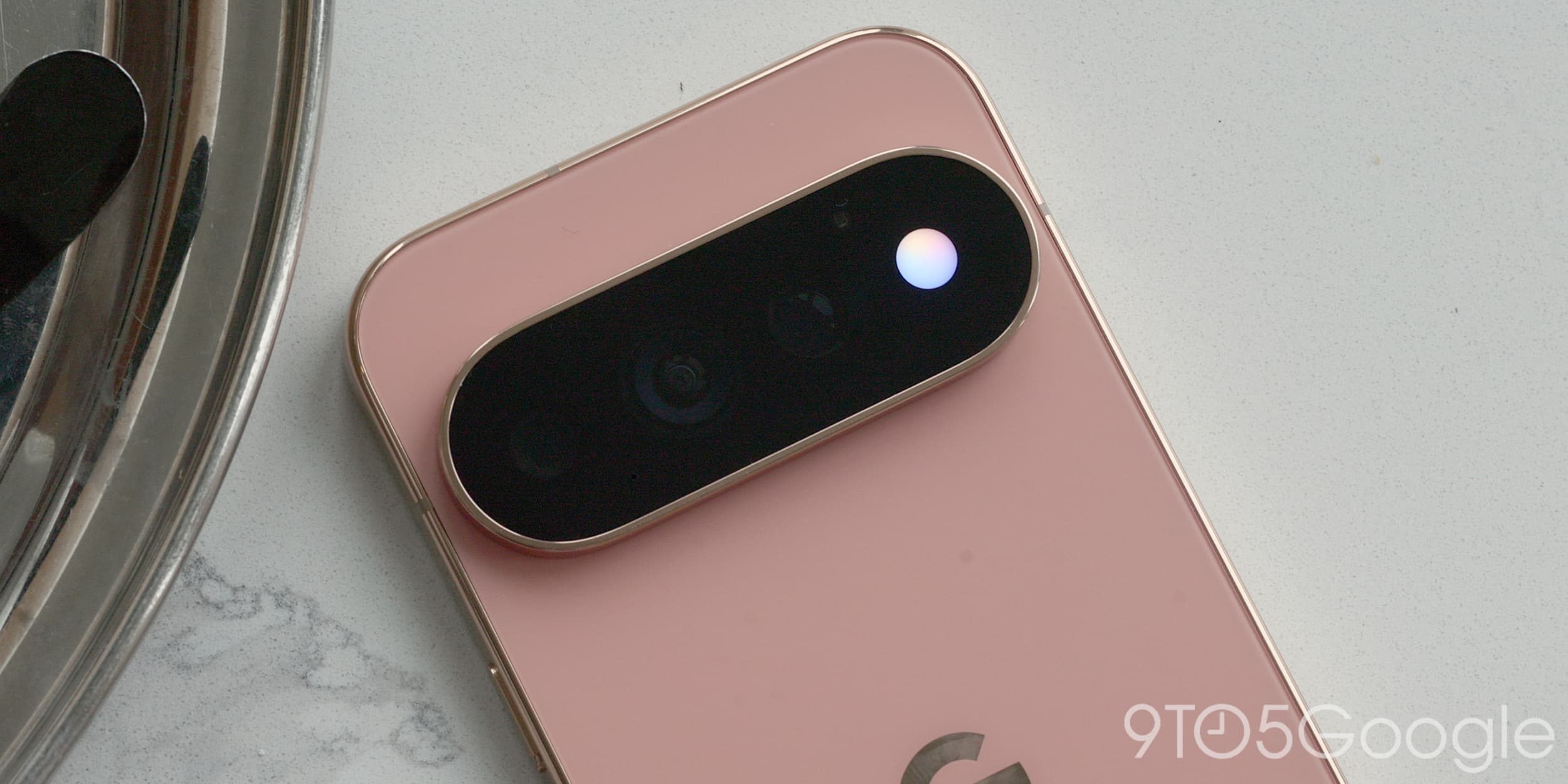
It didn’t take long for someone to vibe-code a solution to the Pixel 11’s barebones HiLight feature.
I’ve been using the HiLight Studio app for the past few days and it’s actually been quite helpful. I was out for dinner the other day and had my Pixel 11 face-down on the table. I had set HiLight to pulse green when receiving a message from Beeper, and a few minutes later saw it light up. I didn’t know who messaged me until I turned on the screen, but maybe that’ll come in a future update.
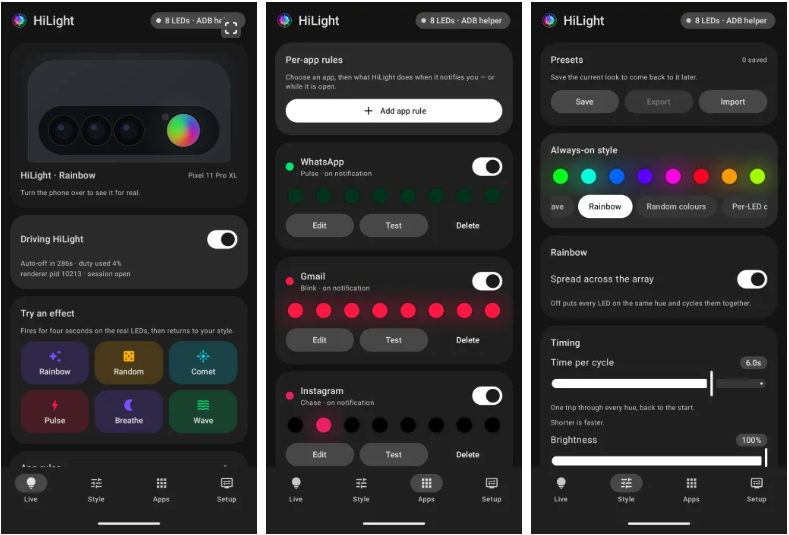
More striking than the app itself — whose existence by no means obviates Google’s lackluster feature set — is how quickly it arrived. The author admits that it’s vibe-coded, which likely made it possible to develop at all. And now we’re in an environment where anyone can develop a specialty app for a small number of people or use cases, filling in usability gaps in the ecosystem or augmenting apps whose iOS versions were superior to their Android counterparts.
If you’re a developer working on a specialized app like HiLight Studio, give me a shout and I’ll feature it in an upcoming newsletter.
See also: The Pixel 11 Pro’s flashlight is a little bit worse because of ‘HiLight’ [Gallery]
🙃 FWD:
This section has some of our favorite stuff from around the internet. Great videos, weird memes, fun reads, recommended apps, whatever. Send us your recommendations!
- T-Mobile may have just disabled its last 2G radio, but security and privacy advocates are pushing to keep older technologies alive because they’re much more difficult to hack. (BBC)
- Xiaomi just unveiled its first custom chip to power its upcoming smartphones. The Xring SoC is built on TSMC’s 3nm process and is being developed to reduce reliance on Qualcomm and MediaTek and, ultimately, lower costs. (Reuters)
- Here are two trailers about two old guys discovering what makes them feel young again, featuring two of the best actors in the business. (YouTube)
📣 Promotions
Search Engine is one of my favorite podcasts, much like its forebear, Reply All.
In its most recent episode (which is extremely NSFW), the crew get asked a very particular question about a very specific part of Wikipedia, which leads them down a very strange road. It’s a brilliant listen and one of the show’s best in a long time.
Like what you just read? Subscribe to Inbox today and get it in your email every Tuesday and Thursday morning. Got feedback? Send us an email.
You can also support us by becoming a 9to5Google Pro member, starting at just $5/month. You get bonus podcast episodes, access to our members-only Discord server, and lots more.
Thanks for reading, and have a great day. Talk to you on Thursday.
-Daniel


FTC: We use income earning auto affiliate links. More.



Comments