
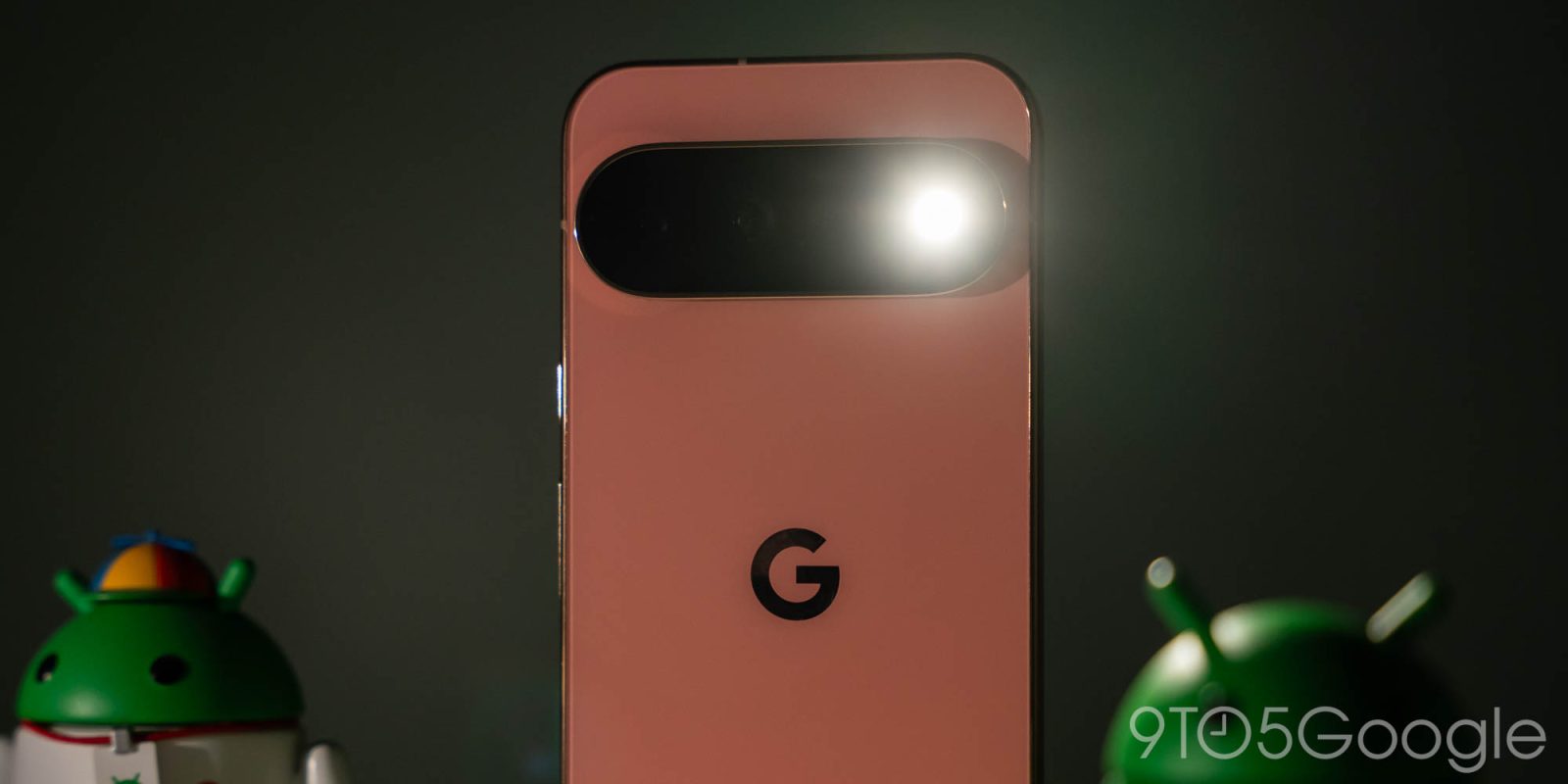
“HiLight” on the Pixel 11 Pro doesn’t provide much utility, but making matters worse, it also worsens a common use case of every other phone’s rear LED – the ability to use it as a flashlight.
Most smartphones have a built-in rear LED that’s primarily designed as a camera flash, but doubles as a flashlight in a pinch. It’s never as good as a dedicated flashlight, but it’s good enough for navigating a dark area at night or those times when you need to shine just a bit of extra light on something.
The Pixel 11 Pro family, though, has been noticeably worse when it comes to the flashlight.
We noticed on our review units in recent days that the flashlight simply isn’t as strong as past generations or other phones on Pixel 11 Pro / XL / Fold. Personally, I noticed this while going through my home late at night, with the flashlight simply not illuminating the room at any sort of distance. Especially after the first few feet away from the device, the lighting just became useless. Will Sattelberg calls the flashlight function “unusable,” referring to a home repair where he thought the phone had somehow set the flashlight to half-brightness. Damien Wilde further pointed out that the diffuser being used for “HiLight” is likely at least part of the cause, though that is admittedly nice for using the LED as an actual camera flash. You have to be closer to subjects, but the lighting effect does visually look better.
You can see the difference pretty clearly when you compare the Pixel 11 Pro to other devices, which we’ve done in the images below. Comparing Pixel 11 Pro XL to Pixel 10 Pro XL, there’s a distinct difference in the lighting intensity, though the last generation wasn’t especially bright either. Compared to even a three-year-old iPhone 15 Pro, Apple’s flash is brighter. Throwing in Galaxy Z Fold 7 for good measure, Samsung’s flash is also a tiny bit stronger than either of Google’s, but it’s abundantly clear that Pixel 11 Pro XL is the worst out of the bunch.
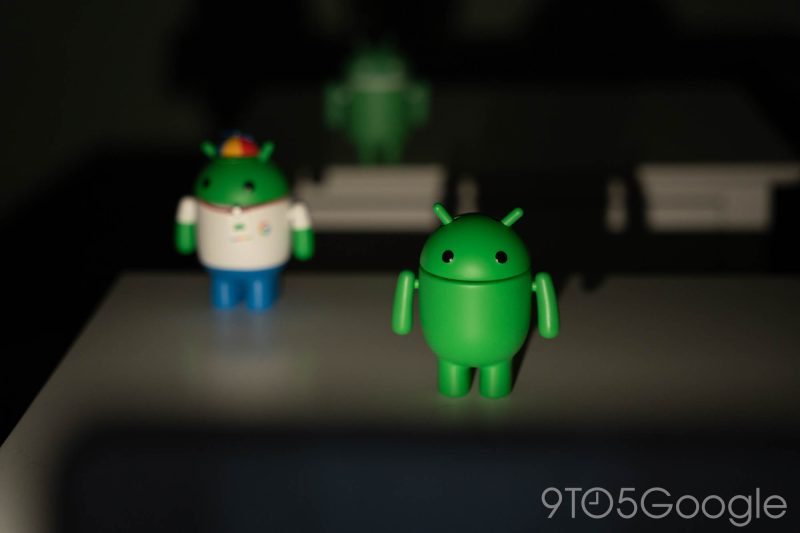
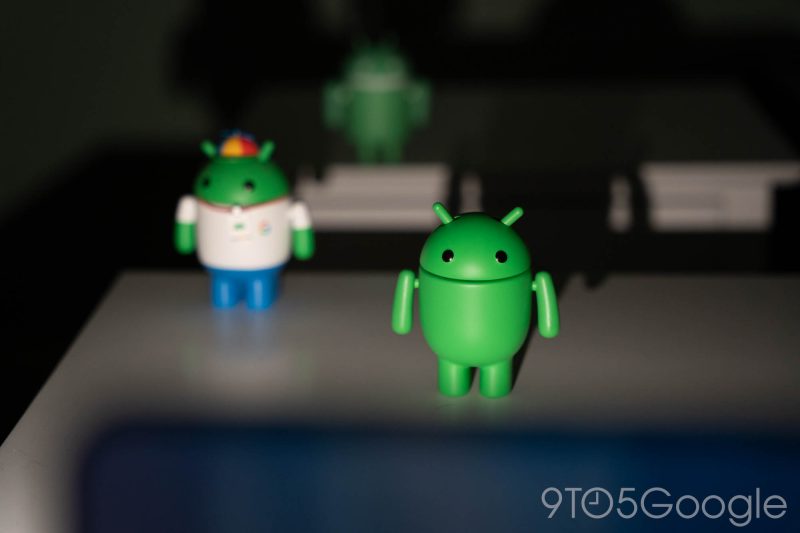
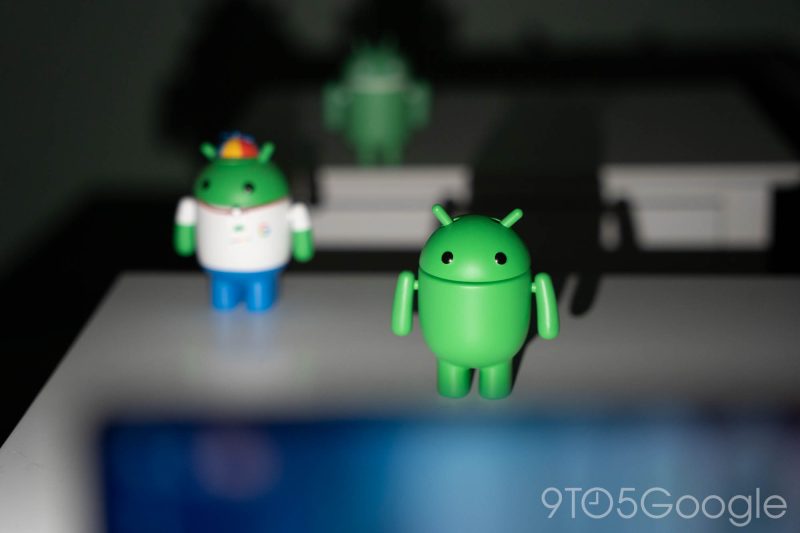
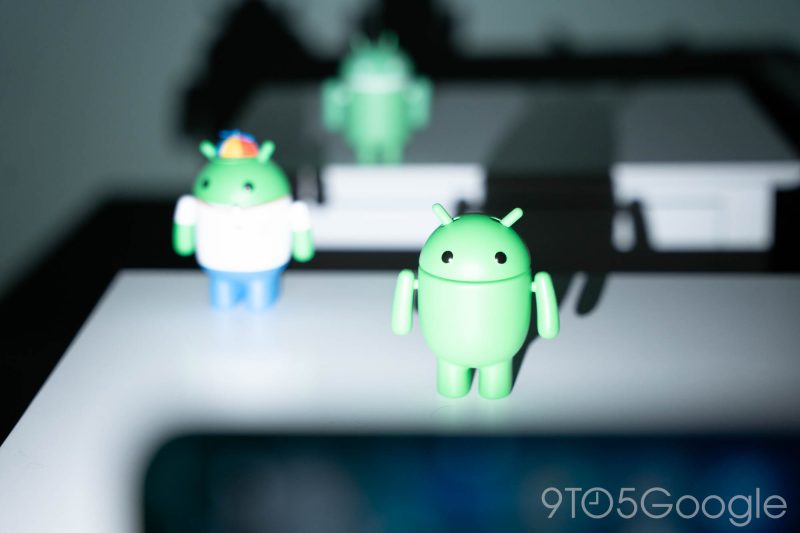
As mentioned, this gets worse at distance. We ran this test similarly to one from a Redditor, but in adding some additional subjects in the background, you can see how much quicker the Pixel 11 Pro’s lighting fades away.
Here’s another angle:
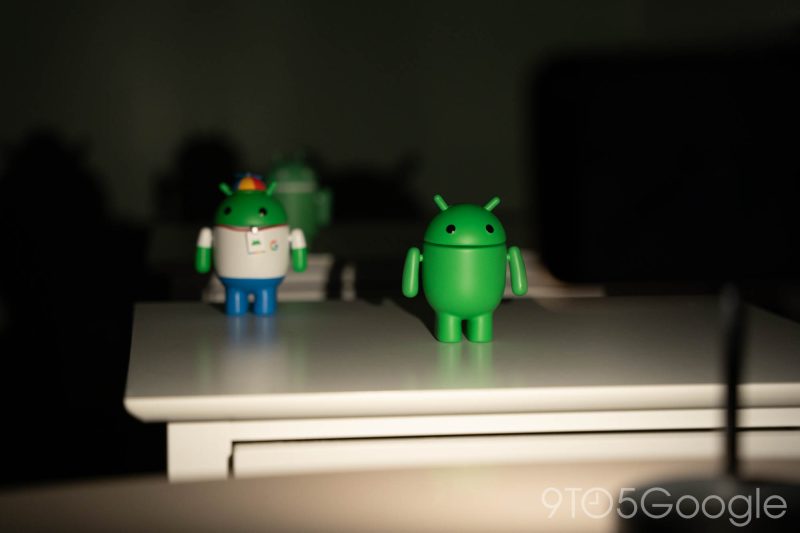
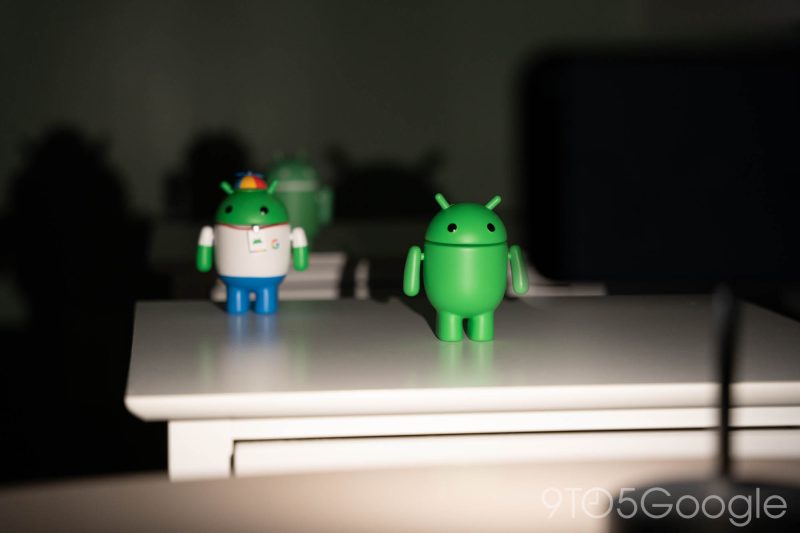
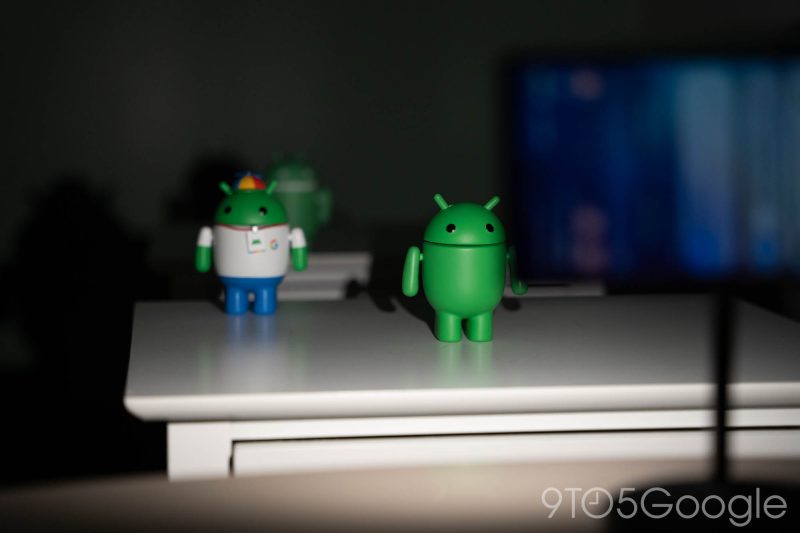
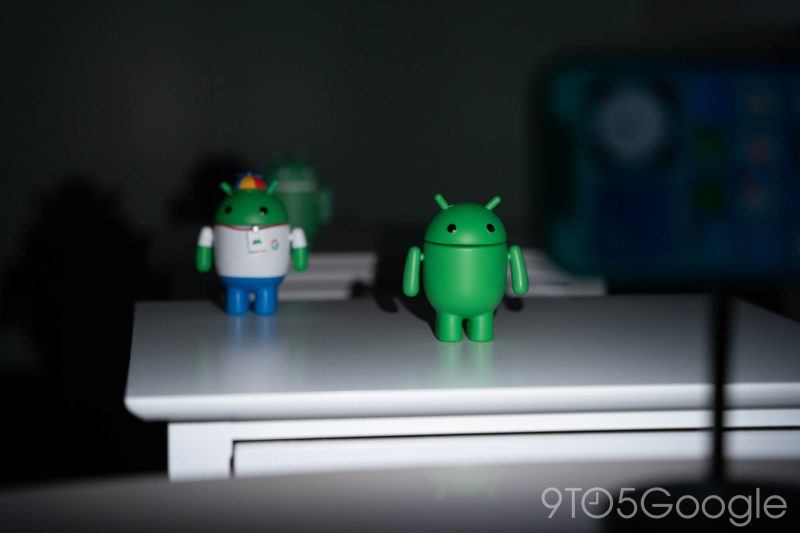
Meanwhile, the actual camera flash results are more or less comparable across Pixel 11 Pro XL and Pixel 10 Pro XL, though processing differences must be taken into account. The lighting is less harsh on the newer device, and it’s also warmer in color temperature.
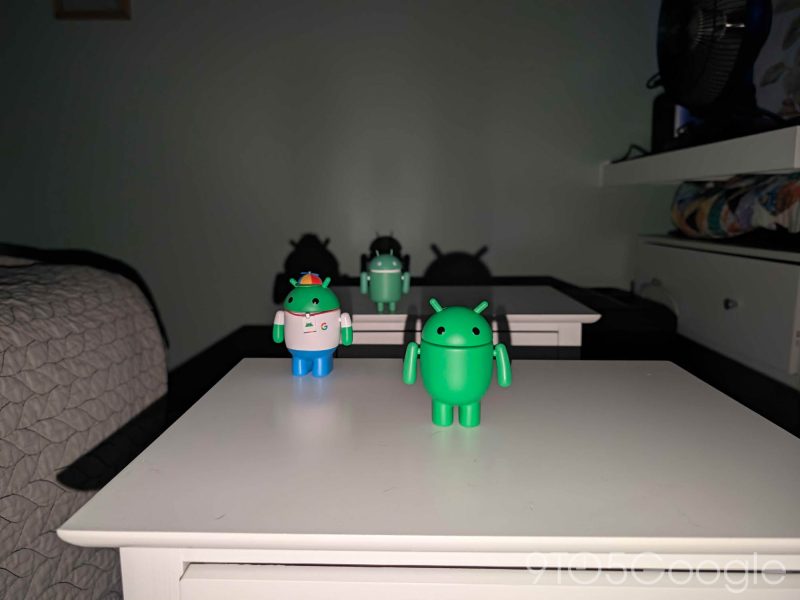
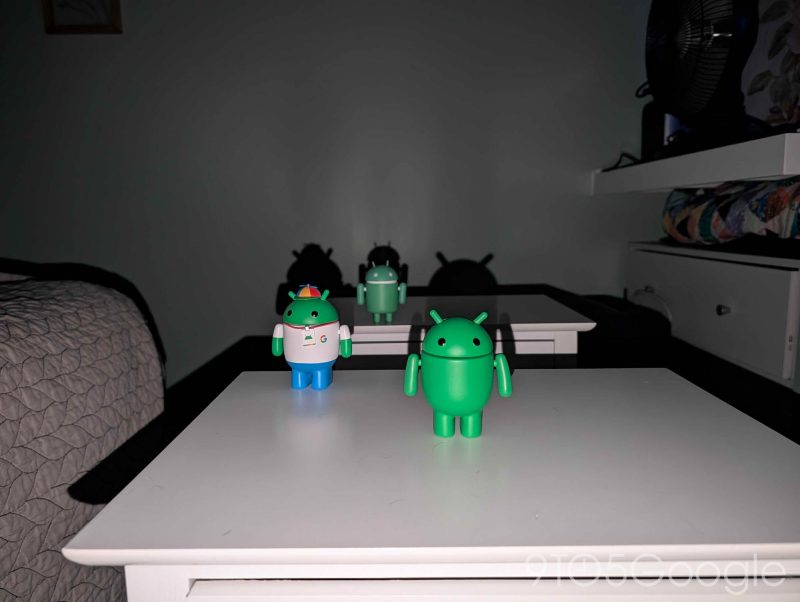
And, to be clear, pictures can only do so much justice to this. I’d argue that the difference is bigger in real life.
Top comment by Morgrain
It's annoying for sure. Not only did we lose a feature (in this case, the thermometer), no, Highlight is also not particularly useful. It's not open to third-party apps, and is apparently also making another feature worse. Again, not a good combination.
The flashlight is important. In an electricity outage, your phone is going to be first object you touch to light the way. The flashlight should always work properly. A degraded flashlight is not okay.
When the thermometer came out a year too late after the big corona lockdown was already done, I kind of excused Google's choice to add such an odd feature with the attempt to help people under corona. Then they stuck with it for three years and now they've replaced it with something even worse. It's just baffling.
What this whole thing brought to light for me – pun mostly not intended – is just how far behind Google is in this regard.
The flashlight on your phone isn’t something you think about in daily use or even when comparing devices, but when it suddenly gets worse, you can’t help but notice the difference. “HiLight” has resulted in a clear, though not major difference in the Pixel 11 Pro’s flashlight this year. Google should absolutely be taking notes, because this is one of those subtle problems that rubs users the wrong way, and I’m absolutely sure someone switching from an iPhone to a Pixel 11 will notice this and take issue with it.
What do you think?
More on Pixel 11:
- Pixel Camera adds ‘Launch control’ and new ‘Quick access’ slider controls on Pixel 11 [Gallery]
- Google Pixel screen savers add new styles and iPhone-like switching [Gallery]
- Pixel 11 Pro’s ‘HiLight’ is another half-baked feature burdened by bad first impressions
Follow Ben: Twitter/X, Threads, Bluesky, and Instagram


FTC: We use income earning auto affiliate links. More.


Comments