
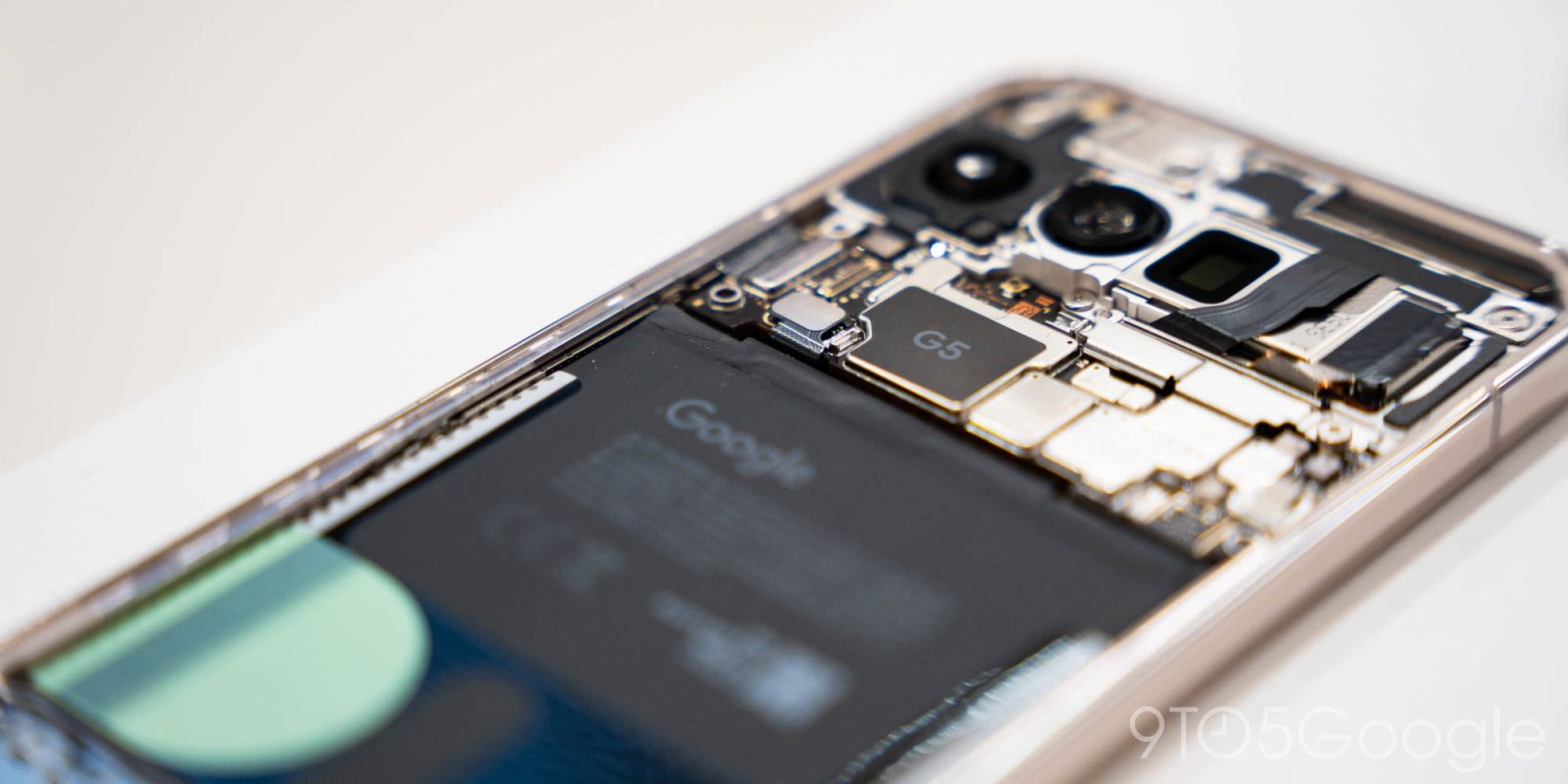
At what stage does “fine” feel like it’s doing heavy lifting for problems that might appear in the future? It’s something talked about around the Tensor chip in Pixel phones, but isn’t it about time we saw real-world performance gains? The truth is, we probably need a Ryzen moment for the Tensor chip.
For those who aren’t fully plugged into the history of desktop computing, AMD, or “Team Red,” long languished behind Intel when it came to desktop-tier performance CPUs.
For more video content, subscribe to 9to5Google on YouTube.
The Bulldozer architecture used on the FX series of chips was a bit of a disaster. Intel capitalized on this misstep completely, locking the consumer market into a complacent four-core monopoly for nearly a decade because it simply had no pressure to innovate.
With this percolating in the back of my mind, during a recent podcast episode, and spurred on by a Reddit comment I can no longer find over on /r/GooglePixel, there’s a strange sense of déjà vu applicable to Google’s smartphone lineup. There needs to be more than just incremental gains and AI being touted on a $1,000 phones best chip.
Side note: if you are the original poster, please get in touch; you had me thinking about this more broadly and deserve credit for doing so.
While it’s hard not to laud the Pixel line for the brilliant software, extensive and unmatched feature drops, and mostly excellent camera processing, it’s the Google Tensor processor that is almost always the biggest caveat or talking point.
Right now, the Tensor lineup has spent years echoing the systemic flaws of AMD’s Bulldozer era. Stumbling, faltering, and just about hanging in there. I think most of us can agree that Google doesn’t just need an incremental chip upgrade. To truly unlock the potential of the Pixel line, the company needs its very own “Ryzen moment.”
Back to Bulldozer for a second, because I’m not sure everyone is fully aware of chips built on this architecture. FX chips ran hot and throttled under load, were power-hungry, and, in many cases, lost to AMD’s own previous-generation Phenom II chips in terms of performance. They were able to cling to survival more because of very low prices than anything else.
Bulldozer was ditched in favor of the Zen project. Each successive architectural enhancement saw improvements, and in 2017, the first Ryzen 1000 series desktop processors blew everyone out of the water. Multi-threaded performance that rivaled $1,000+ chips from the market leader, Intel. Since then, AMD has been on a tear with Ryzen, beating a complacent Intel in practically all areas.
You can see the parallels between these mid-2010s AMD CPUs and the last few generations of Google’s Tensor chips, but this feels like the perfect blueprint.
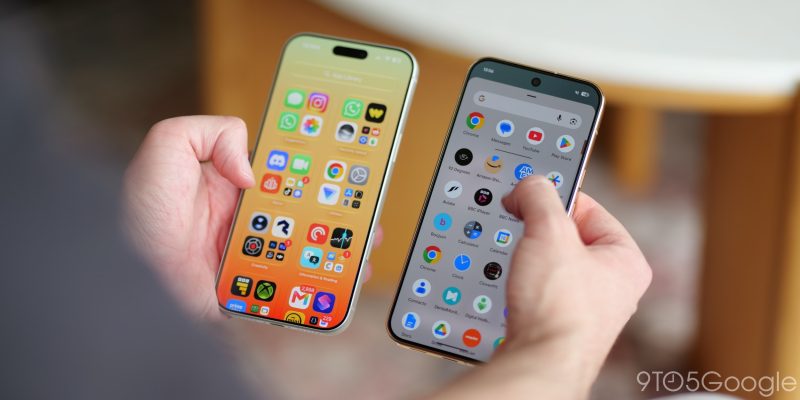
It definitely feels that, like AMD in 2012, Google is sacrificing pure hardware efficiency in favor of trying to capture something less important, all while trying to lean into the key AI selling point. It’s a big, bold bet that makes less sense to true tech nerds, as most of the best off-the-shelf Qualcomm chips are, in many ways and metrics, better at AI processing right now than Tensor.
Some of the early Tensor problems fall at Samsung’s doorstep. Exynos chips have never had a great reputation, and relying on Samsung Foundry likely meant some limitations. You may also remember that Qualcomm briefly switched manufacturing to Samsung’s 4nm node for the Snapdragon 8 Gen 1. The chipmaker later moved production to TSMC for the follow-up Snapdragon 8+ Gen 1 chip due to poor manufacturing yields and efficiency issues with Samsung Foundry. This prompted substantial efficiency gains with heat reduction and sustained performance improvements.
Maybe Google eventually realized it needed a similar escape route and took similar steps. Alas, this hasn’t quite worked out to do what maybe we as nerds wanted. The pre-launch talk around the transition to TSMC manufacturing was probably spurred on more by hope than anything concrete – despite numerous leaks.
I, like many others, expected a clean-slate architecture built on a superior node might finally deliver the performance gains that had been sorely missing for four generations. It’s frustrating and annoying that this hasn’t come to fruition.
Fast forward to the present day. We are now two generations into Google’s TSMC era, with the Tensor G5 and the current Tensor G6 powering the Pixel 11 lineup.
This transition has only eradicated some of the problems, but still leaves us with a now glaring performance gap. The year-over-year gains have been respectable increments, but they are not quite the massive generational “leaps” fans were hoping for before the switch.
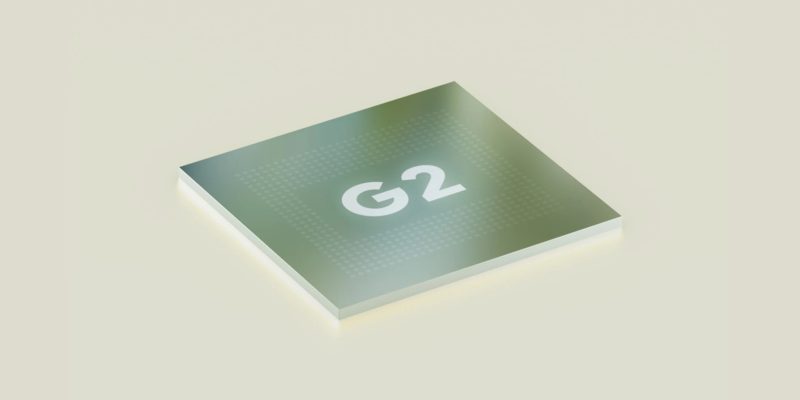
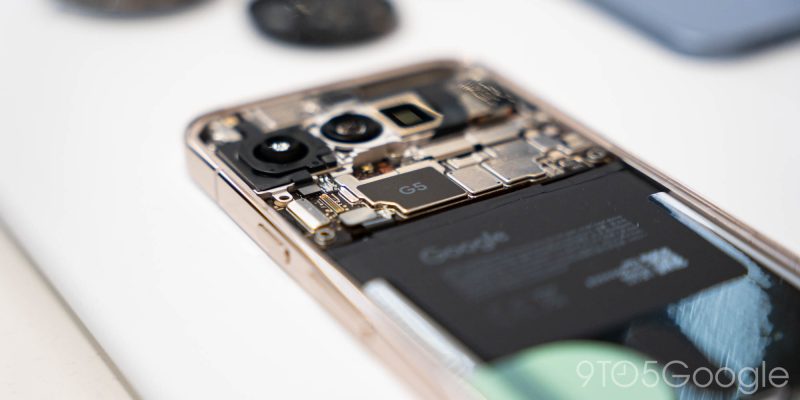
I’m tempering my ire a little bit, though. We’ve not seen any major gains yet, but the groundwork is at the very least in place. That said, there’s only so long the company can allow Qualcomm to keep building an enormous performance gap.
A performance gap that, let’s be real, lots of people don’t care all that much about when using their phone. I’d put myself in that category, but I’d be lying if I said it wouldn’t be nice to have a Qualcomm-beating chip that can do everything a modern phone can without breaking a sweat.
While I might not be too disappointed, this matters to people buying phones, especially $1,000 phones. It helps market your product, selling on the promise of unrivaled performance. The Tensor platform is “fine” in that you likely won’t feel a major difference texting or looking at Instagram, and it’s true that Google tunes Android to feel as fluid as possible on a Pixel phone. Intensive things? It’s a bit of a mixed bag and a different story.
My question is, why make it harder for the engineers? A little extra breathing room would be more than welcome by practically everyone. By allowing Qualcomm and Apple to build an enormous, compounding performance gap year after year, Google is playing a dangerous game.
It limits what the phone can handle when pushed, whether that means recording extended 4K video clips without getting a thermal warning or processing heavy background tasks. That’s not to mention the things we’re missing out on, like local 8K video recording and many other video-centric functions that rival premium devices have shipped with for years.
More importantly, this performance gap directly threatens Google’s industry-leading promise of seven years of OS updates.
I probably don’t need to tell you that a chip that feels just about “good enough” today will likely struggle under the weight of Android operating systems in the late 2020s and early 2030s. I’m still worried about the long-term longevity and thermal headroom required to ensure a Pixel actually lasts through its promised support window.
7 years is a long time, and with prices ballooning and no sign of coming down any time soon, there are people who will be keeping their phones longer into that support lifecycle than ever before. Using a phone for 5 years without switching is likely to become the norm.
Apple is another parallel that Google has to keep in mind, and they show exactly where the broader computing landscape is going.
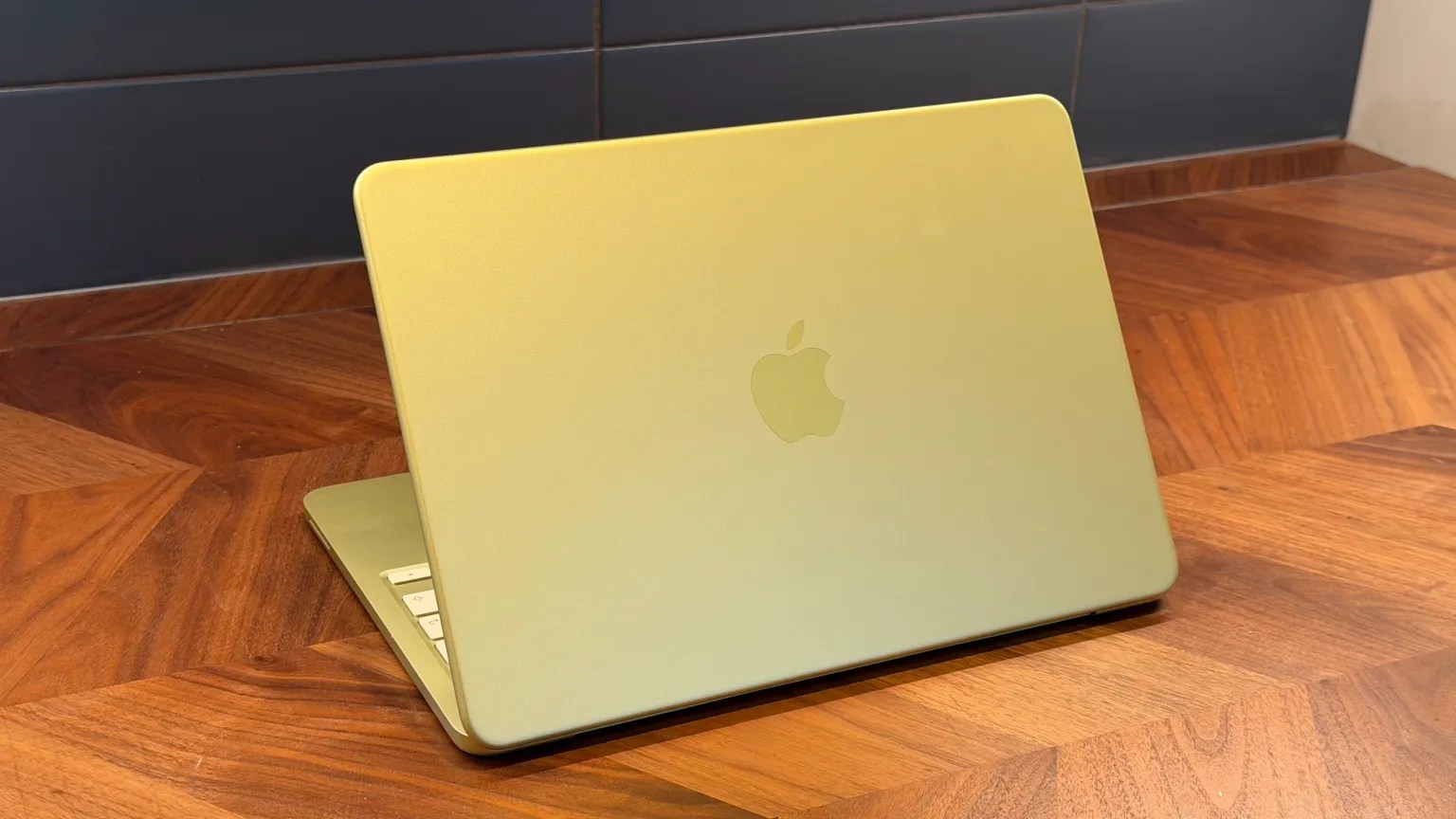
Look at what Cupertino did earlier this year with the MacBook Neo. They took the A18 Pro, which is a smartphone chip, and threw it straight into a fanless, entry-level laptop running a full, desktop-grade operating system. They didn’t need to strip macOS down or compromise the user experience to make it happen. The silicon is simply so efficient and so inherently powerful that it treats a desktop workflow like a walk in the park.
This laptop paradigm is precisely why Google desperately needs a high-performance breakthrough. It isn’t just about making the Pixel 11 feel snappy because there’s a bigger ecosystem picture that needs to be considered. The company has spent the last couple of years laying the foundation for full desktop windowing in Android. It’s clear that the company wants devices to function as actual desktop machines the second you hook them up to an external monitor.
Imagine a future first-party Googlebook, or a pro-tier Android productivity tablet that docks into a mouse and keyboard setup, running entirely off the custom silicon in your pocket. I’m still surprised it hasn’t taken off, given how futuristic it seems to my millennial brain, but if there is any life in this vision, it completely lives and dies by the quality of the processor. Which is likely why most people are happy to stick to a dedicated laptop plus mobile in most cases.
If Google wants Android to transition from a mobile OS into a genuine productivity system that spans phones, laptops, and potentially desktops, Tensor cannot just be an “okay” component for scrolling social media. It needs the raw architectural grunt to act as a proper desktop computer without turning into a pocket-warmer.
When AMD launched Ryzen in 2017, the initial 1000-series chips didn’t instantly obliterate Intel in pure single-core speed. It took time, patience, and consecutive generational refinements with Zen 2 and Zen 3 to achieve complete, undeniable dominance, especially in the gaming space.
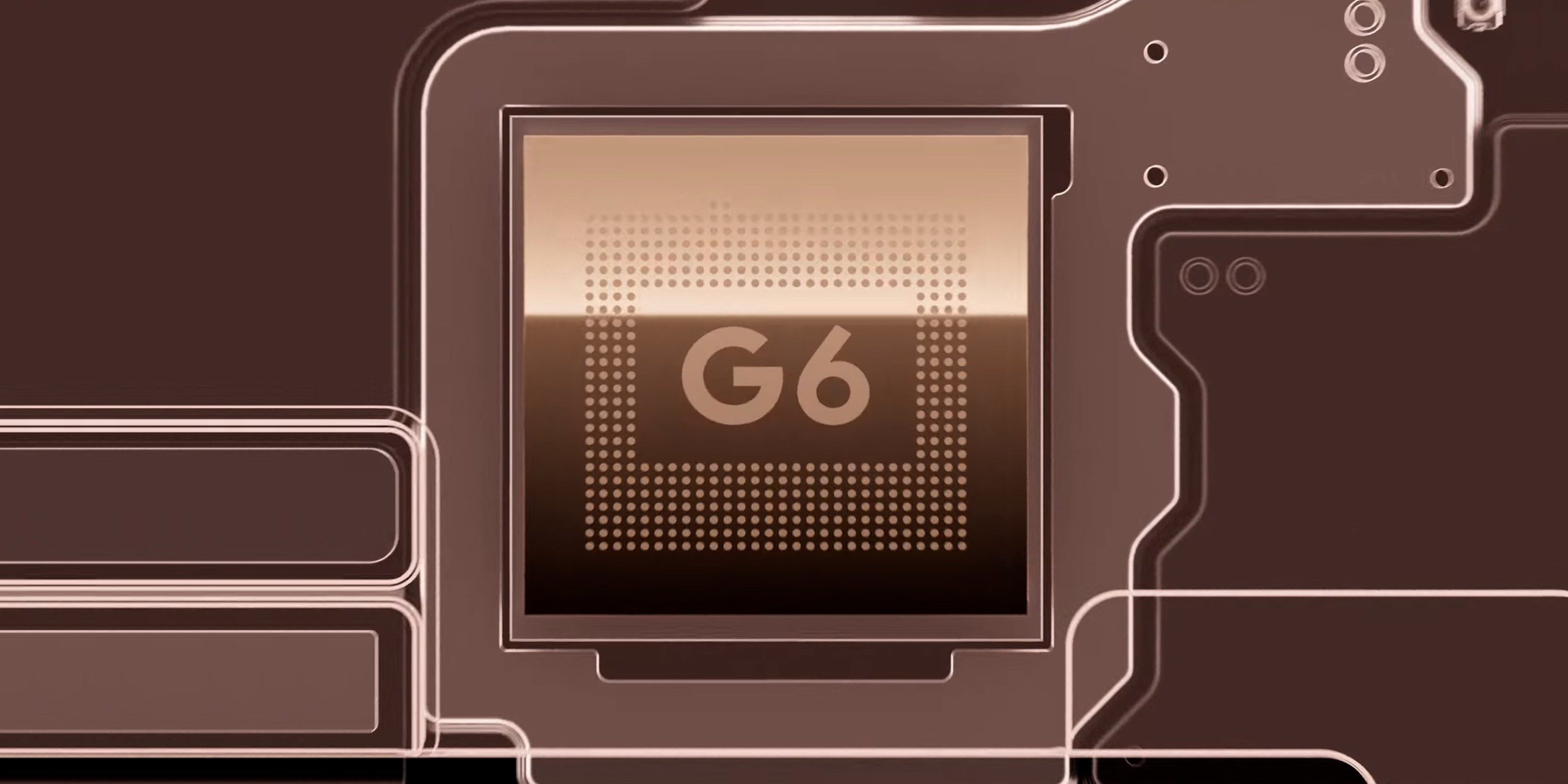
Moving to TSMC hasn’t instantly gifted Google the mobile performance crown with the Tensor G5 or G6; it at least feels like the company has finally established a stable, thermally efficient base to iterate on. The iterating is definitely tiny right now, but I’m desperately hoping a breakthrough might come with the next version.
For years, Google’s Android engineers have been performing optimization miracles, almost shoehorning what I would consider the best mobile software to glide smoothly over what some might call “compromised” hardware.
What kind of funny is that despite this, Pixel phones do often age better as a result, but engineering shouldn’t be an endless exercise in potential damage control. Hand-waving the Pixel 11 performance as good enough sometimes feels reductive, and there’s only so many times it can be deemed acceptable. We need chipset performance gains, not just more AI papering over cracks. To weaken my argument somewhat, I don’t doubt they will come with more time.
If we get a true Ryzen moment with their custom TSMC architecture in the coming generations, Google can finally market the Pixel ecosystem on the promise of unrivaled, unthrottled performance across phones, tablets, and heck, maybe even desktops if Android works on the form factor. The foundation is poured, and the blueprints are drawn. It is time for Google to stop compromising and finally unleash its inner Team Red.
Follow Damien: Threads, Bluesky, Instagram


FTC: We use income earning auto affiliate links. More.


Comments