
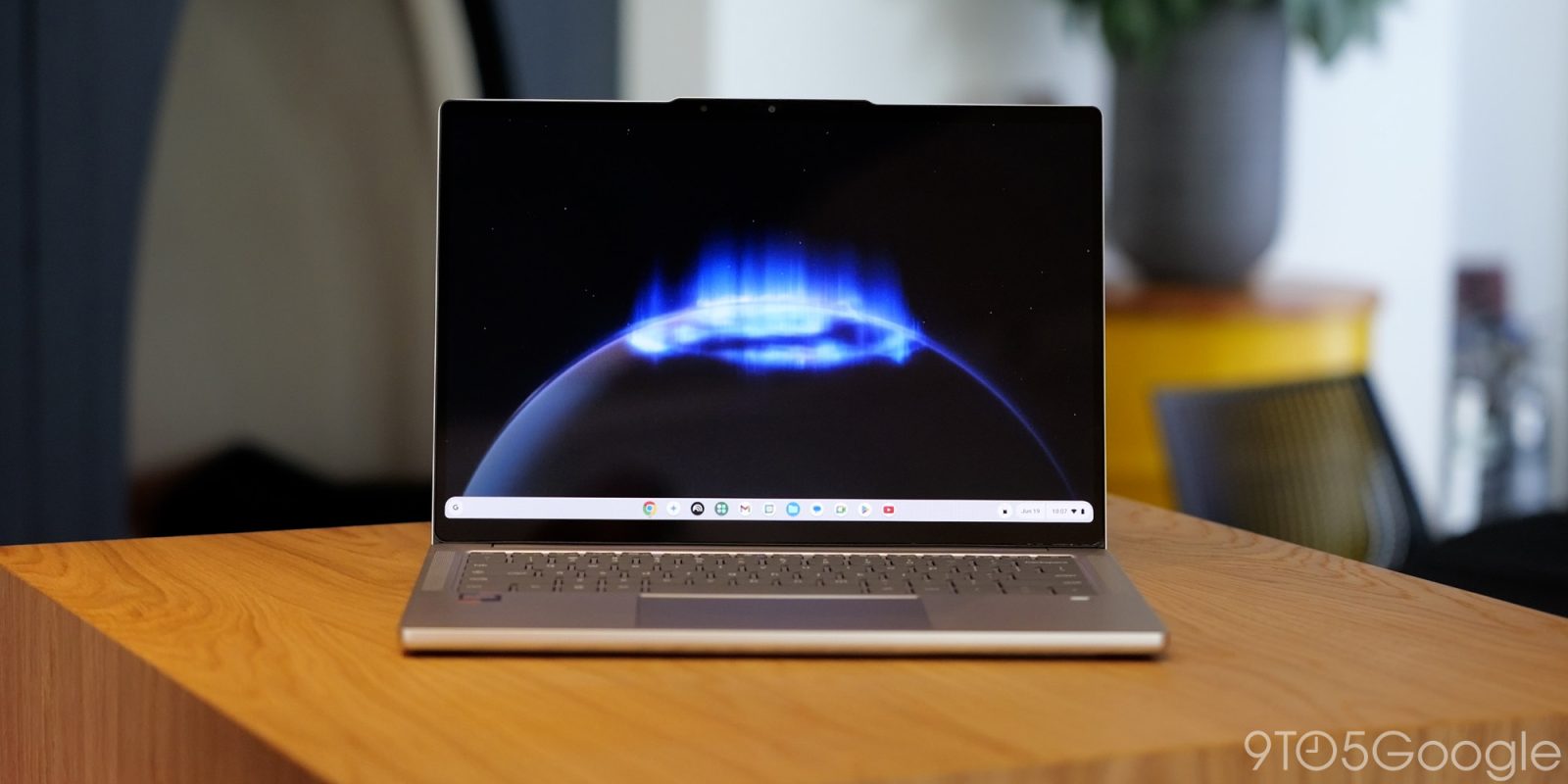
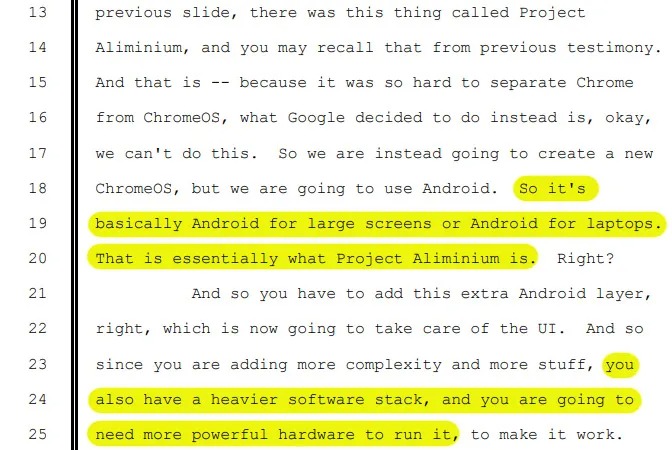
New findings in court documents shed a bit more light around Google’s plans for Android’s desktop UI, as well as its future plans for ChromeOS, and it might all take a bit longer than you were expecting.
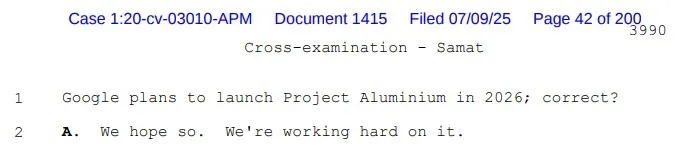
Google revealed last year that its new Android desktop experience would arrive in 2026, and it certainly seems like those plans are moving. But, in court documents surfaced by The Verge, it sounds like 2026 was just the goal, and the “full” arrival might take a bit longer.
The documents reveal that while Google will have a release of Android’s desktop UI – known as “Aluminium OS” – for “commercial trusted testers” in 2026, a “full release” isn’t expected until 2028. “Enterprise and education sectors” would be included in the 2028 release, suggesting that the 2026 release might focus on consumers (speculation on our part, to be clear), or just not be widely sold at all to start. Given the heavy focus for ChromeOS today on enterprise and education, it makes sense to give “Aluminium” a bit more time in the oven before replacing everything.
Beyond that, ChromeOS as we know it today is dying, Google’s lawyers revealed.
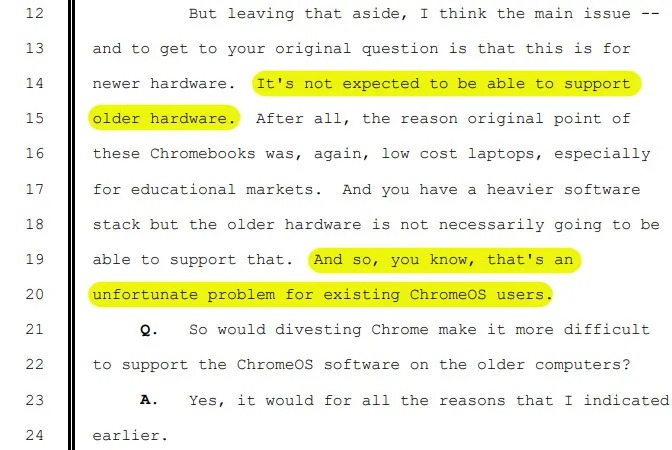
The court documents reveal that the “timeline to phase out ChromeOS is 2034.” In other words, Google is pulling the plug as soon as it can. As previously hinted at by a Google VP, lawyers spelled out that the lack of compatibility between most existing Chromebook hardware and “Aluminium OS” requires Google “to maintain existing ChromeOS at least through 2033 to meet its ‘10 year support commitment’ to existing users.”
One illustration, seen below, also describes “Aluminium” as follows:
Aluminium (‘ChromeOS’ built on the Android stack) will leverage Android’s pre-existing stack.
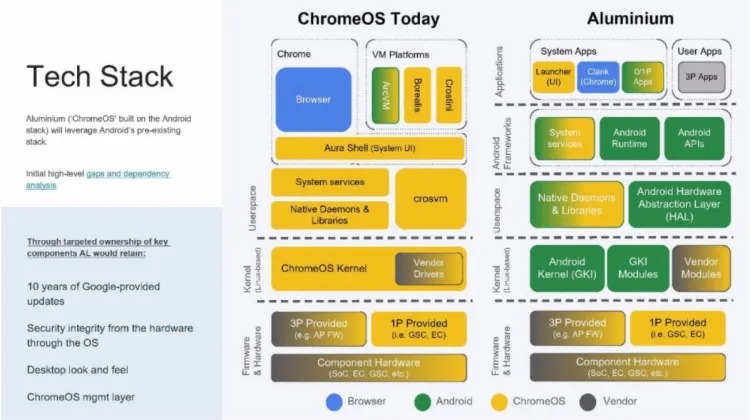
That was all revealed in court documents surrounding the antitrust case that, at one point, threatened to force Google into selling Chrome. As it turns out, a key reason why Google was allowed to retain Chrome was ChromeOS, and specifically, how long it would need to stick around. Google being forced to sell off Chrome with all of these plans in process would mean that it would be much more difficult to support ChromeOS on older machines.
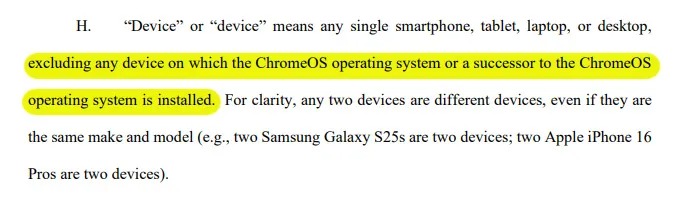
Interestingly, this case also revealed that devices “on which the ChromeOS operating system or a successor to the ChromeOS operating system is installed” are excluded from a ban that prevents Google from making deals around prioritizing/requiring Google apps on Android devices.
Google apparently declined to comment on these timelines, so it’s hard to know if the 2028 timeline is still in place or not. In any case, it’s arguably more interesting to hear that Google has pretty clear plans to kill ChromeOS as soon as support for existing devices is wrapped up.
More on Android:
- Android’s full desktop interface leaks: New status bar, Chrome Extensions, more [Video]
- Ayaneo launches Android ‘Pocket S Mini’ handheld at $319, skips crowdfunding
- Google releases ‘Desktop Camera’ app that’s seemingly for Android PCs
Follow Ben: Twitter/X, Threads, Bluesky, and Instagram


FTC: We use income earning auto affiliate links. More.



Comments