
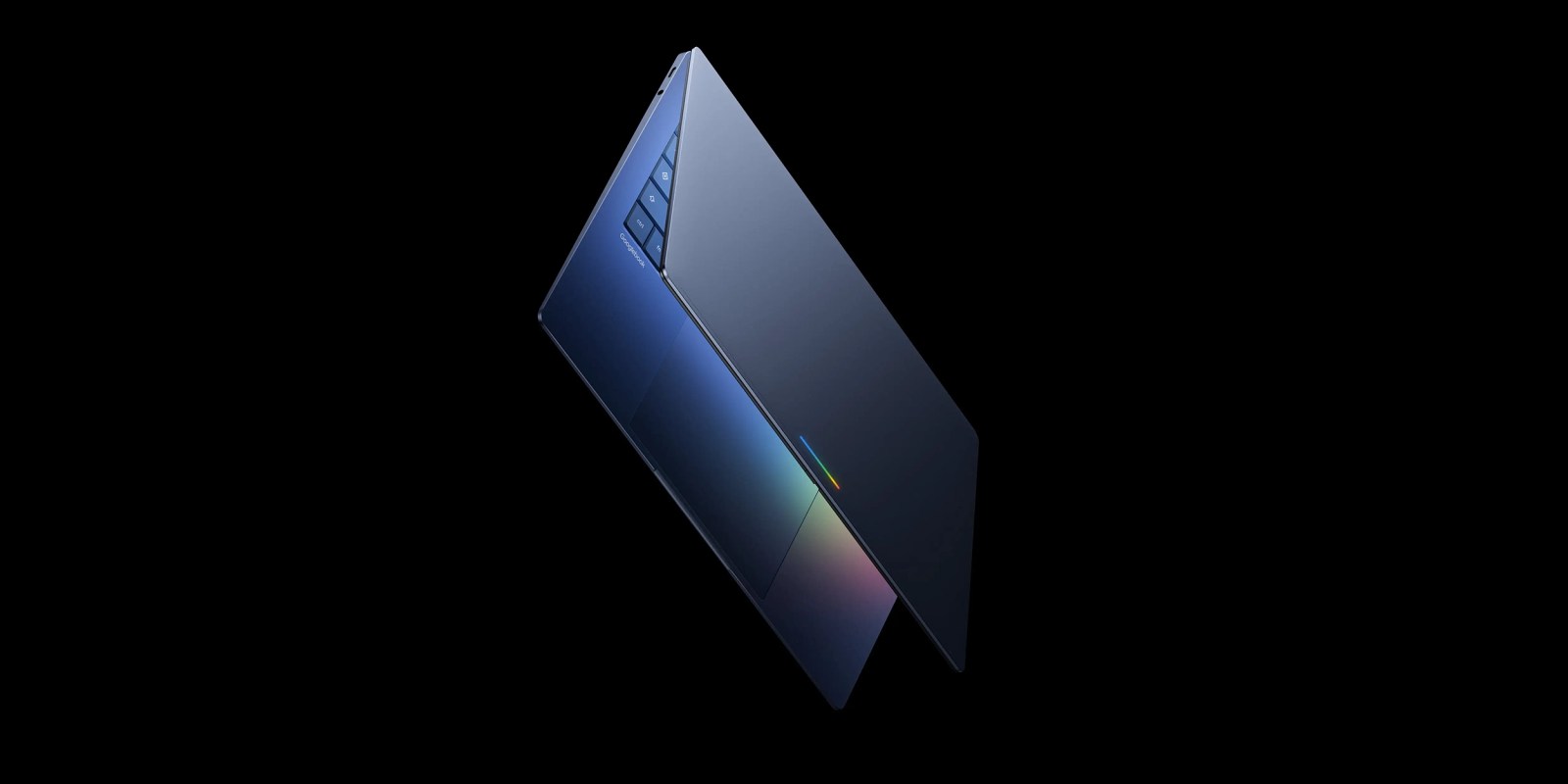
If we read between the lines, the Googlebook is doomed to fail, right? I’ll be the first to admit that I had that sinking feeling right away, but I’ve thought about it, and I think, no, I’m not the target for this upcoming product lineup, and that’s okay.
Table of contents
For more video content, subscribe to 9to5Google on YouTube.
Concerns over compliments
Since being announced or teased, I have changed my opinion on what I think the Googlebook needs to be. In fact, like many in this space, I often catch myself imparting something onto a product, service, or otherwise and realize that, no, I am not the person Google is aiming squarely at with its next laptop effort, and that’s fine because not everything needs to be for everyone.
Sometimes I have to tell myself this very obvious point every few days. In an era where information is beamed from glowing rectangles right into our eyeballs every few minutes, it’s easy to get caught up in hating things before you’ve even had time to process them. We’re either incensed or elated about practically everything today.
That said, my first concerns with the Googlebook seemed obvious – at least to me. How is Google going to make something that will ostensibly be marketed alongside other notebooks compete where Android is right now?
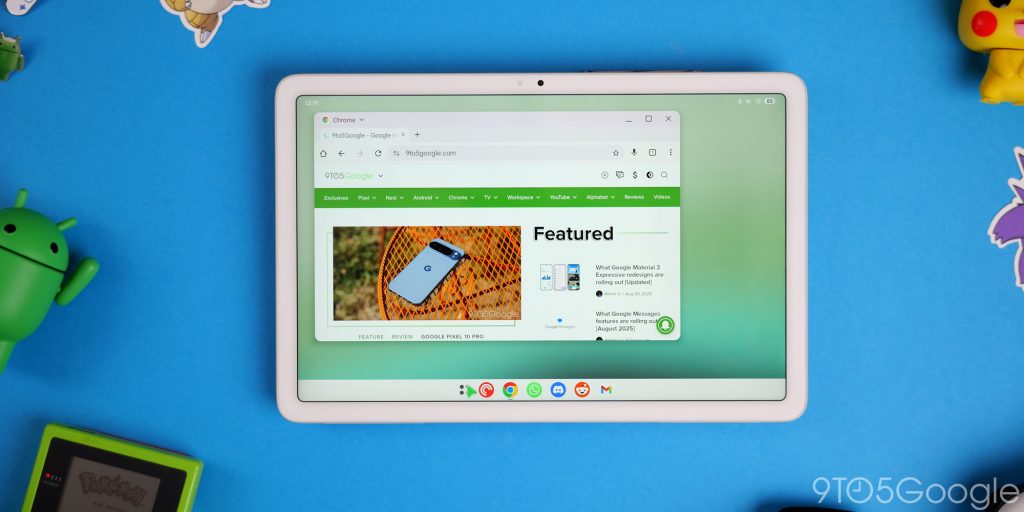
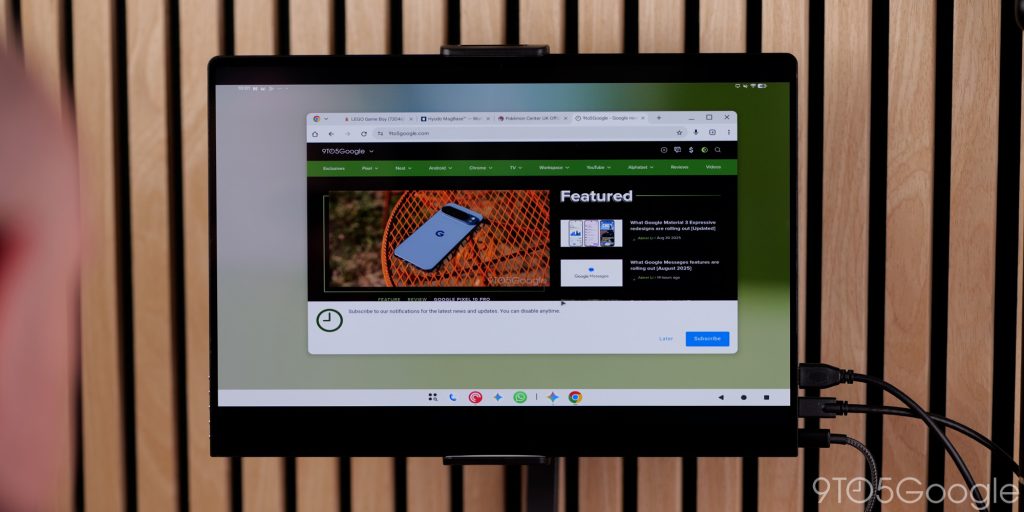
If this is just an extension of what we use on our phones, there needs to be more work done to make sure that someone forgoing a Windows or Mac laptop is catered for, surely?
Like a ton of fans and analysts, I thought to myself that Chrome OS is fine, and it makes much more sense to just expand Chromebooks’ capabilities. This feels like a weird play to merge the two operating systems – something we’ve been expecting for a while.
Maybe, though, I’m thinking about this from the wrong position.
Firstly, Chrome OS is solid, but it hasn’t evolved, and the gloss has dulled in recent years. Android is a trusted operating system. It’s Google’s flagship operating system, and Android’s brand awareness still trumps Chrome OS’s. A lot of the younger generation associate Chrome OS and Chromebooks with cheap, plastic shells and, let’s be honest, poor performance due to the underpowered hardware.
I’m old. I like a desktop to be a desktop. The thing I’ve grown up with since the mid-1990s. I didn’t see a smartphone until I was in my 20s. The younger generation is very different. Gen Z has grown up in an era of mobile apps. Most young people are phone-first, and that has sort of become the norm for the vast majority of the planet. Because of that, there is no doubt a big portion of the buying public that simply do not care what form their laptop OS takes, so long as you can access the apps like TikTok, Instagram, Snapchat, etc., without needing to jump through hoops.
I can 100% see how someone who uses an app like CapCut on their phone would take to an Android-based OS on a laptop with zero friction. Even so, the idea that you can get “work” done on a phone feels so at odds with my millennial brain that I needed to process just how anyone could or would want such a device.
Again, I now know I’m not the target market for Googlebooks. I’m merely someone who cares about Android, and this is an expansion of the OS into a new form factor, hence my initial “worries.”
I should be thinking about this more positively. More work on Android for more form factors is something we’ve been dreaming of, and a Googlebook just enhances that, surely?
Weak messages for a potentially strong product
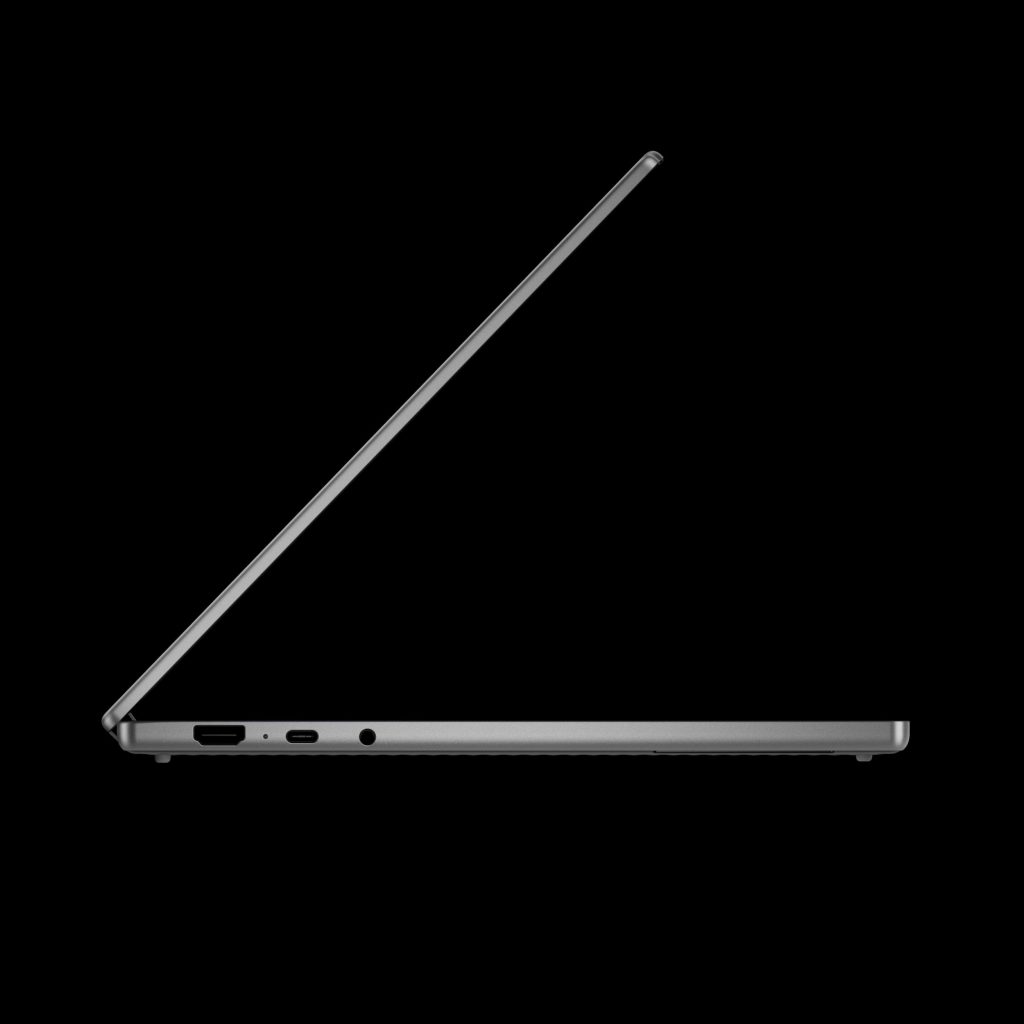
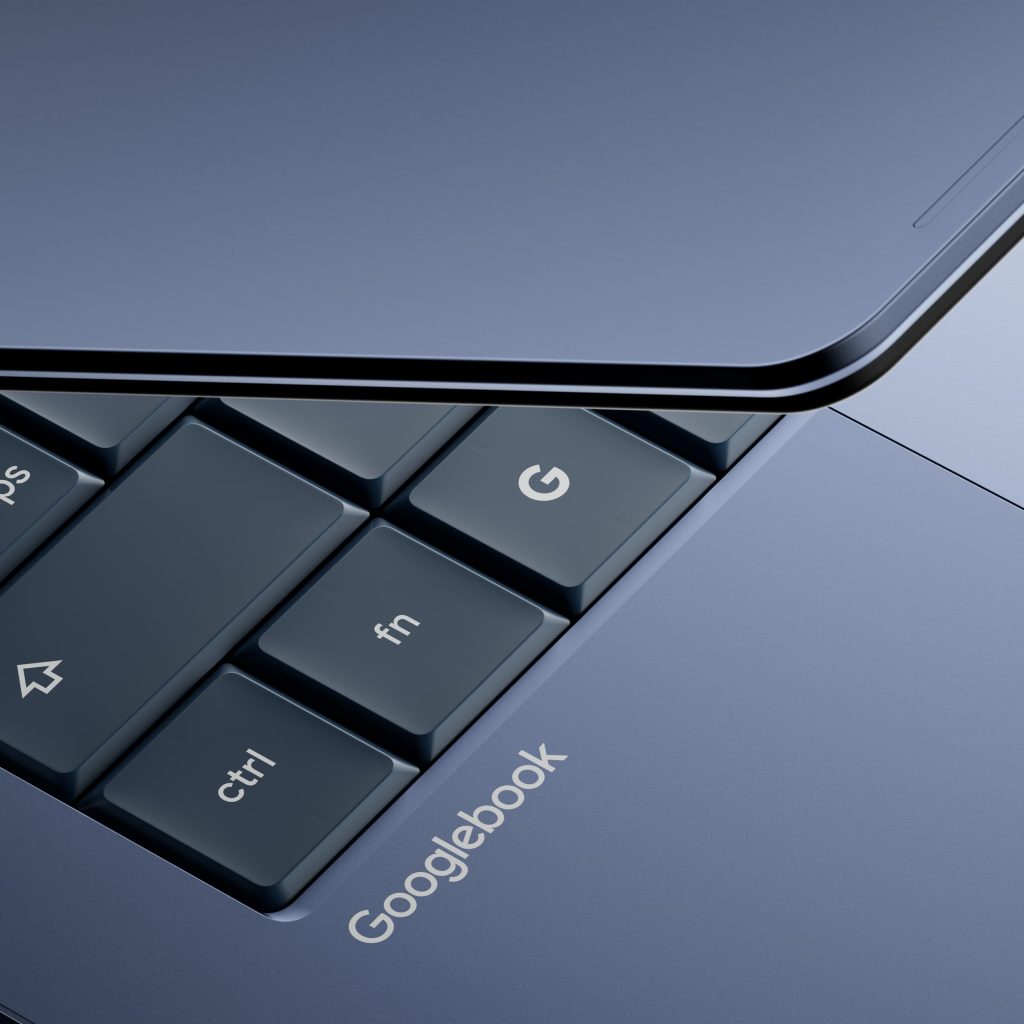
Maybe Google could have communicated what the Googlebook will do for 95% of the people who end up buying one, or at least indicated that the announcement during the Android Show was a tease more than a working product. After all, we only had a glimpse of some admittedly minor features, what looks like a reference laptop, and little else.
Not many laptop or PC makers would do the same. They’d more likely tease the hardware and let speculation do the heavy lifting. However, Android on laptops is a brand new frontier. That means we’re working with the known quantity of Android on phones and tablets, then trying to fit that to our expectations of a modern laptop.
At a time when people are starting to look beyond Windows or Mac, just having another option might be enough. After all, not everyone wants those operating systems. You get comfortable with what you enjoy, plus given that a few billion people love and use Android, there are bound to be people who will prefer an Android laptop over a Chromebook.
Maybe one of the nice additions for people is the ability to run Linux on this form factor. That might be enticing to anyone wanting to run a Linux terminal at any stage. Maybe there will be room for experimentation, development work, and the wealth of solid Linux distros could be opened up to Googlebooks pretty darn quickly because Android has been improving that experience drastically over time. As a Linux gamer, I’d love to see it become an even more integral part of the experience in the next few years. Plus, it could reopen the door shut by “gaming Chromebooks.”
Making software we want with the software we need
Android has all the big players, all the most used applications, but no matter how it’s sugarcoated: there is still a potential “app gap.”
Phone and tablet apps are very different to use versus a desktop application. Then again, if Google can update Chrome to match the Chromebook experience, that would be a major step forward for Android devices. Without certain creative packages, it’s unlikely someone would switch from Windows or Mac, but does that really matter? I feel like even I have overblown this “issue” somewhat because of my preconceived notions of what a “laptop” should be.
Lots of us Adobe Suite users have arguably been part of the problem because it’s expected that Photoshop, Premiere, Lightroom, and more are “needed,” but the truth is that billions of people have no need for these tools. It would be a huge boon if Google were able to court Adobe or even someone like Affinity to port applications over, as that would change the complexion of the market so drastically in ways the Chromebook never really could.
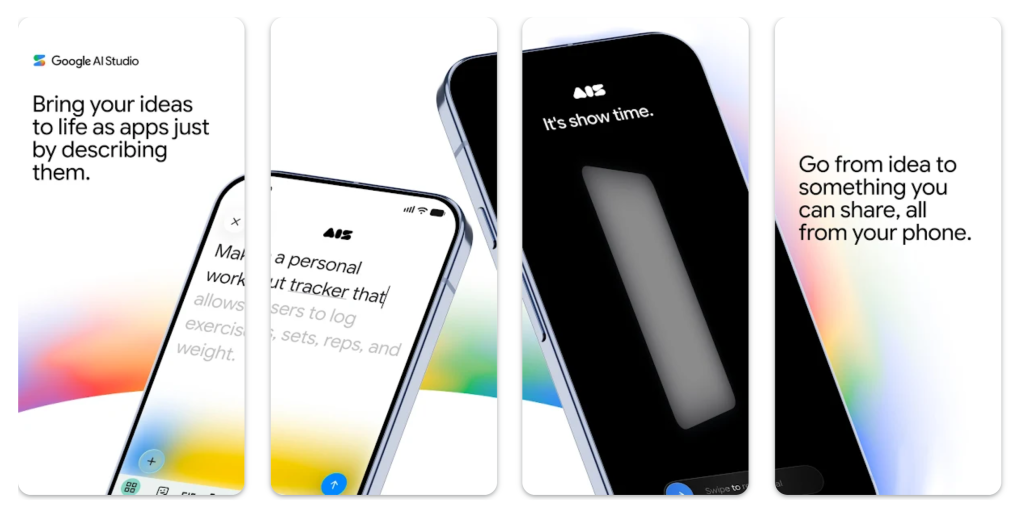
During the Android Show and subsequent IO 2026 keynote, generative AI played yet another key part in the discussion.
Vibe coding with tools like AI Studio and Anti-gravity might be a solution to the software chasm that exists today. Generative apps, widgets, and services could be a way to differentiate Googlebooks against the competition. As a lapsed programmer and someone who actively hated doing so, being able to build my own unique mini-apps and tools has been a real game-changer over the past 12-18 months.
Google needs to lean into this a little more as a Googlebook might be the blank canvas for creativity in ways we hadn’t expected. Build your own tool and get a tailored OS that simply doesn’t exist outside of Linux distros.
Less AI cursor and more building, and we could have something truly special on our hands.
Building brand awareness
One side of this that stands out most is that almost every other major tech brand that manufactures a laptop has its own “equivalent” product. Having a laptop with Google branding makes sense.
It helps that Android is arguably Google’s biggest software success story away from a browser. It is the world’s biggest mobile operating system. An operating system that spans thousands of form factors, already, what’s another added to that extensive list?
Knee-jerk reactions aside, there are major reasons that Googlebooks can be viable. I, like you, might not be the person this new lineup is aimed at, and that’s absolutely fine. Just show me some hardware soon, please, Google, because after thinking about it, I’m now excited for what’s to come.
Follow Damien: Threads, Bluesky, Instagram


FTC: We use income earning auto affiliate links. More.


Comments