
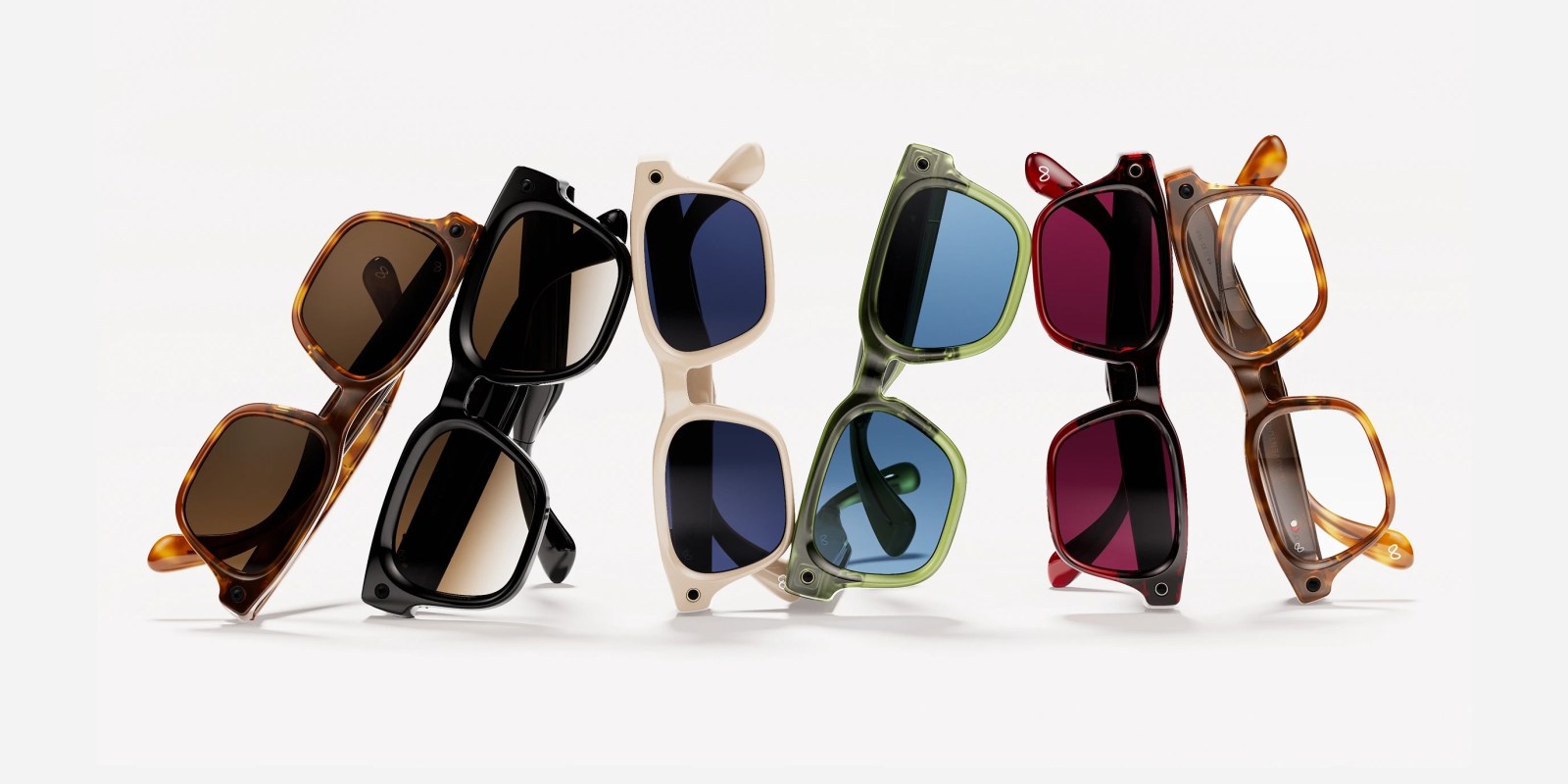
In a case of hilarious timing – you know, in a dystopian kind of way – a new report details Meta’s forthcoming “super sensing” smart glasses that would have microphones and cameras that are constantly active, right as the company has fixed a glaring privacy problem with existing models.
Meta Ray-Ban smart glasses have developed a reputation in the past year of being used for invasive and nefarious means, as bad actors were modifying the glasses so that their built-in privacy light would be disabled and no longer activate when the camera is active.
A mandatory update is now rolling out which addresses this problem.
But it comes right as a new report details Meta’s plans for “super sensing” smart glasses that have microphones and a camera that are constantly on. Financial Times details the new model, which has been previously reported on, which would apparently not turn on a privacy light when the camera is active.
The report says:
However, executives are currently planning not to activate the LED when the super-sensing features are being used, according to multiple people familiar with the matter. That would make it harder for bystanders to know when they were being recorded, potentially intensifying the privacy concerns surrounding the technology. Those plans could still change, however, several people said.
It’s also mentioned that these super-sensing features might even come to existing models at some point. The “always-on” nature wouldn’t necessarily be full video, but pictures taken “every few seconds.” Based on the report, the privacy light wouldn’t be used for always-on captures rather than active captures and recordings.
In a policy paper in 2025 referenced in the report, Meta said:
If the LED blinked for extended periods at a time (like whenever there was an AI interaction), people could stop noticing it — reducing the awareness of when photos or videos are being captured by users to have for later.
What is all this data used for?
Apparently, Meta is planning to feed raw materials directly into AI models, not making those recordings accessible to the user or even Meta itself, using that to recall their day or get answers from AI regarding what they’ve seen or heard. Google previously showed a demo where Gemini could recall where something was in the room after seeing it during a “Live” conversation – though that wasn’t shown to be an always-on system, but rather an active discussion between a user and the AI models.
More on Smart Glasses:
- Leaked videos show Galaxy Glasses including Meta Ray-Ban-like design, controls, etc
- Qualcomm unveils Snapdragon Reality Elite for XR & START to simplify glass development
- Meta slaps a premium subscription on an existing smart glasses feature
Follow Ben: Twitter/X, Threads, Bluesky, and Instagram


FTC: We use income earning auto affiliate links. More.


Comments