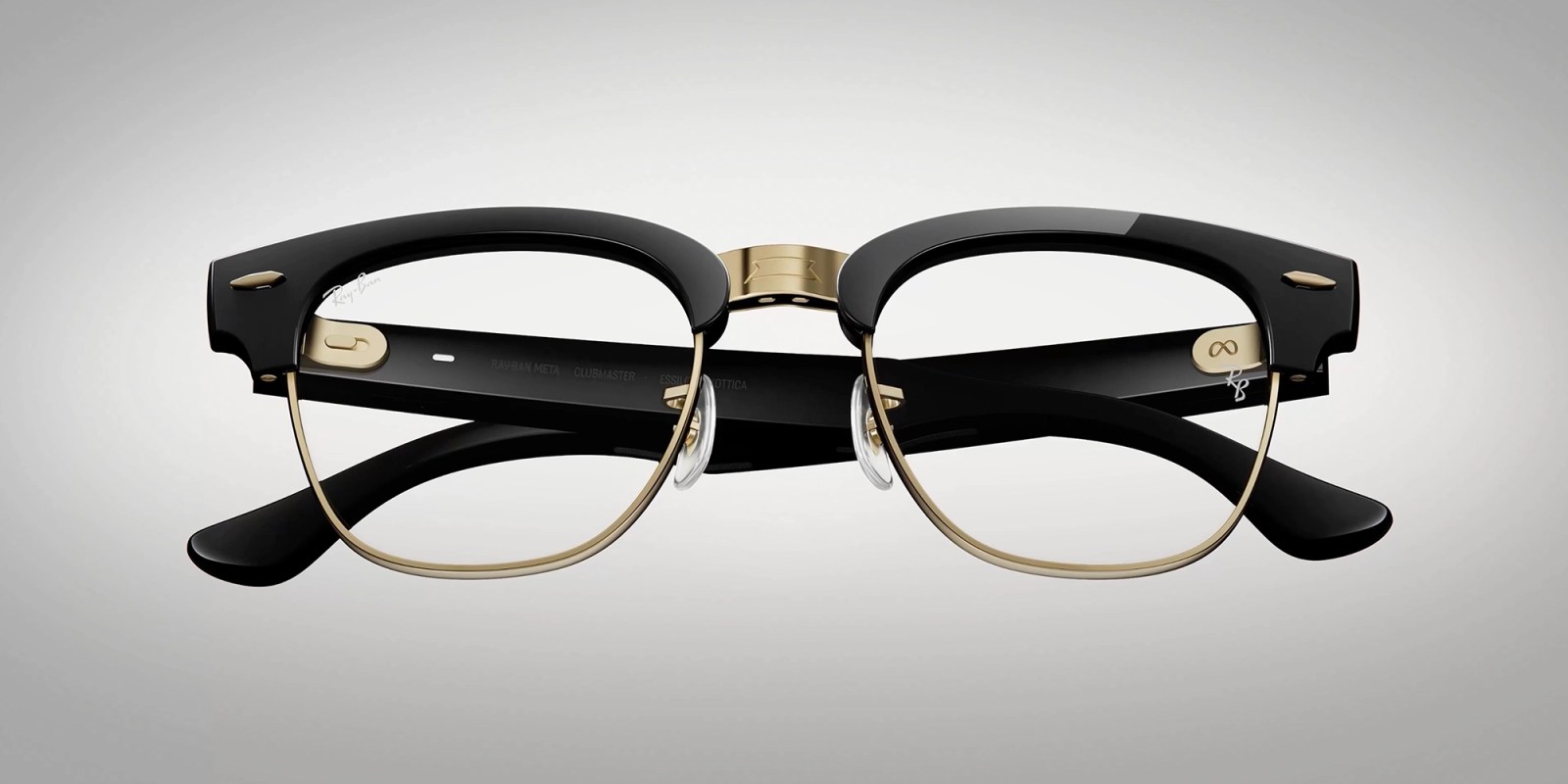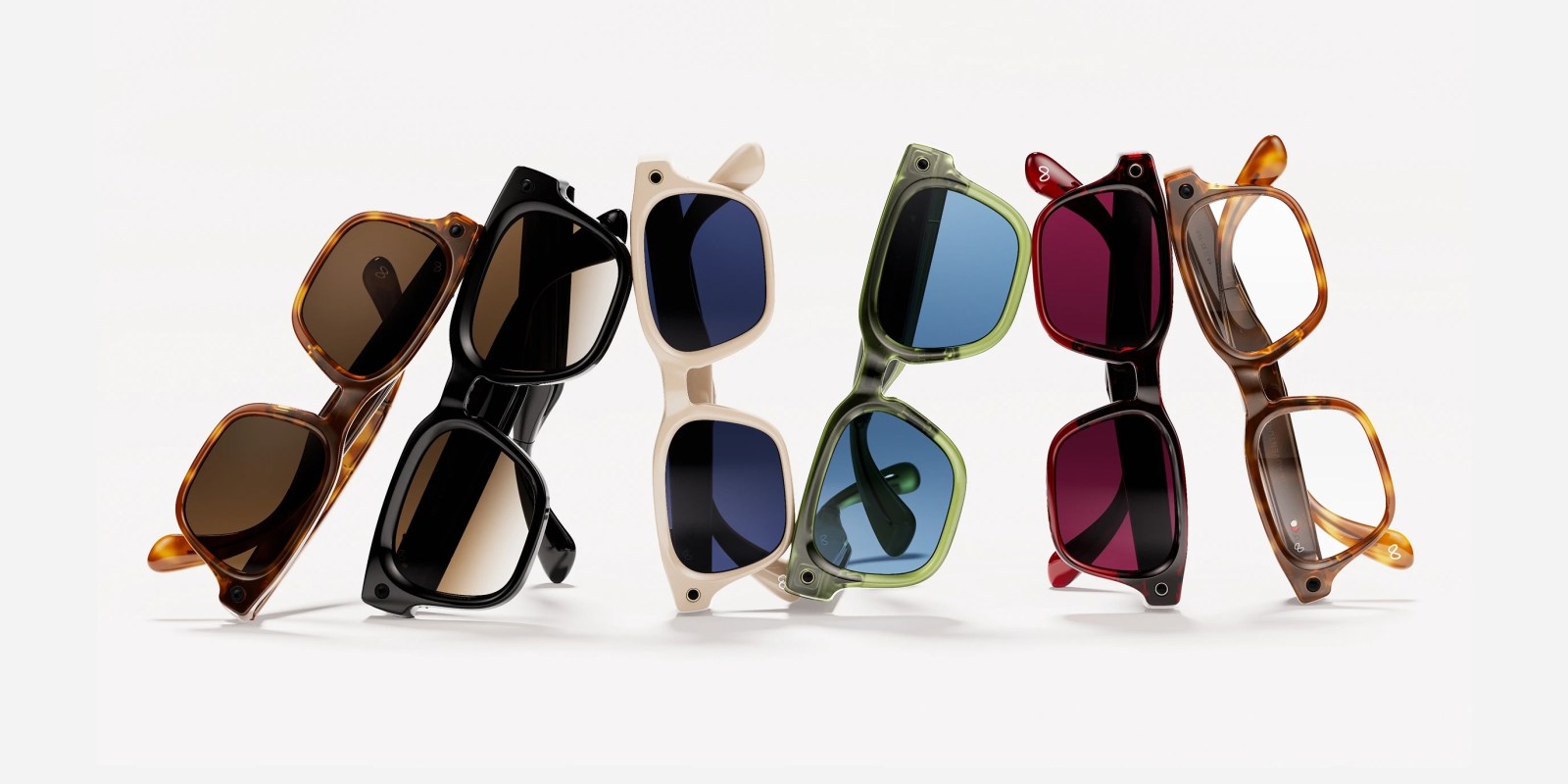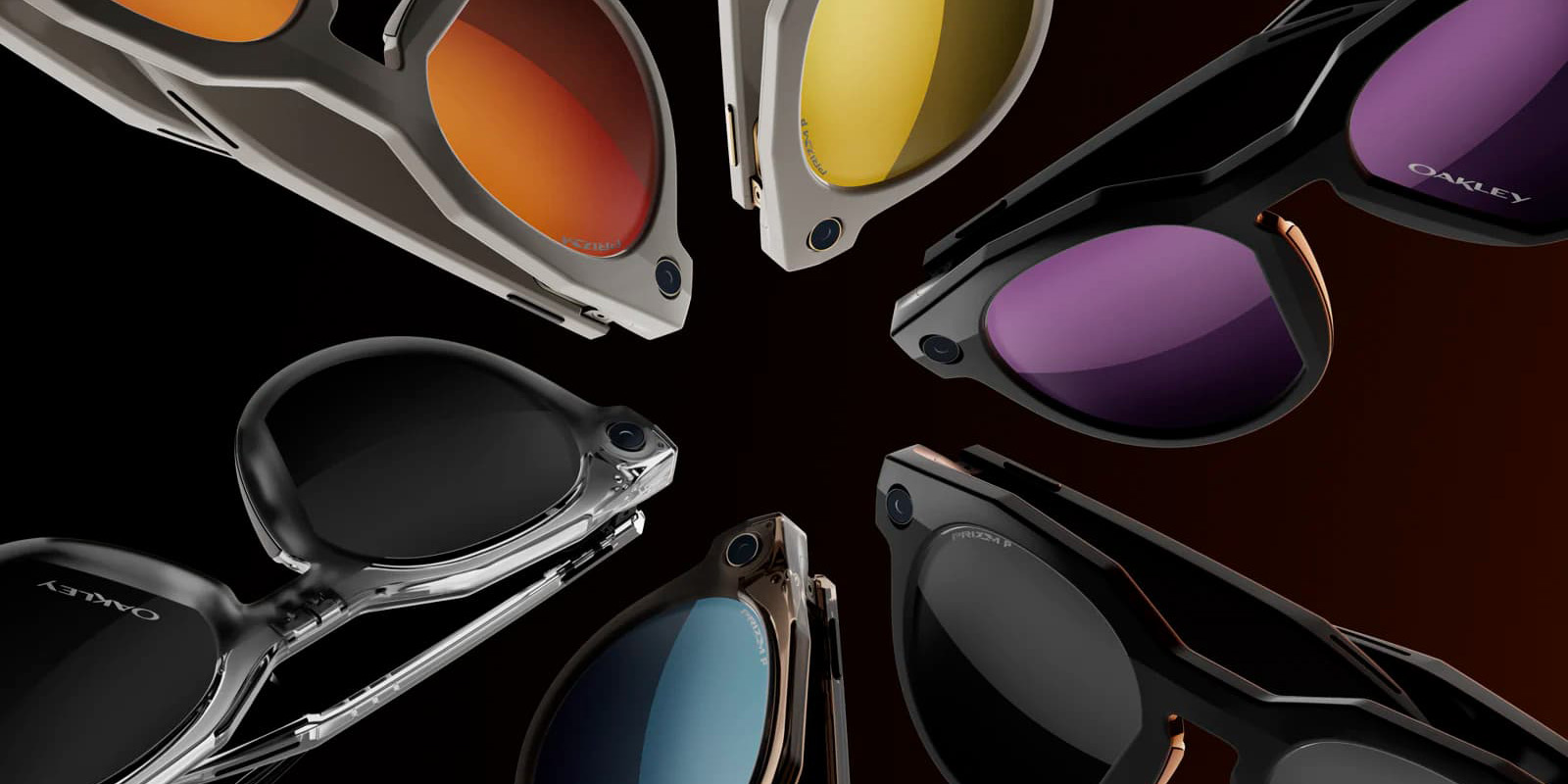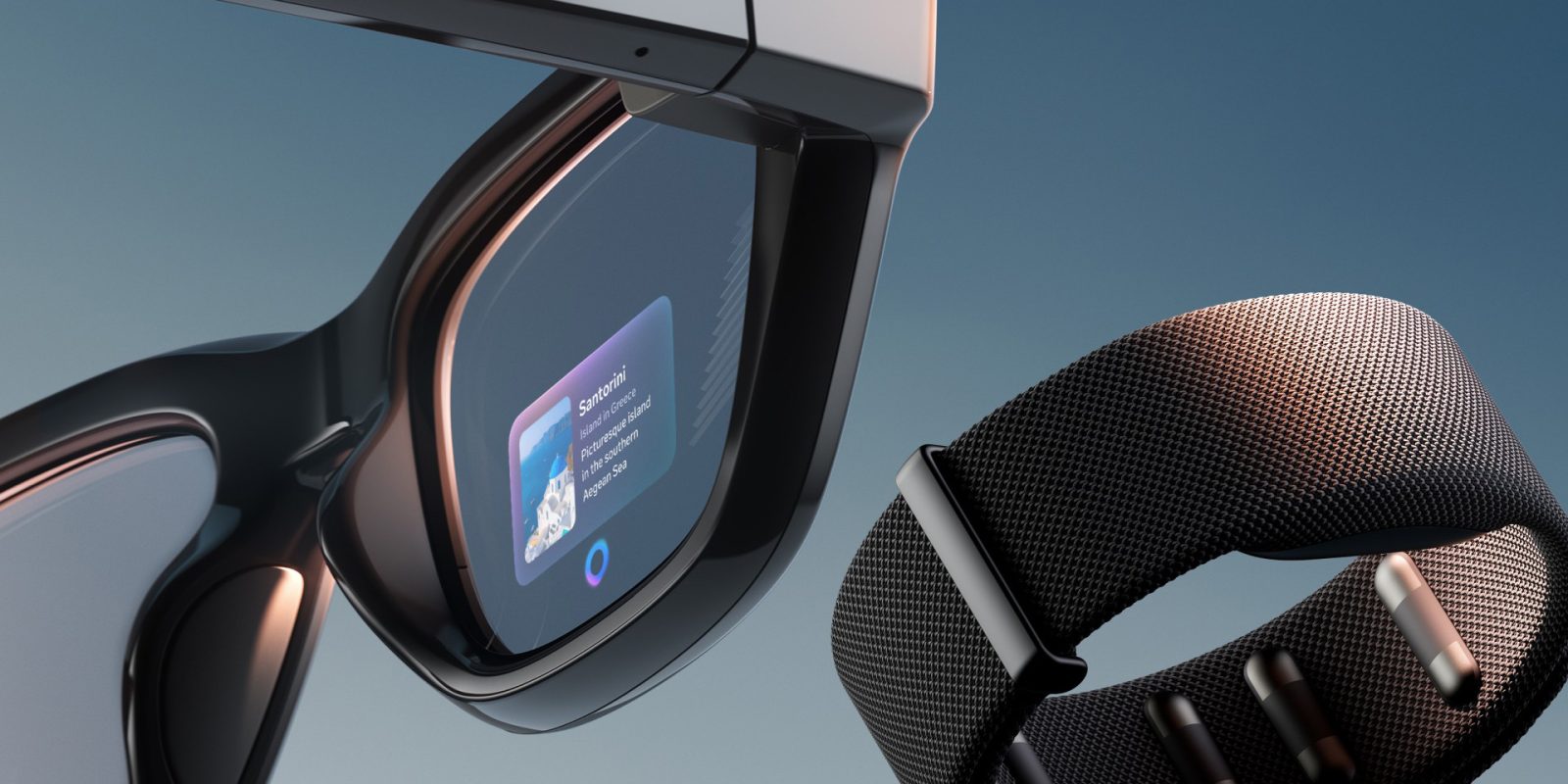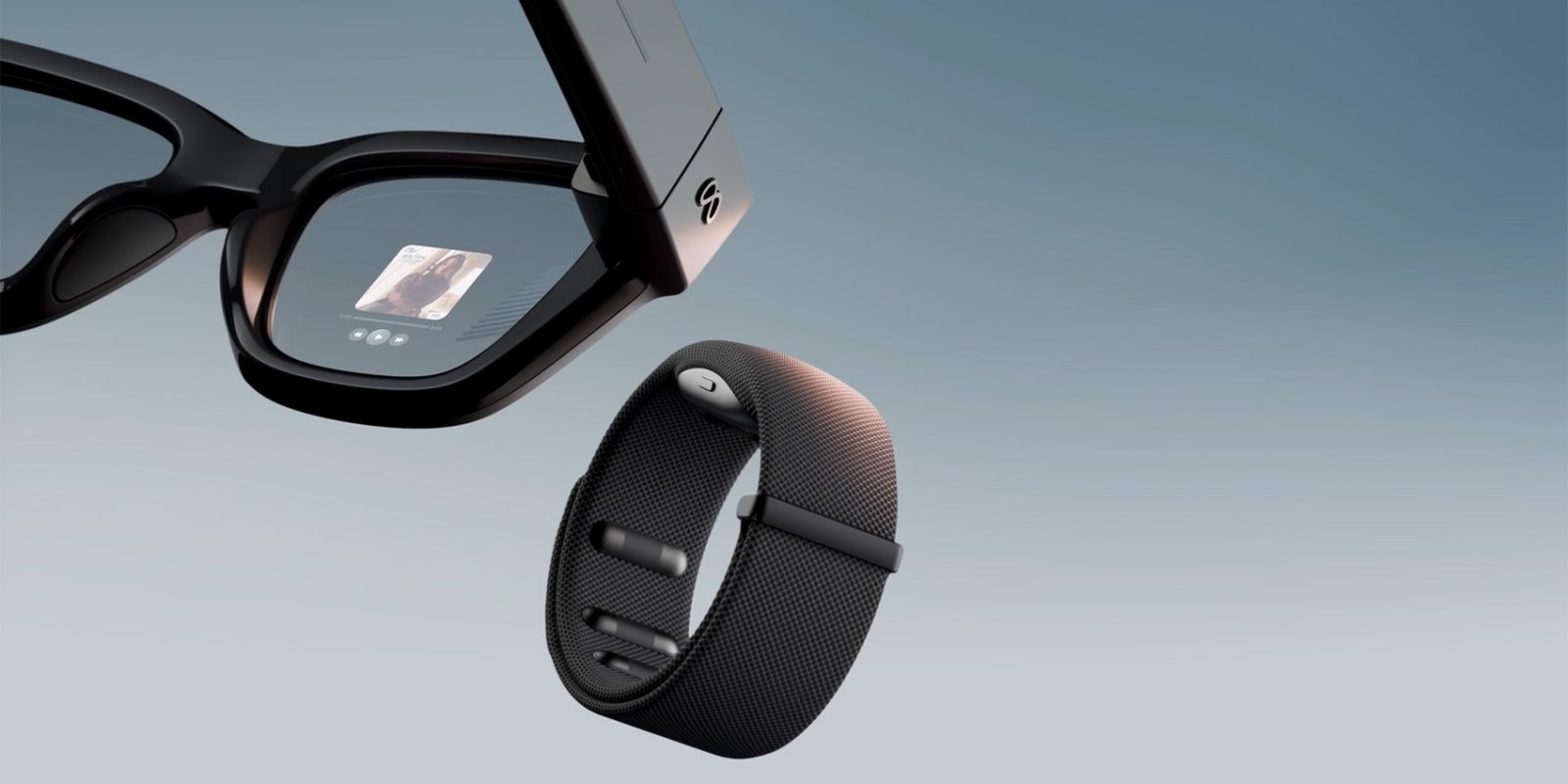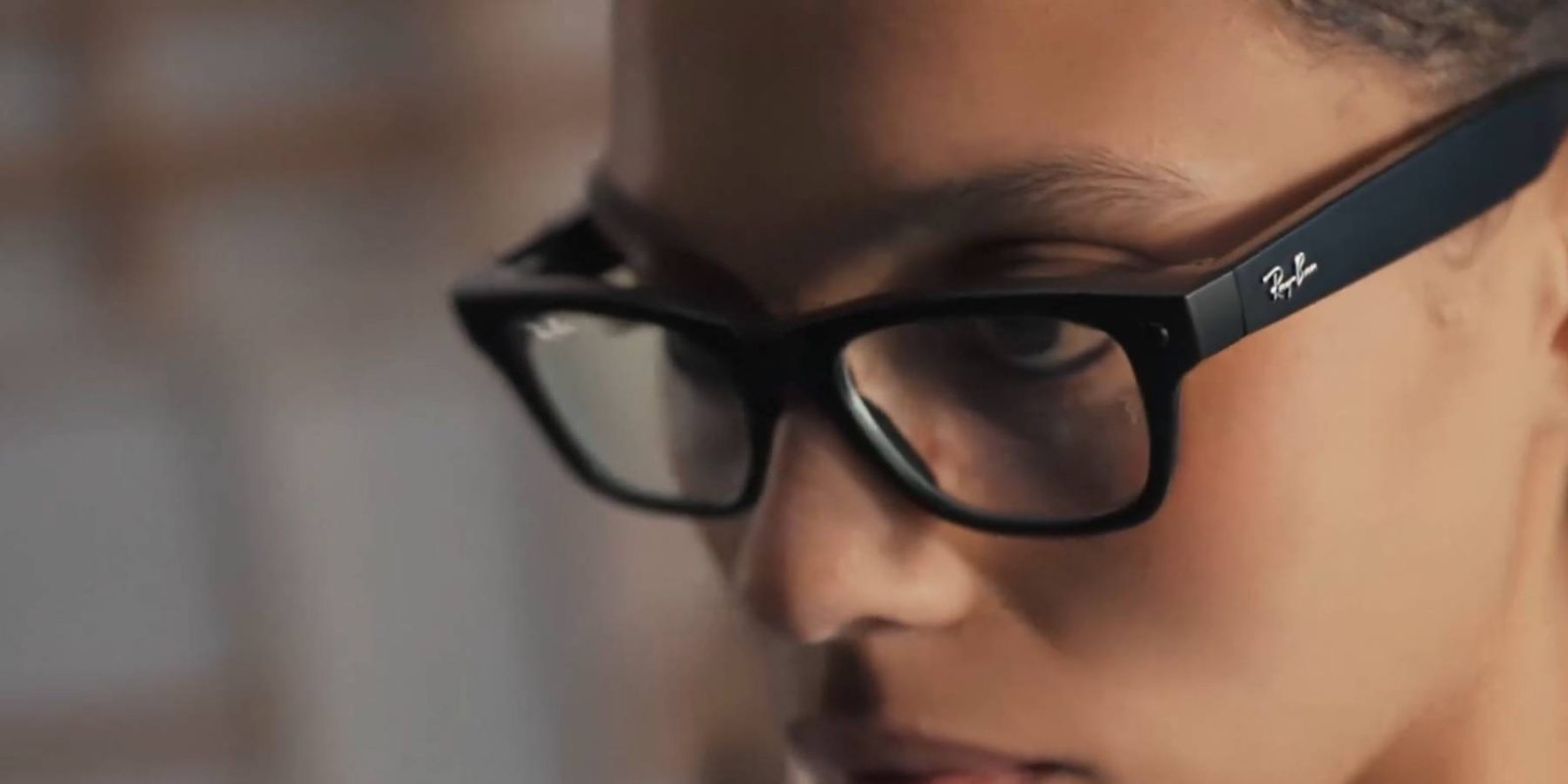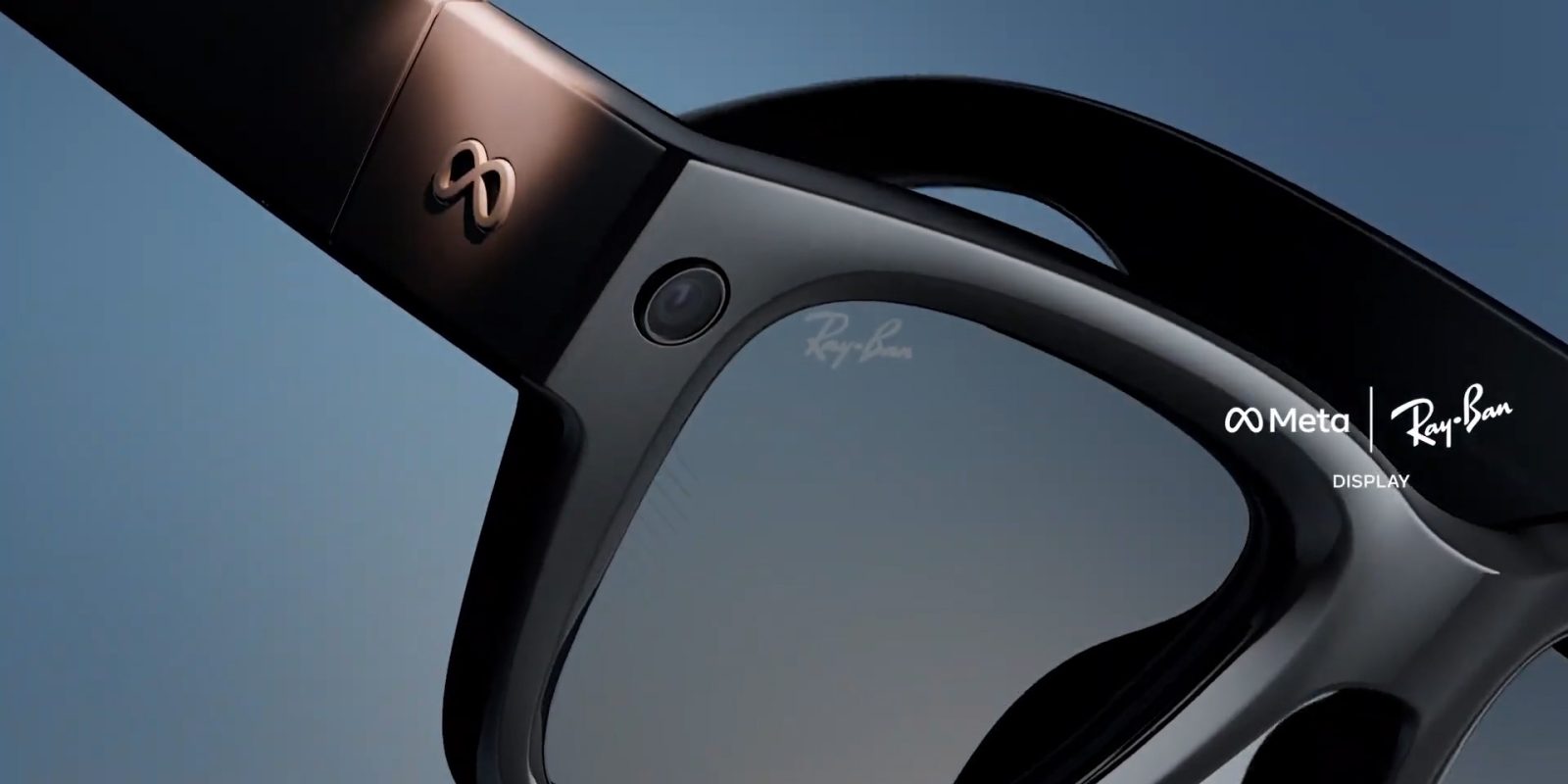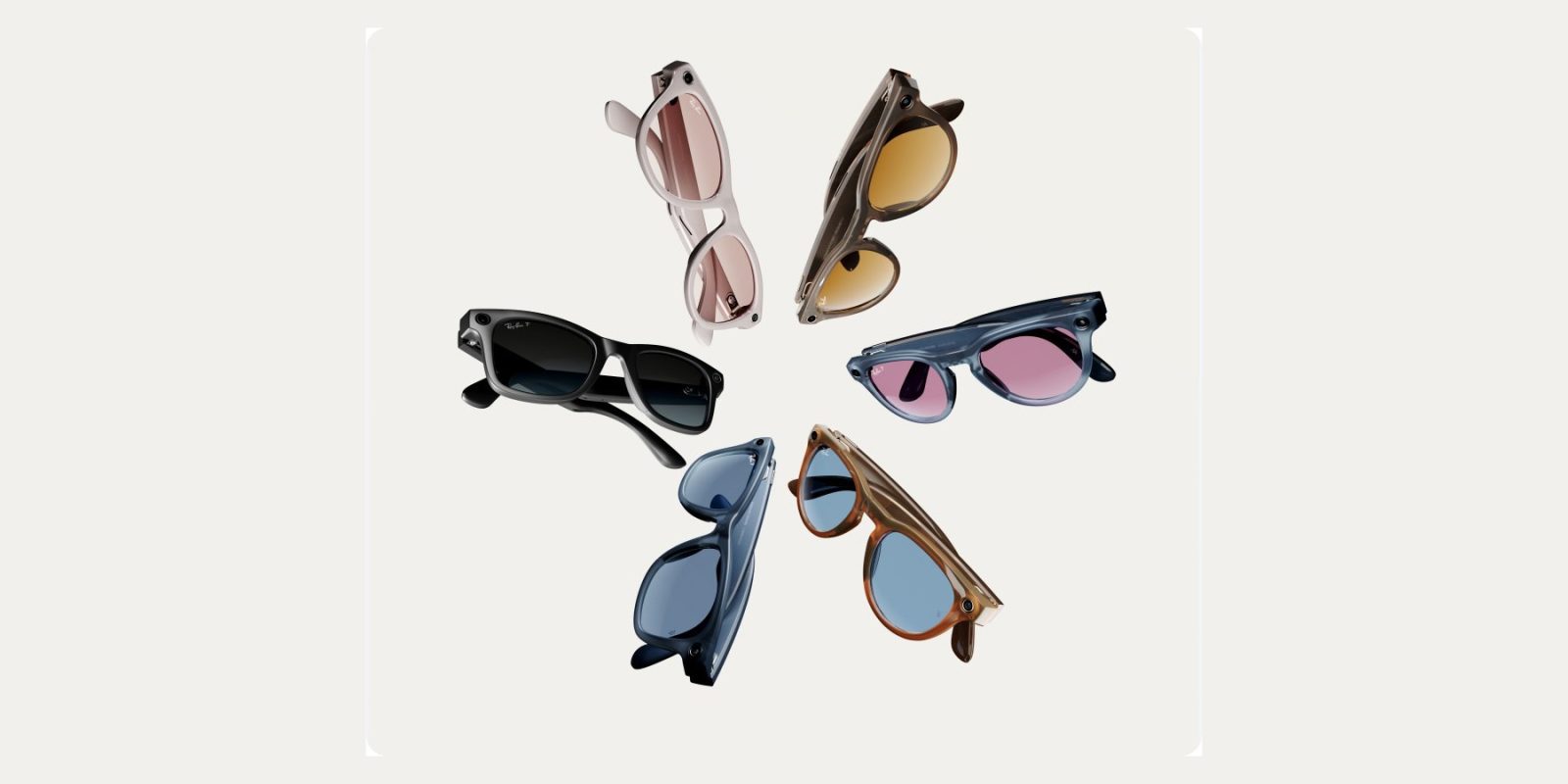
Meta today introduced its new Ray-Ban Meta (Gen 3) smart glasses with a slimmer design and longer battery life alongside a new audio-only lineup, and a new $250 entry-level release.
There’s been a near-constant stream of backlash against Meta’s Ray-Ban smart glasses in recent months, but that hasn’t stopped people from buying them, as a new report reveals that shipments have grown by over 250%.
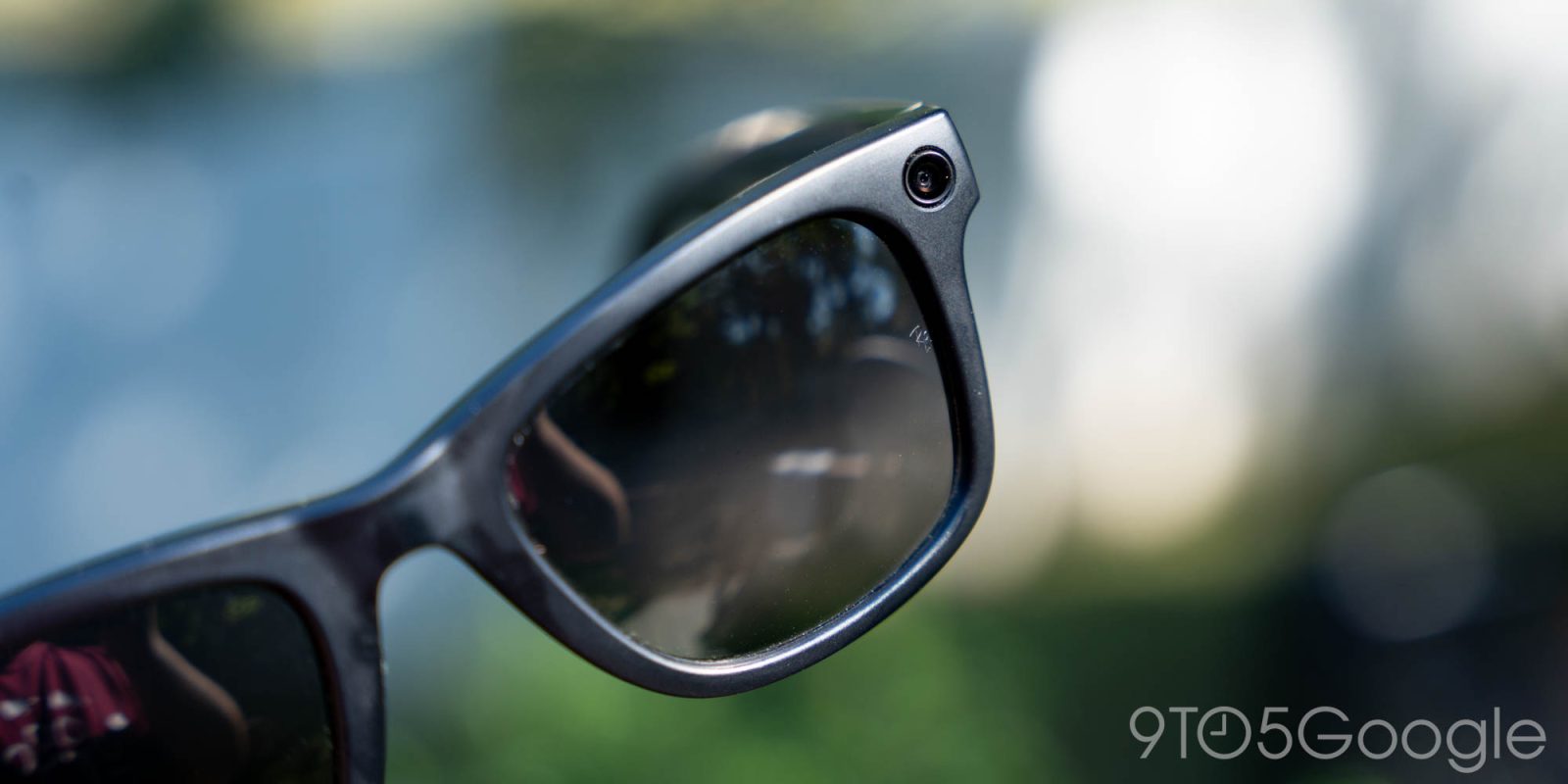
Smart glasses are such a logical, futuristic step in mobile tech, and it’s one we’re on the cusp of being able to embrace. Yet, there’s a huge hurdle to overcome. For as useful and enjoyable as it is, the camera on smart glasses has become a massive problem, and it’s basically ruined existing smart glasses for me personally.
9to5Google Weekender by Ben Schoon is a part of our free newsletter that also includes ‘Inbox,’ a twice-weekly roundup of key stories from around the web by Daniel Bader. Sign up here to get Weekender delivered to your inbox every Sunday along with ‘Inbox’ on Tuesday and Thursday. You can find past issues here.
Meta continues to crack down on malicious users disabling the privacy LED on its Ray-Ban smart glasses, this time focusing on the most obvious loophole out there.
In a case of hilarious timing – you know, in a dystopian kind of way – a new report details Meta’s forthcoming “super sensing” smart glasses that would have microphones and cameras that are constantly active, right as the company has fixed a glaring privacy problem with existing models.
Smart glasses with a camera are inherently a privacy nightmare, but Meta’s Ray-Ban glasses (and now its self-branded ones) have a privacy light to indicate when that camera is active. To thwart those who try to get around that indicator, Meta’s smart glasses will now disable the camera entirely if the privacy light is destroyed or tampered with.
Meta will charge glasses users $20/month for a new Meta One Premium subscription, and one of the first features to get locked down is “Conversation Focus.”
A new report indicates the Meta Ray-Ban companion app is capable of face recognition and is designed to identify users from images and videos taken on its paired smart glasses.
As Meta continues to double down on smart glasses, the company is apparently gearing up to launch a pair of Ray-Ban smart glasses that are specifically designed for those who already wear prescription glasses.
Meta is rolling out another software update for its Ray-Ban and Oakley smart glasses, this time with improvements for snow sports as well as translation, and a voice command experience that sounds a lot like Gemini Live.
After launching its next-gen series, Meta is now testing out the option to trade in a previous model for a new pair of Ray-Ban or Oakley smart glasses.
Meta is launching a sequel to its Ray-Ban smart glasses – the ones without a display – to double battery life as well as improve video resolution with 3K video output, but with a higher price tag.
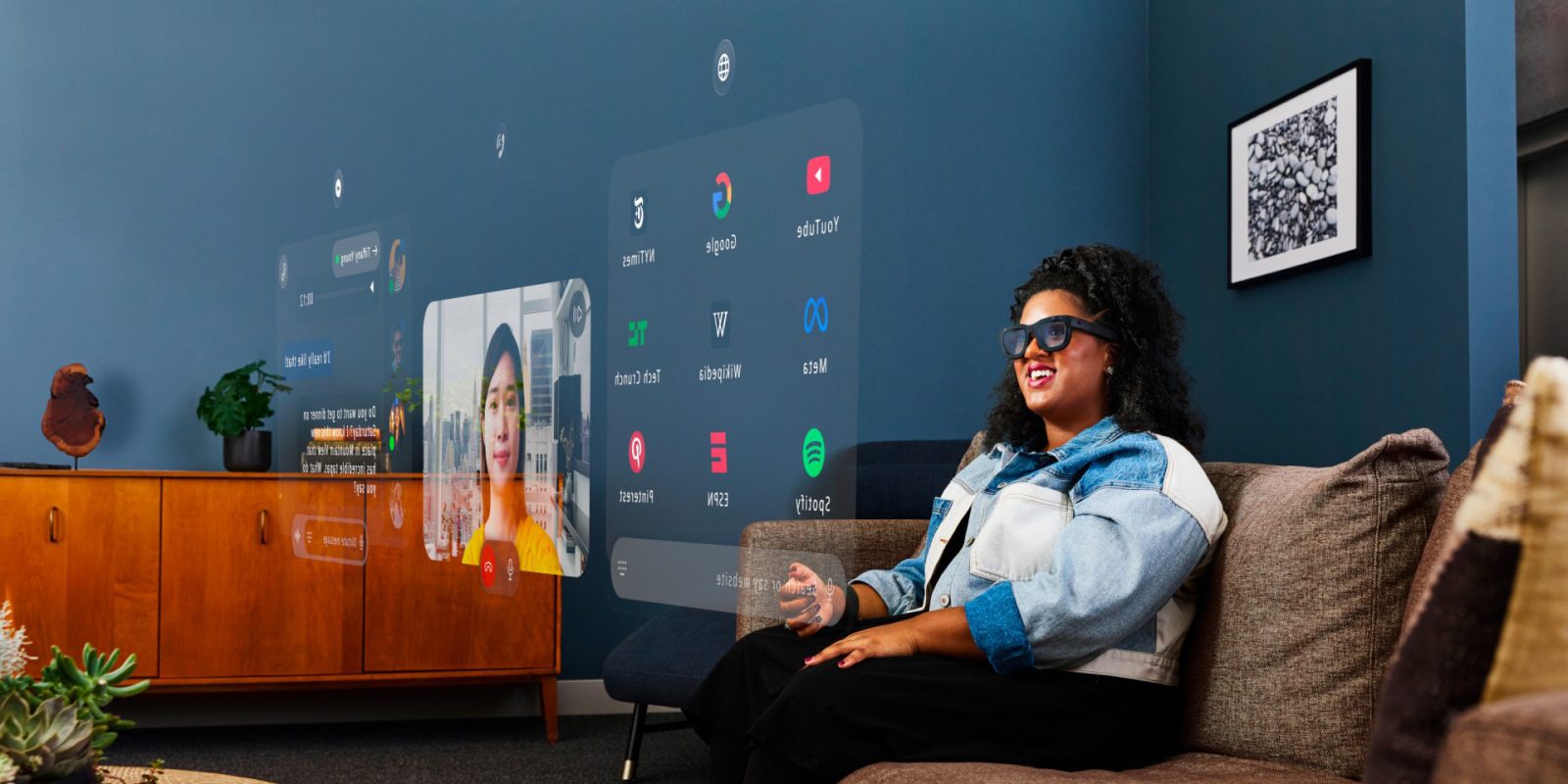
The smart glasses revolution is coming, with Meta reportedly planning to launch its first pair with a display later this year with Android at its core.
A new report claims that Meta’s next Ray-Ban smart glasses will be adopting a display of some sort, right as Google and Samsung are pushing for Android XR to do the same.
Meta has announced a new software update for its Ray-Ban smart glasses which will add “Live AI,” a feature that can use a video feed to gather context for questions, similarly to Google’s Project Astra.
Today during its Meta Connect event, Meta announced further expansions into augmented and mixed reality through updates to the Ray-Ban Meta smart glasses, a new and more affordable Meta Quest 3S VR headset, and a first look at new “Orion” AR glasses.