
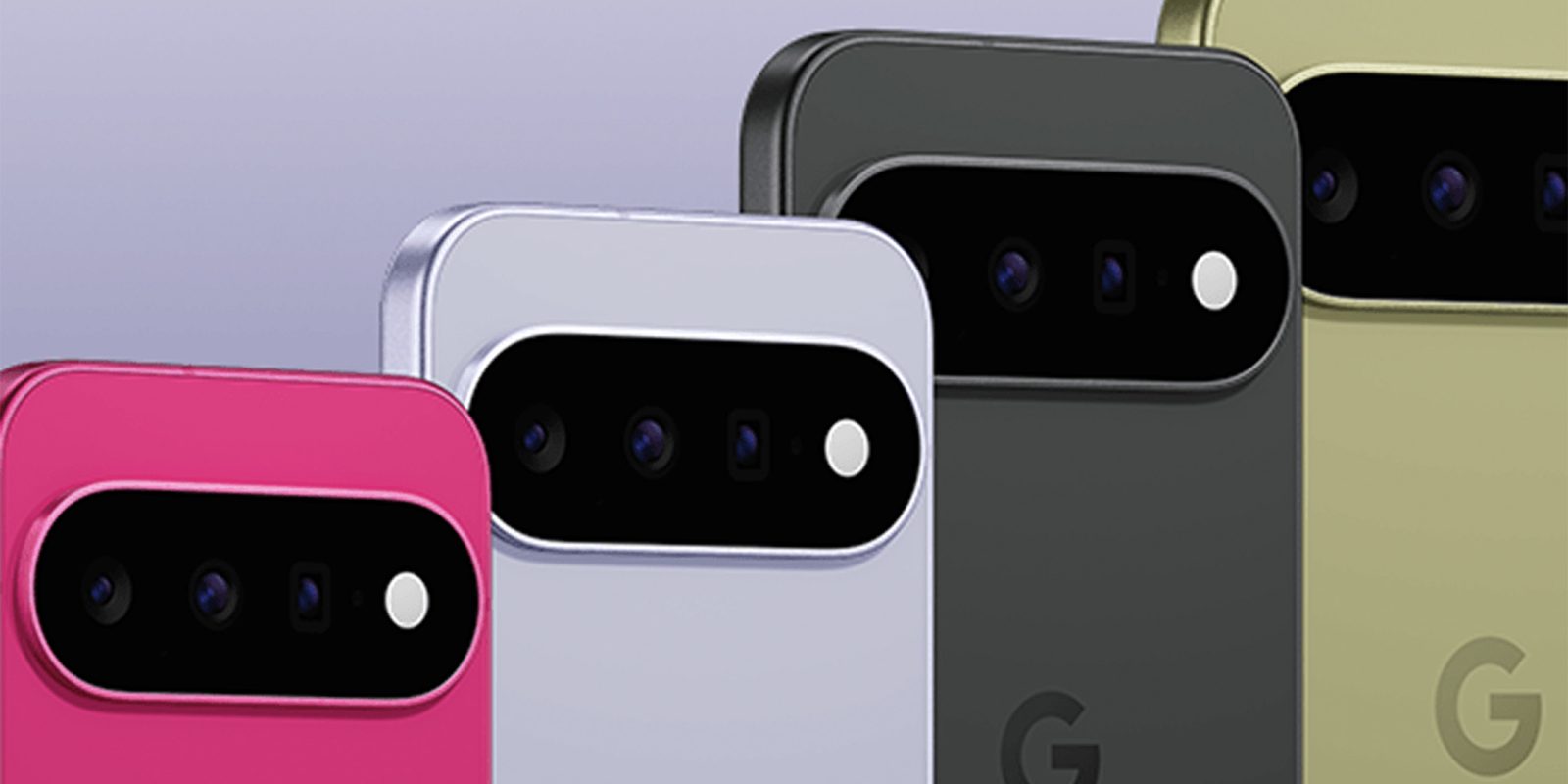
As is customary, we already know a ton about Google’s latest smartphone series before it officially launches. The last-minute leaks are seriously piling up for the Pixel 11 — here’s everything you need to know.
Table of contents
For more video content, subscribe to 9to5Google on YouTube.
Devices
You don’t really need us to tell you what is coming; the leaks and previous generations have told us what to expect. The lineup for 2026 will consist of the base Pixel 11, Pixel 11 Pro, Pixel 11 Pro XL, and Pixel 11 Pro Fold.


We’re also getting the Pixel Watch 5 in 41mm and 45mm sizes. There will be a new Pixel Buds Pro 2 in a new colorway, but the surprise package is the Pixel Tag. This is Google’s maiden attempt at a first-party Android tracker.
That is the only shock inclusion, as it managed to stay almost hidden until recent leaks showed it was indeed finally coming to fruition.
Design
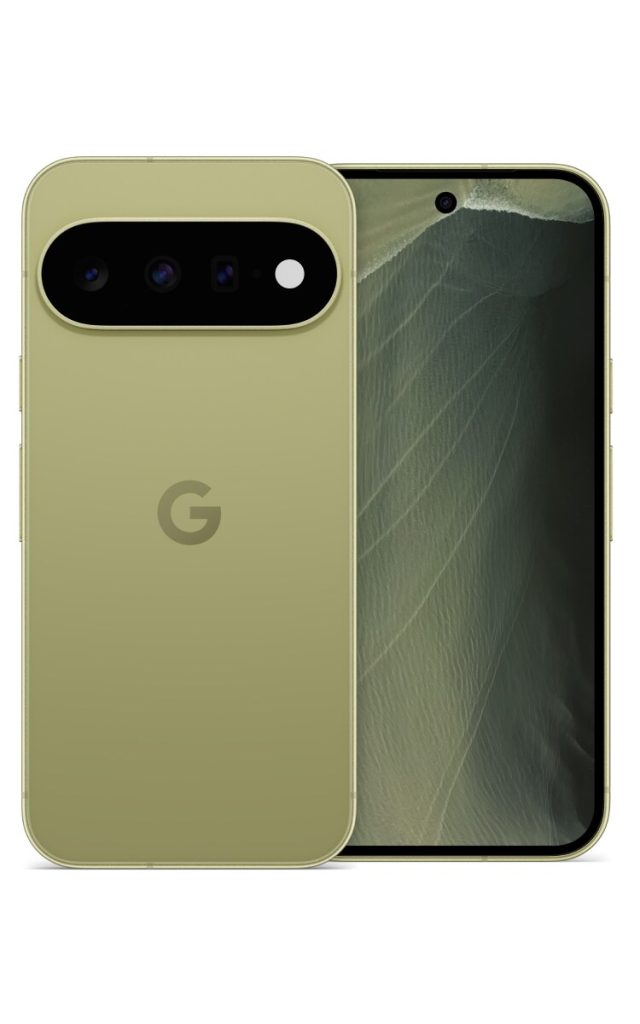
Third time’s a charm, as they say, because the Pixel 11 is yet another retread of the Pixel 9. These devices will have almost identical footprints and very minimal changes.
It looks like the phones will be a fraction thinner by a few millimeters. This could make some cases incompatible, but the camera bar is likely the cause of this change. We’ll test this out when we have devices in hand, as you could technically use cases last year with some caveats.
While none of the changes are “major,” there are some tweaks and refinements to the camera bar. It no longer has the metal portion on the right side. The entire visor area is glass once again. It’s a return to the Pixel 6 camera bar, and like that phone, there is no room for a temperature sensor on the Pro models. It’s getting fully ditched this year.
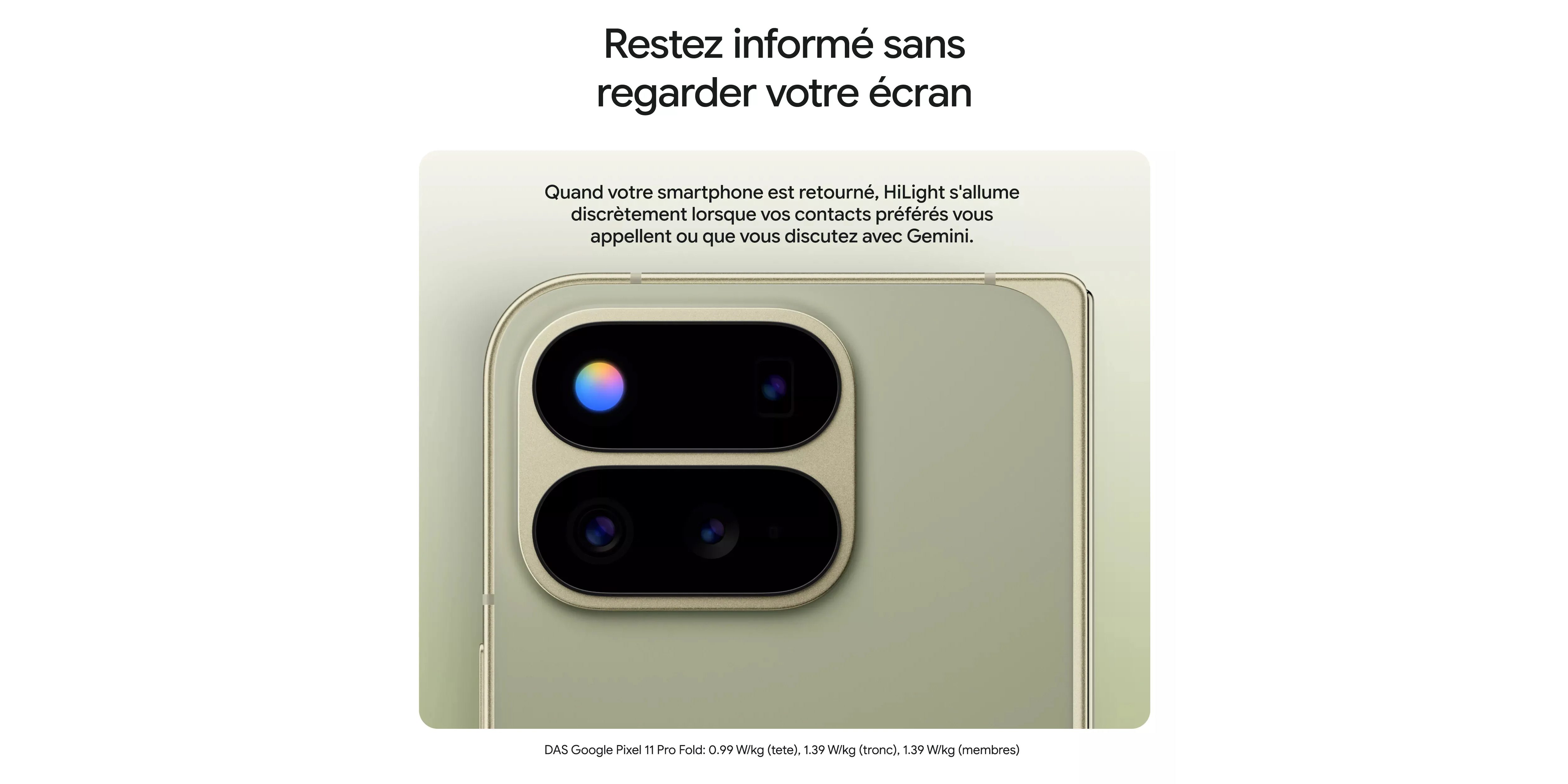
On the Pixel 11 Pro and Pro Fold, the LED flash is going to double as an RGB light. We’re not sure what it will do, but it’s going to have more functions.
Colors
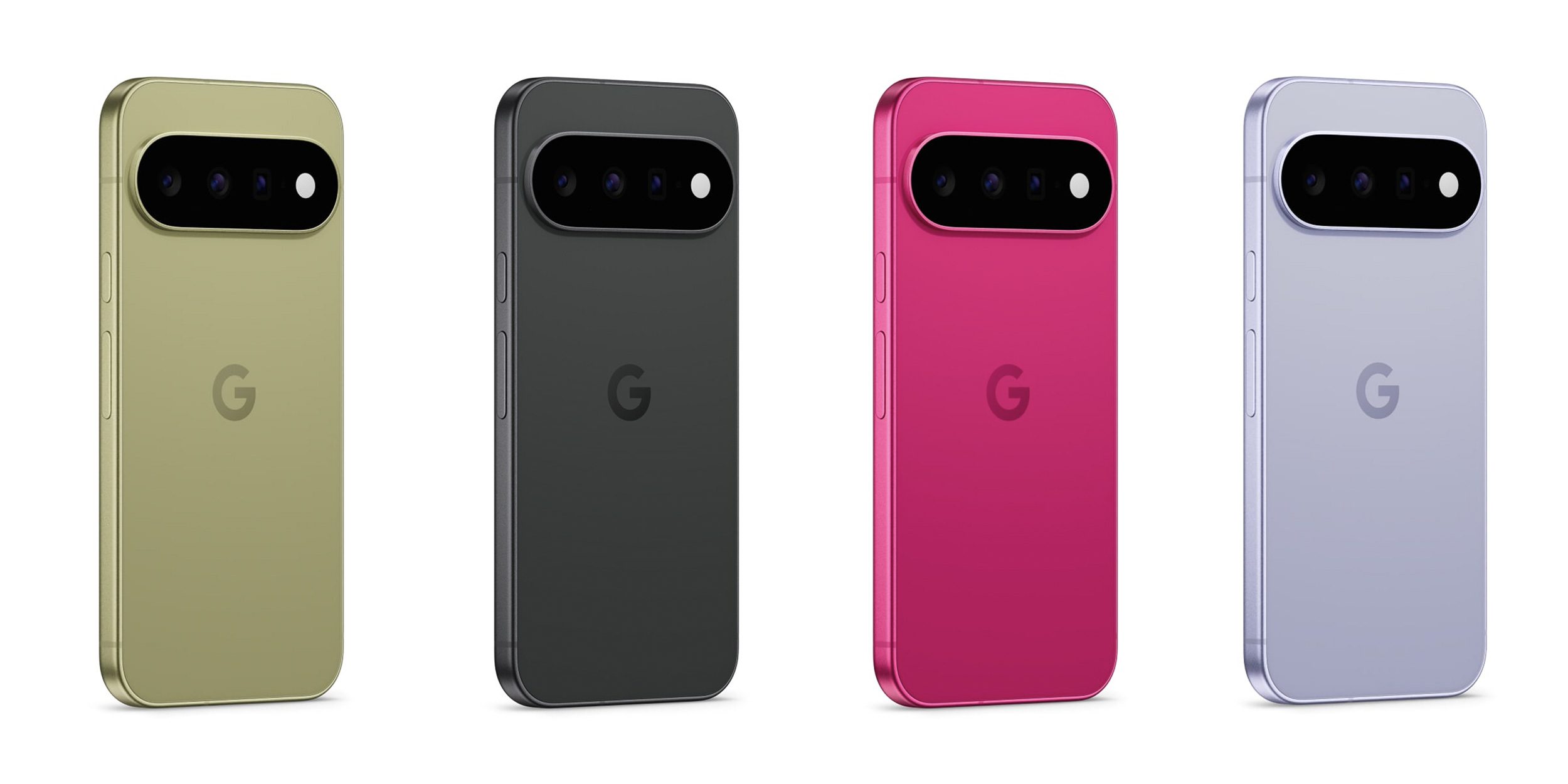
Colors remain a point of discussion for the Pixel lineup, as Google continues to offer more playful finishes for the base model while keeping the Pro series somewhat more reserved, though this year features a few stunning exceptions.
Pixel 11 will feature several unique finishes: the greenish-black Midnight Haze, the lavender-esque Light Sterling, a vibrant Fuchsia, and a lighter green called Moss. These base models reportedly pair matte frames with glossy glass backs.
As per numerous leaks, the Pixel 11 Pro and Pro XL models will be available in Midnight Haze, Light Fog (a silver/white shade), the dark green Pine, and a gold-tinted Dune that features peach-toned back glass. While most Pro models continue to use matte glass with polished, glossy frames, the Midnight Haze variant is notably all-matte, featuring a matte frame to match its back glass. That will no doubt be a huge change for many, and arguably it’s the device that might be easiest to recommend.
The Pixel 11 Pro Fold will once again be offered in only two colors: Midnight Haze and Pine. Eagle-eyed observers will notice that while it skips the “Porcelain” or “Fog” white options seen on the other Pro models, it does include a standard black option in Midnight Haze.
Specifications
Another year brings renewed hope that the Tensor G6 will finally provide the performance uplift users have been waiting for. This year marks a major shift as TSMC takes over fabrication, utilizing its cutting-edge 2nm process for the first time in a smartphone, beating even Apple to this milestone. The chip features a revised 1+4+2 configuration utilizing newer ARM C1 cores: specifically, one C1 Ultra core clocked at a high 4.11GHz and four C1-Pro cores at 3.38GHz. Google is also finally swapping out its long-standing Samsung Exynos modems for the MediaTek M90.
In terms of performance, the outlook is a mix of promising gains and potential bottlenecks. The CPU upgrades look particularly strong, with the newer architecture estimated to offer up to 16% higher performance than previous cores.
However, the graphics side may not see as significant a jump; leaks suggest the PowerVR GPU is based on an older architecture that might not satisfy enthusiasts looking for top-tier gaming performance. While total performance parity with every Android competitor remains unlikely, the move to a more advanced fabrication process and newer CPU architecture represents a significant step forward in both power and efficiency.
A major update this year is the elimination of the 128GB base storage tier; across the entire lineup, 256GB is now the minimum. This long-overdue change should significantly improve the long-term value and usability of the devices. While storage is increasing, memory capacity is seeing some volatility due to a global “RAM memory crisis”. While the Pro models were previously expected to ship with 16GB, some leaks suggest certain configurations may drop back to 12GB to manage costs.
Screen sizes remain consistent with previous years, but peak brightness is seeing a massive jump. The Pixel 11 reaches 3,000 nits, while the Pro and Pro XL models hit a staggering 3,600 nits. The Pixel 11 Pro Fold retains its 8-inch inner display but sees a marginally larger 6.4-inch outer screen.
Battery capacities have been tweaked across the board. The base Pixel 11 gets a bump to 4,985mAh, and the Pro XL features a 5,115mAh cell. Surprisingly, the Pixel 11 Pro is rumored to have a slightly smaller 4,850mAh battery compared to its predecessor. The Pixel 11 Pro Fold moves to a 4,806mAh battery. Charging speeds are also seeing a modest increase, with the Pixel 11, Pro, and Fold supporting 30W wired charging, while the Pro XL is capable of 45W. All models will support the Qi2 wireless charging standard.
Cameras
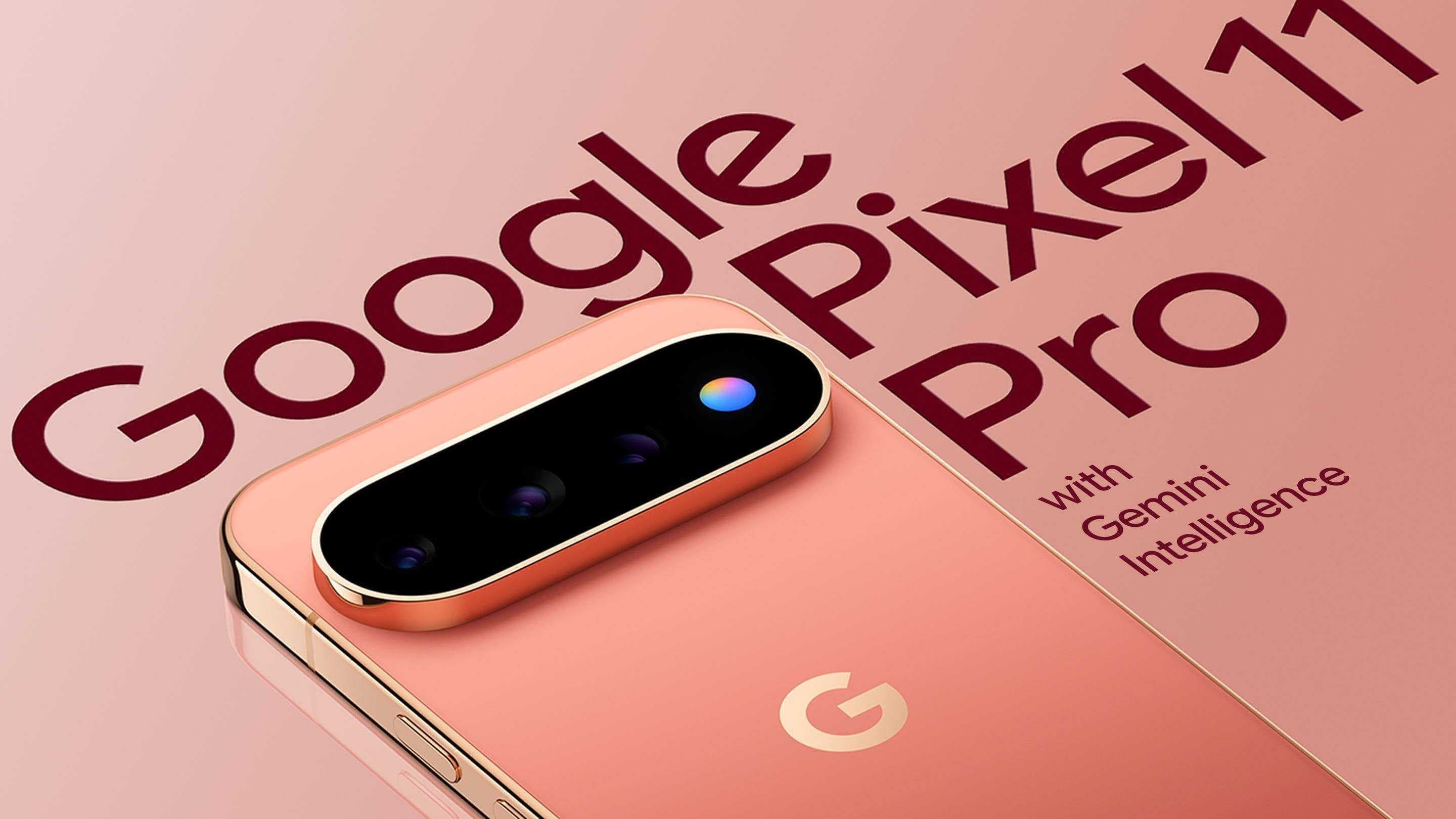
Another divergent area that may cause discussion is how the Pixel 11 series camera setups have been altered, with the latest leaks suggesting that Google is introducing new hardware to differentiate the lineup. While the base and Pro models remain distinct, the separation this year is defined by specific sensor upgrades rather than a step down in resolution for the standard model.
The Pixel 11 will feature a dual-camera system on the back consisting of a 48MP main sensor, 13MP ultrawide, and a 10MP telephoto, which will support Super Zoom up to 30x. This main sensor is codenamed “chemosh,” and it represents a notable hardware swap for the base tier.
The Pixel 11 Pro and Pro XL models see more significant sensor changes, reportedly adopting new “bastet” and “barghest” sensors for the main and telephoto cameras. Their triple-camera array includes a 50MP main sensor, a 48MP ultrawide with macro focus, and a 48MP periscope telephoto capable of 5x optical zoom and Pro Zoom up to 120x. For selfies, these Pro models jump to a 42MP front-facing camera with a 103-degree field of view.
The Pixel 11 Pro Fold also gets the new “chemosh” main sensor, though in a 48MP configuration. It is rounded out by a 10.5MP ultrawide and a 10.8MP periscope telephoto offering 5x optical zoom and 30x Super Zoom. The foldable also features dual 10MP selfie cameras—one for each display.
Features
We know that Gemini Intelligence is likely to be a key component as part of the Pixel 11 launch, which is basically an enhanced experience that allows you to control various elements of your phone using your Google account. It’s like Magic Cue everywhere, with better contextual awareness and enhancements to take advantage of the deeper integration across your various accounts.
We knew ahead of time that Pixel Glow, which, a recent leak suggests, is called “HiLight,” would be the major new hardware change. The RGB color strip we expected looks like it’ll just be a new flash color that will give feedback when using Gemini or maybe doing other things, like in calls or recording video. It’s not entirely clear how extensive the features that use HiLight are, but it’s replacing the temperature sensor on the Pro models.
Pixelsnap is most likely returning. We’re hopeful that the magnets will be a little stronger this year, too.
Pricing
The Pixel 11 series will see a price increase across the entire lineup, with the base model no longer starting at the familiar 799. Leaked USpricingindicatesa $100 jump for the standard and Pro models, while the Pro XL and Pro Fold will also see similar adjustments. These changes are primarily intended to account for the elimination of the 128GB base storage tier, as 256GB is now the minimum across all devices.
This pricing shift is driven by a severe, supplier-driven “RAM memory crisis” (also referred to as “RAMageddon”). Google executives have confirmed an unprecedented surge in memory costs, noting a sixfold increase where 1GB of RAM rose from $2.80 in 2025 to $12 this year. To manage these surging component prices, Google has not only raised retail costs but is also reportedly exploring hardware compromises, such as potentially dropping the Pixel 11 Pro’s RAM from 16GB to 12GB for certain configurations.
In terms of specific entry-level pricing for the US market:
- The Pixel 11 is expected to start at $899.
- The Pixel 11 Pro will begin at $1,099.
- The Pixel 11 Pro XL is slated for a $1,299 starting point.
- The Pixel 11 Pro Fold will see its entry price rise to $1,899.
While the steady climb in pricing may be a hurdle for some buyers, the doubling of base storage to 256GB is intended to help soften the blow. Official pre-order deals remain under wraps until the August 12 event, but expectations include the usual trade-in promotions and bundled perks like Google One or Gemini Pro subscriptions.
Release date and availability
We don’t need leaks for this, as the Pixel 11 launch at Made by Google 2026 is officially scheduled for Wednesday, August 12.
Top comment by matteventu
According to a leaked marketing picture from a couple of days ago, the 11 or 11 Pro will have "30 hours of battery life".
This is a slight improvement over all "main" Pixels of the last couple of years which have all been marketed as having a 24-hour battery (except the 9a/10a which are advertised with the same 30-hour battery life as seemingly the new 11s).
Curiously, for the Pixel 10 lineup Google also initially planned to advertise them with the 30-hour battery life claim, however shortly before launch they apparently realised they couldn't actually meet that metric and changed it back to the same 24-hour figure that the 9 series also had (I assume they were quite optimistic that with the new TSMC 3nm process, slightly larger batteries and further software optimisation they could meet that, only to discover later on that in fact they couldn't).
Hopefully, this year the even better SoC fabrication + the new modem will actually bring better battery life (and better thermals too?).
In previous years, devices had staggered retail shipping dates. For the Pixel 11 series, rumors suggest that Google may be aiming for a more unified launch. The entire “core” hardware lineup — including the Pixel 11, 11 Pro, and 11 Pro XL — is reportedly set to ship starting August 20, 2026.
Interestingly, while some previous generations saw significantly delayed availability for the foldable, current leaks suggest the Pixel 11 Pro Fold may also arrive on that same August 20 date alongside the rest of the series and the Pixel Watch 5.
This would be a welcome change from the staggered timelines of the past, meaning those who pre-order shouldn’t have to wait nearly as long for their new devices to arrive.
What are you most excited for or enticed by, given the myriad Pixel 11 leaks over the past couple of months? Is it the jump to a 2nm Tensor G6 processor, the 3,600-nit “Super Actua” displays, or perhaps the new “HiLight” notification system on the camera bar? Let us know your thoughts in the comments section below.


FTC: We use income earning auto affiliate links. More.


Comments