
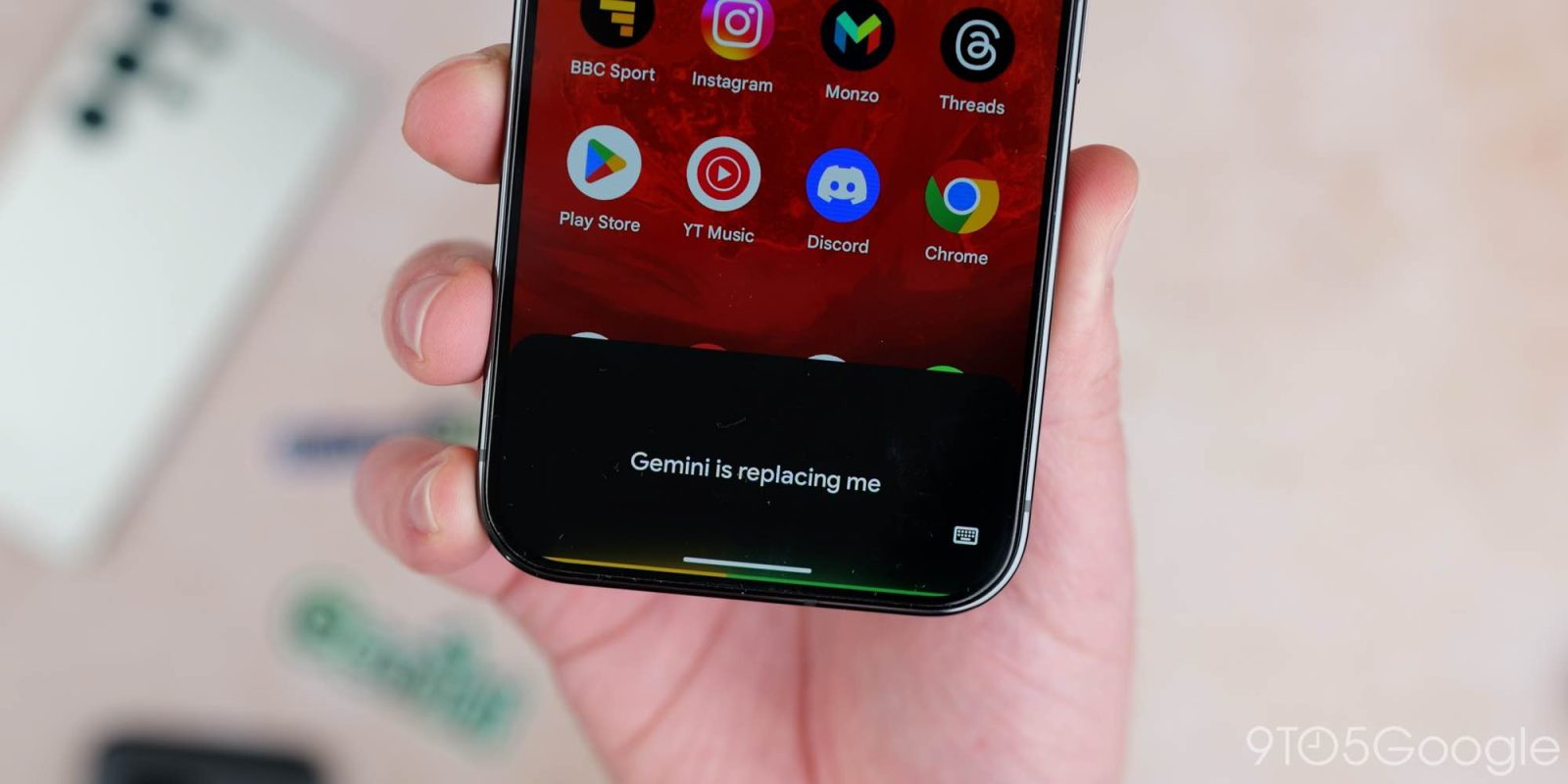
After just over a decade, the Google Assistant is entering end-of-life, but what does that mean for the millions of us who have used it for so long? And what is next for the platform?
Table of contents
The sun sets on the “Hey Google” era
Beginning life on the Google Home and Pixel, the Assistant has proliferated practically every product you’ve used since it was unveiled in 2016. In all honesty, it hasn’t changed all that much since it was revealed at IO way back when.
You use your voice to get updates, information, and control smart home hardware. That’s the basis of what was possible. Specific commands were needed, and the classic “Hey Google” wake phrase was born. It surpassed Siri, went toe-to-toe with Alexa, and became a household staple.
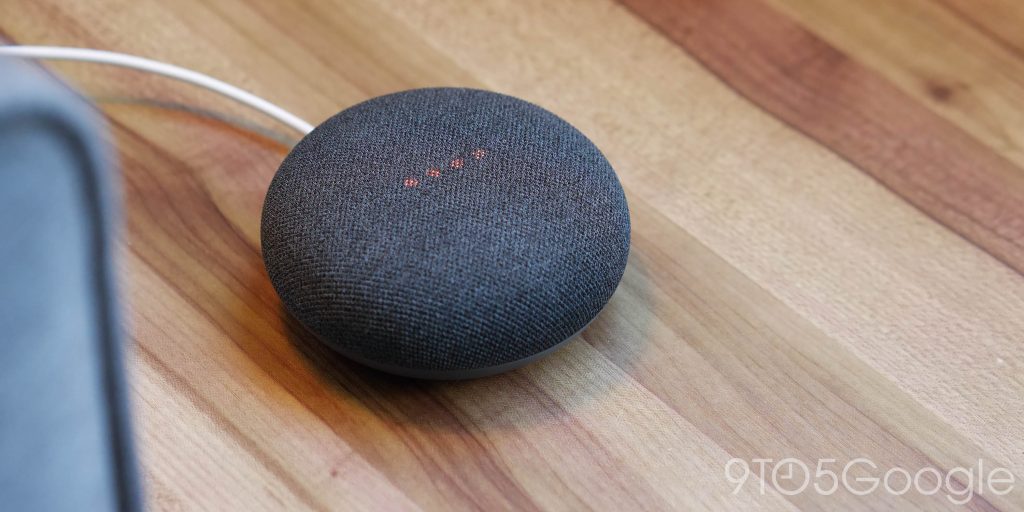
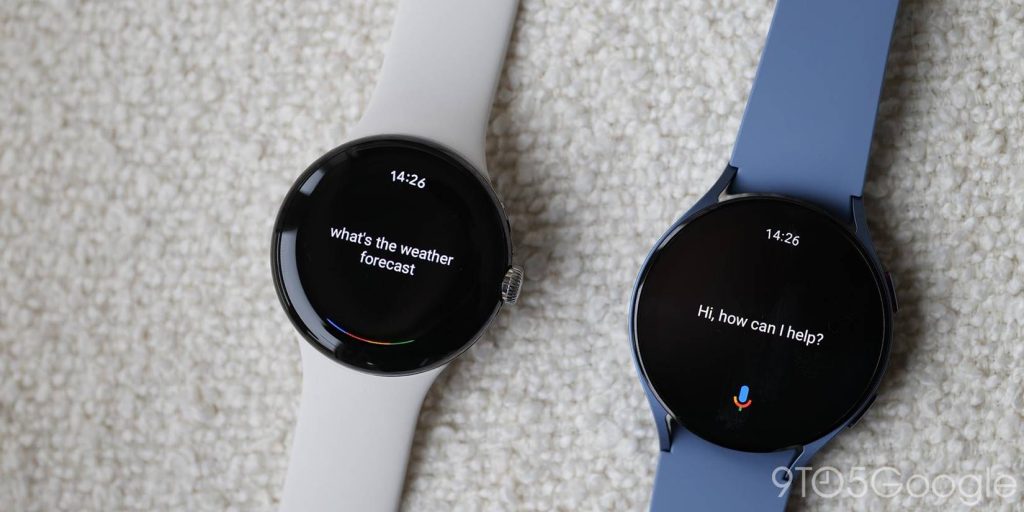
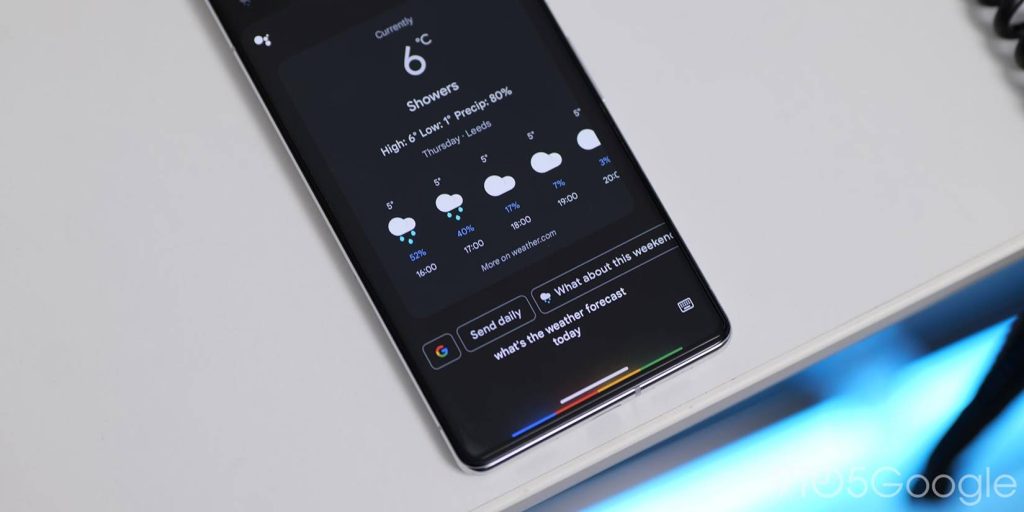
In its simplest form, it just does what it set out to, and that is absolutely fine. However, that simplicity was also its ceiling.
While we were satisfied with a tool that could set timers and play Spotify, the underlying architecture was built on rigid “if-this-then-that” logic. It didn’t understand the world; it just understood a very specific library of verbs and nouns.
For years, this was the gold standard for voice interaction, but as the industry pivoted toward Large Language Models (LLMs), the Assistant’s deterministic nature started to look like a relic of a bygone era. You could say that in many ways, the peak of the Assistant’s utility was also the beginning of its obsolescence.
Lacking updates and breaking things
As good as the Google Assistant can be, there has been a steady decline in lots of functionality – some key, some less important.
No new functions have been added in a couple of years. At the start of 2024, Google axed 18 features—from managing your cookbook to rescheduling Google Calendar events by voice. By the time the transition hit its peak in March 2026, another wave of “underutilized” features were stripped away. The Assistant we have today is a skeleton of its former self.
We have lost the intuitive multimedia controls that once allowed us to favorite or share photos and query their locations by voice. Voice commands for Photo Frame and screen settings have vanished. Even high-value utilities like Interpreter Mode and the Family Bell have been gutted or relegated to cumbersome, manual routines.
On the road, the voice-first Assistant Driving Mode has been sunset, leaving drivers with a stripped-back Google Maps view. In the living room, the shutdown of Assistant on LG’s webOS TVs has turned a former selling point for cross-brand harmony into a legacy relic. Perhaps most tellingly, Google has pulled Assistant from Fitbit wearables like the Sense 2 and Versa 4. Despite owning the brand, Google is forcing a choice: move to a Pixel Watch or lose wrist-based voice utility.
This “feature paring” has created a trust deficit. For many, the smart home was a promise of reliability, yet the removal of these features feels to put it mildy like a breach of contract. When you purchase a smart display specifically for its digital photo frame capabilities or a watch for its hands-free utility, having those features revoked via a server-side update is a bitter pill to swallow.
It points to a broader trend in the industry where hardware is no longer a static purchase, but a window into a service that can be altered or diminished at the whim of the provider. The “Digital Decay” we are witnessing isn’t just about losing the ability to check a photo’s location; it’s about the erosion of the “Utility-First” philosophy that once made Google’s ecosystem feel indispensable.
Google even has a dedicated support page cataloging the removal of functionality. It at least offers alternatives and workarounds.
The trajectory is clear: Google is burning the bridges to Assistant to force or justify a migration toward Gemini. This exposes a fundamental shift in philosophy. Assistant was built for the micro-task—doing one small thing instantly and reliably.
The Assistant is done on lots of devices
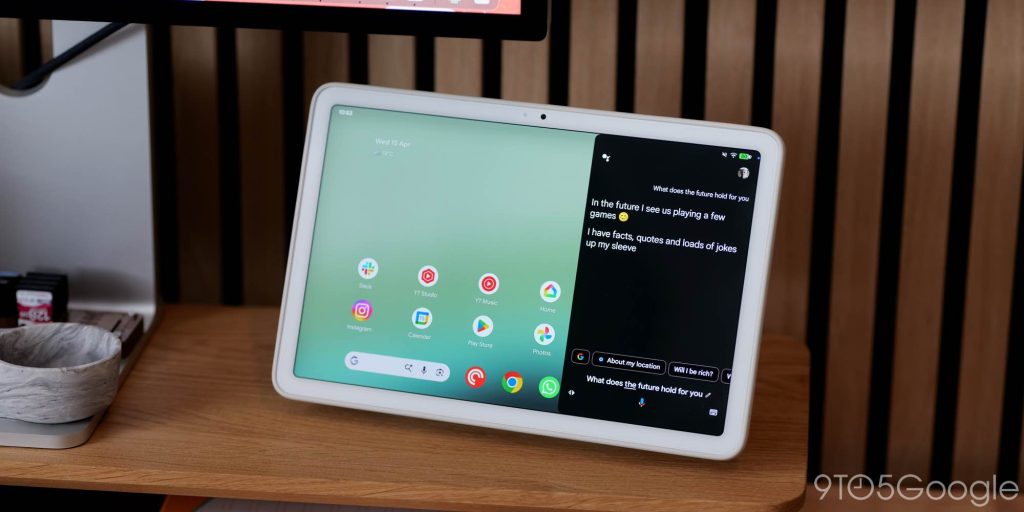
Last year, Google confirmed that, from March 2026, the Assistant will no longer be an option on Android devices in favor of Gemini. If you buy a phone today, it won’t be able to fall back to the Google Assistant. The transition for existing phones hasn’t been instant; instead, it’s being removed bit by bit.
Phones are where it is going to be most apparent, but it’s not the only place where the Assistant is being ditched.
Chromebooks – which are another area of contention for Google right now – have lost the ability to use the tool. Gemini is now the default. Then again, we’re not sure this is as much of an issue as it would be on mobile phones and tablets. The Chrome OS 134 update started the transition over to Gemini, and on the Chromebook Plus, you get more features as part of this change. More tools to take advantage of, which is good for laptop owners, but what the future holds for the platform remains to be seen.
The loss of Assistant on Chromebooks highlights a strategic pivot toward productivity over simple assistance. On a laptop, Google wants you to use AI to draft emails, summarize documents, and generate code—tasks the old Assistant simply couldn’t handle and would never be able to handle. But for the user who just wanted to say “Hey Google, turn on the office lights” while typing, the new Gemini overlay can feel somewhat heavy-handed.
Android Auto has recently started rolling out Gemini more widely. This transition isn’t without its own issues, but this feels like the perfect place to start with a more pliable voice controller at the heart of your car. Android Automotive should be similarly updated in the coming months, but so far it isn’t a privy to the same level of support as the mobile-phone powered system thus far.
The stakes are arguably highest in a car. In a driving environment, latency is the enemy of safety. The old Assistant was incredibly fast at executing local commands like “Call Mom” or “Navigate Home.” Gemini, with its cloud-based reasoning, sometimes pauses to “think,” which can feel like an eternity when you’re traveling at 70 mph. Google’s challenge here is to bridge the gap between the Assistant’s speed and Gemini’s intelligence without compromising the driver’s focus.
Replacing Assistant on Android Auto and will slowly replace on Android Automotive (Google Built-in).
It is worth noting that all of your existing devices will continue to work, but likely in a more limited capacity. Or, as in the case with Google’s own first-party hardware like the Nest speaker and smart display lineups, slowly transition over to using Gemini instead of the Assistant.
The upcoming, updated Google Home speaker, due soon, will put Gemini front and center, and while it isn’t here yet, it will give us a way to see what the next generation of smart assistant hardware powered by Gemini will offer over the long-forgotten Next lineup.
This new hardware represents a “hard reset” for the Google Home and, by extension, the Nest brand. Future devices won’t just listen for triggers; they will likely use multimodal capabilities to see and sense our presence, offering proactive help rather than waiting for a command. But this raises even further privacy questions that the old, simpler Assistant never had to answer. It’s one thing to listen, it’s another to listen and make decisions without much user input.
Will it be better to just control your lights and some other smart home hardware? That remains to be seen, but there’s no future in which we go back to simple switch controllers, it seems.
The great Gemini transition
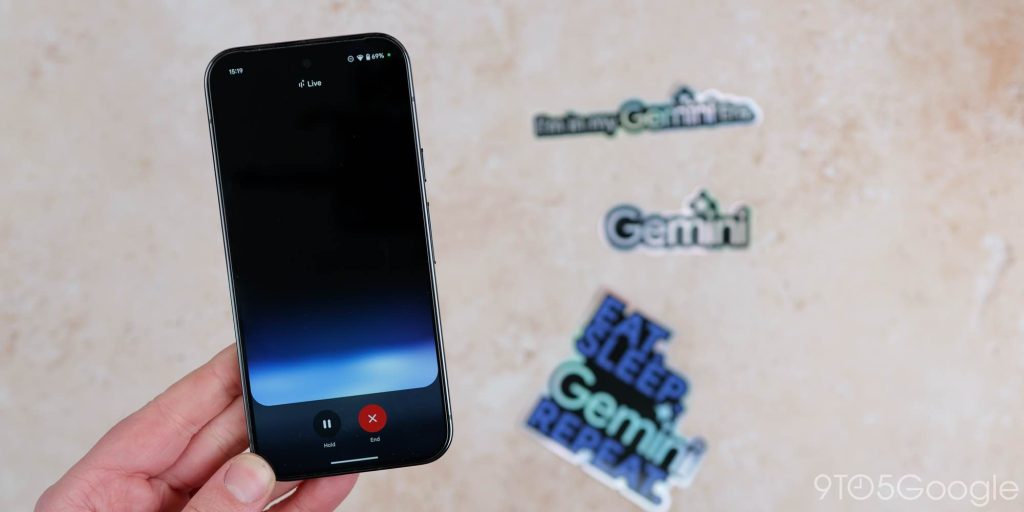
In one of the most obvious plays in the history of tech, the future is Gemini. This has felt like a decade-long transition in the making. A bigger question is whether a “smarter” assistant is really necessary for doing the kinds of things we have come to rely on the Google Assistant for.
Gemini is built for macro-reasoning and complex conversation. We are trading a dependable utility for a brilliant, sometimes frustrating system. As the Assistant fades, so does the era of technology that just worked without needing a discussion first.
Annoyingly, Google has left the Assistant to languish a little as Gemini looms further. There are times when you can see this with services like Google Home. An app that has gained vastly powerful levels of capabilities with AI integration. That said, the Assistant was a no-fuss operator. When it works, it’s simple, to the point. Functional.
Gemini is better at rolling with punches, adjusting to circumstances, and handling rogue inputs. You can use natural language, talk to Gemini like a, well, a human. This is what Google always wanted from the Assistant, and many of us probably did without really thinking about it.
The sad, slow death spiral of the Assistant paves the way for something all-encompassing, one that is more integrated, able to pick up threads, gets updated regularly, and ultimately is going to be a better option.


FTC: We use income earning auto affiliate links. More.



Comments