
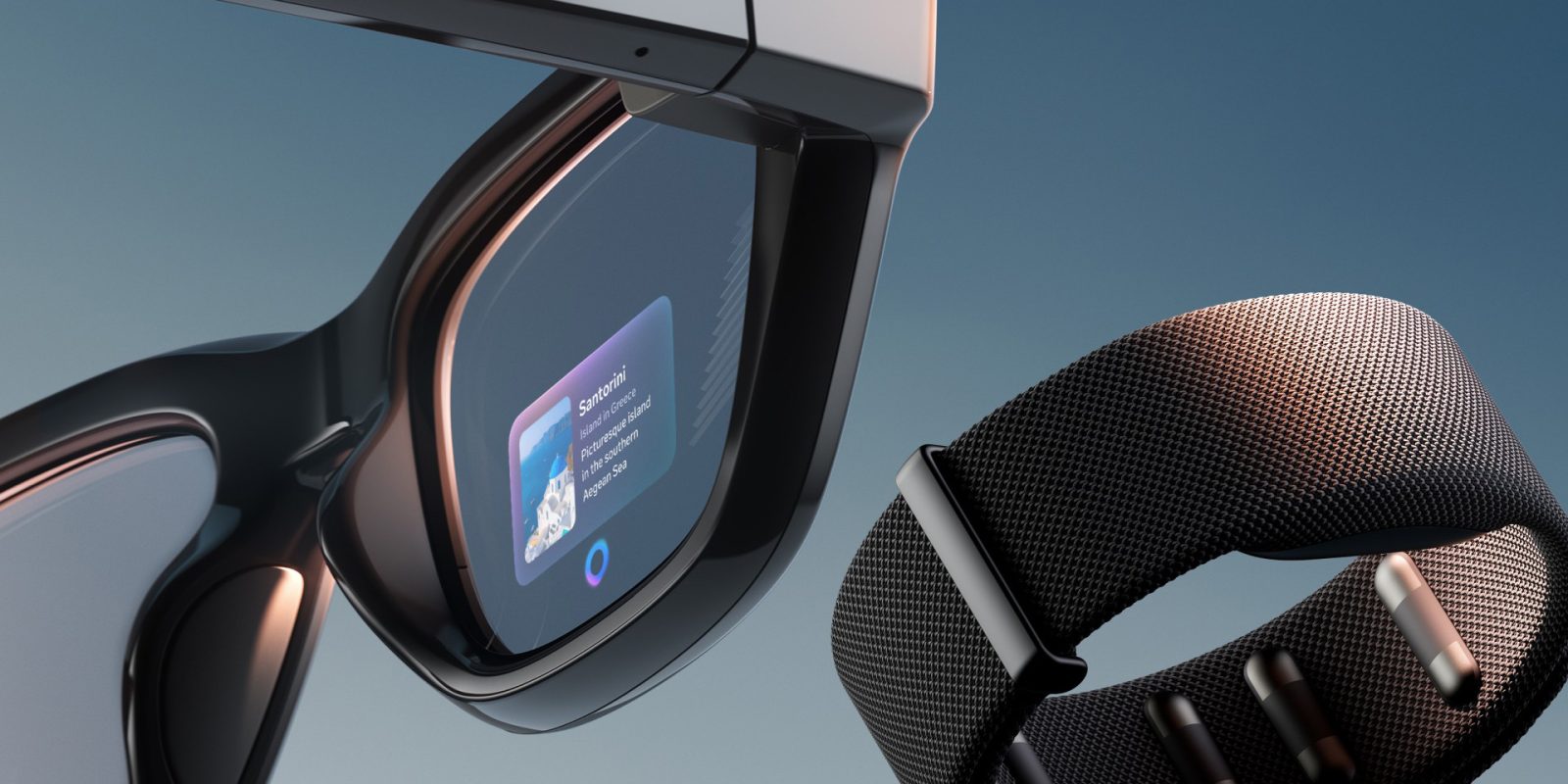
A new report indicates the Meta Ray-Ban companion app is capable of face recognition and is designed to identify users from images and videos taken on its paired smart glasses.
The report comes courtesy of WIRED, which did a deep dive into the Meta AI app to uncover a buried, unreleased AI feature called “NameTag.” The feature is able to recognize faces captured on Meta Ray-Ban smart glasses, process them, and alert users when familiar faces are present.
The report states that NameTag has been in ongoing construction over a period of several recent updates this year, sometime after Meta announced the new display variant. Meta AI acts as the companion app and connects device functions to the glasses. That gives the glasses necessary access to the internet and, further, Meta AI’s backend processing.
The glasses can’t be used without the app, which means the face recognition feature is already embedded into just about any device connected to a pair of Meta Ray-Ban smart glasses. It appears Meta stores recognized facial data on user devices after faceprints are pulled from the company’s servers.
WIRED’s report notes that Meta claimed it was “thinking through” the prospect of a facial recognition feature back in April. Following the updates where NameTag’s foundation was laid, that feature seems to date back to as early as January. In theory, if users hadn’t updated the Meta AI app since then, NameTag may still be embedded.
Meta Ray-Ban’s NameTag works by converting faces into biometric data using three AI models, so far. One detects the person’s face, another model repositions the image, and the last converts that face into usable biometric data. This information is based on NameTag’s code in its current form.
Again, it’s not an operational feature, though Meta claims such a feature would be announced with “full transparency.”
Nothing has shipped to consumers and no final decision has been made on what to do here, if anything. If we do decide to roll something out, we will take a thoughtful approach and do so with full transparency. One decision we can be clear about—we are not building a central face database.
Meta isn’t the only company taking up face time, as Google prepares its own Android XR glasses built by Samsung. There’s no word on whether facial recognition is a prospect, but flagship glasses from Google will have cameras and microphones built in. Like Meta, they’ll be built to offer a more natural AI interface.


FTC: We use income earning auto affiliate links. More.




Comments