
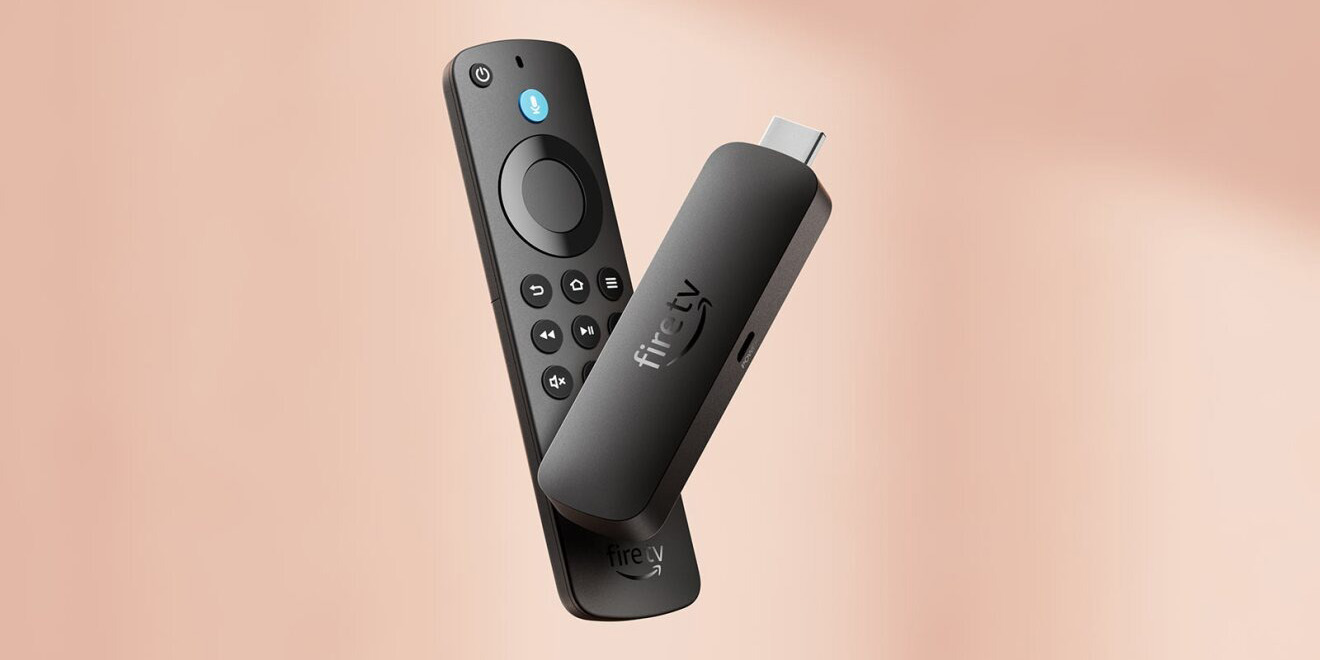
Amazon’s Fire TV platform is in the process of ditching Android for an in-house VegaOS, a change that’s been controversial among users. In an interview, Amazon’s VP of Fire TV explains some of the reasoning behind the decision, but only one part really makes sense.
In an interview with Cord Busters, Amazon VP of Fire TV, Aidan Marcuss, discussed the platform’s recent shift to VegaOS among other topics. But that’s obviously the most interesting of the bunch, and the interview kicks off with the burning question – if Fire TV customers adopted this platform because of its openness, why would Amazon move to a closed ecosystem?
The answer comes in a couple of parts, starting with the one argument that’s hard to ignore. VegaOS is a very lightweight platform and, as such, allows Amazon to build Fire TV hardware that’s even less expensive. Marcuss explained that “Vega was an opportunity for us to continue to innovate and deliver more capabilities, even on the least expensive devices,” pointing to the Fire TV Stick 4K Select, which has just 1GB of RAM on board.
Adding to that, Marcuss pointed to the security side of things, which was “sort of upmost in my mind.” He then went on to address the elephant in the room, the rampant use of sideloading on Fire TV to use apps meant for piracy, saying that it’s “not a Fire TV specific platform truth,” and:
Apps that facilitate piracy, and other apps, can carry malware… [there’s] a good amount of evidence that apps can carry unwanted code and behaviour on them when they’re sideloaded.
From there, the interviewer brought up another big issue with this change – VegaOS doesn’t work with existing Android-based Fire TV apps, meaning thousands of apps are no longer compatible with newer models.
It’s an issue we also called out back when Amazon first made the switch. In response, Marcuss points out that consumers aren’t using tens of thousands of apps on their streaming sticks, and that “the vast, vast, vast majority of content” is already available on Vega, with continued expansions ongoing such as support for VPN apps, a feature that was lacking at launch. As for apps that stream an Android version from the cloud, Amazon’s stopgap for the time being, there’s apparently “no intention” to end that service for developers, though Marcuss stopped short of confirming whether or not developers would have to pay for the service in the future.
As the interviewer points out, Marcuss failed to provide any major reason for consumers to benefit from the switch to VegaOS, despite Amazon having several benefits from the change. That’s all the more notable seeing as VegaOS hardware has, thus far, not been markedly cheaper than the Android-based Fire TV devices. That’s not to say cheaper devices couldn’t be coming, but given current market conditions, that doesn’t feel particularly likely.
More on TV:
- Android 16 will come to Amazon Fire TV despite new VegaOS focus
- Walmart doubles the price of its cheapest Google TV streaming stick
- Amazon sued over killing Chromecast-era Fire TV Sticks, new update policy confirmed
Follow Ben: Twitter/X, Threads, Bluesky, and Instagram


FTC: We use income earning auto affiliate links. More.



Comments