
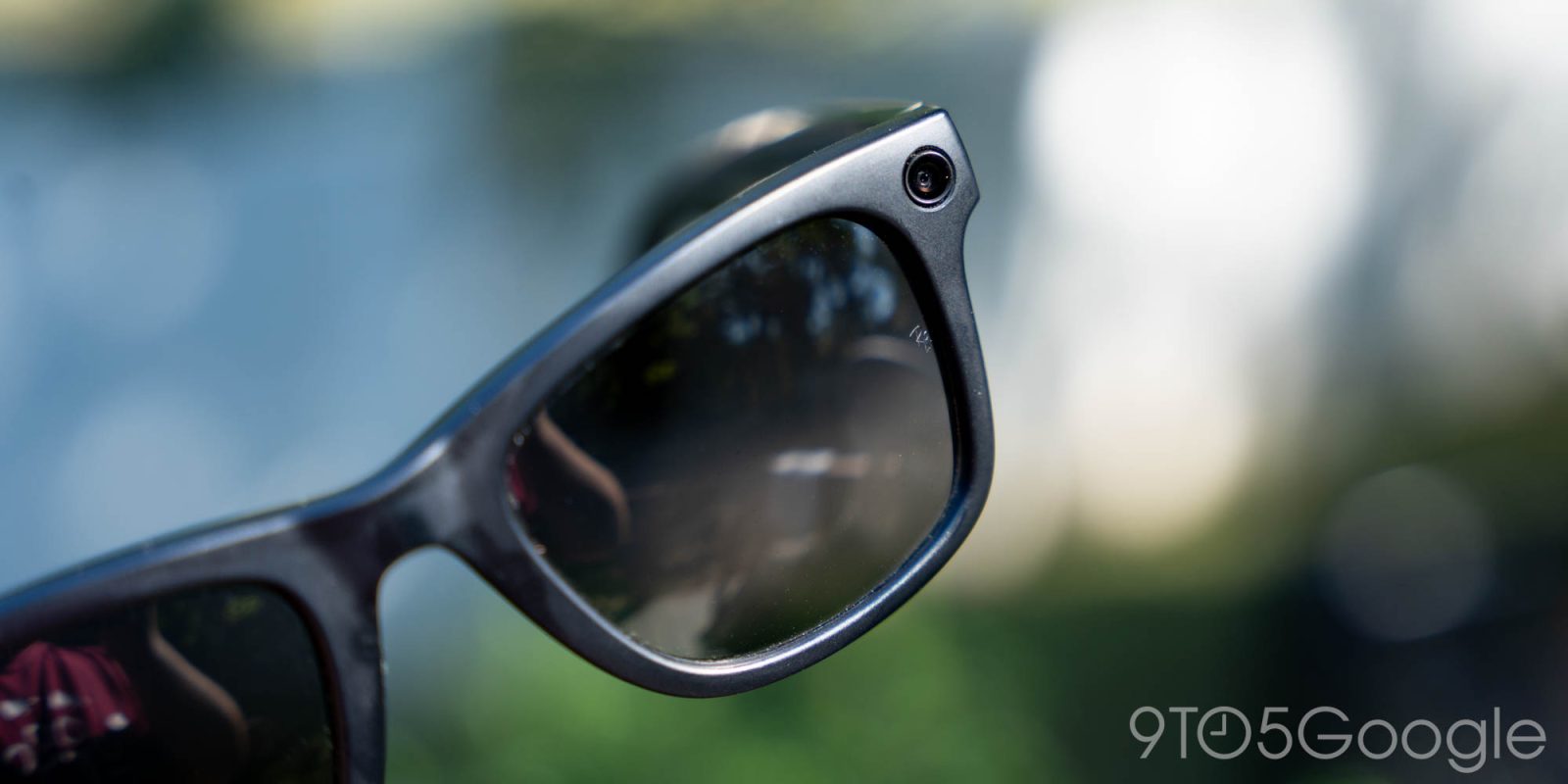
Smart glasses are such a logical, futuristic step in mobile tech, and it’s one we’re on the cusp of being able to embrace. Yet, there’s a huge hurdle to overcome. For as useful and enjoyable as it is, the camera on smart glasses has become a massive problem, and it’s basically ruined existing smart glasses for me personally.
9to5Google Weekender by Ben Schoon is a part of our free newsletter that also includes ‘Inbox,’ a twice-weekly roundup of key stories from around the web by Daniel Bader. Sign up here to get Weekender delivered to your inbox every Sunday along with ‘Inbox’ on Tuesday and Thursday. You can find past issues here.
There are a few core use cases for smart glasses. The most futuristic is a mixed-reality experience where a display layers information on top of what you’re seeing around you. But that’s also the hardest to accomplish with today’s tech. So, with that in mind, audio-based glasses have been more popular.
Open-ear audio and always-ready access make these glasses very useful, but the real selling point for many has been the camera. Meta’s Ray-Ban glasses are the catalyst in all of this. Meta will go on and on about AI features, but a huge part of the appeal here is having a camera at the ready with point-of-view footage. That’s what sold me on it, and my pair has captured some really fun memories in my favorite hobby.
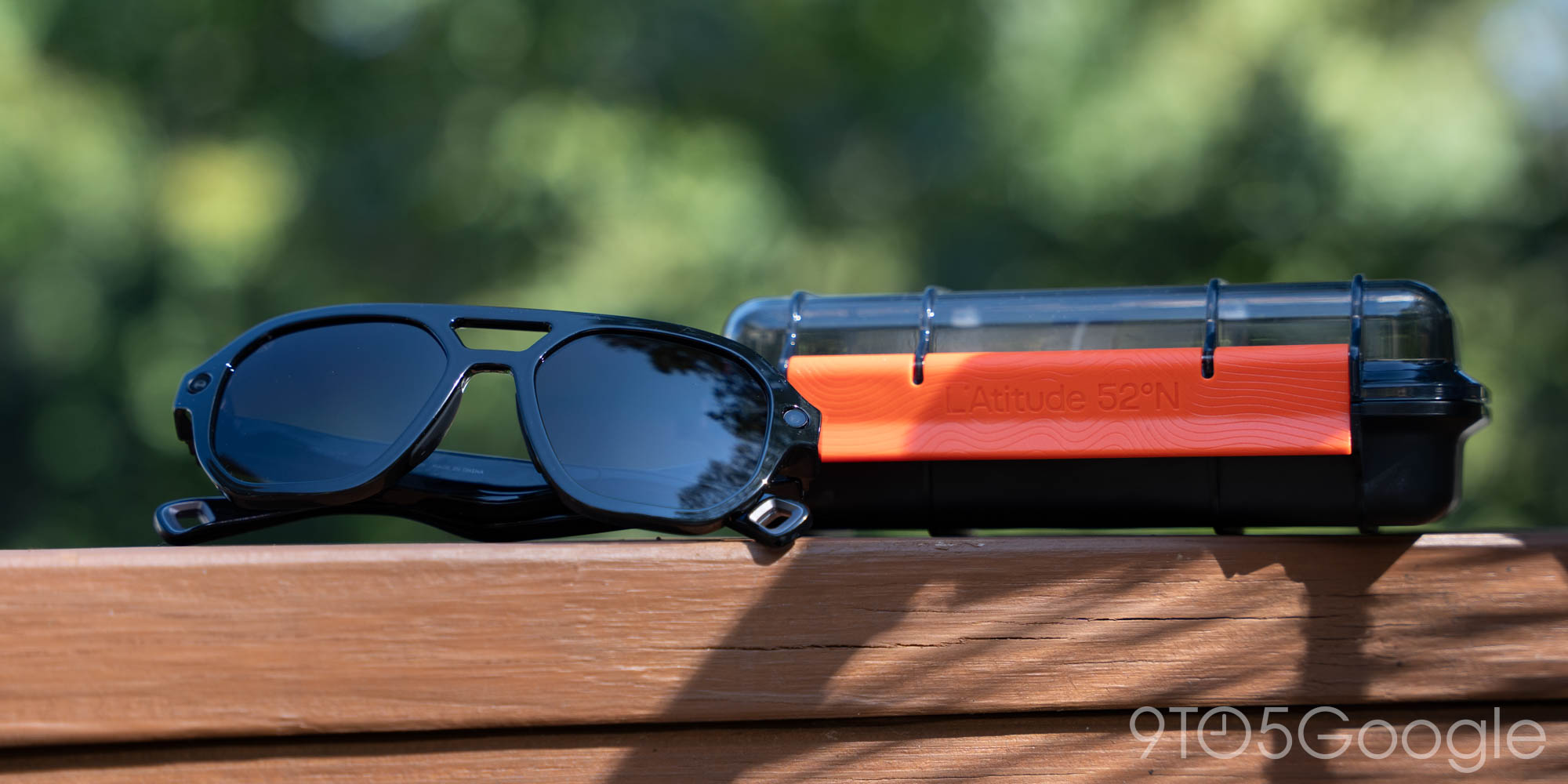
Yet, I’ve barely touched those glasses over the past year, nor had I really gotten around to testing any others I’ve been offered. For example, the L’atitude 52°N Berlin glasses were originally pitched around having a better camera than Meta and, while I’m not a huge fan of the styling, the camera is at least decent – I wouldn’t say better with focus and direct sunlight being clear issues, but I do like that it can capture in landscape.


But, for as much fun as these cameras can be, it just feels wrong now.
The social stigma around cameras on smart glasses has been ruined by the misuse of these cameras. That was, sadly, somewhat inevitable. Any new piece of technology has the potential to be misused, but the subtle nature of these cameras turns simple misuse into making people downright uncomfortable. And, honestly, rightfully so! I initially had trouble understanding the issues many were taking with a camera on glasses, but example after example has shown just how many people are willing to misuse this tech.
Arguably, the bigger problem comes down to how it’s all been handled.
With Meta Ray-Bans, two problems became clear.
Firstly, there was the simple fact that Meta was at the helm. The company’s long history of handling private data, rightfully, did not mix well with a camera on your face. While Meta tried to convince users otherwise, leaks of human moderators viewing uncensored private recordings, combined with rumblings of Meta’s plans for facial recognition and always-on recording, simply evaporated any goodwill or trust that might have been left.
Secondly, there’s the amount of time it took for Meta to address the misuse. Stories have run rampant for the better part of two years now around back-alley deals to disable the privacy LED on Ray-Ban glasses, and it took until July of this year for Meta to implement a fix. An even more obvious loophole is only being patched now.
And now we’re approaching the debut of the first Android XR glasses from Samsung and Google – with every style having a camera. They’re facing a massive uphill battle as the “perv glasses” stigma is widely known and loud – a previous issue of our “Inbox” newsletter discussed this. Samsung has said that it has protections immediately in place around camera tampering, but not everyone is going to know that.
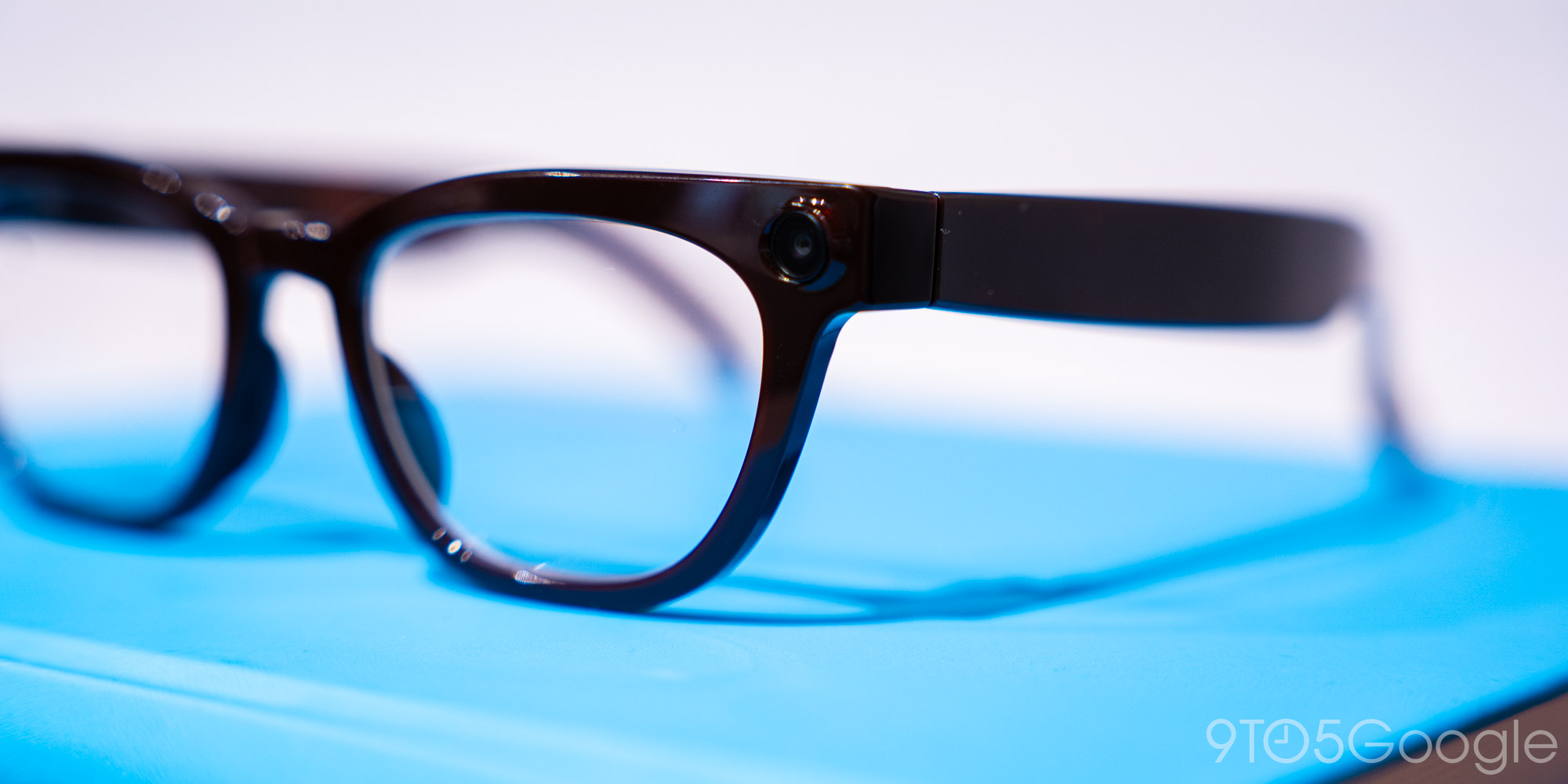
Basically what this boils down to is – thanks Meta, you’ve ruined this for everyone else.
The smart glasses market is going to have a rough time getting around all of this. The Ray-Bans debacle has done some serious damage that every other brand is going to have to work around. That is, assuming they want a camera in the first place. There are plenty of smart glasses that deliver useful functionality without a camera. Even Realities springs to mind as a clear example of this. Yet, when I was testing out those glasses, I constantly found myself missing the utility of an on-board camera (and a speaker, for that matter) for simply capturing the world around me, or wanting to use it with AI features. As overbearing as Meta has been with them, using the camera for various types of interactions such as scanning & translating menus, getting descriptions of real-world objects, and more, are very handy.
It’s going to take years to get all of this tech to its ideal state no matter what, but I hope that the camera stigma eventually calms down.
What do you think?
This Week’s Top Stories
Android 17 updates are coming
There were multiple Android 17 stories this week, with the biggest on the Pixel side of things being the debut of QPR1. It’s not a massive update, but it brings some welcome improvements alongside the latest Pixel Drop. The latest QPR2 beta also landed ahead of its December release.
- Google rolling out Android 17 QPR1 for Pixel
- Every single new feature in Android 17 QPR1 [Video]
- Android 17 QPR1 September update rolling out with 20 Pixel fixes
- Here’s everything new in Android 17 QPR2 Beta 5 [Gallery]
Beyond that, Samsung opened the floodgates on its stable Android 17 update after months in testing. It’s Galaxy S26-only for now, but more are expected to follow soon. Honor also detailed its Android 17 update, and I’m pretty sure they couldn’t fit more Liquid Glass in there if they tried.
- Samsung starts rolling out Android 17 with One UI 9, confirms initial list of Galaxy devices
- Honor confirms list of devices getting its Liquid Glass-filled Android 17 update [Video]
More Top Stories
- Googlebook pre-orders start on September 21
- Google rolls out Motion Assist bubbles to Pixel, Samsung
- Google Maps rolling out Android Auto speed limits and speedometer that show even without navigation
- Android Auto update lets you customize your Google Maps ‘driving avatar’ via car display
- Samsung Gallery is adding Google Photos backup to replace OneDrive
- Oppo confirms Find X10 series details ahead of September 22 launch
- Google confirms Pixel phones were exploited in ‘targeted’ attack related to modem
- Google Home app brings battery-efficient widget, reduces gray device tiles
- Android Canary 2609 adds ‘Require unlock for Quick Settings’ on Pixel
- The new Boox e-ink devices get Android 16 out of the box, including Palma 3
From the rest of 9to5
9to5Mac: iPhone 18 Pro review: More of a great thing
Electrek: Kia is offering big discounts on the EV9, with over $15,000 off at some dealers
Follow Ben: Twitter/X, Threads, Bluesky, and Instagram


FTC: We use income earning auto affiliate links. More.


Comments