Samsung

See All Stories

Samsung is a technology conglomerate based out of South Korea that makes some of the world's most popular smartphones.
Samsung R&D logo

Samsung is a technology conglomerate based out of South Korea that is responsible for some of the most popular smartphones in the world, including the Galaxy S and Galaxy A series devices. Beyond smartphones, Samsung also manufactures and sells laptops, wearables, home appliances, and more.

The company was founded in 1938 as a trading company dealing with local produce, fish, noodles, and more. It wasn’t until the 1960s that Samsung entered the electronics business with its first product, a black and white television. In the 1990s, the company expanded its electronics efforts by producing displays and chips for processing and storage, core components of the business today. In the 2000s, the company established itself as a big player in cell phones, which later evolved into the Samsung Galaxy smartphone lineup.

Off the back of successful feature phones, Samsung quickly became a dominant player in the smartphone industry. The original Galaxy device was launched in 2009, which ran Android 1.5 “Cupcake” out of the box. Just a year later, the “Galaxy S” brand made its debut, selling 24 million units of its original model and 40 million of its sequel. The Galaxy S III was its first massive hit, though, selling 70 million devices starting in 2012. The success of that mainstream flagship propelled Samsung to be a major player in the premium smartphone market.

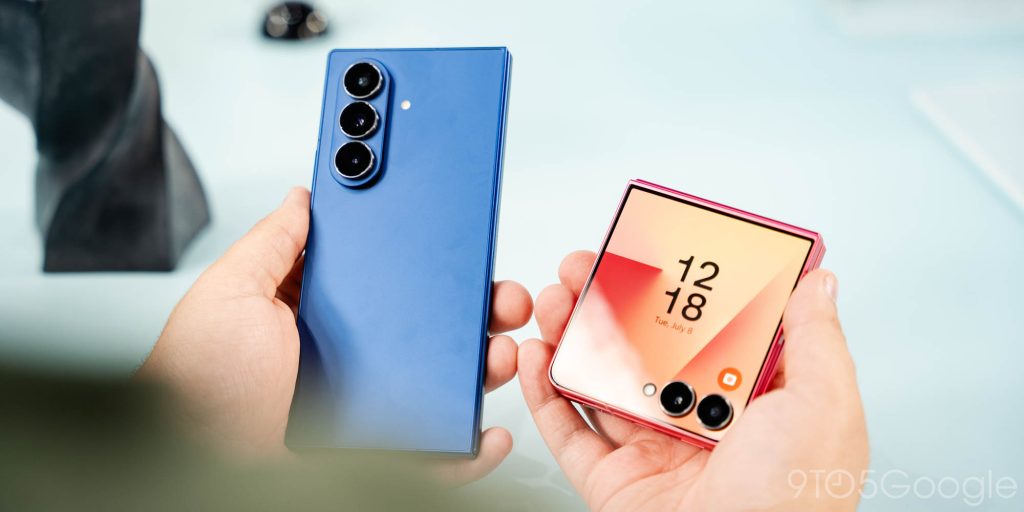
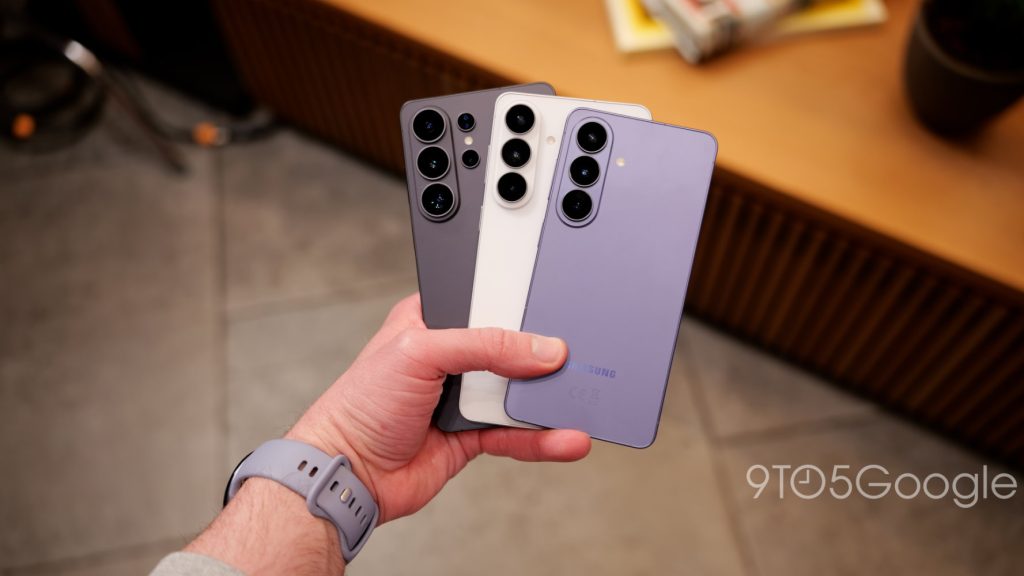
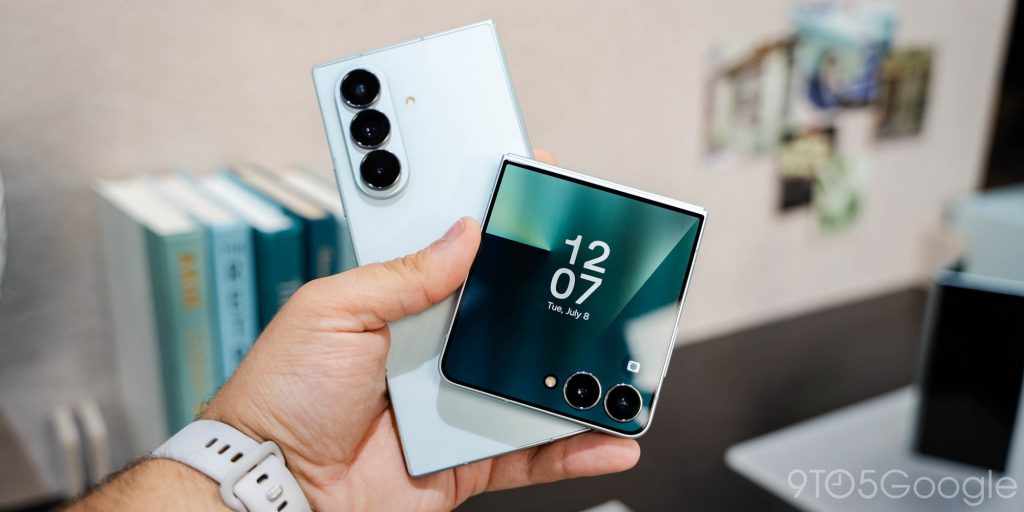
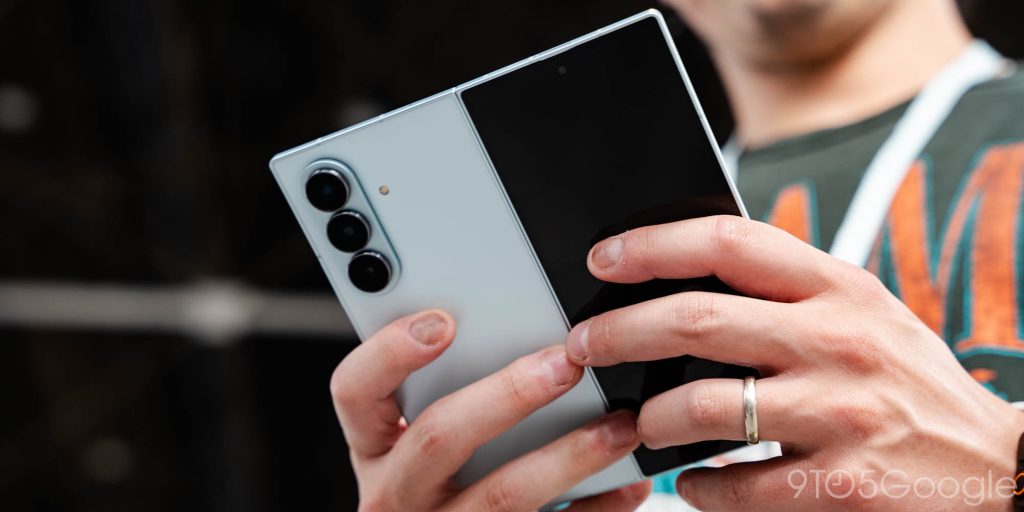
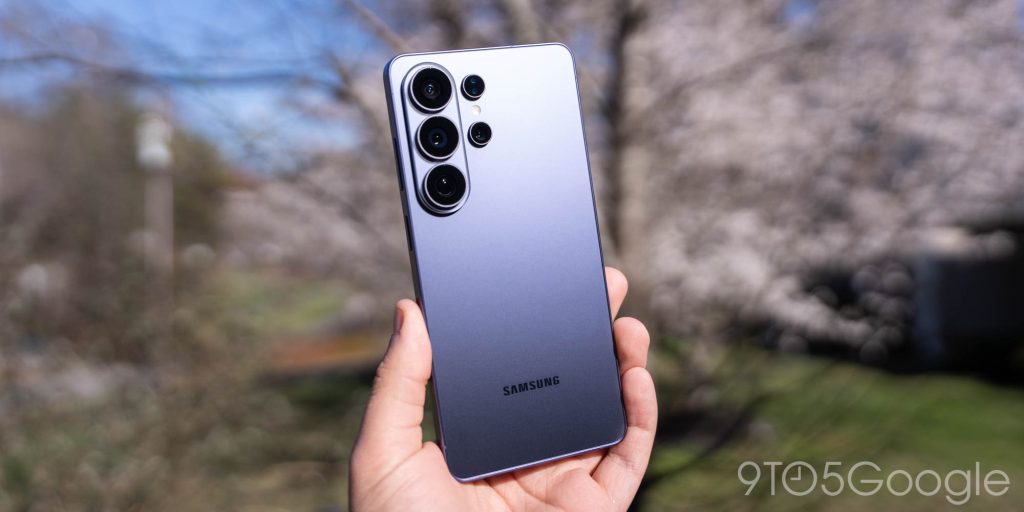
The latest Samsung flagships include the Galaxy S26 series, as well as foldable smartphones such as Galaxy Z Fold 7 and Flip 7.
The flagship market is only a fraction of the company’s total smartphone sales. It’s actually more affordable devices such as the Galaxy A series that really earn Samsung its spot in the industry. The Galaxy A series has produced some of the best-selling Android smartphones in the world for the past few years, for instance, with the Galaxy A50 and Galaxy A51 both topping the charts in their respective release windows.

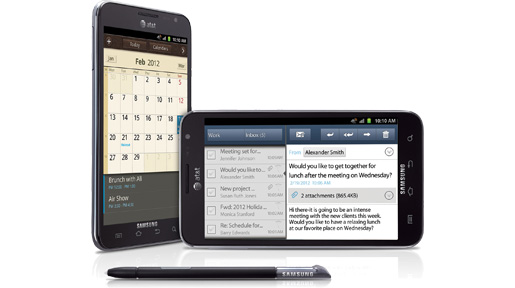
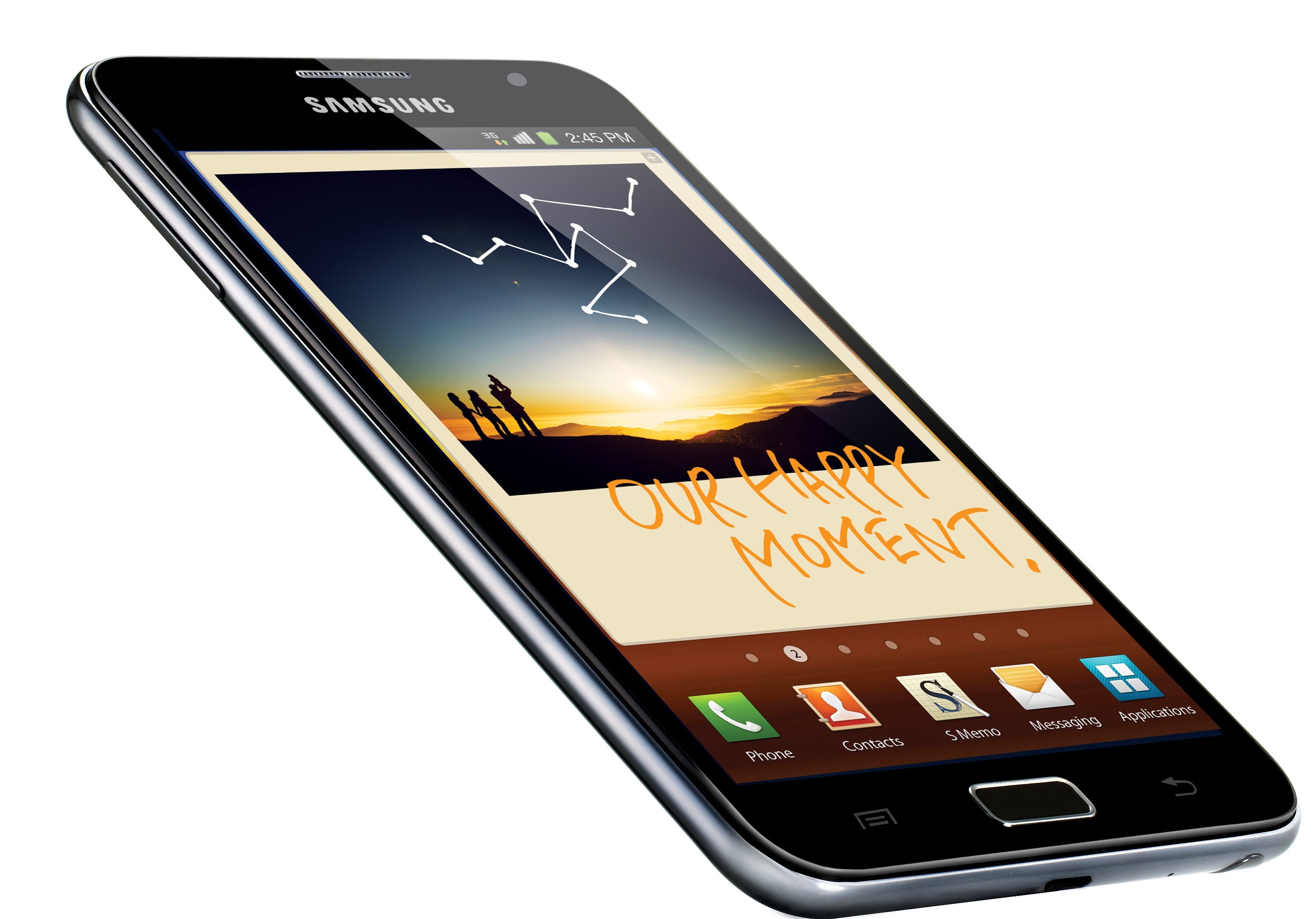
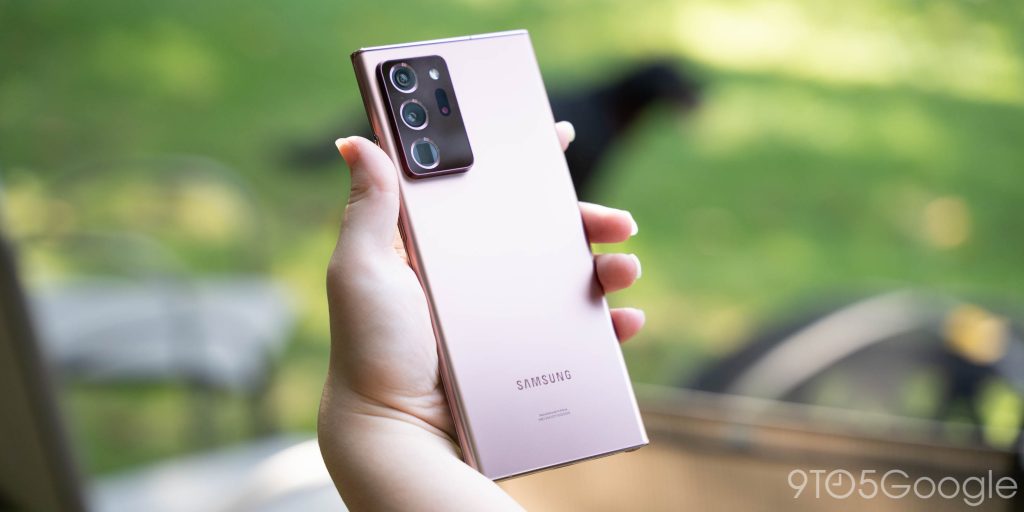
To say Samsung’s smartphones have been influential is an understatement, as the brand has produced some of the biggest trends in the industry. Most memorable is the rise of large-screen smartphones. In 2011, just two years into the rise of its Android-based Galaxy line, Samsung debuted the original Galaxy Note, which was ridiculed for its large 5.3-inch display. The phone went on to sell 10 million units and spawn nine popular sequels leading up to the Galaxy Note 20 series in 2020. In 2016, Samsung famously released the Galaxy Note 7, which was recalled due to batteries that were bursting and catching fire. The phone was discontinued, and fans ultimately had to wait until the Note 8 was released a year later. In 2021, Samsung reportedly canceled its Galaxy Note 21 series due to the ongoing chip shortage, and the best of the Note has now been merged into the ongoing Galaxy S “Ultra” release.
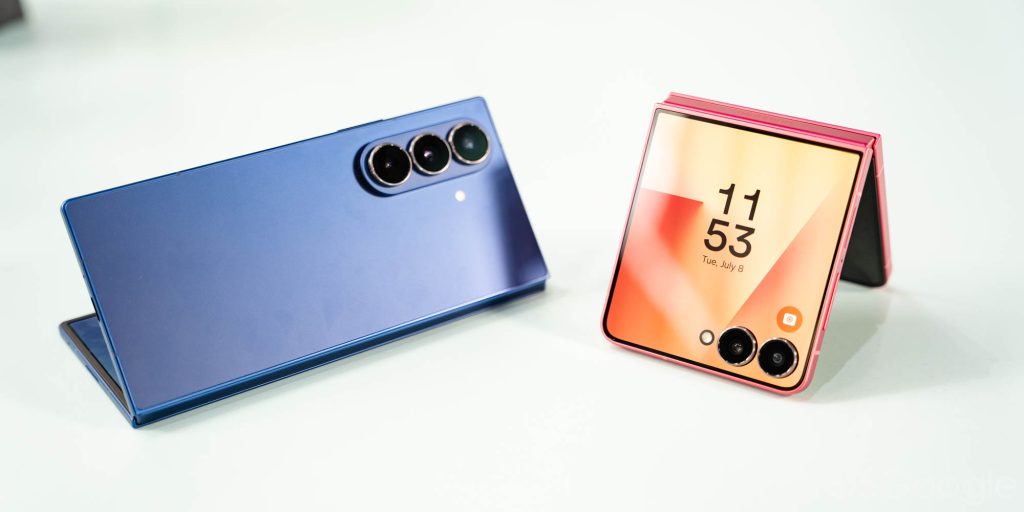
In 2019, Samsung announced its first foldable smartphone in the Galaxy Fold. The book-style foldable had high-end specs and an inner display that was far larger than what could traditionally fit in a pocket, but its launch was met with negativity as several early reviewers faced major issues with the inner display. The company opted to cancel the launch and redesign the product, relaunching it months later with several solutions. In 2020, the Galaxy Z Flip debuted with much better reception and solutions for problems that plagued the Fold, though with a new flip-phone style design. The Galaxy Z Fold 2 took those same ideas and applied them to the original design while improving the displays both inside and out.

Samsung has continued to build on this form factor each year, often with big improvements, including water resistance, better hinges, upgraded cameras, and more.

Galaxy Z Fold 7, especially, proved to be a major update, offering a much thinner form factor that finally caught up to other foldable makers. It was successful, too, with Samsung reporting record sales after the device was released.
What other products does Samsung sell?

Beyond its extremely successful smartphones, Samsung sells a plethora of other products. There are TVs, home appliances, and more. The company also products and sells electrical components, AMOLED displays, and more to other companies.

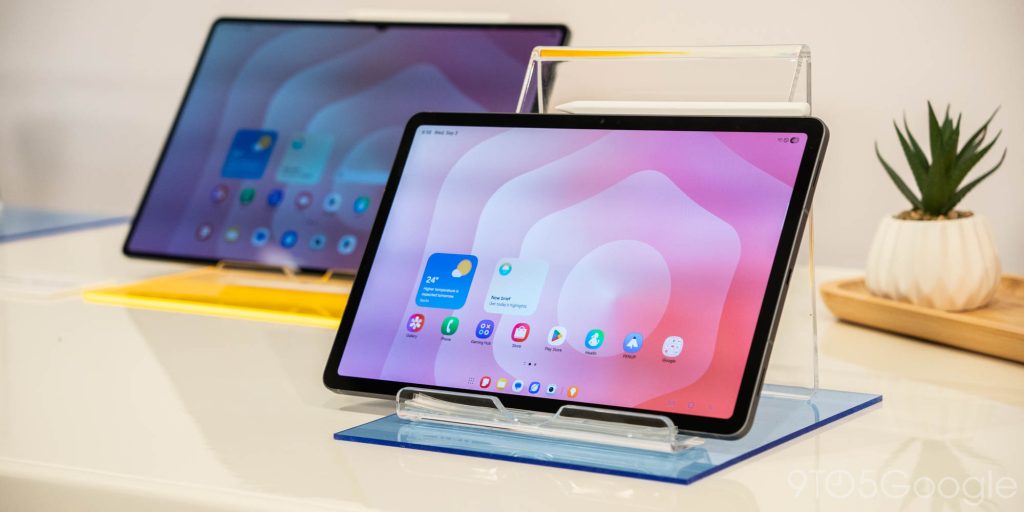
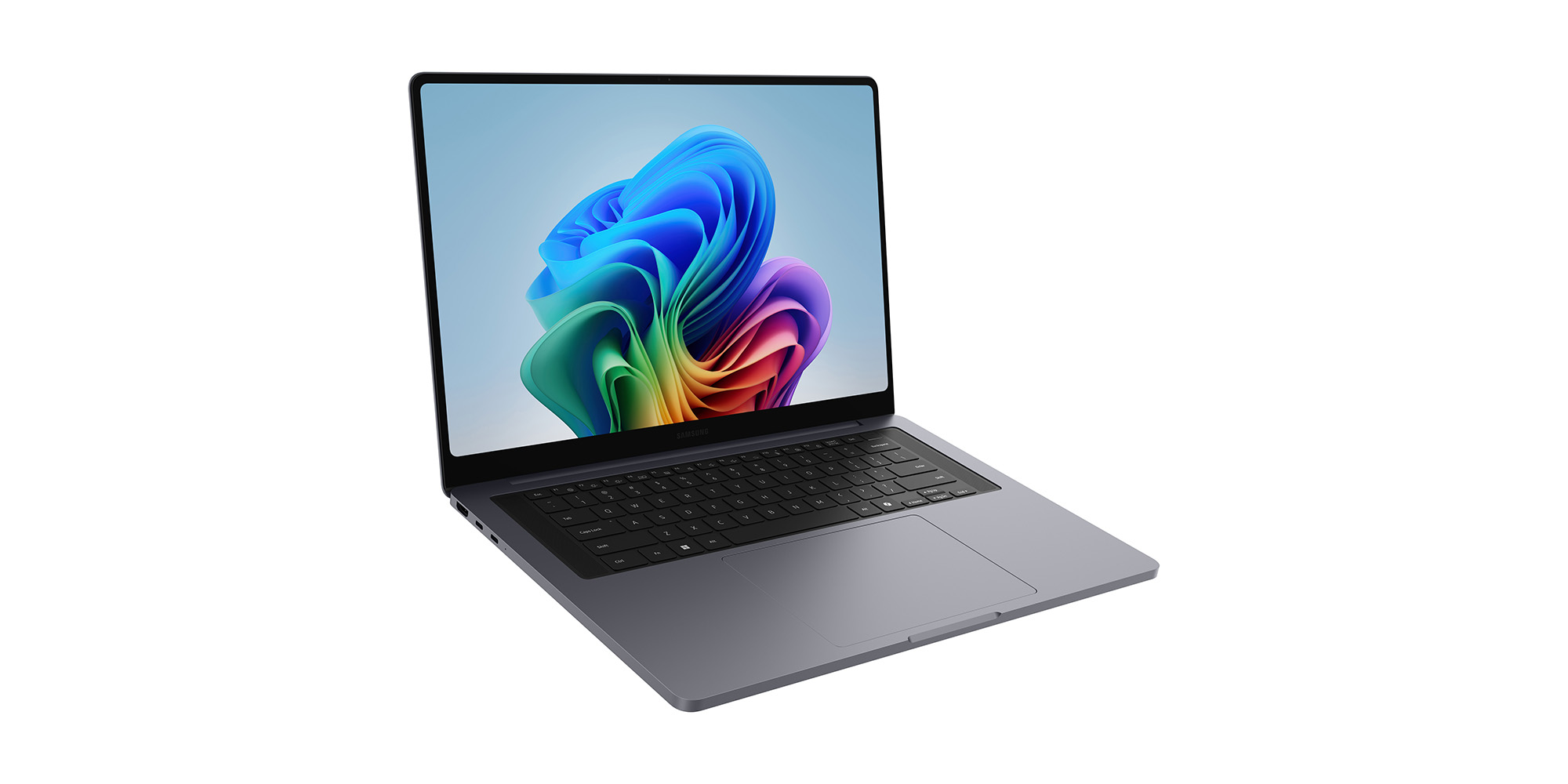
Relating closely to its smartphones, though, are Samsung’s tablets, laptops, and smartwatches. Android tablets are fairly rare on the market, but the Galaxy Tab series has stuck around as an affordable option as well as a flagship one, the latter usually including support for DeX. The company also products laptops using both Microsoft’s Windows and Google’s ChromeOS, the former linking to Galaxy phones using the “Your Phone” integration that is deeply built into One UI.

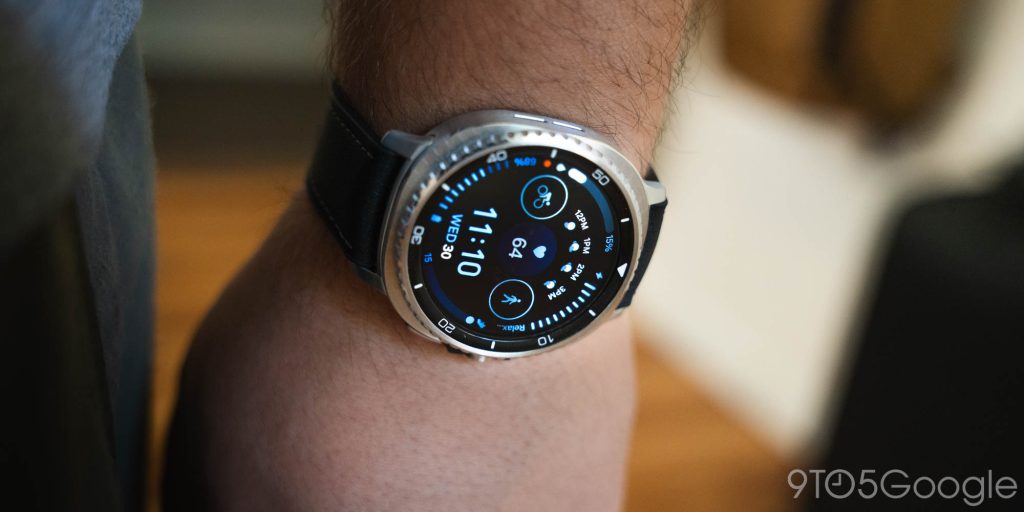
Finally, the Galaxy Watch lineup has been one of the best options for an Android-compatible smartwatch, and each model pairs best with a Galaxy smartphone.
Check out our up-to-date coverage of everything Samsung below.


Android = iOS + RIM + Microsoft + Other

Site default logo image

Gartner is out with their first quarter 2011 mobile phone market survey. The results are astounding. The first quarter belonged to Google and everyone else was reduced to extras in an Android show. Both Apple and Google grew their respective share of the smartphone market, estimated at 100.8 million quarterly units – nearly double the 54.5 million units from the year-ago quarter. Smartphones grew 85 percent and cut into sales of regular handsets, accounting for almost one quarter (23.6 percent) of the 427.8 million handsets shipped during the first quarter.

Predictably, Android was the leading smartphone platform in the first quarter of 2011. And here comes your mind-boggling takeaway: More Android-powered smartphones were sold during the first quarter than the combined sales of Apple’s iPhone, RIM’s BlackBerrys, Microsoft Windows Phone smartphones and vendors belonging to the Other OS category. And that is worldwide, mind you. Go ahead, do the math yourself (the below table).

It’s fascinating that Microsoft and Symbian combined had three percentage points lower market share than Android. Also, while Apple doubled iPhone sales,  they barely gained any marketshare. This just shows that Android is gobbling up market share at a rapid pace, eating pretty much everyone’s lunch in the process…


Expand
Expanding
Close

Not enough oomph? Overclock your Samsung Galaxy S II to 1.5Ghz

Site default logo image

[youtube=http://www.youtube.com/watch?v=VZ2oFpzzjqg&w=670&h=411]

Even though Samsung’s Galaxy S II packs in an impressive 1.2GHz dual-core processor, for some folks that simply isn’t enough oomph. No problem, the most popular Android phone can be easily overclocked to a whooping 1.5 GHz, as shown in the above video by coolbho3000 over at the XDA Developers Forum. Just how fast is 1.5GHz compared to 1.2GHz, you ask.

Well, the Quadrant benchmark shows up to sixty frames per second, which is a rather notable performance jump over the factory 1.2GHz clock frequency setting. The posted notes you will need appropriate Windows USB drivers and the latest version of the odin3 tool to deband the handset. REad on…

From there, in just a few simple steps you can bump up the clock frequency to 1.5GHz. Proceed by downloading the overclocked kernel (a tar file) and reboot the phone into download mode using adb reboot download. Flash the kernel using odin3 by placing the tar file in the PDA section and pressing Start, after which the phone will reboot automatically. Finally, use SuperOneClick to root your phone if you haven’t already, fire up SetCPU and enjoy the 1.504GHz heaven.

Samsung prepping 10.1-inch 2560-by-1600 pixel resolution display for tablets

Site default logo image


Image via PCWorld.com

(Cross-posted on 9to5Mac.com)

Samsung will next week demo a new LCD display technology that will put future tablets in the Retina Display realm. Developed by Samsung’s subsidiary Nouvoyance, the new WQXGA 10.1-inch display stuns with a whopping 2560-by-1600 pixel resolution. Take a deep breath – that’s more pixels than on your 27-inch iMac and double the pixel count on full HD displays.

It uses PenTile RGBW technology that consumes 40 percent less power, a statement claims. Samsung will show off this tech at the SID Display Week 2011 International Symposium next week. The company expects to have commercial availability of this technology for tablet applications later this year.

At screen size and resolution this large the display features a pixel density of 300 pixels per inch – enough to file as a Retina Display. Apple says that 300 pixels-per-inch is the limit of the human retina where the eye is unable to distinguish between the individual pixels, meaning curves appear smooth and continuous rather than jagged and pixelated. It’s widely accepted that the next iPad will sport Retina Display technology which was first inaugurated ten months ago on iPhone 4.


Expand
Expanding
Close

In an Oprah moment, Google gives away free Galaxy Tab 10.1 slates

Site default logo image

(Cross-posted from 9to5Mac.com)

A keynote that kick-started  this year’s Google I/O 2011 developer conference has just finished. Before the curtains went down, a company engineer summarized a host of announcements and stressed how the Android ecosystem is growing as new devices are arriving to market with each passing day. He specifically mentioned one of the latest arrivals, Samsung’s Galaxy Tab 10.1 tablet which is essentially the same product as the Galaxy Tab only with a larger 10.1-inch display.

“It is not yet available to anyone”, the engineer said, adding “except one”. The crowd immediately erupted into applause, sensing an Oprah moment. He then announced that each and every person attending the keynote will get a free Galaxy Tab 10.1. Official stats Google fed to the press mention that some 5,500 people purchased conference ticket in just 59 minutes so they’re giving away at least 5,500 tablets. Quite a way to get rid off excess inventory, skeptics could say. If only Apple gave away gadgets to WWDC attendees…


Expand
Expanding
Close

Samsung hits the ground running with three million Galaxy S II pre-orders

Site default logo image

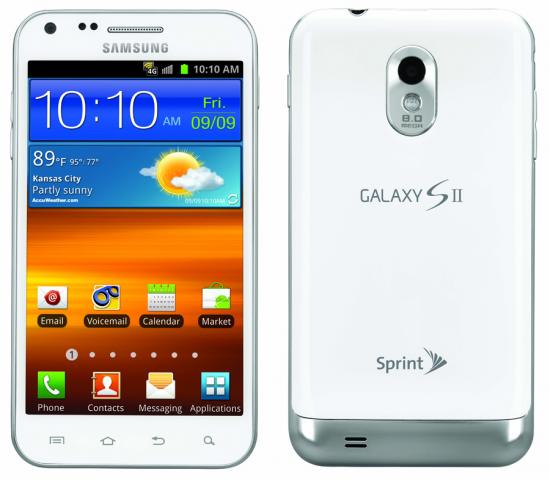
According to many, Samsung Galaxy S II is the best mainstream Android phone currently available on the market. It appears the company has a hit on their hands as Electronista reports they sold an astounding three million pre-orders around the world as of Sunday night. The figure puts Samsung on track to beat its own goal of ten million Galaxy S II units in 2011. The dual-core phone sold about 120,000 units in the first few days of availability in South Korea. The Galaxy S II features a monstrous 4.3-inch display with the latest Super AMOLED Plus display technology.


Expand
Expanding
Close