
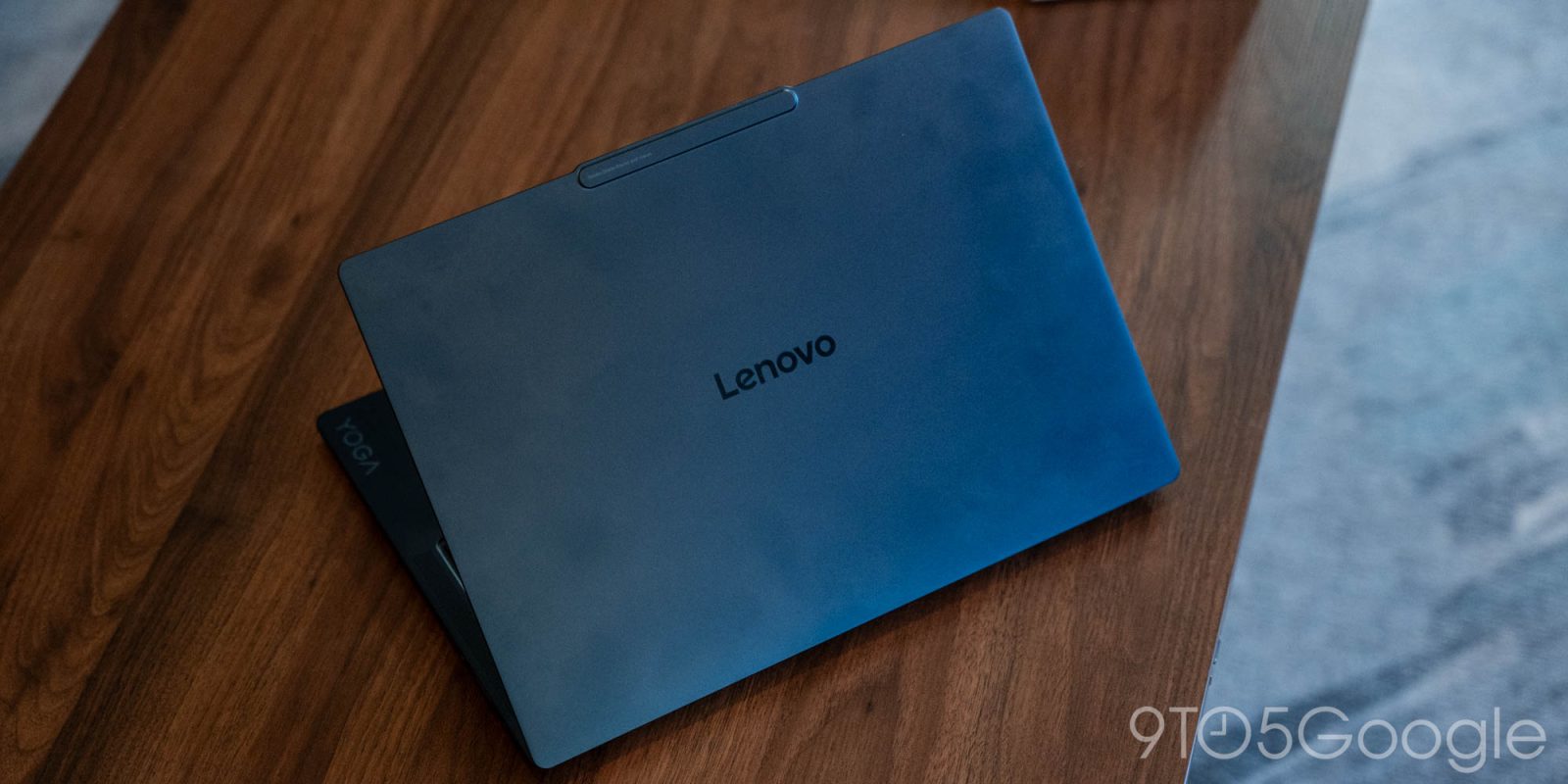
I’ve been worried about the next generation of Windows laptops, to the point where I begrudingly bought a MacBook Air earlier this year because I figured my next Windows upgrade would be a costly one. After spending some time with Lenovo’s latest batch of Snapdragon X2-powered Windows laptops, though, I wish I’d waited – despite RAMageddon, Lenovo is putting out some solid machines here at prices that make sense.
In 2024, Qualcomm changed the game on Windows laptops with its Snapdragon X chipsets, and I have been using a Microsoft Surface Laptop with the Elite in the time since. But that first-generation attempt has been feeling its age, just in time for Snapdragon X2 laptops to launch.
Lenovo is one of the first brands out of the gate with new hardware, and I’ve had some time with the Lenovo Yoga Slim 7x as of late to see how Qualcomm’s offering has improved.
And it’s that chip that matters most to me here.
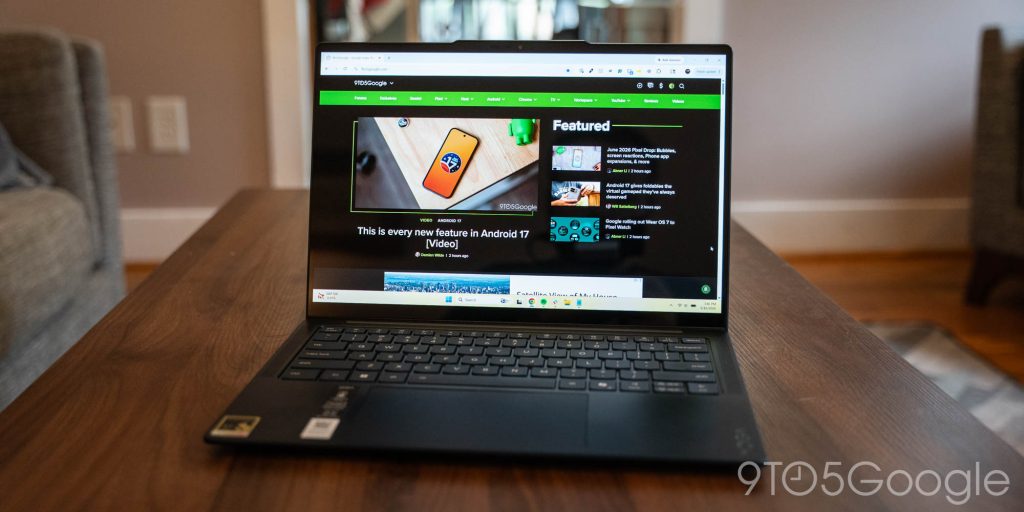
Lenovo sent me a fully loaded Yoga Slim 7x – that’s Snapdragon X2 Elite at 4.70GHz, 32GB of RAM, and a 1TB SSD. It’s a beastly configuration, and you can feel that right away. This laptop is noticeably quicker than my Surface ever was, with Windows menus flying, and Google Chrome has been speedy too. On its battery-focused power mode, the fans rarely kick on, but they roar to life when you plug in or switch to a performance mode. Not a big deal by any means, but it shows how much horsepower is held back by the power-saving modes. This machine has a lot more to give when you let it fully unleash.
As mentioned earlier, I switched to a MacBook Air (M5) earlier this year. Begrudingly so, as I dislike macOS and generally prefer Windows. The thing that really sold me on the swap was the first time I used Adobe Premiere Pro on the Mac, because after two years of watching 1-minute videos take 10-15 minutes to export, the Mac’s near-instant export was breathtaking.
So, how did the Yoga with Snapdragon X2 Elite stand up?
Not great, but a whole lot better than the first generation. It took around 3 minutes for a 1-minute video (with transitions, speed adjustments, etc) to export while on battery life on the “Balanced” power mode. Perfectly acceptable in my book, but still with room for improvement.
As far as the battery life goes, it’s great. This is an all-day machine with ease, and standby is fantastic. Over a full week sitting in sleep drained the battery by around 15%.
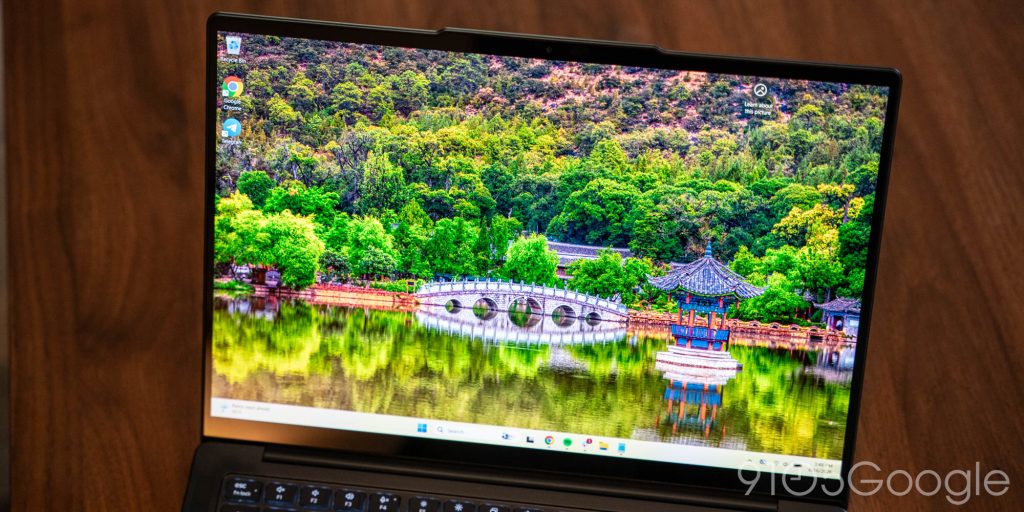
Rounding things out on the Yoga Slim 7x, I adore the display. The 14-inch OLED panel is vibrant and bright and everything I wish my MacBook Air offered, especially the 120Hz refresh rate. You can get that in Apple’s Pro tier, of course, but Lenovo packed it into a machine that’s not really all that much bigger than the Air, and certainly more compact than the Pro.
The biggest uphill battle Windows laptops are facing amid the ongoing madness of RAMageddon has been value, but Lenovo is putting up a pretty good fight here.
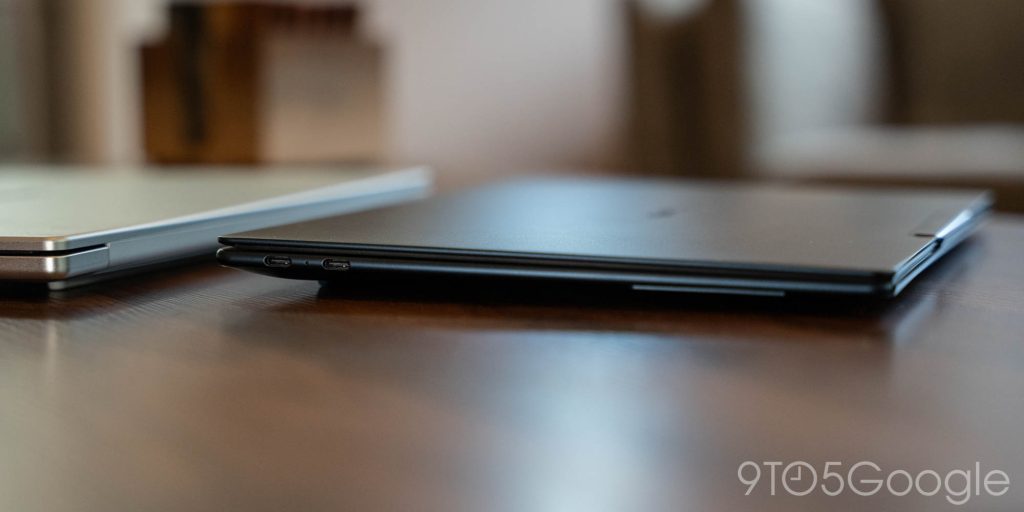
Lenovo Yoga Slim 7x starts at $1,199, and you’re getting a Snapdragon X2 Plus chip for that price alongside 16GB of RAM and 512GB of storage. It’s roughly comparable to the base MacBook Air for only $100 more and, honestly, you’re getting a pretty comparable machine. The MacBook’s M5 chip wins on paper and in certain applications, like video exports, but the day-to-day usage will be pretty comparable. But that’s while I think Lenovo wins out on hardware – especially the display. My only big gripe is that the Slim 7x still uses the “diving board” style trackpad – it’s fine, of course, but after two years on Surface and some time on MacBooks, I’m a big fan of the haptic trackpads now. A smaller thing on the hardware front is the speaker setup. Lenovo’s drivers are top-facing, but they still sound a little muddy.

But one of the big questions I did have was around the base model.
Snapdragon X2 Elite is the most powerful version of this chip, and it costs a whole lot. The configuration of Slim 7x I’m using costs $1,799 – not cheap, but not overbearing in today’s market. But Lenovo also sent over the latest IdeaPad Slim 5x which packs the base Snapdragon X2 Plus and 16GB of RAM, just like the base Yoga Slim 7x.
While I didn’t spend nearly as much time on this machine, first impressions went well. Windows as a whole is snappy, and my Premiere Pro test went pretty well. Similar videos were exported in roughly the same time – around 3x the video length to export, at least in these small examples I was editing and exporting.
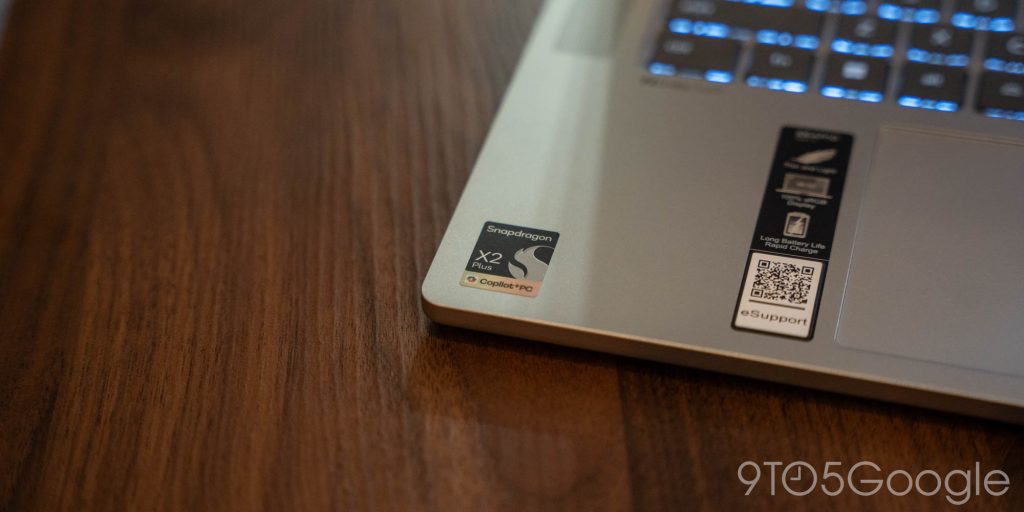
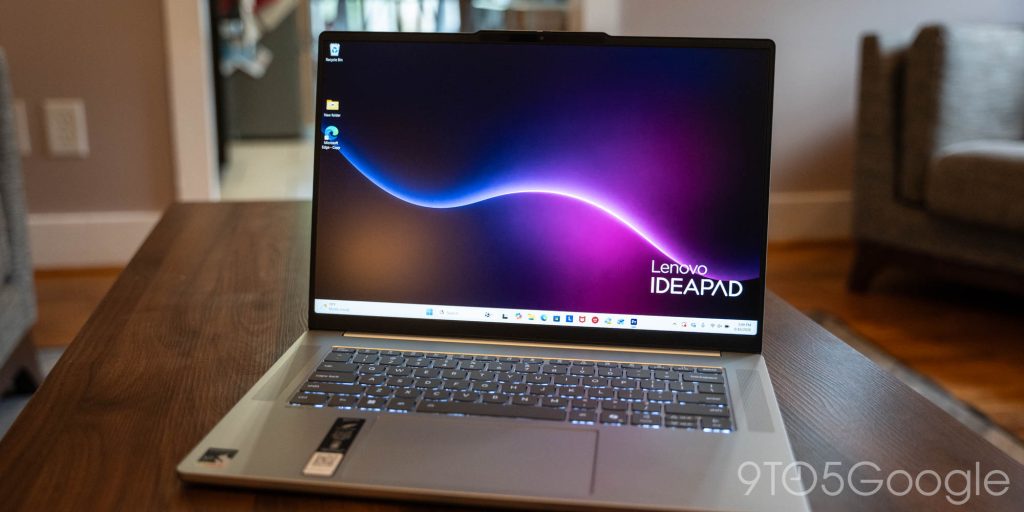
Together, they showed me that, yes, there are still some good values in the Windows world right now.
Compared to the latest Samsung Galaxy Book on the new Snapdragon X2 chip, the Yoga Slim 7x is a drastically better value, especially seeing as Lenovo hosts sales. Right now, the Snapdragon X2 Elite + 32GB of RAM + 1TB SSD version of Yoga Slim 7x is under $1,500. Amid “RAMageddon,” that’s a pretty good deal in my book.
IdeaPad Slim 5x, meanwhile, runs $849, a pretty good deal overall for a laptop that checks a lot of the same boxes for battery life and quality.
- Yoga Slim 7x (X2 Elite, 32GB RAM, 1TB) at Lenovo.com
- Yoga Slim 7x (X2 Plus, 16GB RAM, 512GB) at Lenovo.com
- IdeaPad Slim 5x (X2 Plus, 16GB RAM, 512GB) at Lenovo.com
More on Windows:
- Microsoft’s new Surface Laptop and Surface Pro upgrade to Snapdragon X2 and start at $1,499
- Samsung Galaxy Book 6 Edge with Snapdragon X2 Elite is $2,100, only 16GB of RAM
- Nvidia RTX Spark sounds like it might be a great Windows chip even beyond the AI
Follow Ben: Twitter/X, Threads, Bluesky, and Instagram


FTC: We use income earning auto affiliate links. More.



Comments