
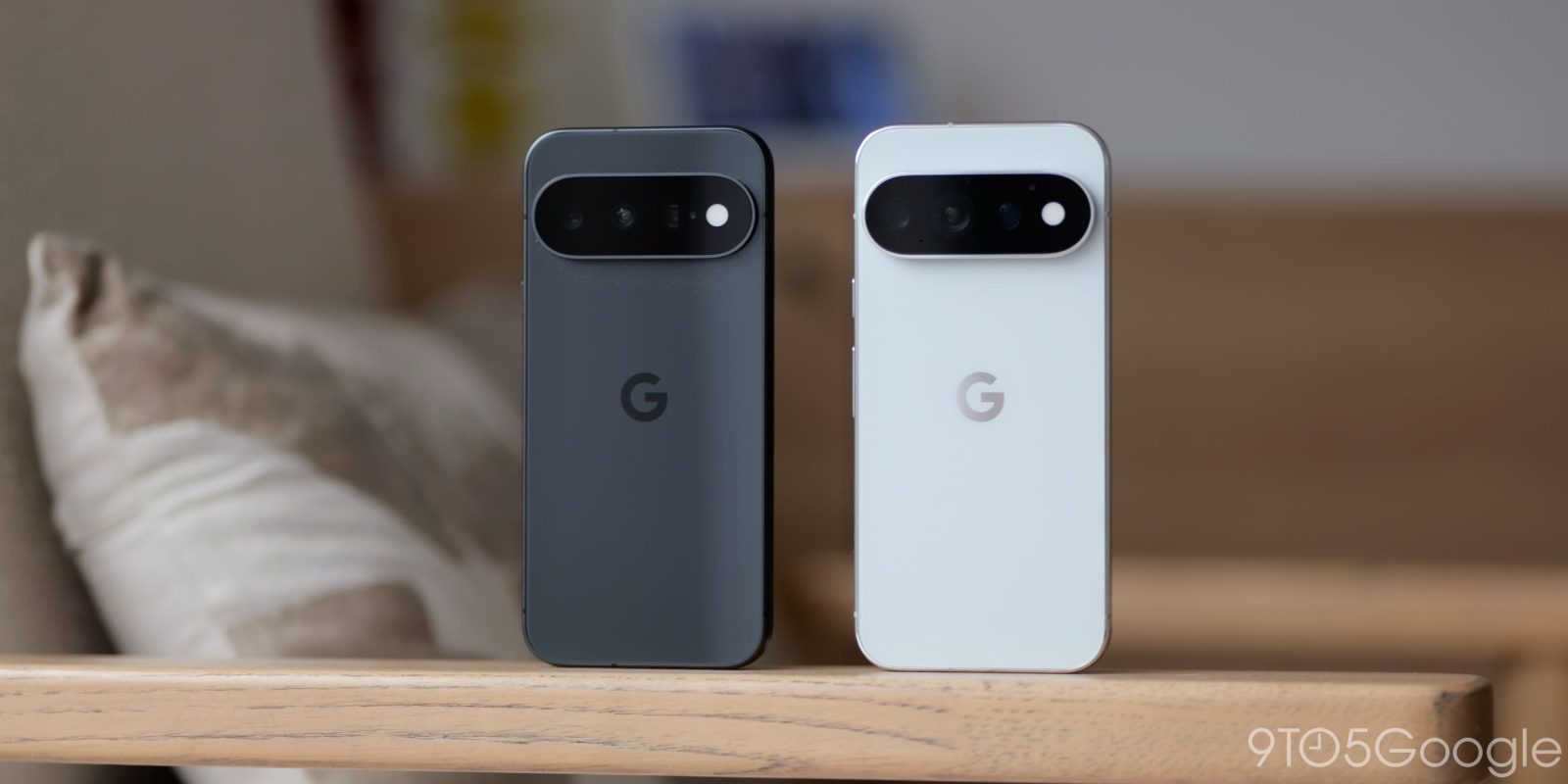
More of the same isn’t always a bad thing, but in some cases it could be. Does that ring true with the Pixel 11 and Pixel 11 Pro? Find out here.
For more video content, subscribe to 9to5Google on YouTube.
Hardware
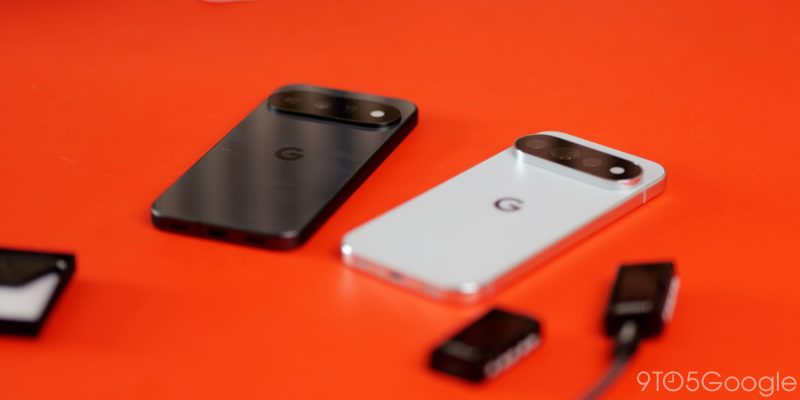
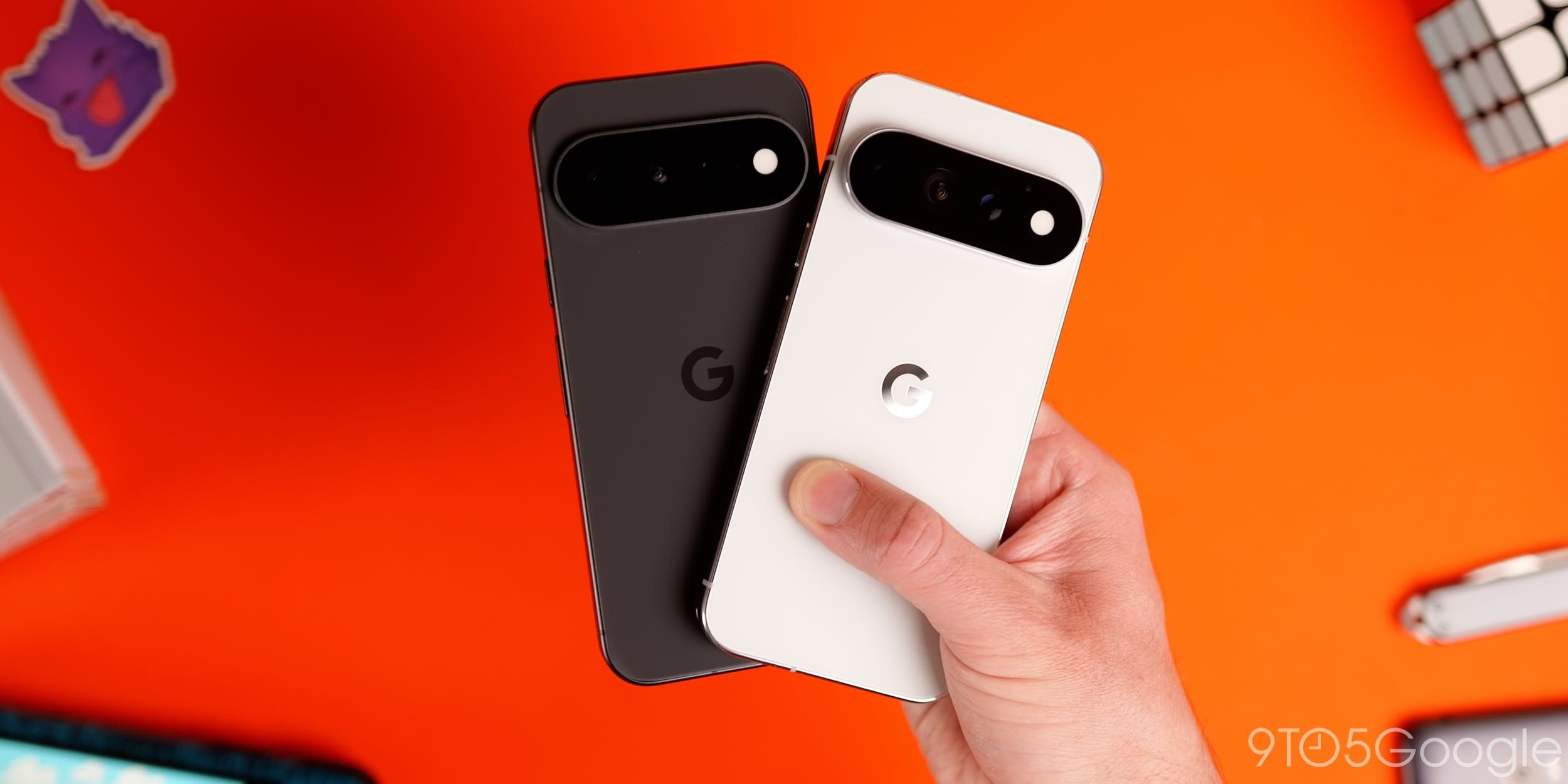
We’re looking at some very similar designs again for 2026 and 2027. Yes, the Pixel 11 and 11 Pro look like the Pixel 10, which in turn looked like the Pixel 9. That’s not to say some changes haven’t been made, the most important is to the camera bar.
The outer frame is metal, but the “bar” is glass. Google also slimmed down the thickness of the Pixel 11 camera bar. It’s thinner and doesn’t stick out quite as much. The Pixel 11 Pro camera bar still protrudes. This is something to consider, as although supported cases work on both phones, the Pixel 11 Pro camera sticks out more and could be in harm’s way. You should check that any third-party case is fully compatible with both models before picking one up.
The Pixel 11 Pro has a higher-resolution 1280 x 2856 panel, while the base Pixel 11 stays at 1080 x 2424. The cheaper phone has thicker bezels, and because it’s not LTPO — supporting a 60–120Hz refresh rate instead — it lacks some of the hyper-dynamic refresh rate changes that the Pro’s 1–120Hz LTPO display offers.
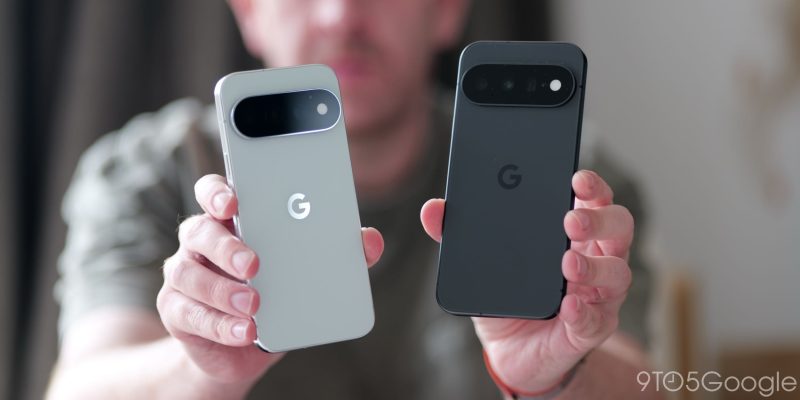
They are both super bright panels, though, reaching up to 3,000 nits of peak brightness on the base Pixel 11 and an illuminating 3,600 nits on the Pixel 11 Pro. For protection, the base model still uses standard Corning Gorilla Glass Victus 2, but the Pro adds a specialized anti-scratch coating on top of its Victus 2 glass, delivering more than double the scratch resistance compared to previous models. Even so, a screen protector might still feel necessary in our experience if you’re going to use the HiLight feature, which requires your phone to be face down.
There are a few things to be aware of spec-wise. The base Pixel 11 comes standard with 12GB of RAM and storage options of 256GB or 512GB. The Pixel 11 Pro runs similarly at the entry-level, shipping with 12GB of RAM for its 256GB storage option.
That is down from 16GB on the Pixel 10 Pro, and if you want Google’s top-tier performance configuration, only the 512 GB and 1 TB models of the Pro step up to 16 GB of RAM. One bonus is that all models now have UFS 4.0 storage by default on the entry-level tier of either phone. Google has locked even faster storage performance to higher tiers, meaning you must upgrade to at least the 512 GB tier on either model to get the benefit of Zoned UFS.
Other little things to be aware of are that the Pixel 11 has Wi-Fi 6E connectivity, while the Pixel 11 Pro has Wi-Fi 7 connectivity, and it also has UWB support for better Bluetooth connectivity and some benefits when using digital car keys.
The Pixel 11 Pro also has HiLight. To be frank, this is just a colorful LED integrated into the flash. It serves as an indicator for Gemini and calls when face down in Flip to Shh mode. A basic, limited notification LED. That’s all it does at launch.
Software
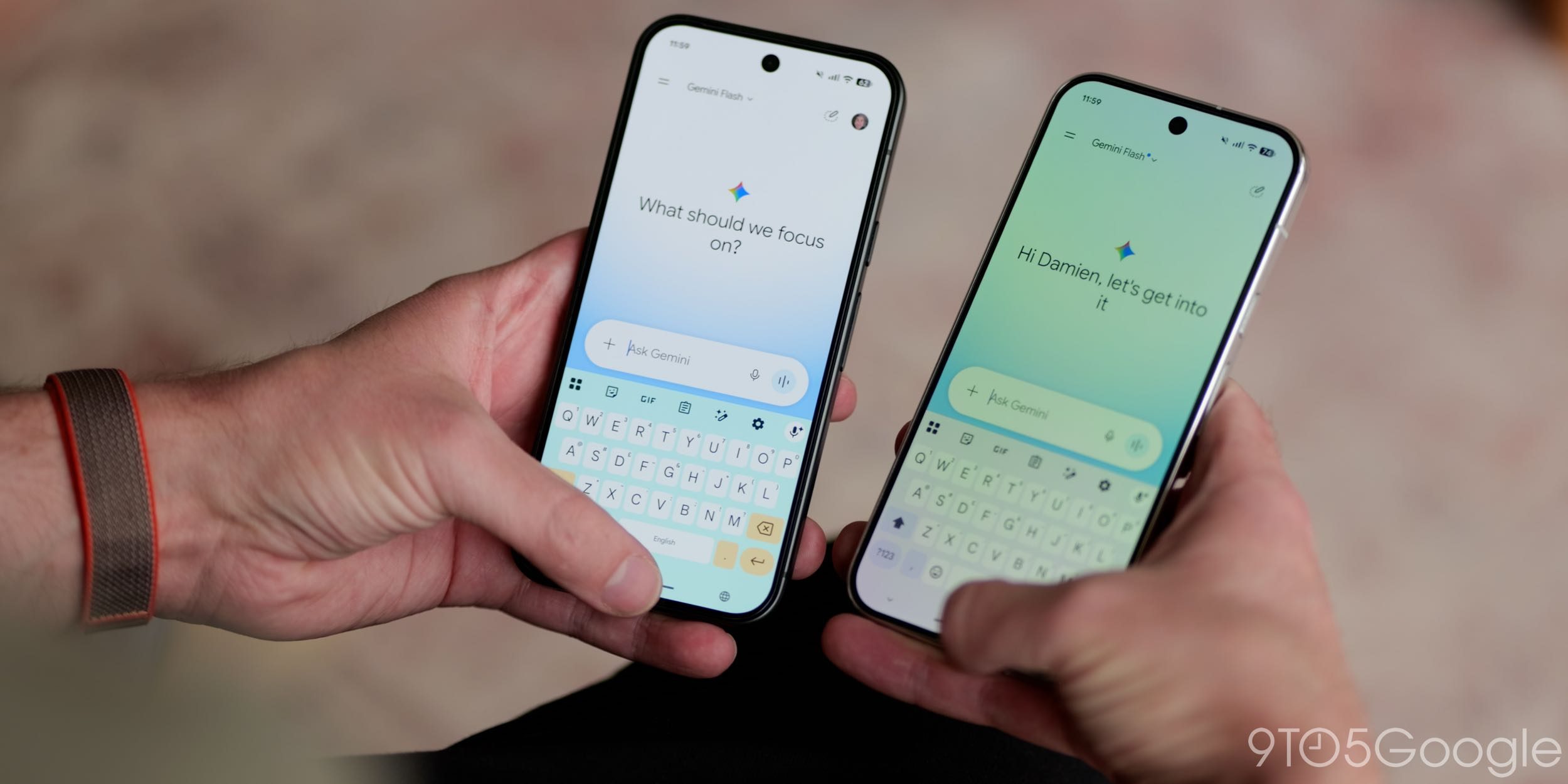
There is zero change between how the Pixel 11 and Pixel 11 Pro look and feel. Android 17 is identical, even down to all of the core features and functions. The Pro doesn’t get anything extra. There may be some benefits with the addition of Zoned UFS with the 512GB and 1TB models, or long-term performance gains if you pick the 16GB RAM version.
HiLight gives you some extra controls for the color tuning of the rear notification LED. This is limited, but it works only in the Contacts application as of today. Further compatibility is expected in the coming months.
There’s the default promise of seven years of OS, security, and Pixel Drop updates. So, at least in theory, expect these phones to get OTAs until August 2033. Whether the hardware will last that long is another question entirely.
Brand-new AI features introduced on the Pixel 11 series include Gemini Intelligence for proactive task offloading, allowing you to delegate routine tasks like restaurant reservations or compare shared apartment and hotel links directly inside your text chats.
Gboard’s Rambler voice-to-text tool cleans up spoken filler words, alongside Gboard’s Sign-to-Text input, which translates sign language in real time using the front-facing Pixel Camera.
For photo and video creation, both models benefit from the new conversational, Gemini-powered Edit with Ask Photos, sensor-level film aesthetics with fully customizable Camera Looks, and the comprehensive video production tools of the Creator Suite.
Lastly, they both feature the brand-new Magic Capture mode to automatically extract the five best HDR+ frames from a short video clip and real-time 4K Portrait bokeh video, ensuring you don’t miss out on these cutting-edge flagship innovations by choosing the base model
Battery
A couple of things stand out right away with the Pixel 11 and 11 Pro. Firstly, the base model has a bigger battery at 4,985 mAh compared to the Pixel 11 Pro’s 4,850 mAh. We don’t even know the reason for this change because they retain identical physical footprints (both measuring 6.0 x 2.8 x 0.3 inches).
Both support fast charging up to 55% in about 30 minutes with a 30W USB-C PPS charger or higher, which, let’s be honest, is still somewhat slow by modern Android smartphone standards.
The upgraded Qi2.2-certified Pixelsnap wireless charging means you now get up to the full 25W rate on both models. This delivers up to 25% faster wireless charging on the base Pixel 11 and up to 29% faster on the Pixel 11 Pro compared to their predecessors. That doesn’t seem like much, but is great for Pixelsnap charger owners.
Camera
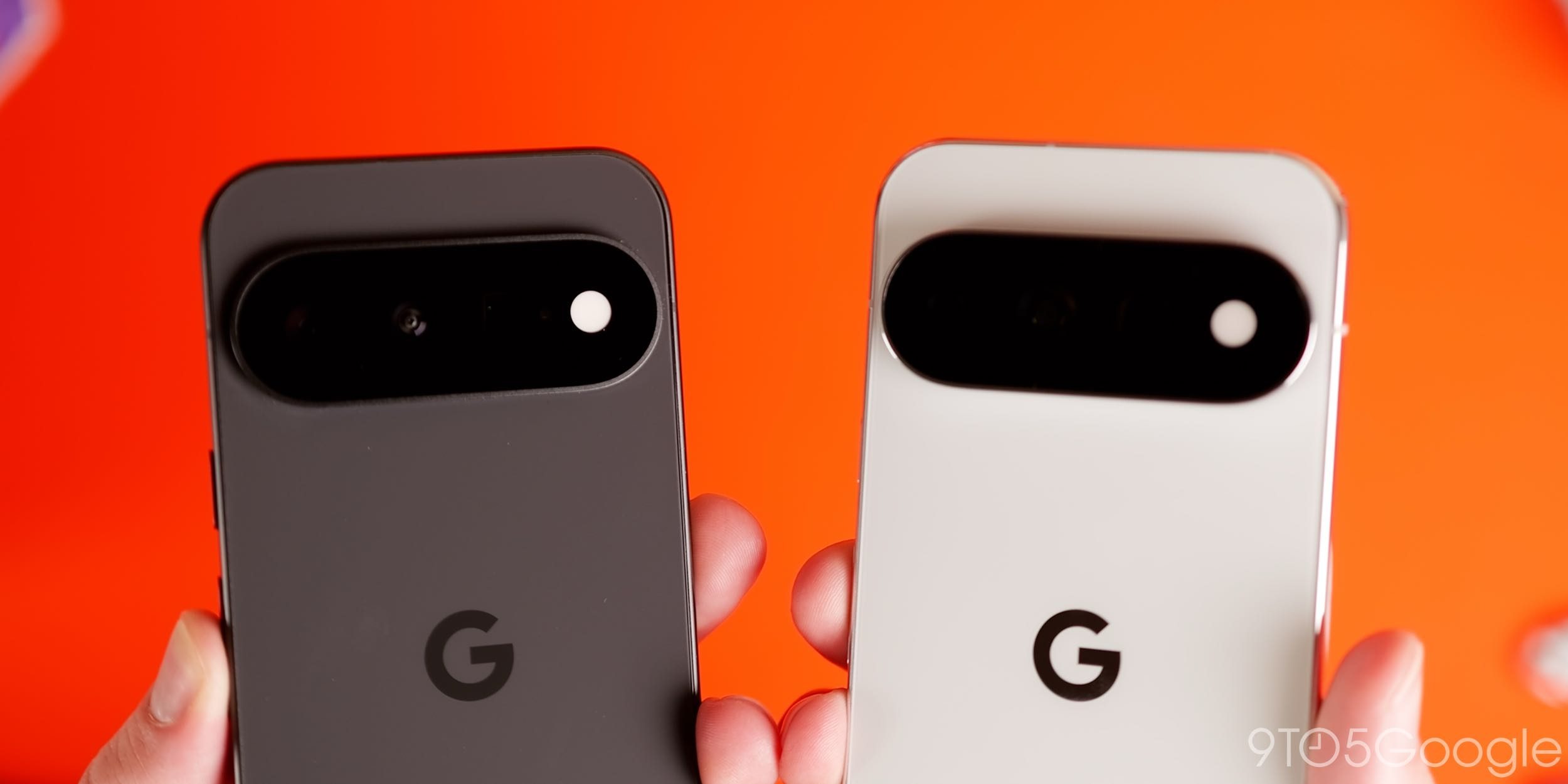
For a lot of people, the camera is where you’ll likely decide which Pixel 11 or 11 Pro phone is going to be what you want or need. The Pixel 11 has a new 48MP main sensor, but retains the same 13MP ultrawide and 10.8MP 5x telephoto from the Pixel 10. The new main is a big jump back up from the disappointing 10MP main from the base model a year prior. It offers 56% increase in light sensitivity, so it is just a better sensor all around.
The telephoto hasn’t changed, but Super Zoom is now supported up to 30x on the base Pixel 11, which is a nice bump up from the 20x limit on the previous generation. Google says this is thanks to the Tensor G6 chip.
While software tuning and the improved primary sensor help the phone, you will still get a vastly superior camera experience on the Pixel 11 Pro over the standard Pixel 11, no matter how you cut it.
On the Pixel 11 Pro, Google has packed a much more advanced triple array, including a redesigned 48 MP telephoto camera that pulls in 32% more light. This improved lens enables up to 120x Pro Zoom, combining Tensor G6 hardware with the latest AI imaging models to improve blocky, long-distance photos with a level of clarity that is impressive if a little artificial.
Fortunately, you don’t lose out on some of Google’s best shooting guidance on the cheaper option, as Camera Looks are still here, Magic Camera, Portrait Blur video, and the Creator Mode are available. It misses out on the Instant Night Sight, Video Boost, Super Res Zoom Video,
If you want the best Pixel photos and videos, the choice remains simple: the Pixel 11 Pro is far more capable than the standard Pixel 11.
Pixel 11 vs. Pixel 11 Pro: Which should I choose?
About upgrading: 9to5Google often gives specific product recommendations. Sometimes, we may suggest not upgrading, due to various reasons including, but not limited to: increased device cost, negligible performance gains, or environmental impact. Whether to upgrade is always your call, but our aim is to help you make as informed a decision as possible.
It’s a tough year to be a smartphone buyer. There are some difficult decisions you will have to make where an upgrade is concerned, and the Pixel 11 lineup signifies this much more than almost any other recent release.
The Pixel 11 doesn’t feel like it has been held back this year like the Pixel 10 was. You get enough functionality to get within touching distance of the Pixel 11 Pro. Most people will be really well-suited to the base model, because it has some important upgrades.
Being able to stomach the price jumps is another problem entirely. The Pixel 11 Pro is now well over $1,000. The Pixel 11 starts at an eye-watering $899 in the US, which is very high for what you get. There is a lot of settling within either price bracket this time.
Last year’s phones might provide you with substantially more bang for your buck because you’re still getting 90% of the Pixel 11 at under 70% of the cost. If you must have Google’s latest phones, wait a little while until we see sales and further discounts. Some trade-in deals have softened the blow of the RAM downgrades and price increases, so be sure to shop around for a deal that works for you – or check out the best current deals below.
Pixel 11: Google Store | Amazon | Best Buy
Pixel 11 Pro: Google Store | Amazon | Best Buy


FTC: We use income earning auto affiliate links. More.


Comments