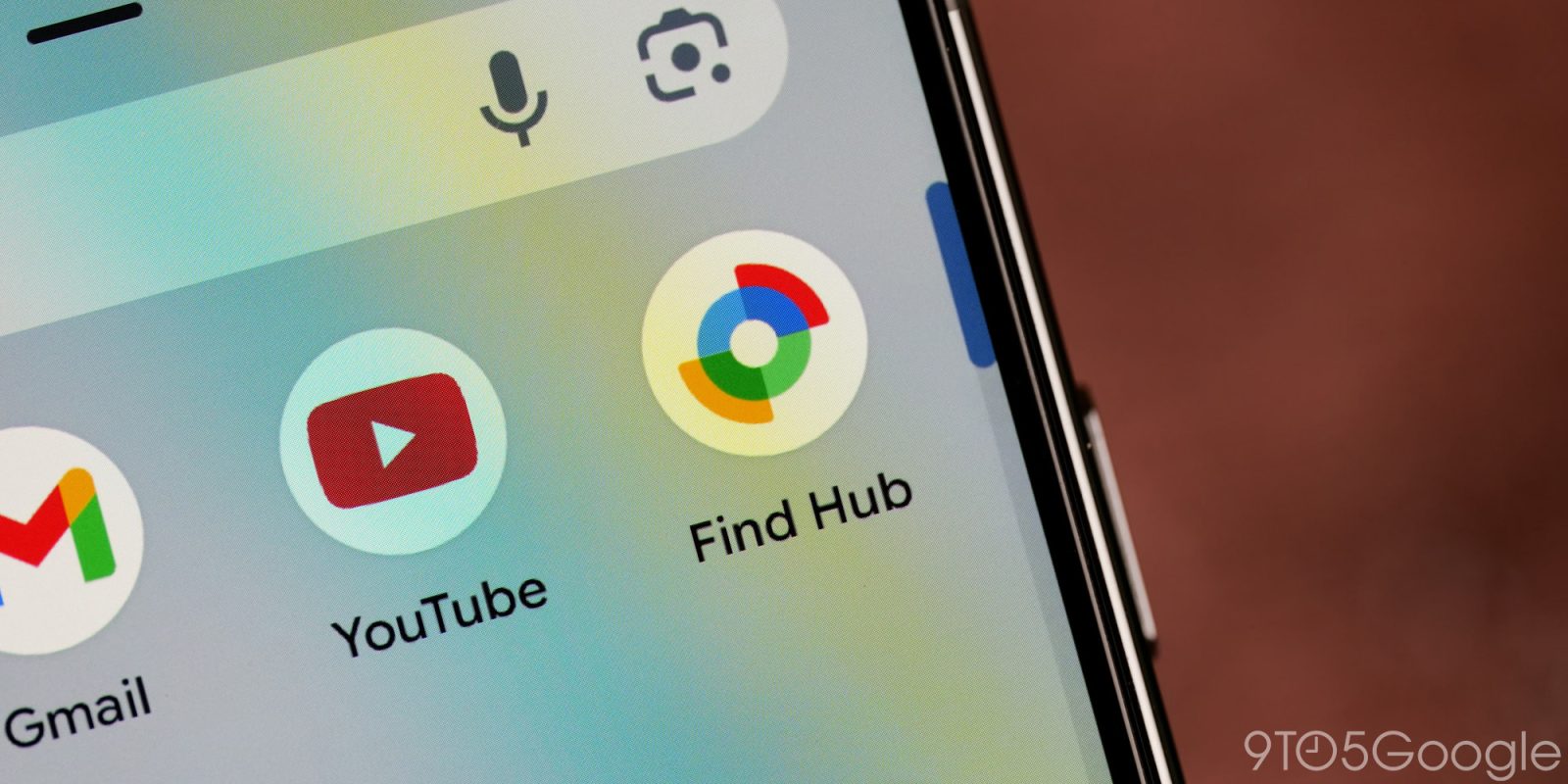
Find Hub app hits 1 billion downloads on Google Play Store

Following the rebrand this year, the Find Hub app has reached over 1 billion downloads on Google Play.
Expand Expanding Close
Following the rebrand this year, the Find Hub app has reached over 1 billion downloads on Google Play.
Expand Expanding Close
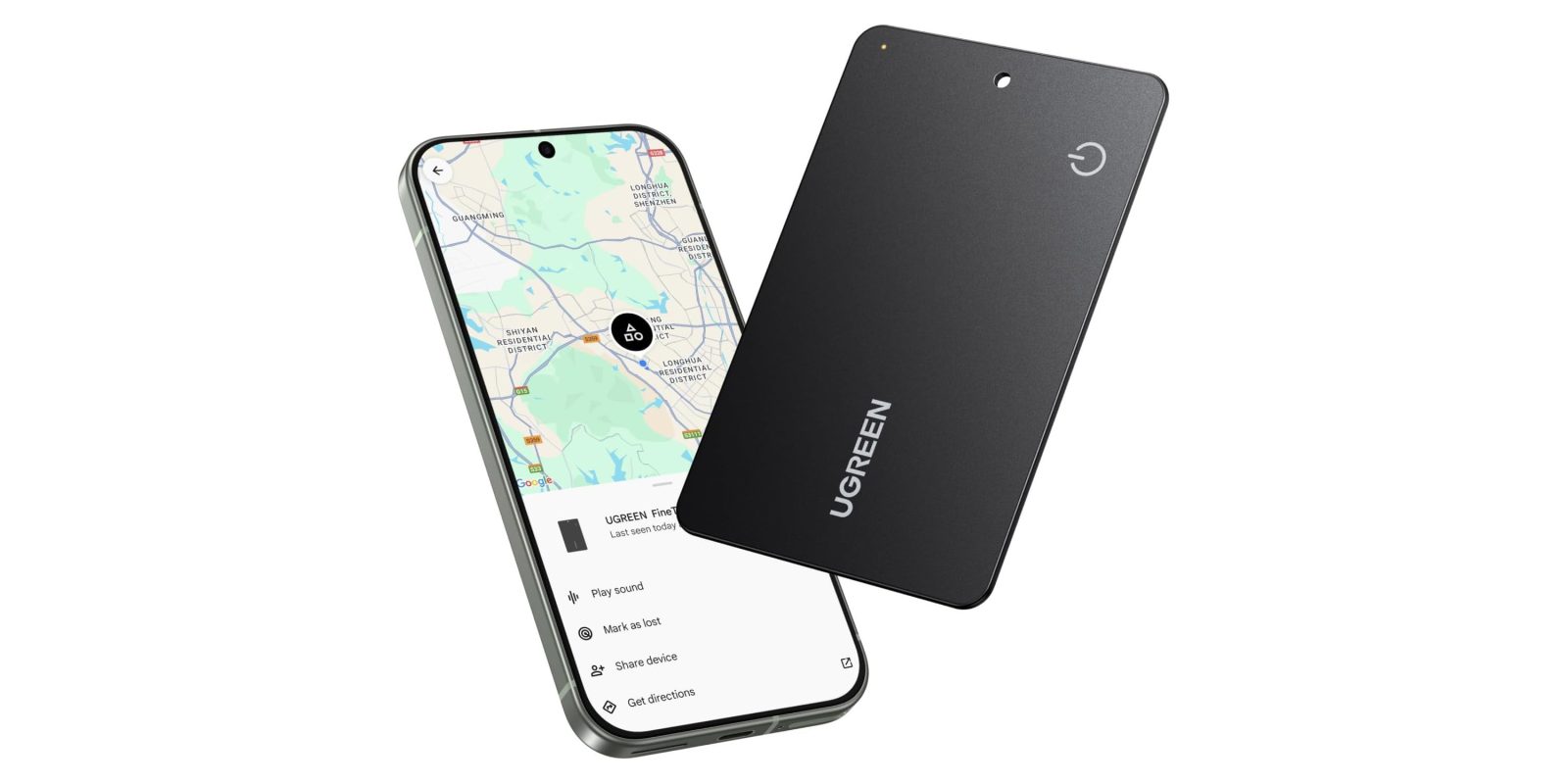
Find Hub trackers are pretty widely available at this point, but many of the credit card-sized wallet trackers are a bit on the thick side. That’s where UGreen’s new Find Hub wallet tracker steps in, with an ultra-thin design and 5-year battery life.
Expand Expanding Close
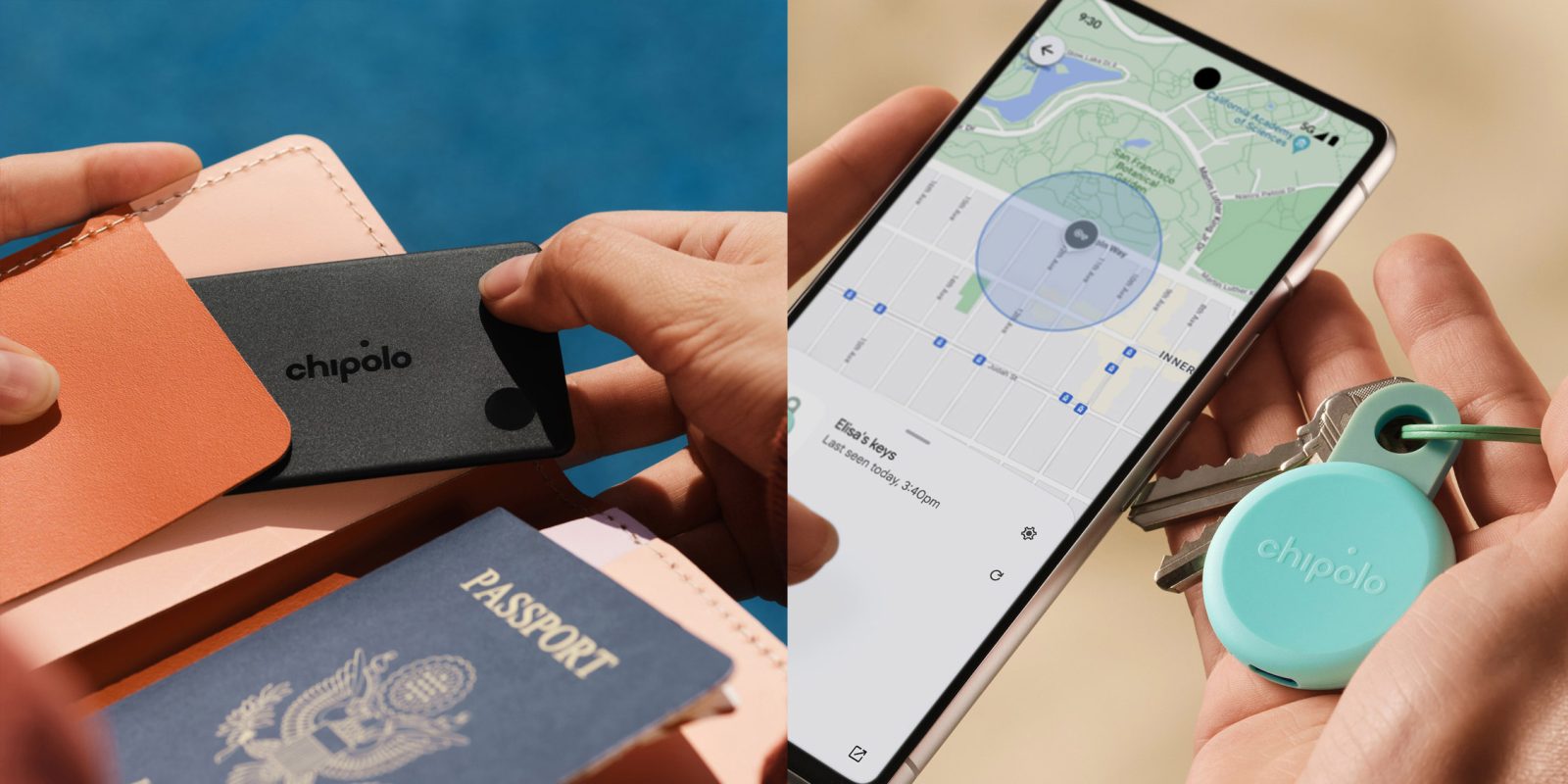
Batteries have been a big downside of Chipolo trackers for some time, but the brand is now launching two new products – Chipolo Loop and Chipolo Card – which support Android’s Find Hub network and also go all-in on rechargeable batteries over alternatives.
Expand Expanding Close
Google is rolling out a small update to the Find Hub app on Android that brings a handful of Material 3 Expressive tweaks.
Expand Expanding Close
Google is apparently preparing for a change to Find Hub which would get more Android users enrolled in the network.
Expand Expanding Close
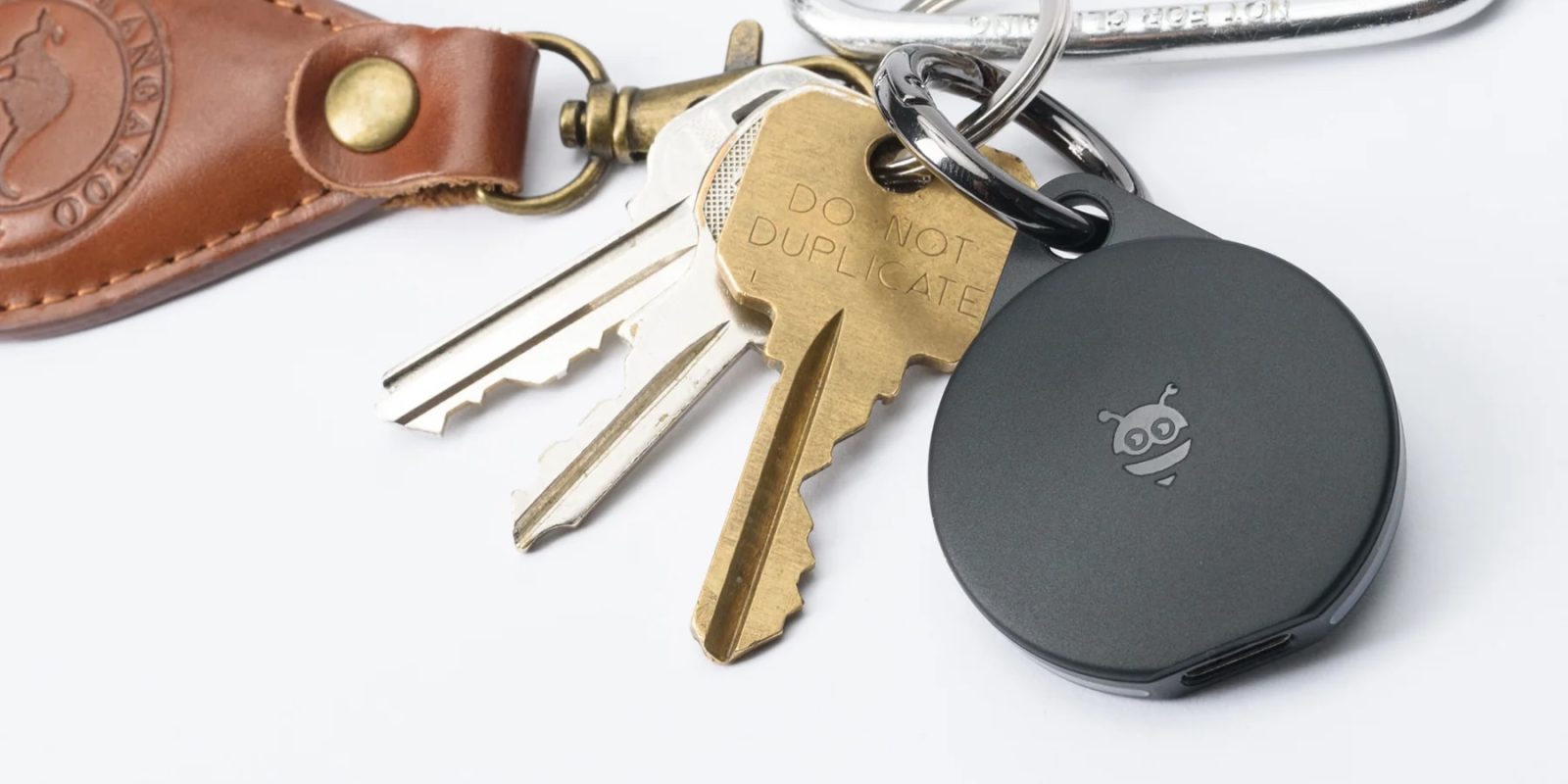
Pebblebee is expanding on its new “Alert” functionality with a new “Alert Live” subscription that adding live location sharing at the press of a button on the Find Hub-compatible trackers.
Expand Expanding Close

Google announced with the Find Hub rebrand that the Moto Tag would start getting the UWB (ultra-wideband) nearby finding update in May. The actual rollout started a month later, with wide availability now here.
Expand Expanding Close

If you have a Pebblebee Clip, one of the first trackers for Android’s Find Hub network, you’re getting a free new feature in “Alert” which can activate a siren as well as sending your location to a “Circle” of friends and family in an emergency.
Expand Expanding Close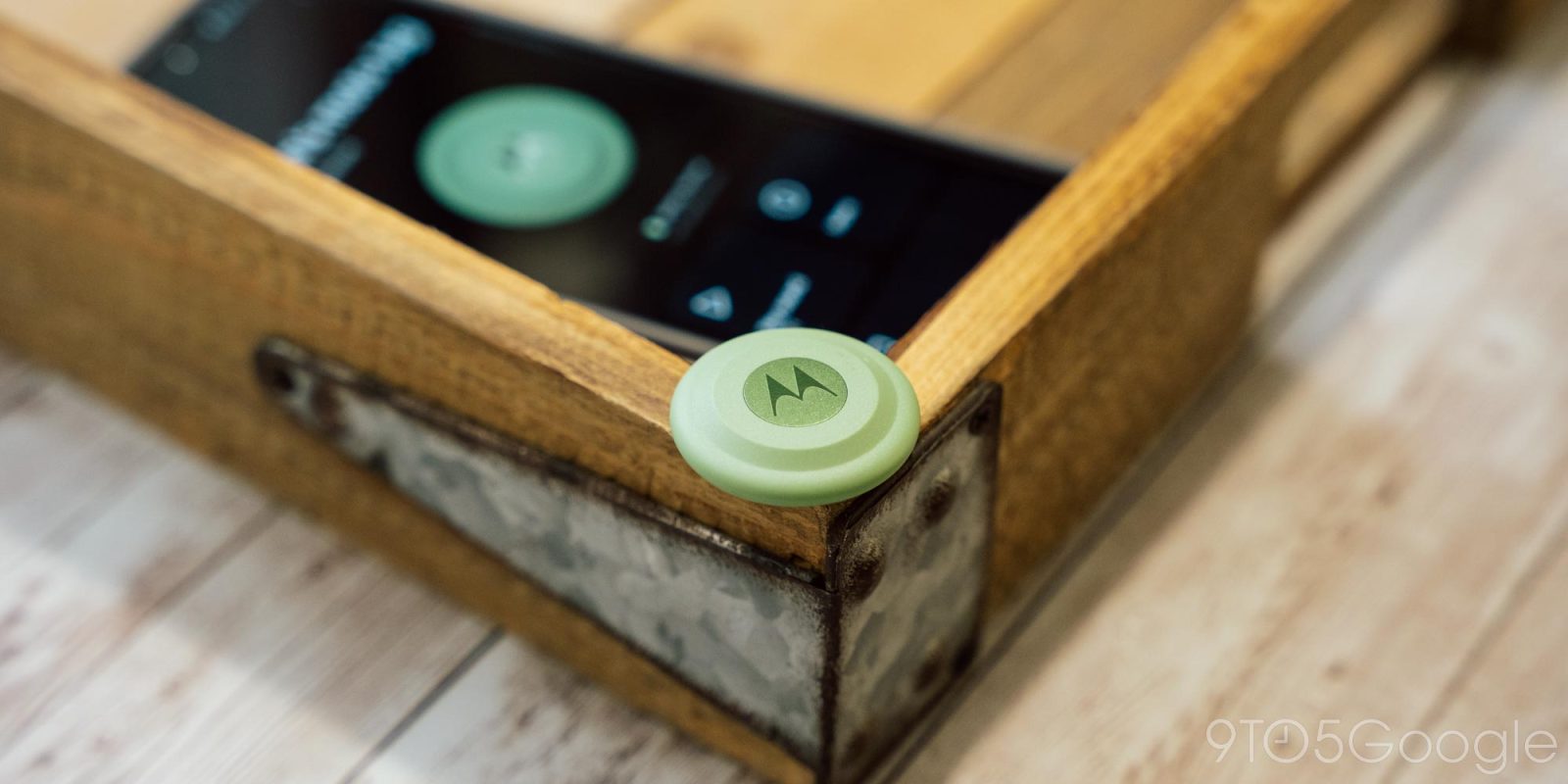
There aren’t many trackers for Android’s Find Hub network, but one of our favorites is the Moto Tag, which is why it’s frustrating that it’s been so hard to purchase for a while. Now, finally, you can easily buy a single Moto Tag with quick delivery via Amazon.
Expand Expanding Close

Google is making a change to Android device setup that will prompt users to change their Find Hub privacy settings, hopefully addressing a long-standing shortcoming of Google’s tracker network.
Expand Expanding Close
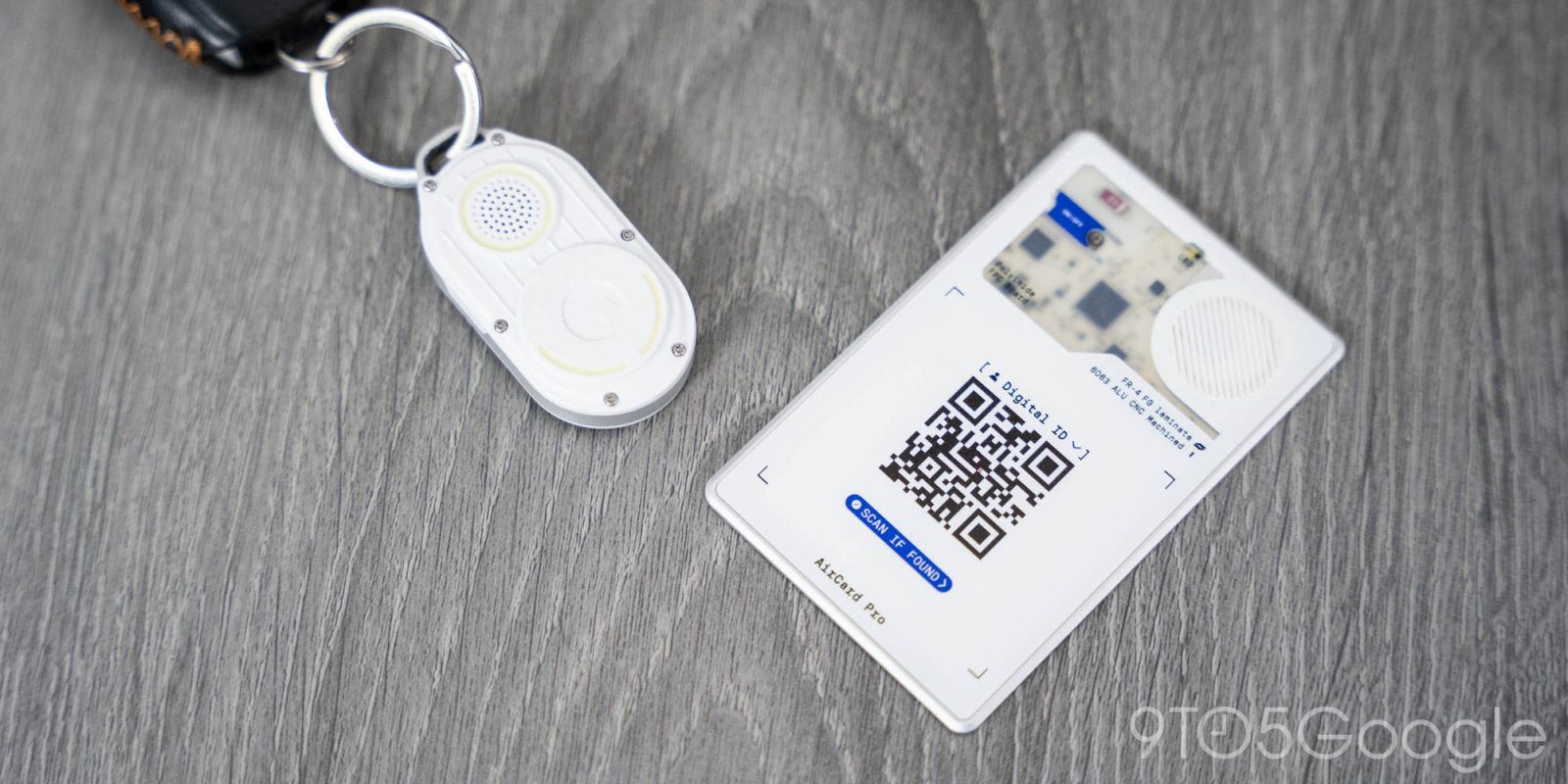
Trackers for Android’s Find Hub network are quickly becoming easy to find in a variety of form factors, and at a ton of different price points. But they’re all quite similar in that they’re just an AirTag, but for Android. With its AirNotch Pro and AirCard Pro, though, Rolling Square has crafted what have quickly become my favorite Find Hub trackers.
Expand Expanding Close
A year after its initial debut, the Moto Tag is finally the first Find Hub (formerly Find My Device) tracker for Android that supports UWB, but you’ll need a couple of updates to get things working.
Expand Expanding Close
Following the app rebrand last month, “Find Hub” is replacing “Find My Device” in Android Settings with the latest Google Play services update.
Expand Expanding Close
This was just supposed to be about how Google has yet to launch UWB finding and that I’ve gone all-in with the Moto Tag as my tracker of choice, but then “Google’s Find Hub” happened.
Expand Expanding Close
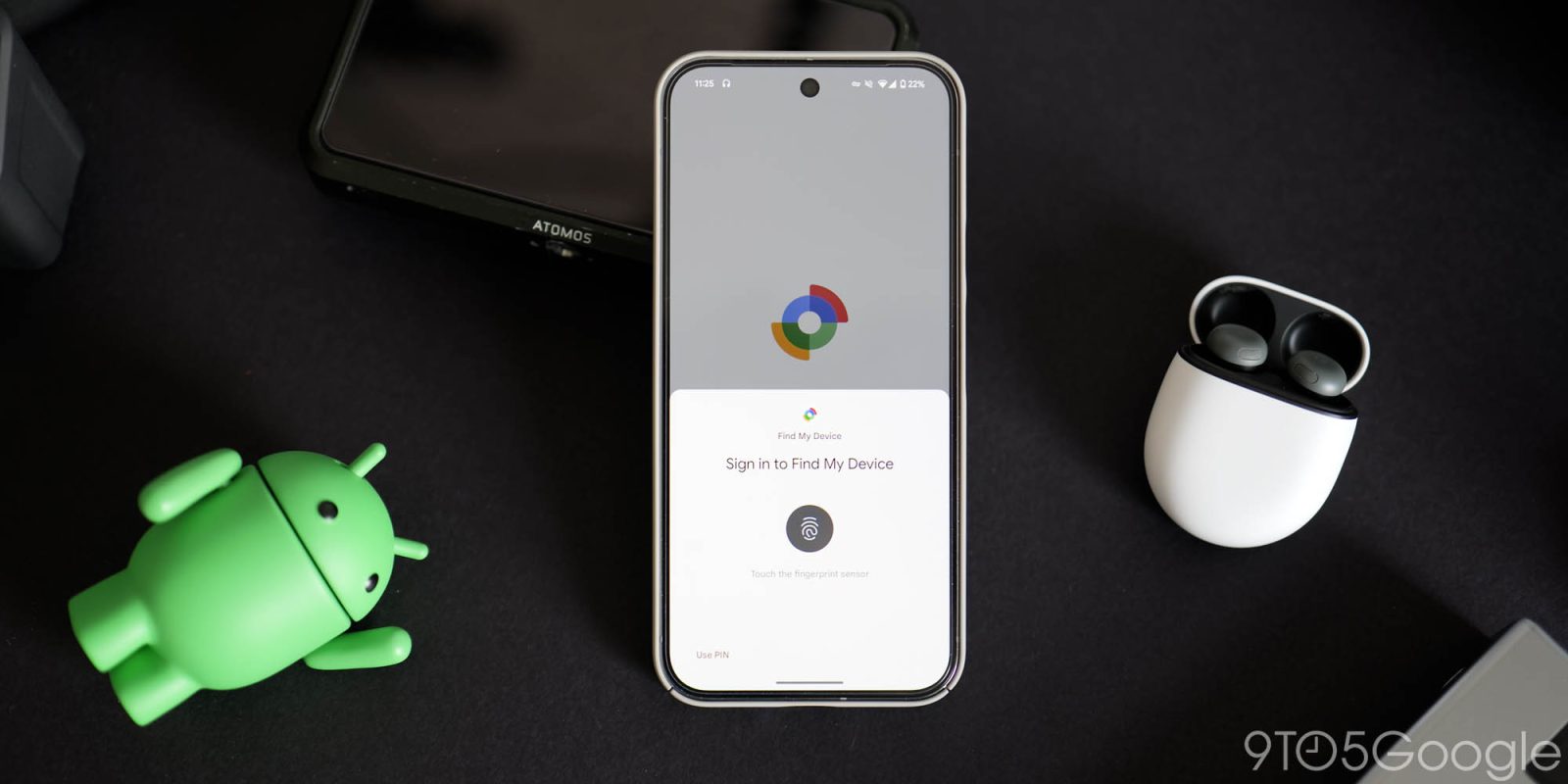
Recently, Google has changed the legacy “Find your phone” method that some Android owners have used to ring their lost or misplaced phone. In short, people should now use the new Find Hub experience.
Expand Expanding Close
As announced at The Android Show: I/O Edition last week, Google is more widely rolling out the “Find Hub” update that rebrands “Find My Device.”
Expand Expanding Close
The “Find My Device” network has suffered from bad branding long enough. That’s why I was glad to see the transition over to “Find Hub” this week, but I think Google still has one more pillar to take care of, and that’s offering better AirTag competitors for Android users.
Expand Expanding Close

One of the biggest downsides of Android’s Find My Device network – now called the “Find Hub” – was a lack of UWB (ultra-wideband) support for easily finding nearby trackers. Now, that’s finally about to be available, and Google is also teasing luggage and airline integration too.
Expand Expanding Close
After a rocky launch last year, the Google Find My Device app is getting rebranded to “Find Hub” and is bringing with it a number of new features, including built-in luggage finding.
Expand Expanding Close
Google’s Find My Device network for Android started off slow, to say the least, but has been steadily improving. Now, we’ve finally got some numbers to back up those improvements, as Google has confirmed that the Find My Device network is 4x faster at finding items, and that “more” users have been changing the default privacy settings.
Expand Expanding Close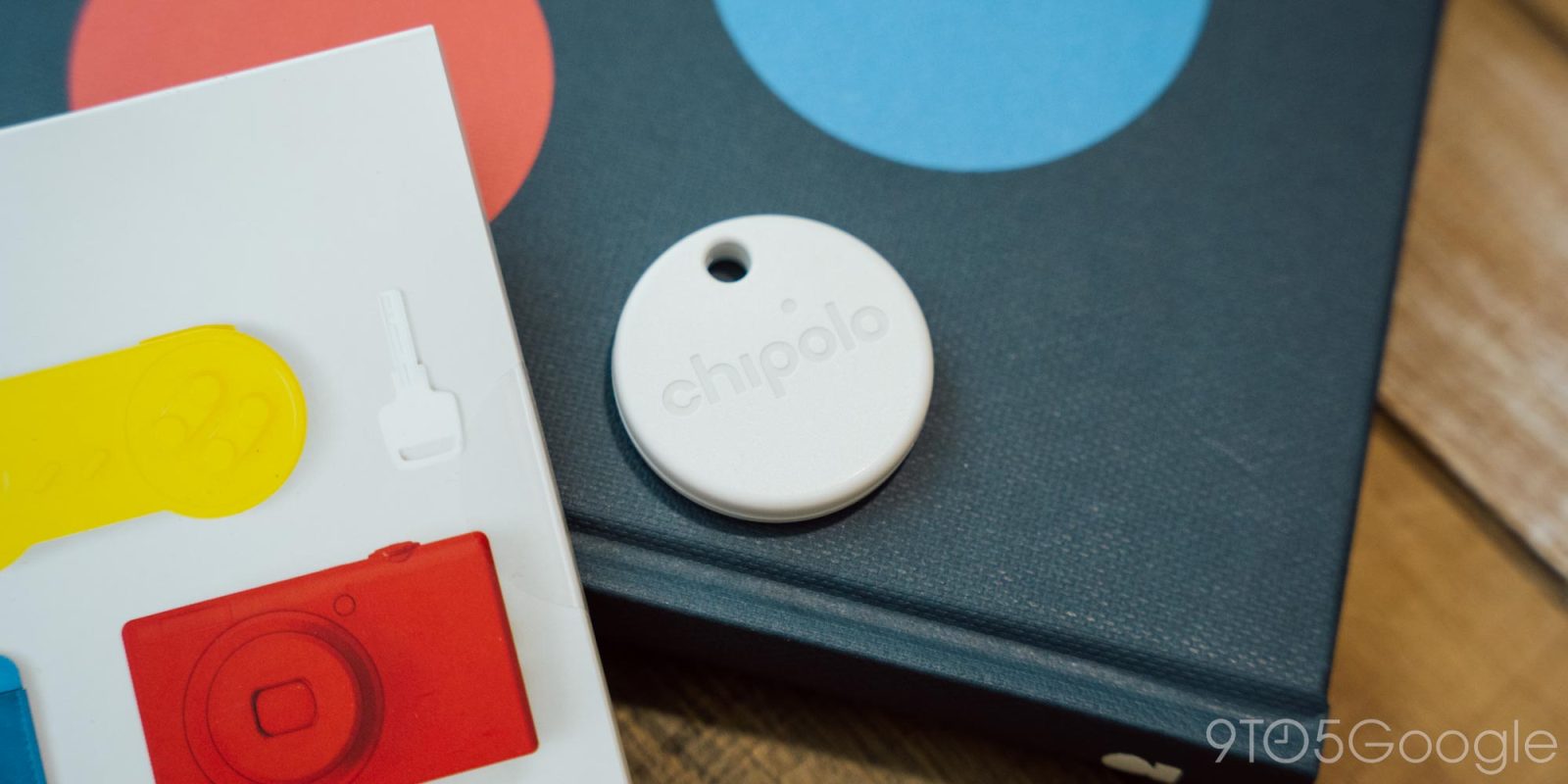
Following the introduction of its new “Pop” trackers, Chipolo has pulled the plug on its “Point” lineup of trackers that launched for Android’s Find My Device network.
Expand Expanding Close

The remote tracker industry is filled with options that cater to a couple of known networks, but not many offer compatibility with both Android and Apple’s finder networks. The Chipolo POP is a new tacker that works on the Apple Find My network and Android’s Find My Device network, and it comes in a variety of non-boring colors.
Expand Expanding Close

Find My Device’s offline tracking only works when a lot of people have the right settings, but Google initially rolled the feature out with the worst settings possible, essentially making the network worthless. On a personal and privacy level, do you actually care whether or not your device is used to locate other offline devices with Find My Device, and what setting do you use?
Expand Expanding Close
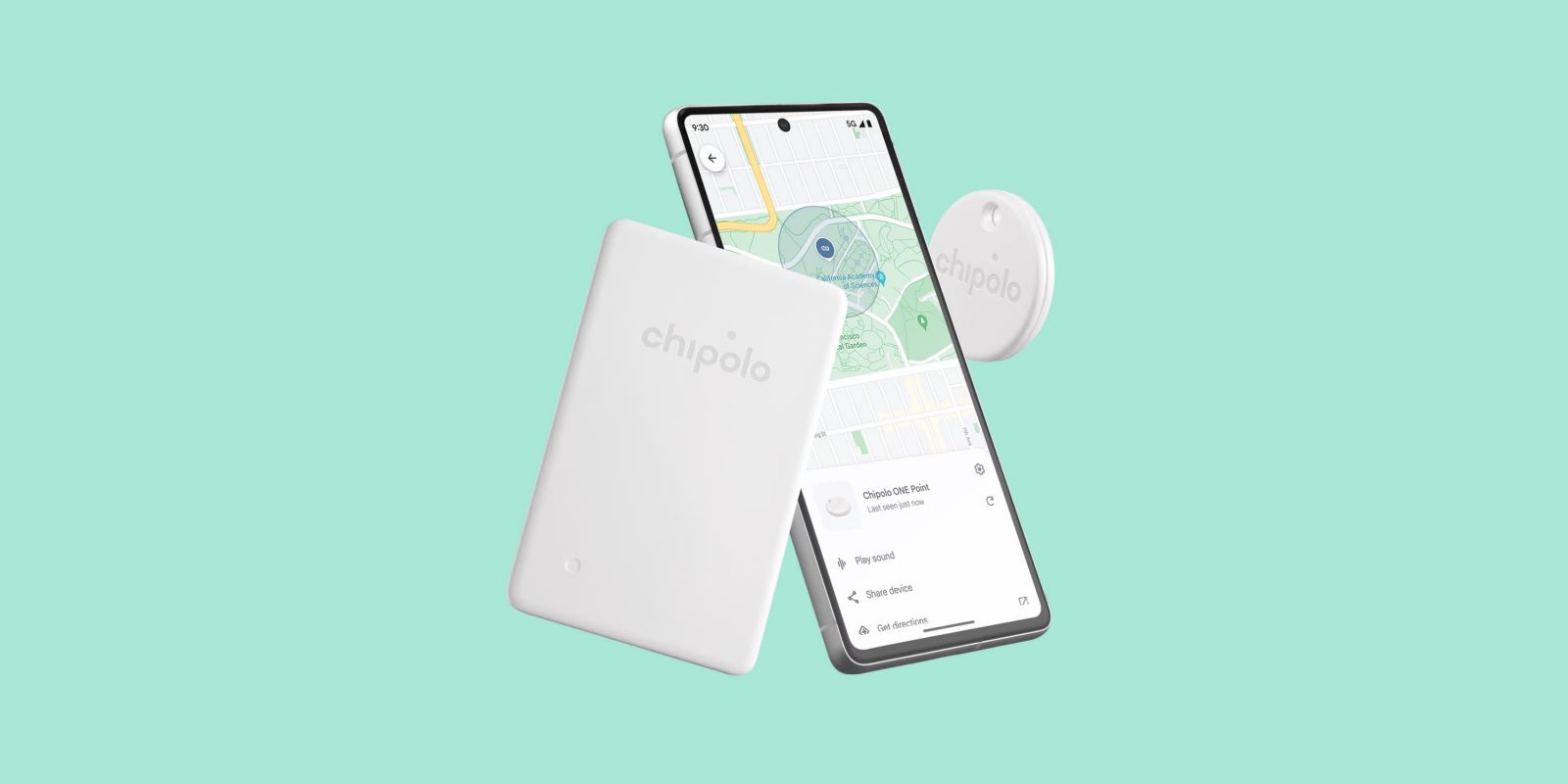
Launched to the public in 2024, the “Find My Device” network leverages billions of Android smartphones to find your devices, and also AirTag-like trackers. Here’s a list of trackers that are available for Andorid.
Expand Expanding Close