Samsung
Samsung is a technology conglomerate based out of South Korea that makes some of the world's most popular smartphones.
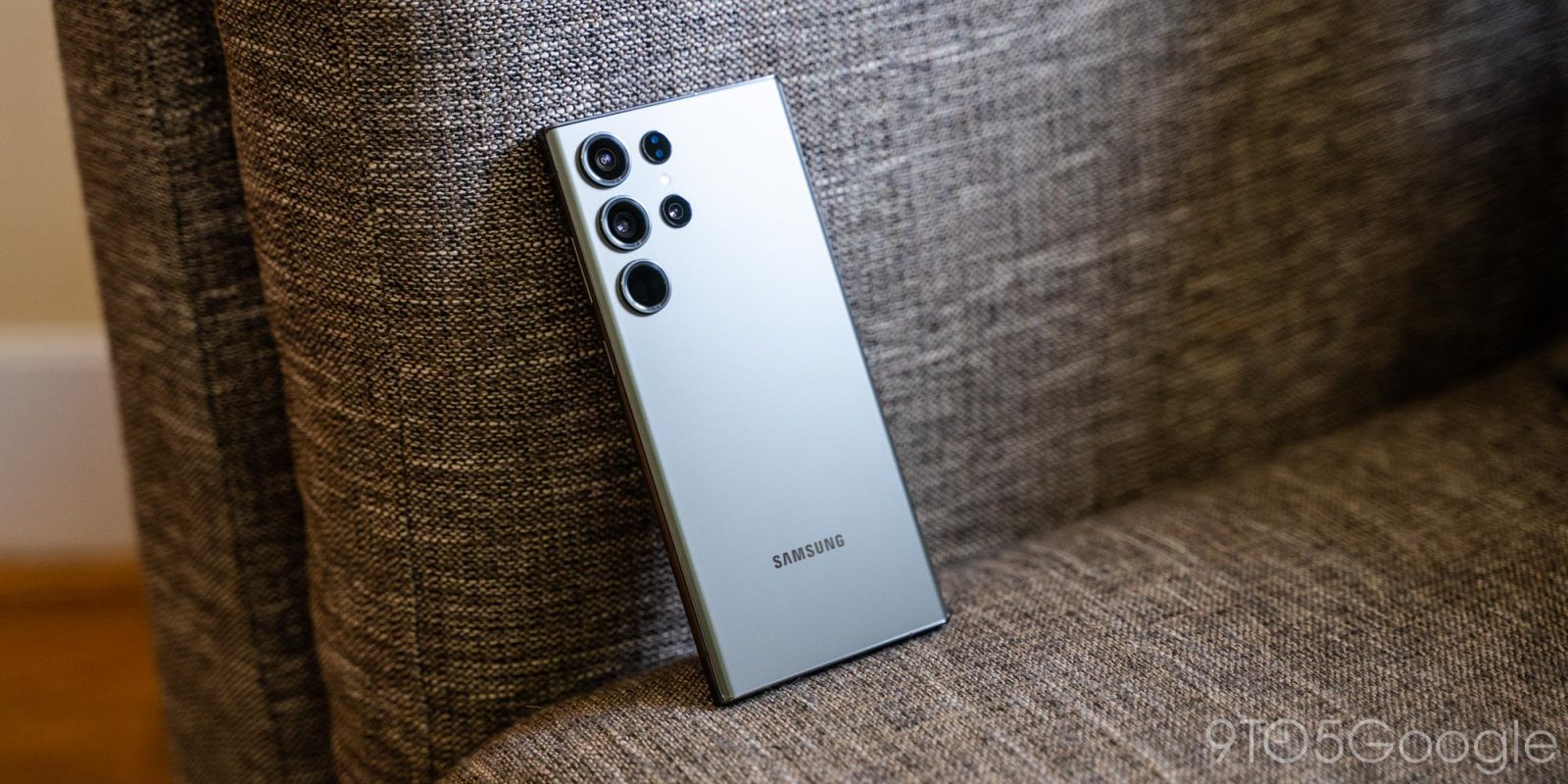
Samsung is a technology conglomerate based out of South Korea that is responsible for some of the most popular smartphones in the world, including the Galaxy S and Galaxy A series devices. Beyond smartphones, Samsung also manufactures and sells laptops, wearables, home appliances, and more.
The company was founded in 1938 as a trading company dealing with local produce, fish, noodles, and more. It wasn’t until the 1960s that Samsung entered the electronics business with its first product, a black and white television. In the 1990s, the company expanded its electronics efforts by producing displays and chips for processing and storage, core components of the business today. In the 2000s, the company established itself as a big player in cell phones, which later evolved into the Samsung Galaxy smartphone lineup.
Why are Samsung smartphones so popular?
Off the back of successful feature phones, Samsung quickly became a dominant player in the smartphone industry. The original Galaxy device was launched in 2009, which ran Android 1.5 “Cupcake” out of the box. Just a year later, the “Galaxy S” brand made its debut, selling 24 million units of its original model and 40 million of its sequel. The Galaxy S III was its first massive hit, though, selling 70 million devices starting in 2012. The success of that mainstream flagship propelled Samsung to be a major player in the premium smartphone market.
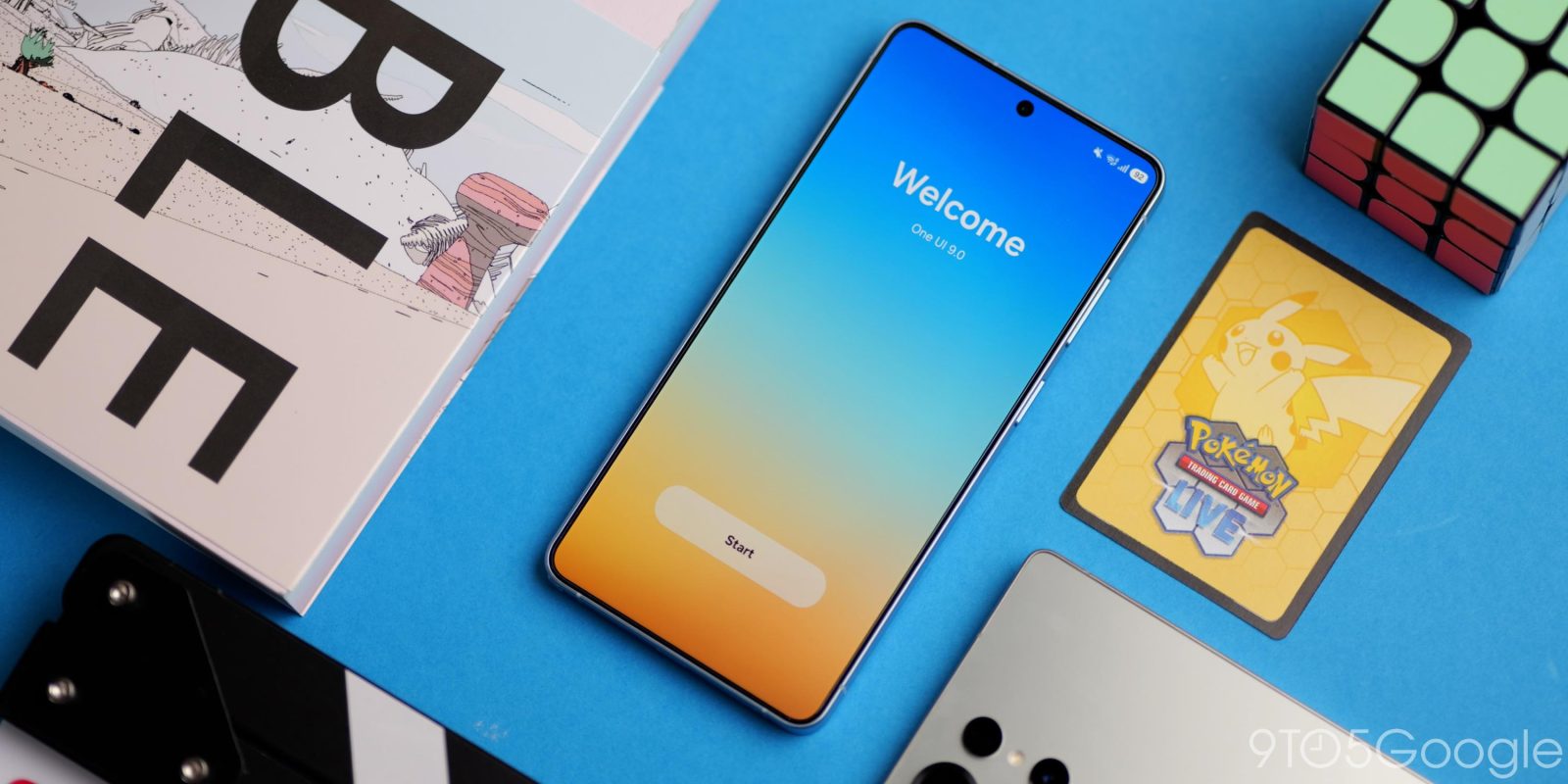
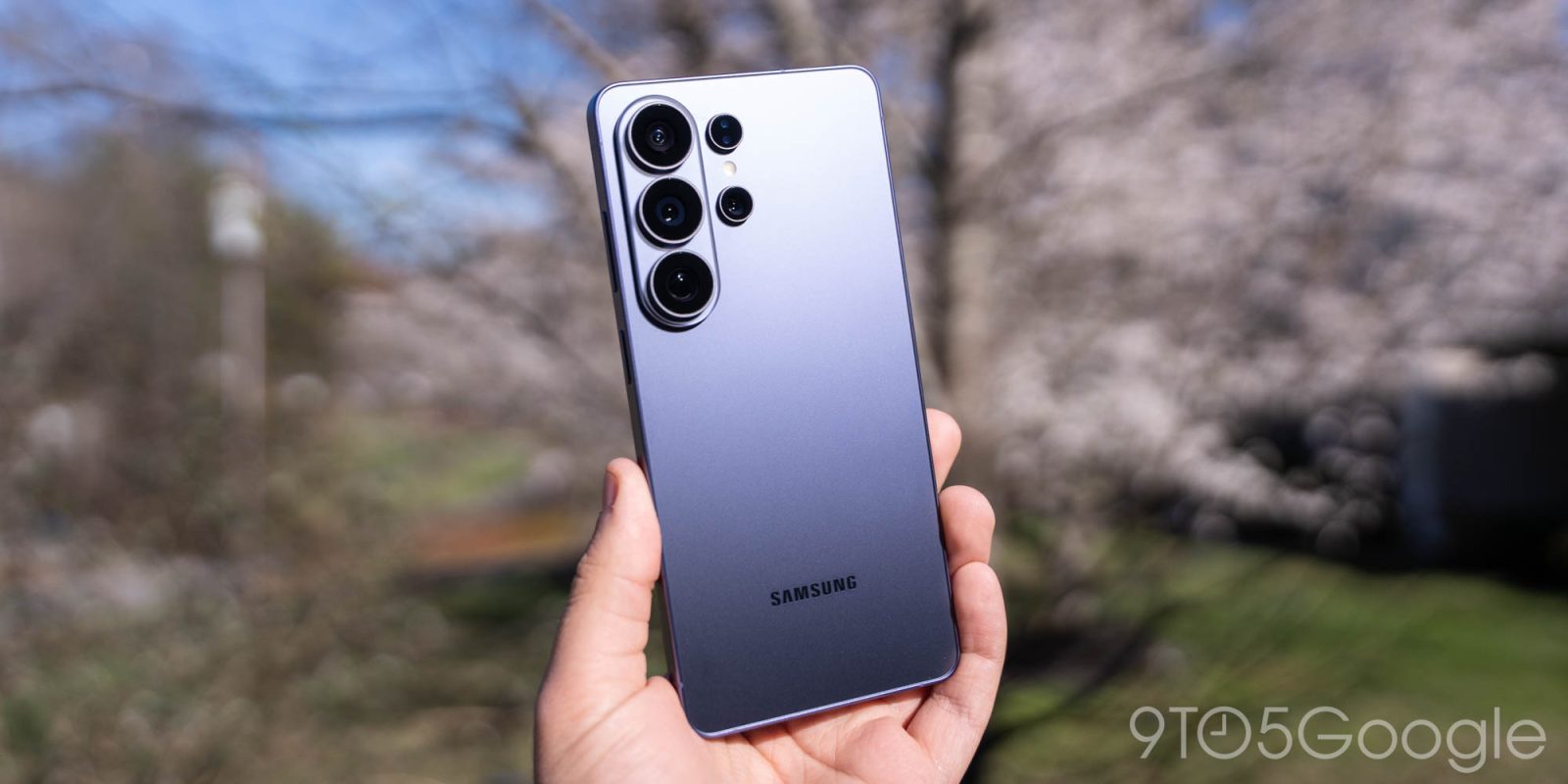
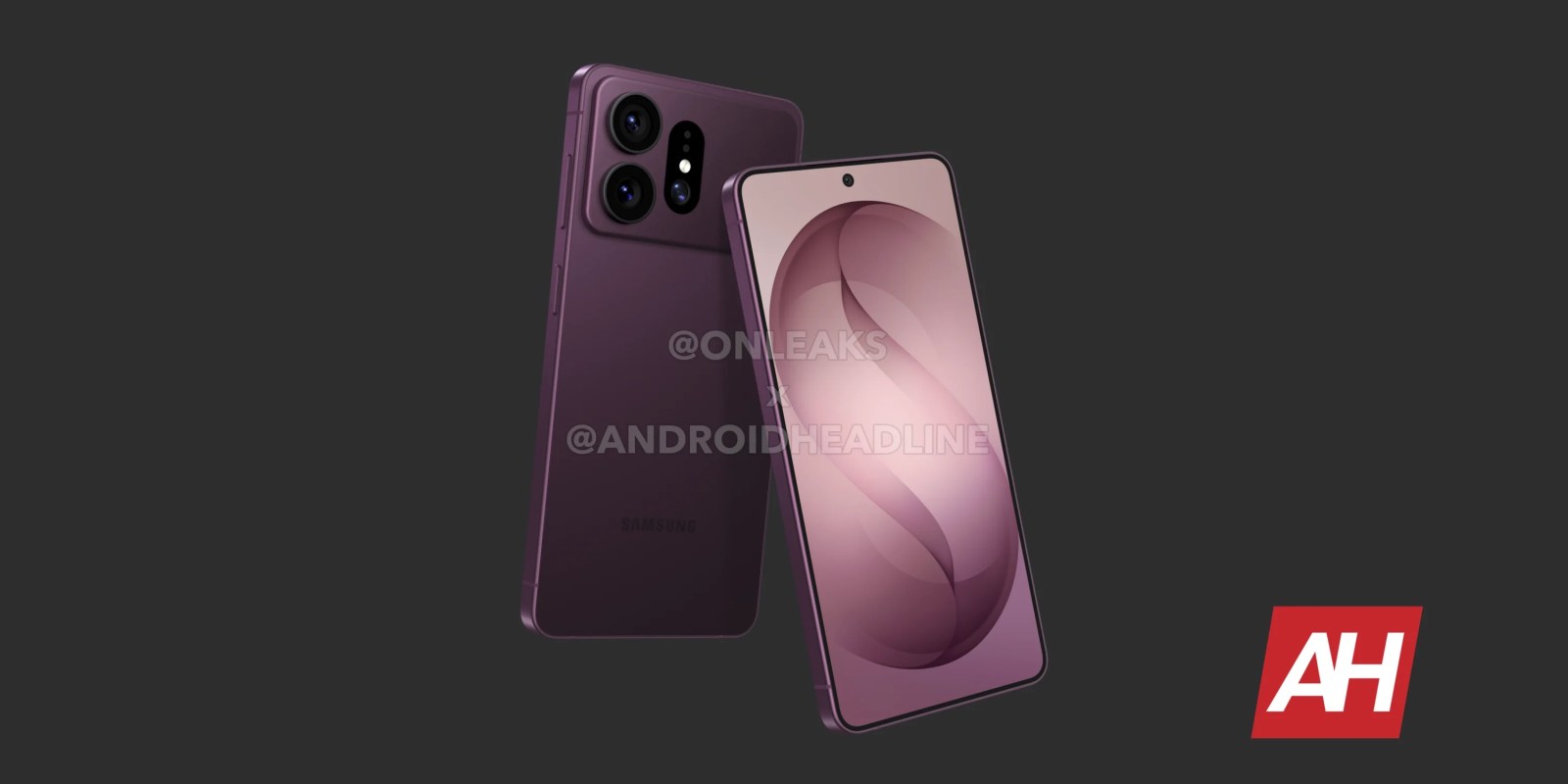
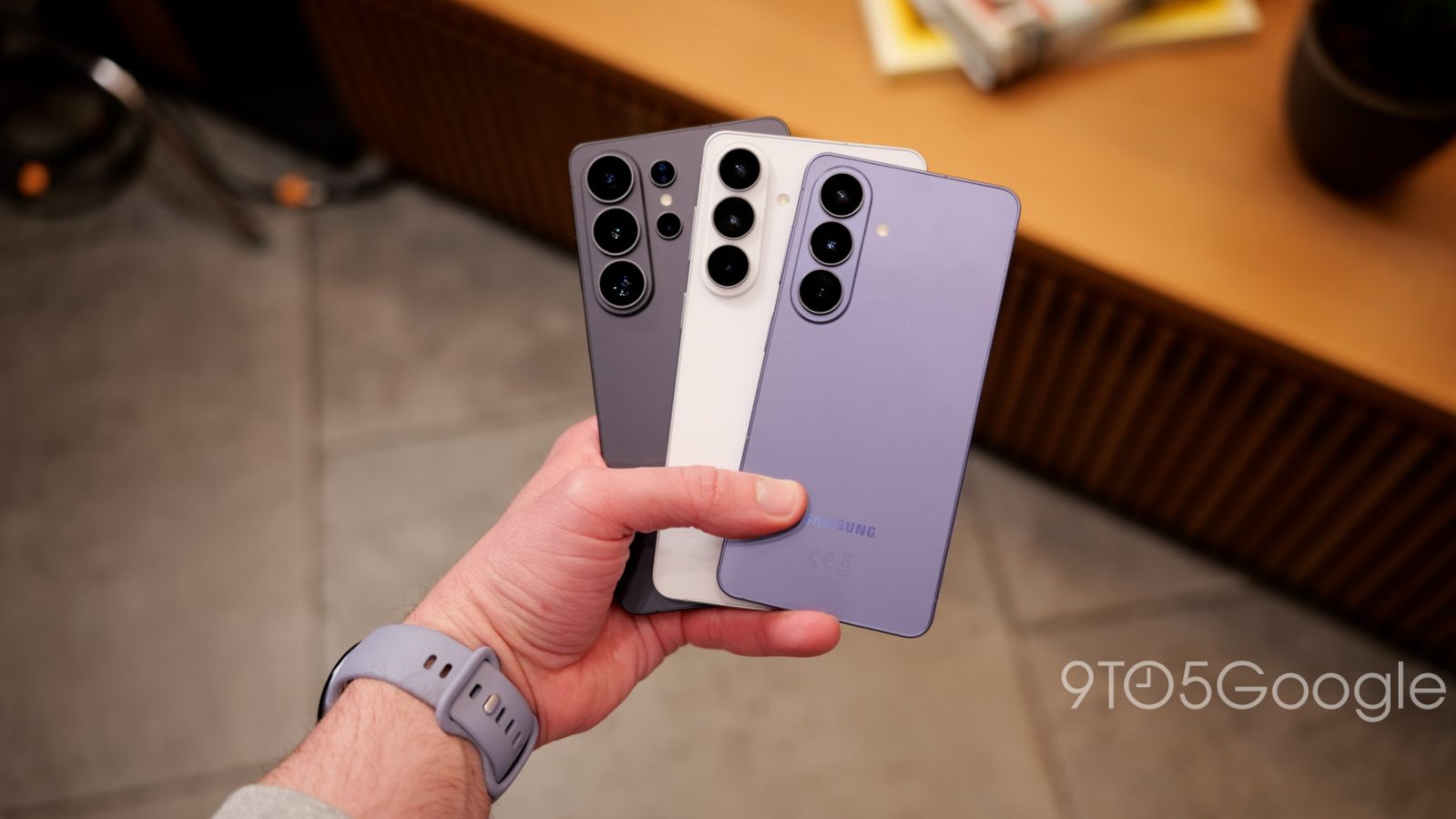
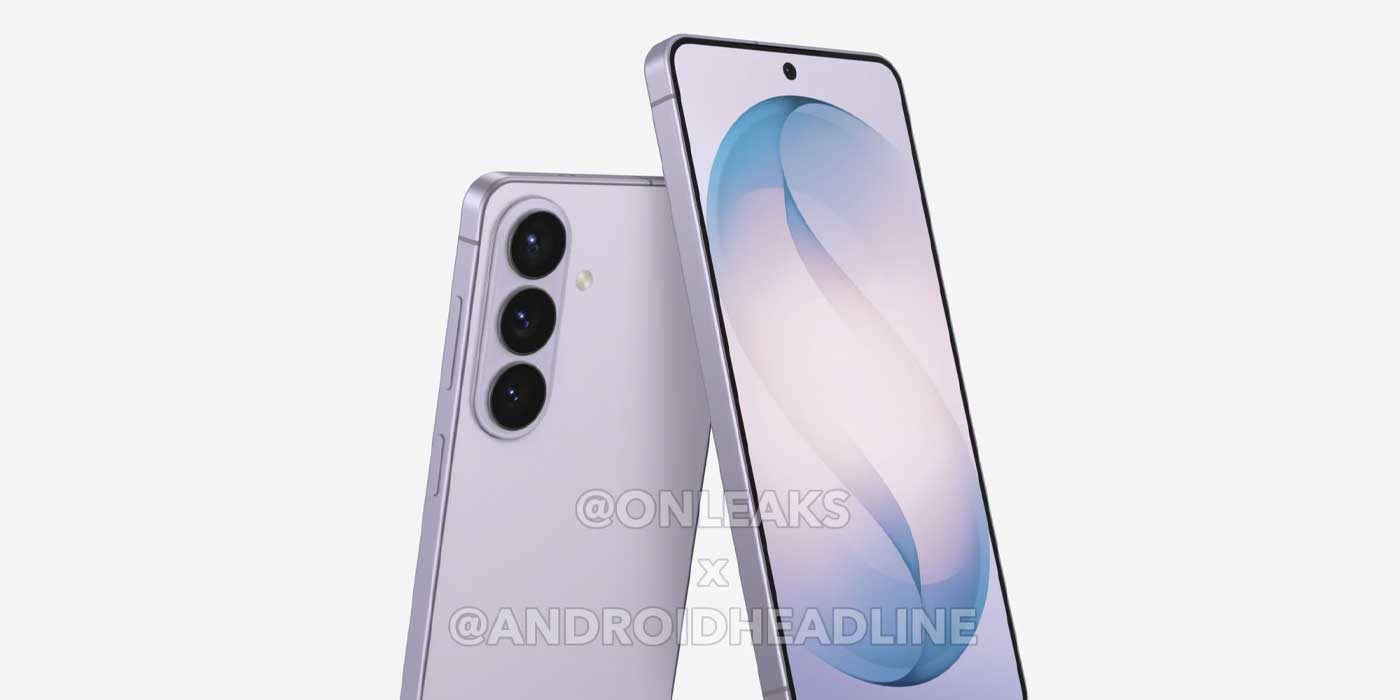
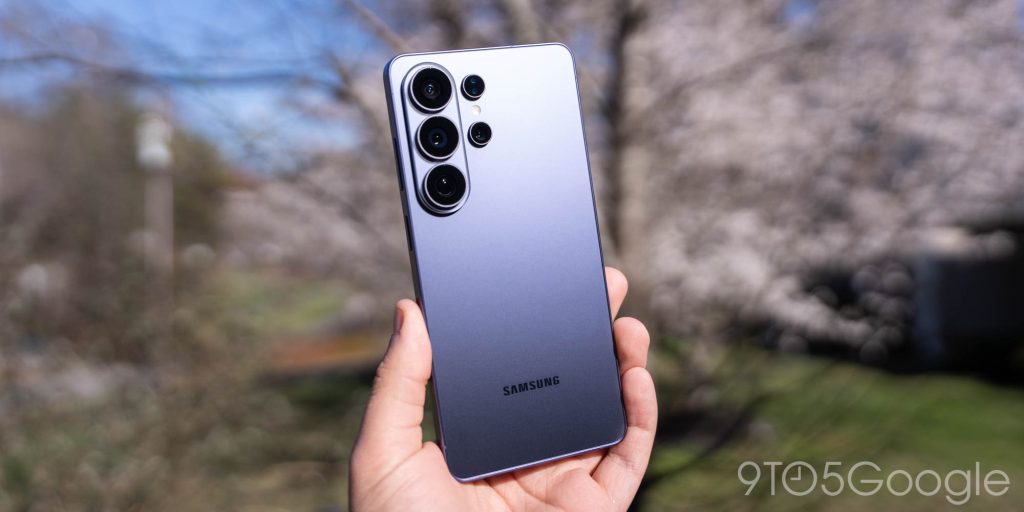
The latest Samsung flagships include the Galaxy S26 series, as well as foldable smartphones such as Galaxy Z Fold 7 and Flip 7.
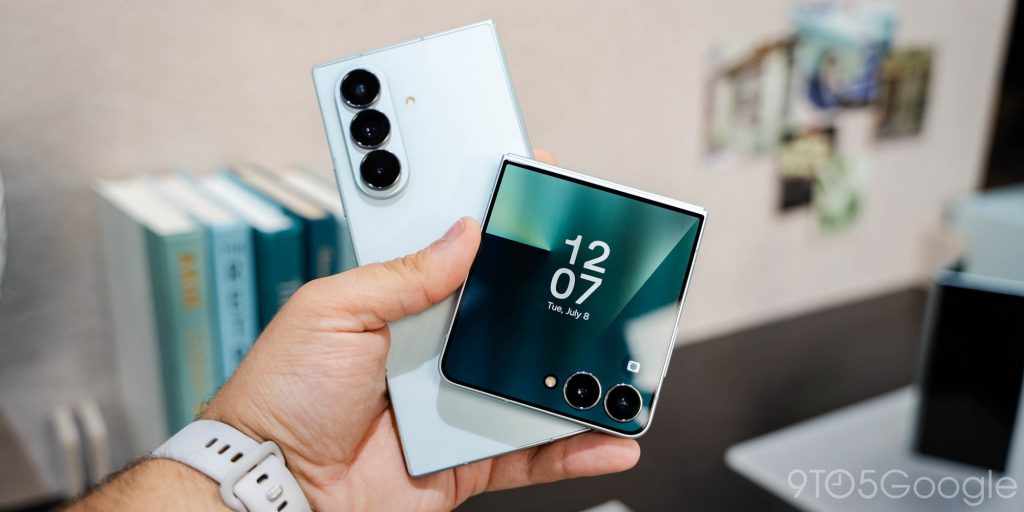
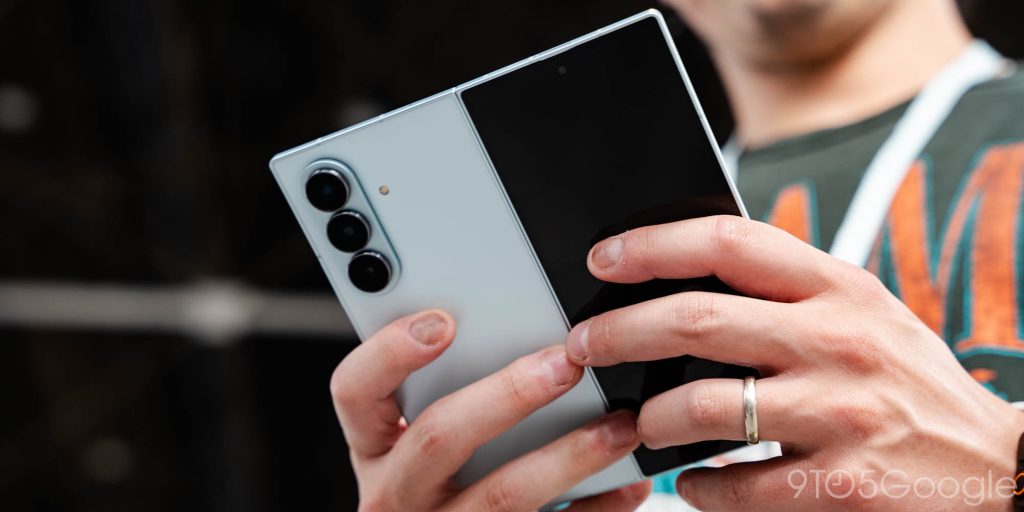
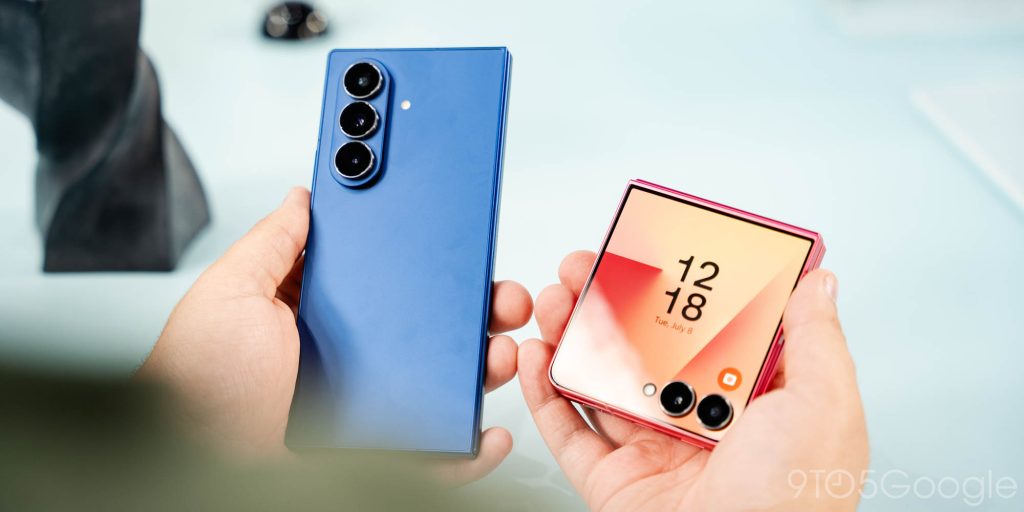
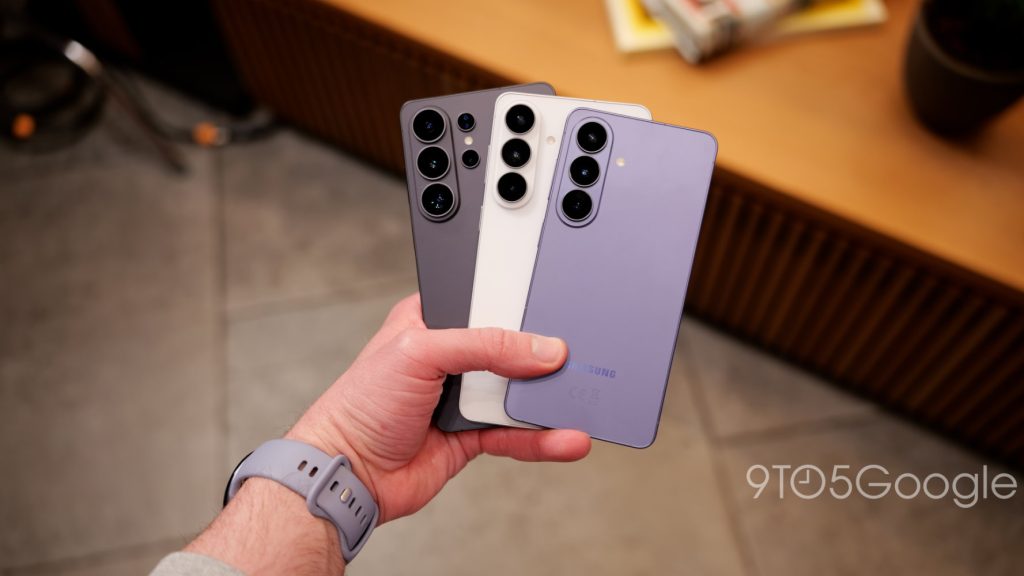
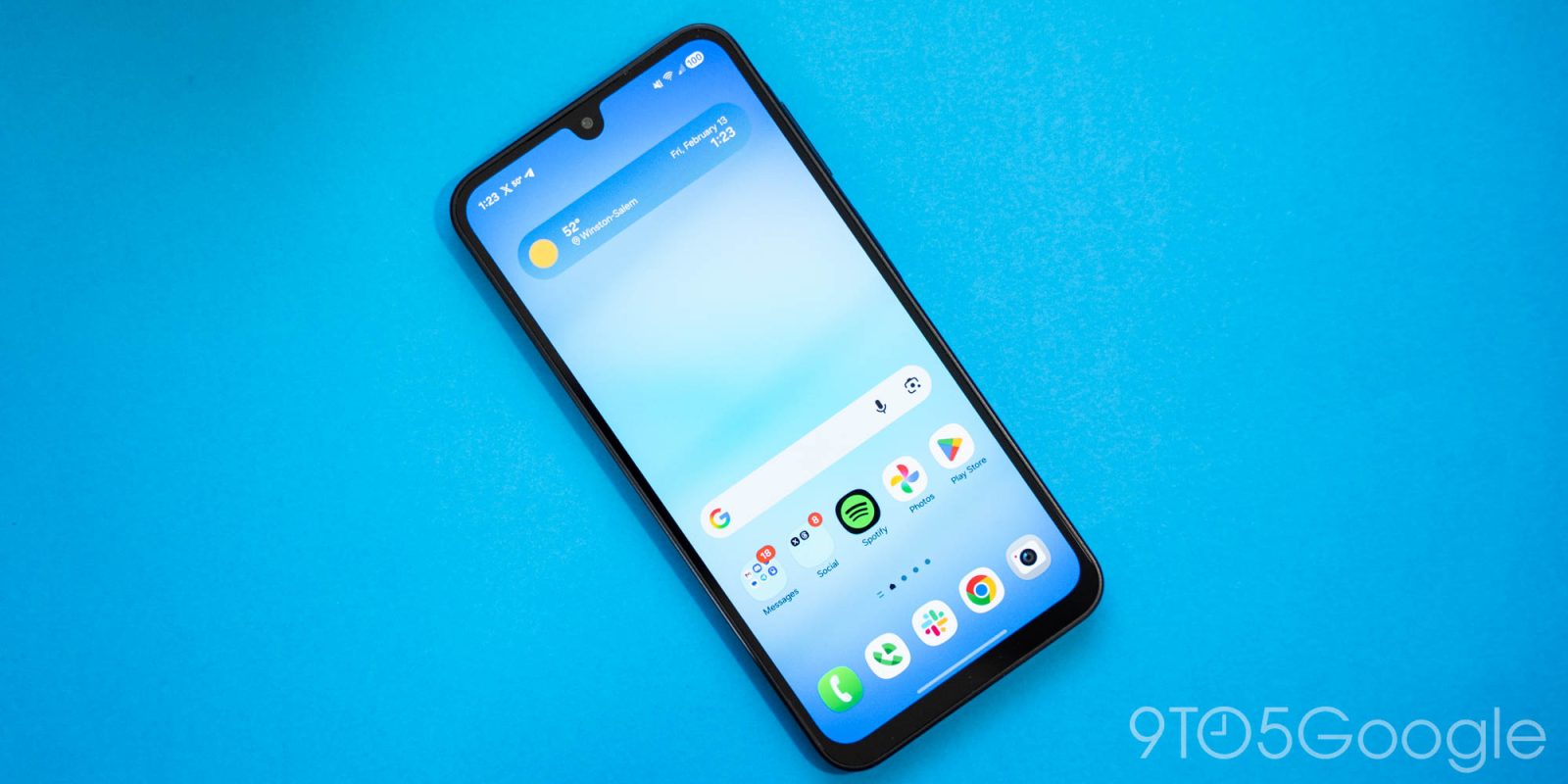
The flagship market is only a fraction of the company’s total smartphone sales. It’s actually more affordable devices such as the Galaxy A series that really earn Samsung its spot in the industry. The Galaxy A series has produced some of the best-selling Android smartphones in the world for the past few years, for instance, with the Galaxy A50 and Galaxy A51 both topping the charts in their respective release windows.
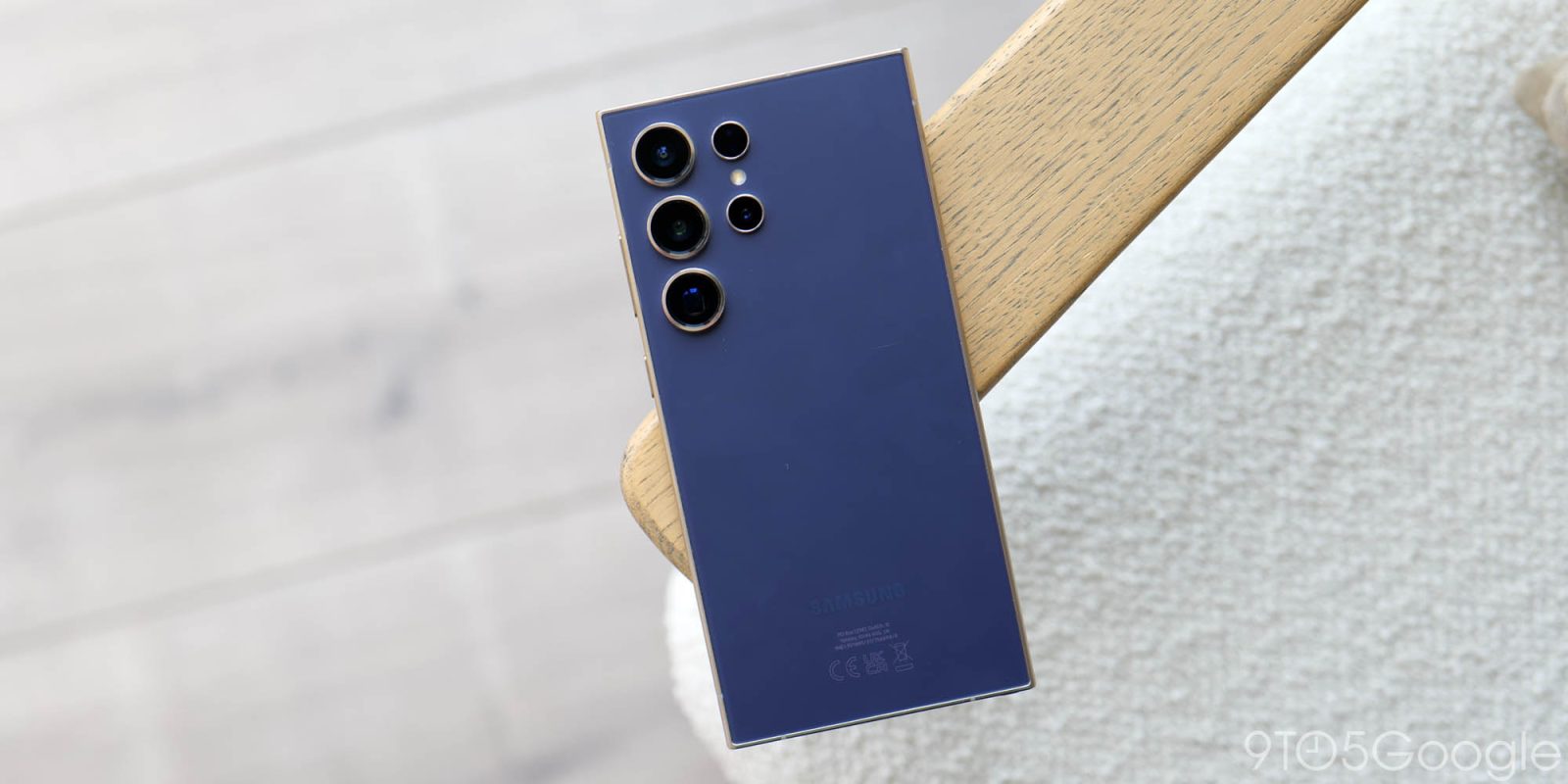
To say Samsung’s smartphones have been influential is an understatement, as the brand has produced some of the biggest trends in the industry. Most memorable is the rise of large-screen smartphones. In 2011, just two years into the rise of its Android-based Galaxy line, Samsung debuted the original Galaxy Note, which was ridiculed for its large 5.3-inch display. The phone went on to sell 10 million units and spawn nine popular sequels leading up to the Galaxy Note 20 series in 2020. In 2016, Samsung famously released the Galaxy Note 7, which was recalled due to batteries that were bursting and catching fire. The phone was discontinued, and fans ultimately had to wait until the Note 8 was released a year later. In 2021, Samsung reportedly canceled its Galaxy Note 21 series due to the ongoing chip shortage, and the best of the Note has now been merged into the ongoing Galaxy S “Ultra” release.
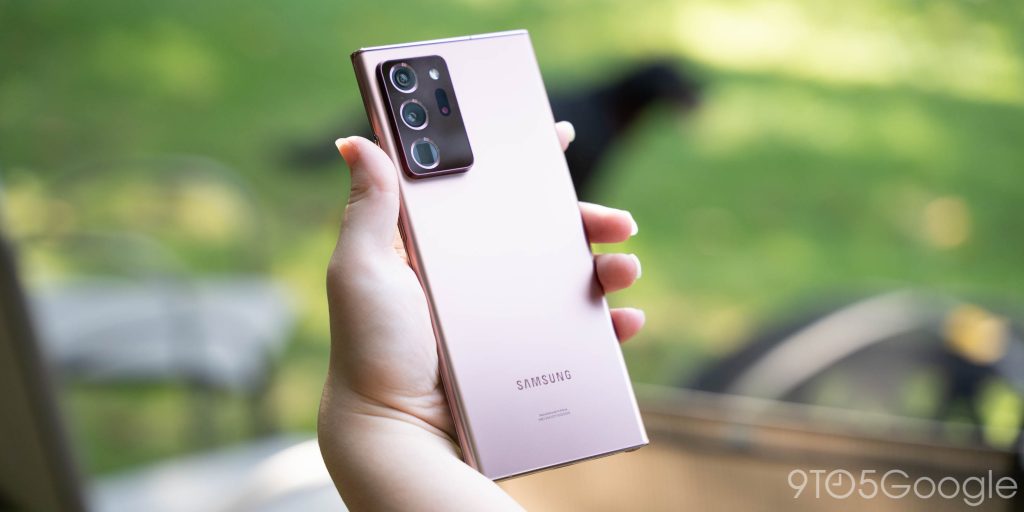
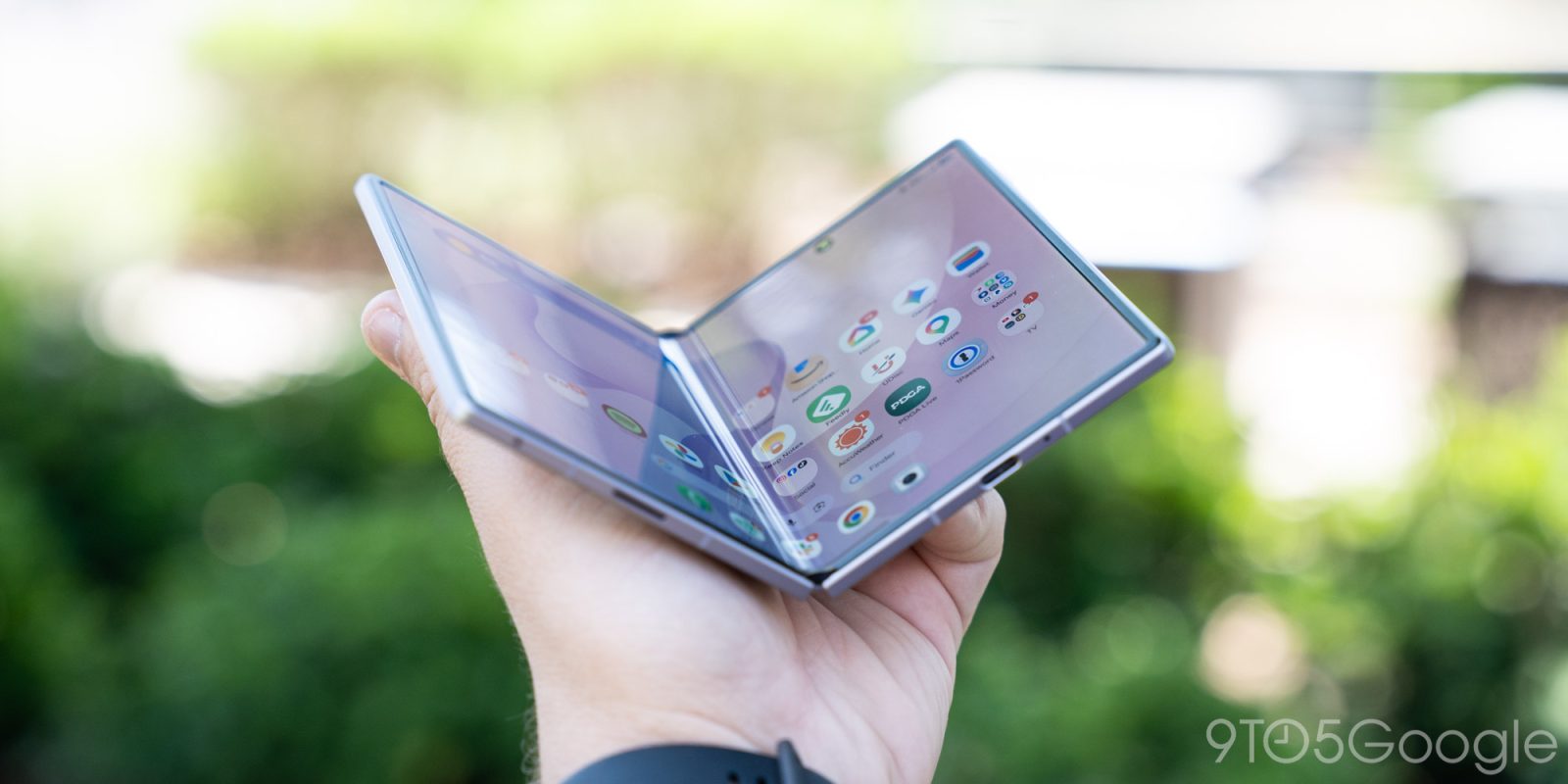
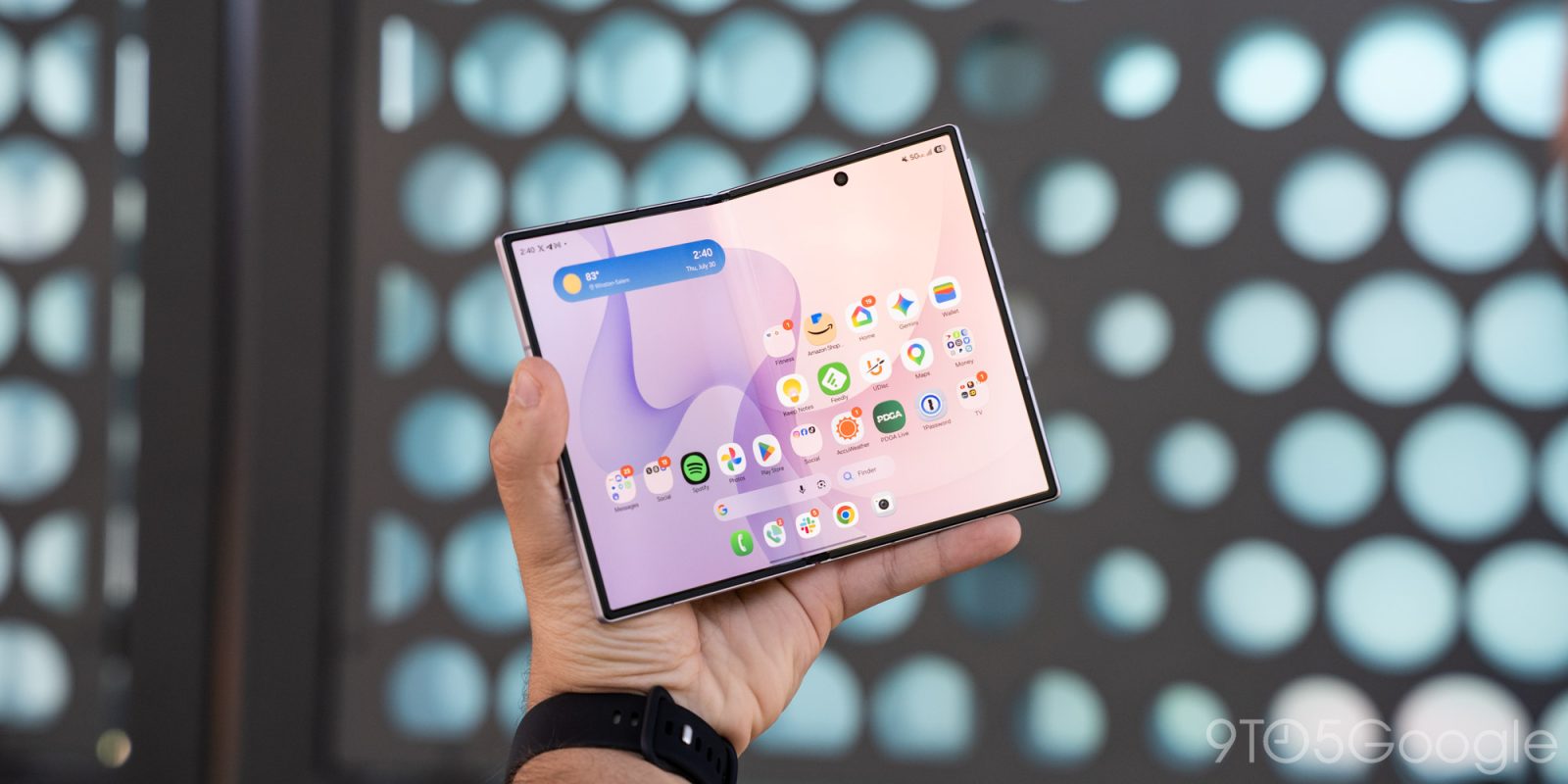
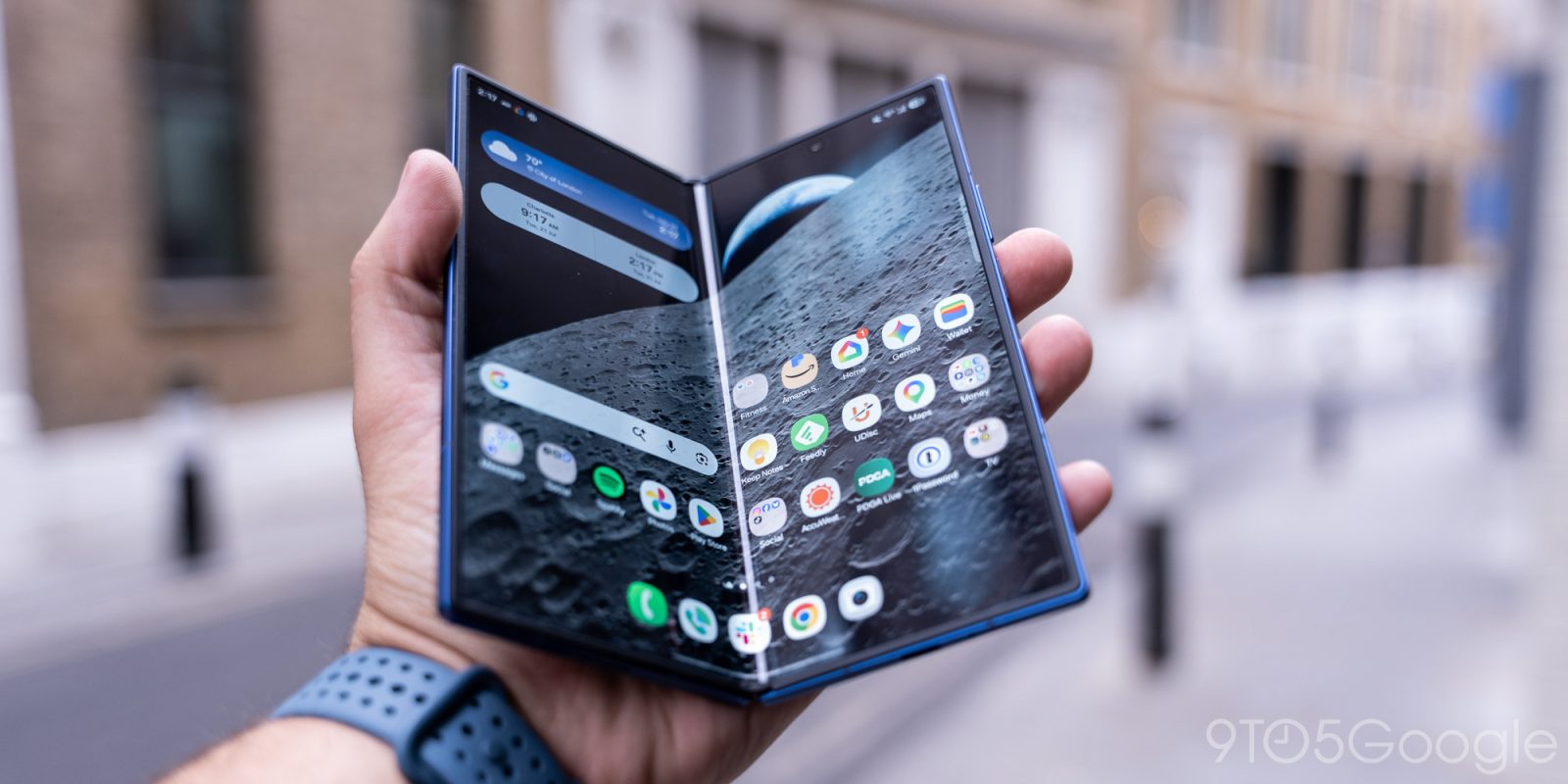
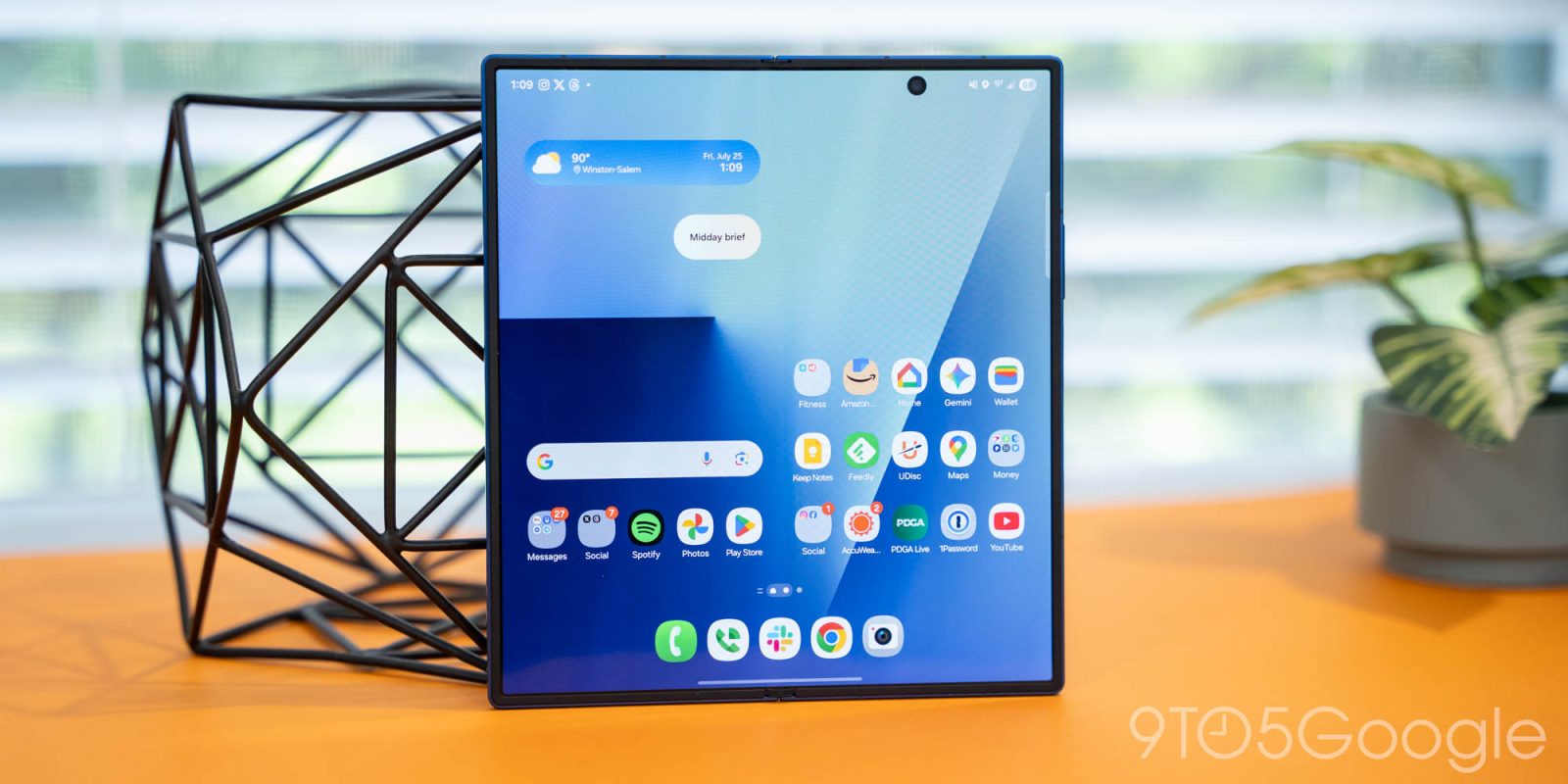
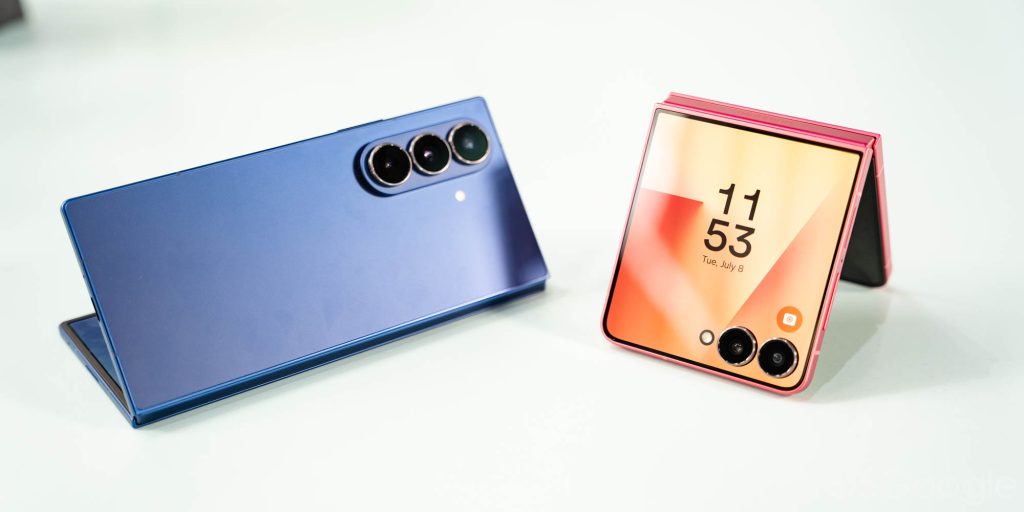
In 2019, Samsung announced its first foldable smartphone in the Galaxy Fold. The book-style foldable had high-end specs and an inner display that was far larger than what could traditionally fit in a pocket, but its launch was met with negativity as several early reviewers faced major issues with the inner display. The company opted to cancel the launch and redesign the product, relaunching it months later with several solutions. In 2020, the Galaxy Z Flip debuted with much better reception and solutions for problems that plagued the Fold, though with a new flip-phone style design. The Galaxy Z Fold 2 took those same ideas and applied them to the original design while improving the displays both inside and out.
Samsung has continued to build on this form factor each year, often with big improvements, including water resistance, better hinges, upgraded cameras, and more.
Galaxy Z Fold 7, especially, proved to be a major update, offering a much thinner form factor that finally caught up to other foldable makers. It was successful, too, with Samsung reporting record sales after the device was released.
What other products does Samsung sell?
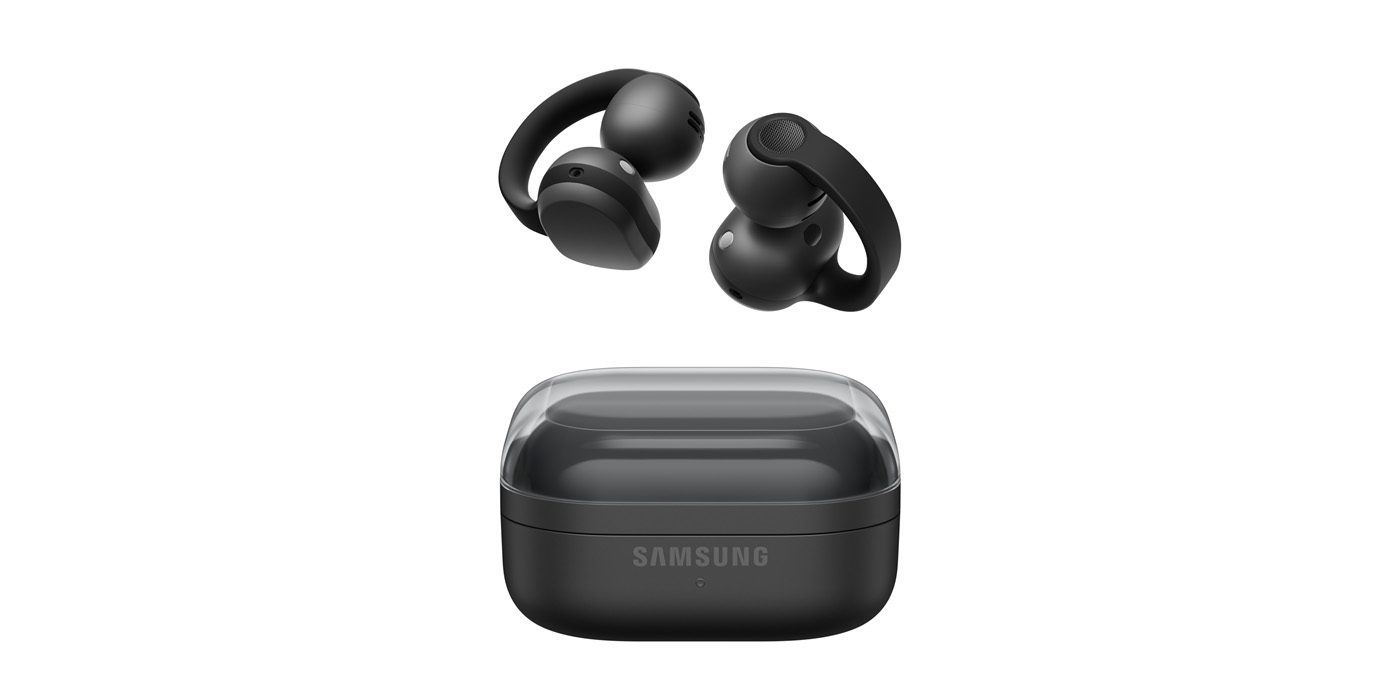
Beyond its extremely successful smartphones, Samsung sells a plethora of other products. There are TVs, home appliances, and more. The company also products and sells electrical components, AMOLED displays, and more to other companies.
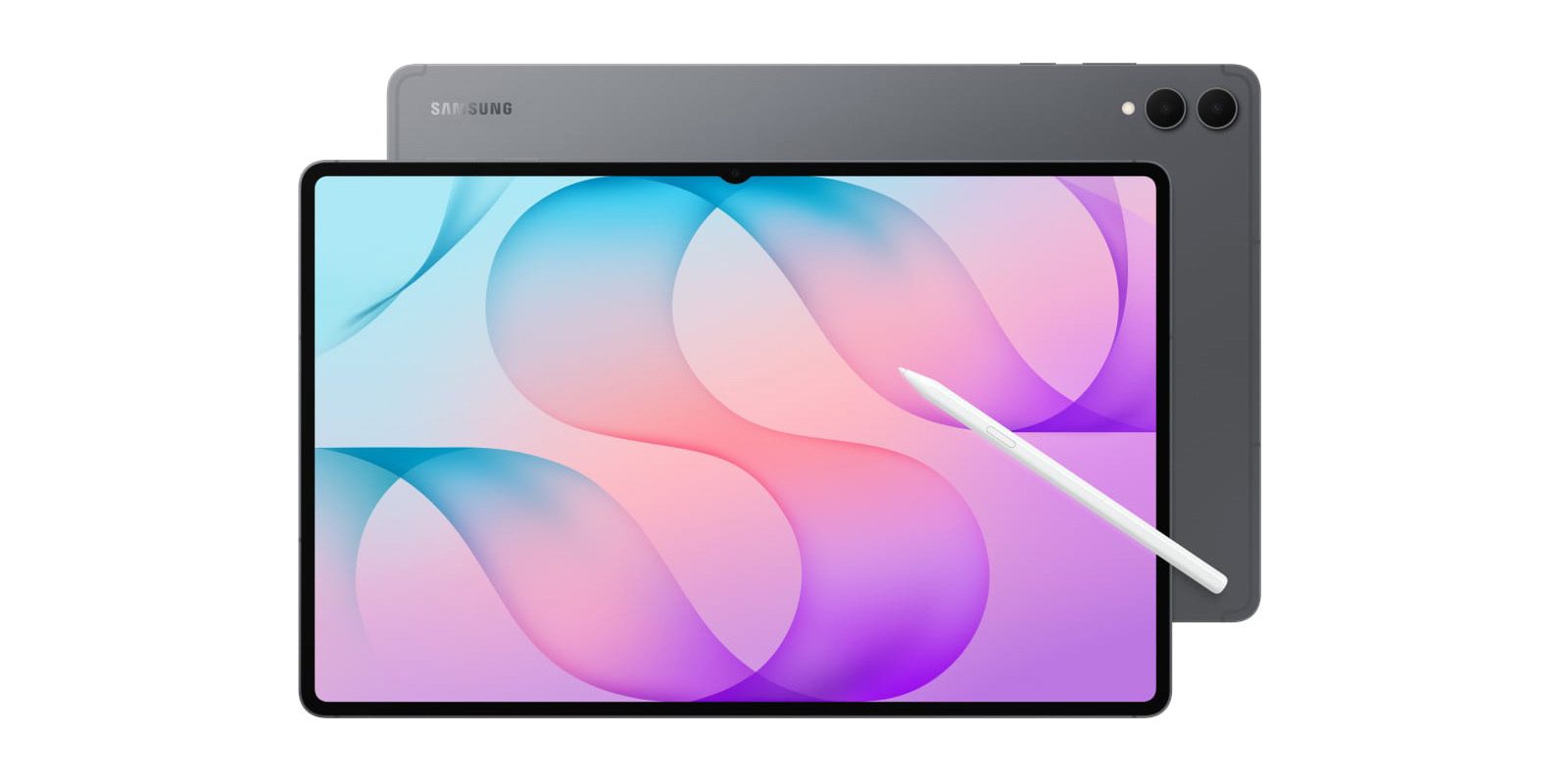
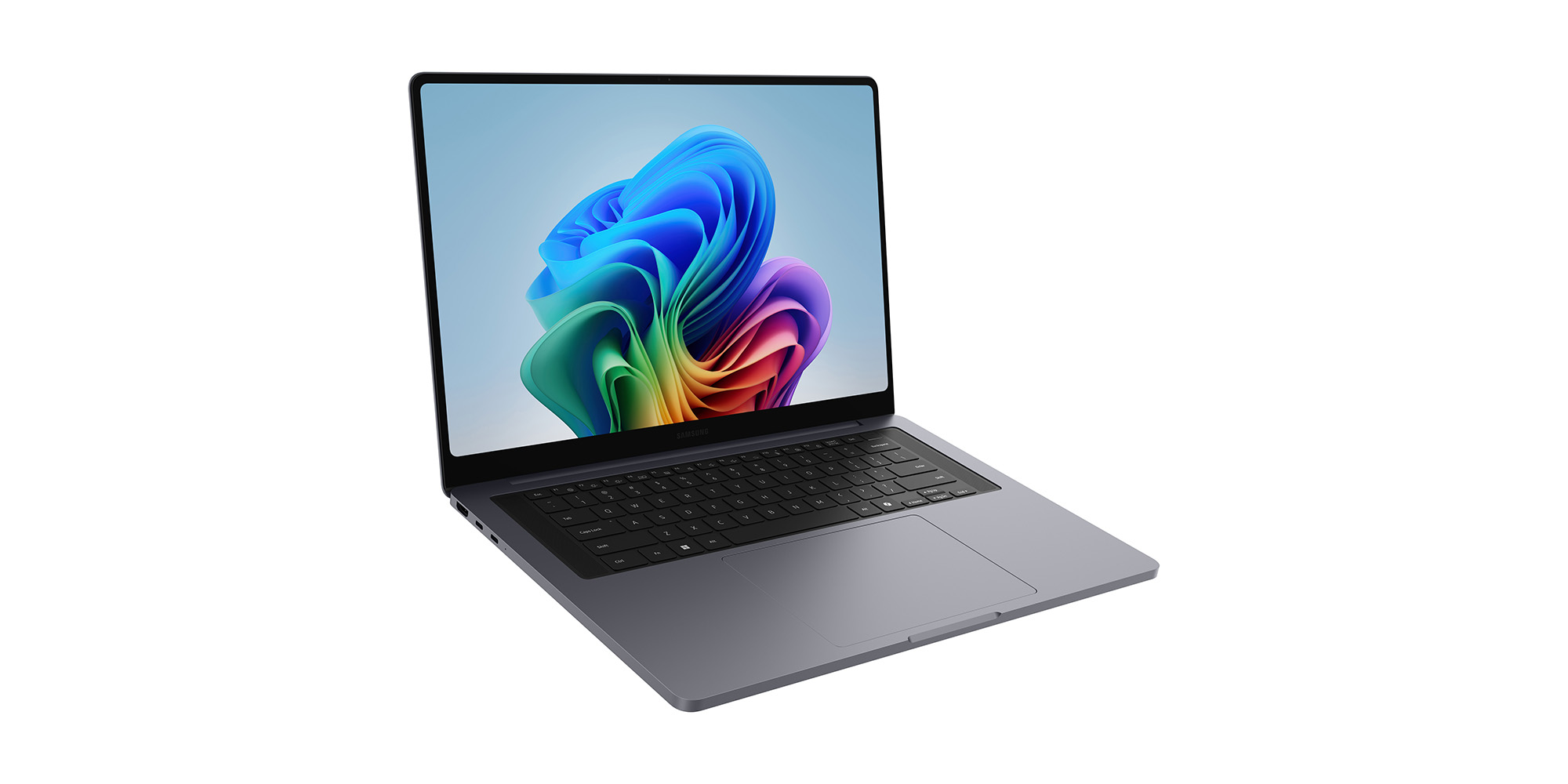
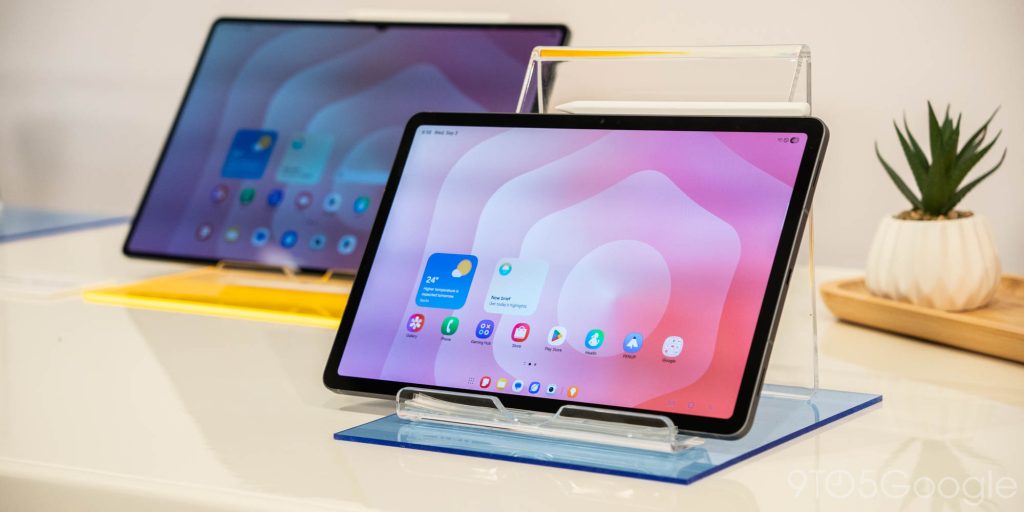
Relating closely to its smartphones, though, are Samsung’s tablets, laptops, and smartwatches. Android tablets are fairly rare on the market, but the Galaxy Tab series has stuck around as an affordable option as well as a flagship one, the latter usually including support for DeX. The company also products laptops using both Microsoft’s Windows and Google’s ChromeOS, the former linking to Galaxy phones using the “Your Phone” integration that is deeply built into One UI.
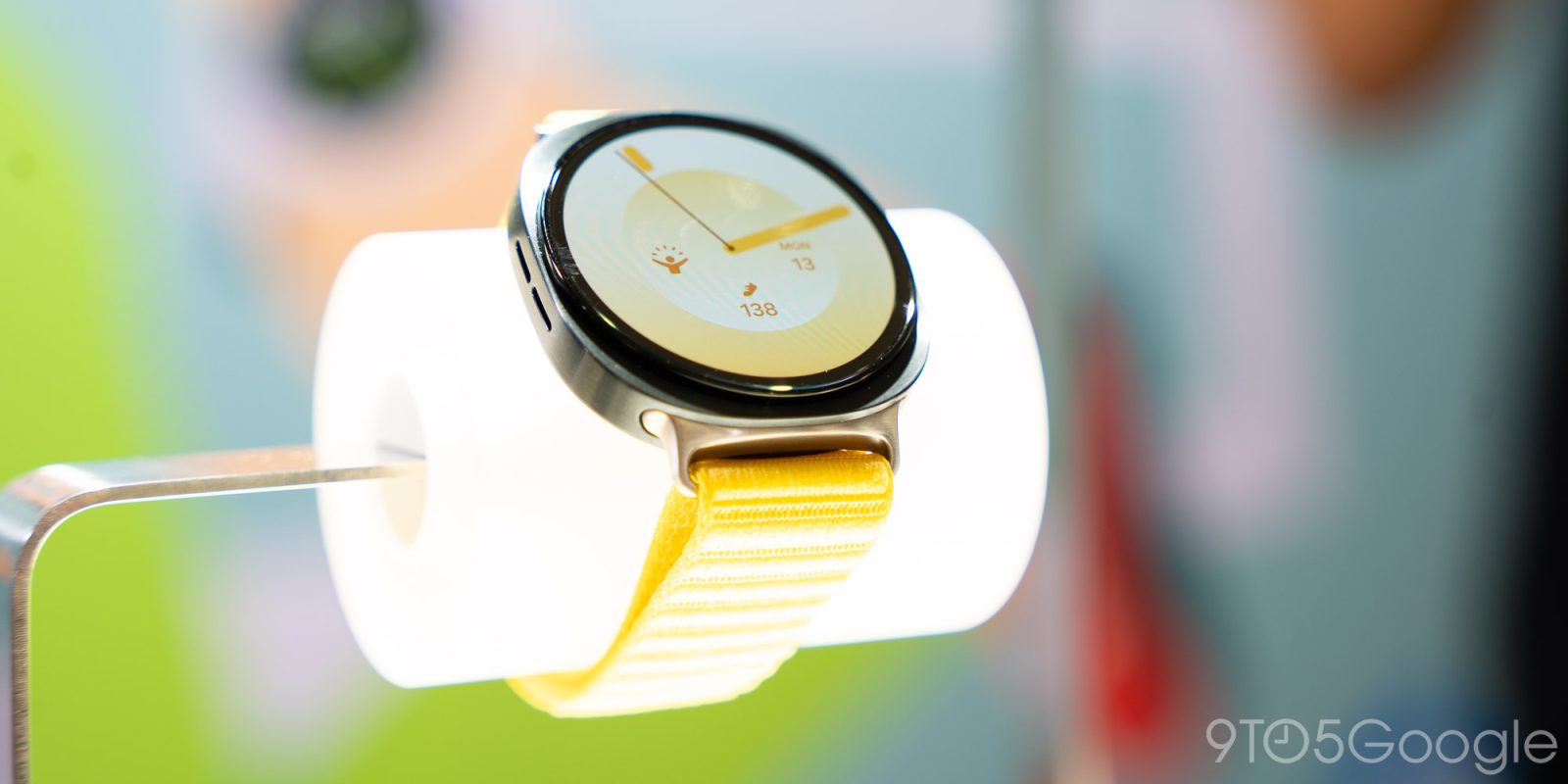
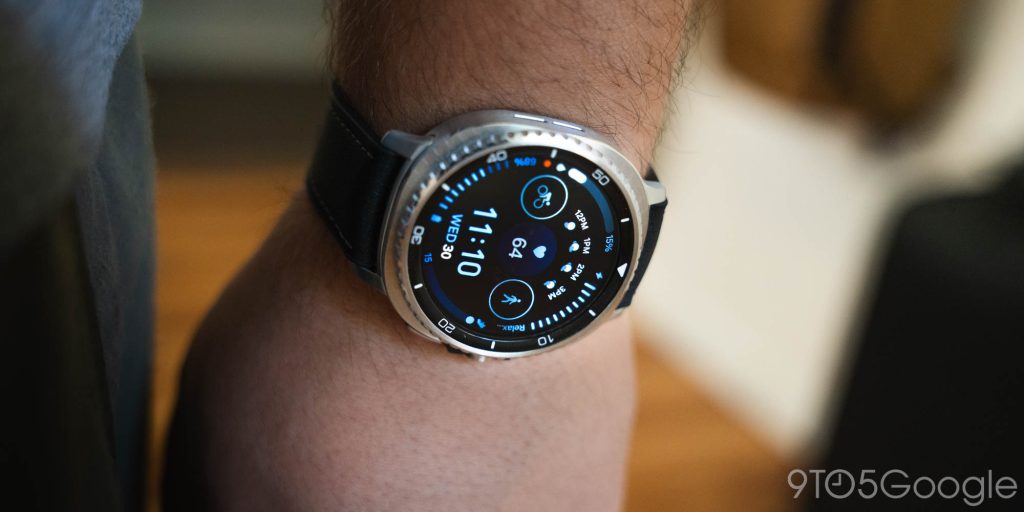
Finally, the Galaxy Watch lineup has been one of the best options for an Android-compatible smartwatch, and each model pairs best with a Galaxy smartphone.
Check out our up-to-date coverage of everything Samsung below.